Cold mornings in San Jose, CA are different when your heater wheezes instead of warms. That’s exactly the moment most homeowners realize a reliable heating system installation isn’t a luxury — it’s the difference between a comfortable winter and a frustrating one. At Heating And Air Experts, we’ve spent years helping San Jose, CA families replace tired, inefficient units with systems that actually do their job, quietly and affordably, season after season.
This guide walks you through everything worth understanding before you install a new heating system. No fluff, no sales pressure — just the kind of straight talk you’d want from a friend who happens to know furnaces inside and out.
Understanding Heating System Installation in San Jose, CA ‘s Climate
San Jose, CA doesn’t get brutal Midwest winters, and that fools a lot of people. They assume any old heater will do. But the Bay Area’s damp coastal chill, those temperature swings between foggy mornings and mild afternoons, actually demand a system that’s properly sized and well matched to your home.
An oversized furnace short-cycles, burning fuel and wearing itself out. An undersized one runs constantly and never quite catches up. Getting the sizing right is where professional heating system installation earns its keep.
Why Local Climate Shapes Your Heating Choice
Here’s something we tell nearly every customer: efficiency ratings that matter in Minnesota don’t always translate to coastal California. Your home likely needs moderate, consistent heat rather than maximum output. That changes which equipment makes sense.
A high-efficiency gas furnace installation often pays off here because natural gas remains cost-effective across the Peninsula. For homes without gas lines, electric furnace systems or heat pumps step in nicely and heat pumps especially shine in mild climates like ours, handling both heating and light cooling needs.
Signs You Need Installation, Not Just Repair
Repair makes sense up to a point. Past that point, you’re pouring money into a losing system. Watch for a few telltale signals.
If your unit is over 15 years old, racks up rising energy bills, needs frequent heating repair services, or struggles to heat rooms evenly, replacement usually beats another patch job. A heating technician can run an honest cost comparison, but as a rule of thumb, when a repair costs more than half the price of a new system, installation wins.
The Heating System Installation Process Explained
People often picture installation as one guy showing up with a furnace and a wrench. The reality involves several careful steps, and skipping any of them invites trouble later. Let me break down how a proper residential heating installation actually unfolds.
Step 1: Home Assessment and Load Calculation
Before we recommend a single piece of equipment, we measure. A Manual J load calculation — the industry-standard method used by reputable residential heating contractors — accounts for your square footage, insulation, window count, ceiling height, and even sun exposure.
This step separates professionals from the cut-rate outfits who guess. Skip it, and you risk that short-cycling problem I mentioned, plus uneven comfort and a shorter equipment lifespan.
Step 2: Choosing the Right System
Once we know your home’s true heating load, the equipment conversation gets specific. Options generally fall into a few categories.
| System Type | Best For | Typical Lifespan |
| Gas furnace | Homes with existing gas lines, cold-sensitive families | 15–20 years |
| Electric furnace | Homes without gas, smaller spaces | 20–30 years |
| Heat pump | Mild climates, year-round comfort, energy savings | 12–15 years |
Each carries trade-offs in upfront cost, operating expense, and efficiency. A trustworthy heating contractor lays these out plainly instead of steering you toward whatever they’re trying to move that month.
Step 3: Removal, Installation, and Testing
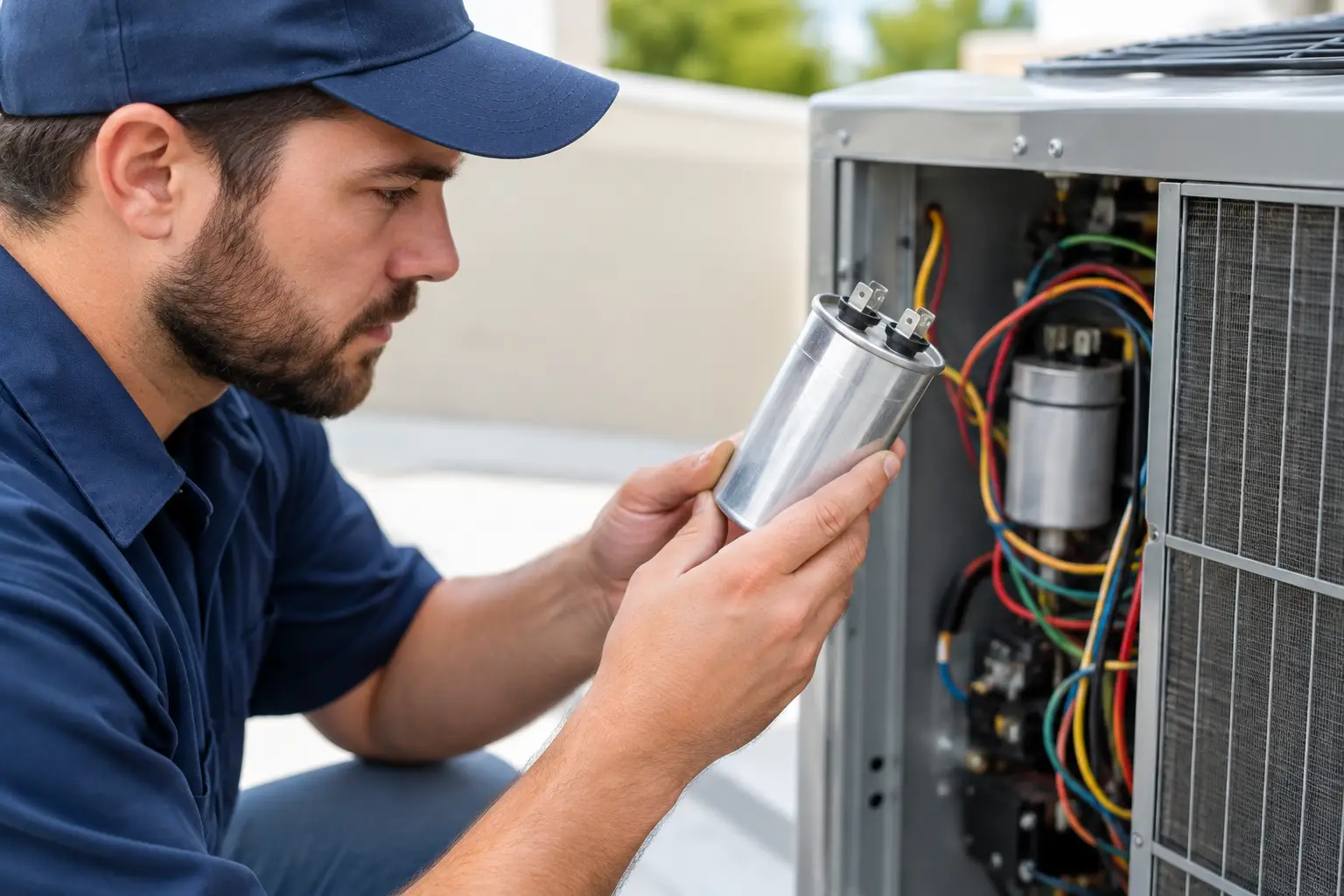
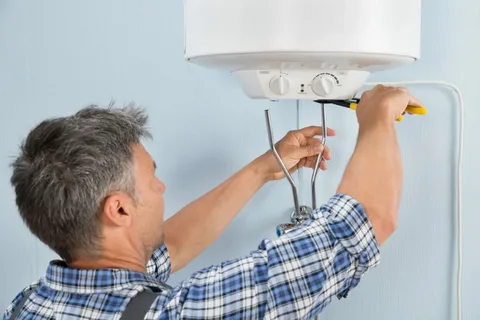
The physical work involves safely removing the old unit, prepping the space, setting the new system, connecting ductwork and gas or electrical lines, and — critically — testing everything before we leave.
That final testing phase gets rushed by less careful installers. We check airflow, combustion safety, thermostat communication, and temperature output across rooms. A heating inspection at this stage catches problems while they’re still easy and cheap to fix.
What Quality Installation Actually Costs and Why
Let’s talk about money, because everyone wants to, and few companies will be upfront about it. Heating System Installation in San Jose, CA generally ranges from a few thousand dollars for a straightforward furnace swap to considerably more for high-efficiency systems with ductwork modifications.
Several factors move that number. Equipment efficiency, the complexity of your existing setup, ductwork condition, and whether you’re switching fuel types all play a role.
The Hidden Cost of Choosing Cheap
I’ve watched homeowners save a few hundred dollars on a bargain installation, then spend triple that within two years on repairs and energy waste. A poorly installed furnace can lose 30% of its efficiency right out of the gate, according to data from the Environmental Protection Agency on HVAC performance.
That stat sticks with me because it shows up in real homes. The equipment matters, sure — but the installation quality matters just as much. A great furnace installed poorly performs worse than a modest one installed right.
Long-Term Value Over Sticker Price
Think of heating system installation the way you’d think about a roof or a foundation. The cheapest option rarely proves cheapest over a decade. Energy-efficient systems, properly installed and maintained, lower your monthly bills enough to offset much of the upfront difference.
Pair that with regular heater maintenance services, and a quality system can run reliably for two decades. That’s the math that actually matters.
Heating System Maintenance and Long-Term Reliability
Installation is the start, not the finish. The most reliable heating systems get that way because someone takes care of them. This is where a lot of homeowners drop the ball — and where a little effort pays enormous dividends.
Why Annual Maintenance Protects Your Investment
Furnaces are mechanical systems with moving parts, filters, and combustion components that drift out of tune over time. Annual heating system maintenance keeps everything running clean and safe.
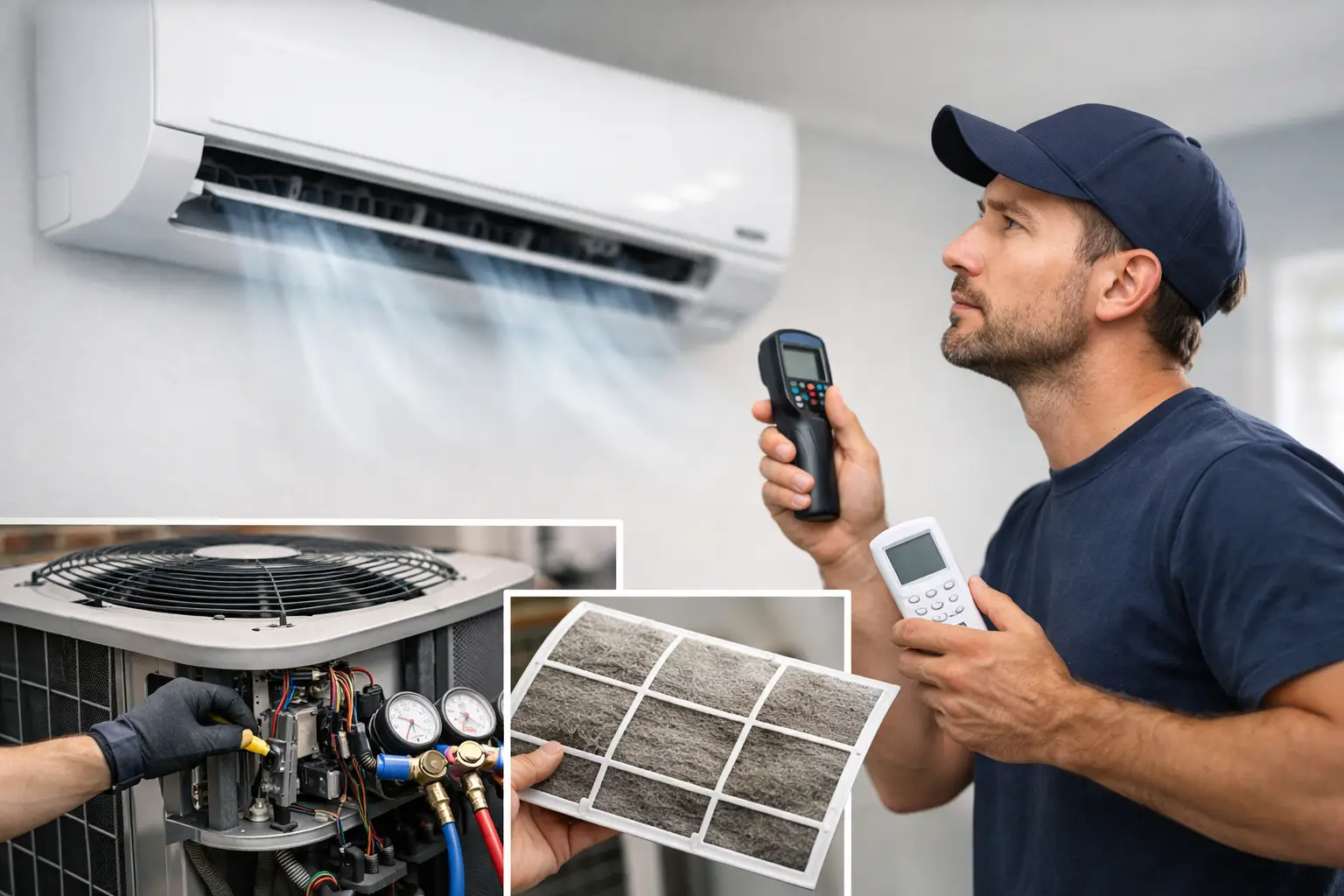
During a tune-up, a heating technician inspects the heat exchanger, cleans burners, checks the blower, tests safety controls, and replaces filters. This isn’t busywork. A clogged filter alone forces your system to work harder, raising bills and shortening its life.
When to Call for Heating Repair Services
Even well-maintained systems occasionally need attention. Strange noises, uneven heating, a furnace that won’t ignite, or a sudden spike in your energy bill all warrant a call.
For genuine emergencies — no heat on a cold night, the smell of gas, a unit that keeps tripping — emergency heating services matter. The faster a problem gets diagnosed, the less it tends to cost. Central heating repair handled early rarely turns into a full replacement.
Choosing the Right Heating Contractor in San Jose, CA
Honestly, the contractor you choose affects your comfort more than the brand of furnace you buy. Equipment quality has narrowed across major manufacturers. Installation quality hasn’t.
What Separates Real Professionals from the Rest
Look for proper licensing, insurance, and genuine local experience. Ask whether they perform load calculations — if they shrug at that question, keep looking. Read reviews with an eye for how a company handles problems, not just praise.
A reputable residential heating contractor explains your options without pressure, provides written estimates, and stands behind their work with real warranties. Good HVAC heating services come from companies that plan to be around for the next decade, not the next quarter.
Questions Worth Asking Before You Sign
Before committing, ask a few pointed questions. What’s included in the quote? Who handles permits and inspections? What does the warranty cover, and for how long? Will the same crew handle future heater maintenance services?
The answers tell you a lot. Vague responses signal trouble. Clear, confident ones signal a contractor who knows their craft.
Beyond Heating: Whole-Home Comfort
While heating installation brings most homeowners to us, comfort rarely stops there. Many San Jose, CA homes benefit from a broader look at their whole HVAC picture.
A system that heats well in winter often pairs with cooling needs in summer, which is why heat pumps appeal to so many local families — they deliver both. Add in air duct cleaning to remove dust and allergens, a smart thermostat installation for better control and savings, and you’ve built a genuinely comfortable, efficient home rather than just a working furnace.
These pieces work together. Clean ducts let your new system breathe. A programmable thermostat lets it run only when needed. Good indoor air quality keeps the whole thing healthy. Reliable heating installation is the foundation, but the full picture is what makes a house feel right year-round.
Conclusion
Reliable heating system installation IN San Jose, CA comes down to three things done well: accurate sizing, the right equipment for San Jose, CA ‘s climate, and a careful, tested installation by people who take pride in their work. Skip any one of those, and even premium equipment underperforms.
The good news is that getting it right isn’t complicated when you partner with the right team. A quality installation pays you back every cold morning for fifteen or twenty years — in lower bills, fewer repairs, and a home that simply stays warm.
When you’re ready to install, repair, or simply talk through your options with people who’ll give you straight answers, Heating And Air Experts is here to help San Jose, CA homeowners stay comfortable through every season. Reach out, ask your questions, and let’s make sure your next heating system is one you won’t have to think about again for a long, long time.
Frequently Asked Questions
How long does a heating system installation take?
Most standard furnace installations finish within one day, often four to eight hours. Projects involving ductwork changes, fuel-type conversions, or full system upgrades may stretch into a second day. Your contractor should give you a realistic timeline during the assessment.
How do I know if I need a new heating system or just a repair?
Generally, if your system is over 15 years old, needs frequent repairs, or a repair would cost more than half the price of replacement, installation makes more sense. A heating technician can run an honest cost comparison to help you decide.
What’s the most energy-efficient heating option for San Jose, CA homes?
In our mild coastal climate, heat pumps and high-efficiency gas furnaces both perform well. Heat pumps offer the added benefit of cooling, while gas furnaces suit homes prioritizing strong, fast heat. The right choice depends on your home’s load and existing utility connections.
How often should I schedule heating system maintenance?
Once a year, ideally before winter arrives. Annual heating system maintenance keeps your unit efficient, safe, and reliable while protecting your warranty. Regular tune-ups catch small issues before they become expensive repairs.
Do you offer emergency heating services?
Yes. When your heat fails on a cold night or you notice warning signs like gas odors or repeated shutdowns, prompt emergency heating services prevent small problems from escalating. Fast diagnosis usually saves both money and stress.
Can I install a smart thermostat with my new heating system?
Absolutely. Smart thermostat installation pairs perfectly with a new system and helps lower energy bills through better temperature control. Many homeowners add this upgrade during installation for convenience and long-term savings.