A hot Bay Area afternoon is a bad time for an air conditioner to start humming without cooling. HVAC capacitor failure is one of the more common reasons an outdoor unit will not start, a fan stops spinning, or a system suddenly loses its ability to keep up. The repair may be straightforward, but diagnosing it correctly matters. A weak capacitor can look a lot like a failing motor, electrical problem, or compressor issue.
What an HVAC Capacitor Does
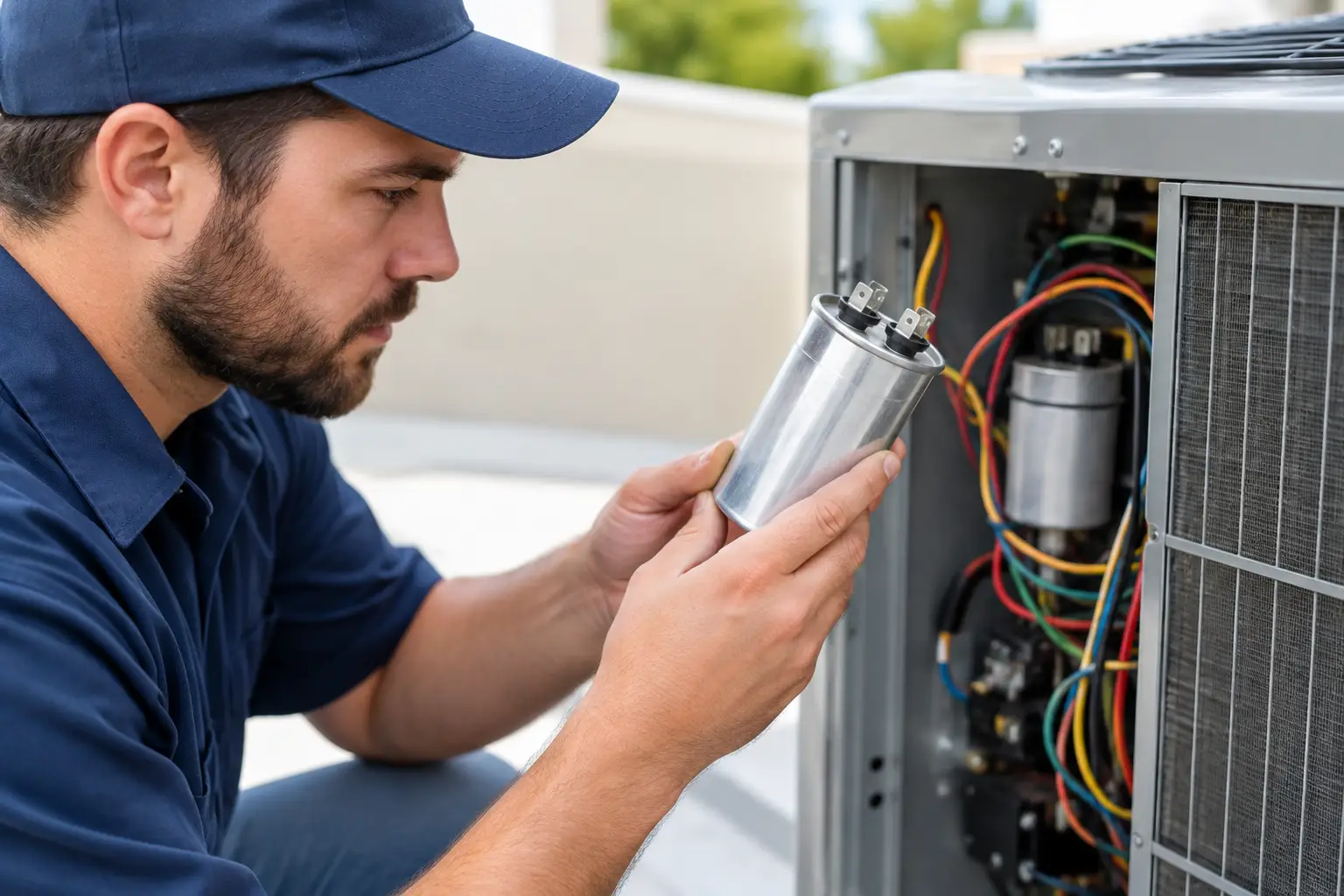
A capacitor is a small electrical component that stores and releases energy to help HVAC motors start and run. In a central air conditioner or heat pump, it commonly supports the compressor and the outdoor fan motor. Many systems use a dual-run capacitor, which serves both components from one part.
Think of it as the short, powerful electrical boost your equipment needs to get moving and continue operating efficiently. When the capacitor loses capacity, the motor may struggle to start, run hotter than normal, or stop working altogether.
Capacitors are not designed to last forever. Heat, age, electrical stress, and long cooling seasons all take a toll. In the Bay Area, systems can also face wide temperature swings between inland communities and coastal areas, along with heavy use during heat events. That does not mean every cooling problem is a capacitor problem, but it is a likely possibility when an outdoor unit acts differently than usual.
Common HVAC Capacitor Failure Signs
The clearest symptom is an air conditioner that runs but does not cool well, or does not turn on at all. You may hear the outdoor unit make a humming or clicking sound without the fan starting. In some cases, the indoor blower continues pushing air through the vents, but the air is warm because the outdoor equipment has not started correctly.
Other signs can include a condenser fan that starts slowly or stops intermittently, a system that trips a breaker, or an air conditioner that cycles off before reaching the thermostat setting. Higher energy bills can also be an early clue. A weak capacitor can force a motor to work harder, drawing more power while delivering less cooling.
These symptoms overlap with other HVAC issues. A dirty condenser coil, failed contactor, damaged wiring, low refrigerant, blower problem, or compressor failure can produce similar results. That is why replacing a capacitor based on symptoms alone is not a dependable fix.
What You Should Do When the System Will Not Start
If your air conditioner is humming, repeatedly clicking, or tripping the breaker, turn the thermostat to Off. Avoid repeatedly restarting the system to see whether it will recover. Continued attempts can strain the compressor or fan motor and turn a smaller repair into a more expensive one.
Check that the thermostat has power and is set to Cool, then look for an obvious tripped breaker. If the breaker trips again after being reset once, leave it off and arrange professional service. Do not open the outdoor electrical panel or try to handle the capacitor yourself. Capacitors can hold an electrical charge even after power is shut off, creating a serious shock risk.
Why HVAC Capacitors Fail
Most capacitor failures come down to heat and normal wear. The outdoor unit is exposed to sun, high operating temperatures, vibration, rain, debris, and electrical demand. Over time, the component’s stored energy capacity falls outside the manufacturer’s acceptable range.
Power surges and voltage fluctuations can shorten capacitor life, particularly when they occur repeatedly. A failing fan motor or compressor can also place excess demand on the capacitor. In those cases, replacing the capacitor without addressing the underlying mechanical problem may provide only a temporary result.
Poor maintenance contributes as well. When a condenser coil is clogged with dirt or leaves, the system cannot release heat effectively. The equipment runs longer and hotter, placing added stress on electrical parts. Restricted airflow, loose electrical connections, and an incorrectly sized replacement capacitor can create similar problems.
Age is another practical factor. If an air conditioner is nearing the end of its expected service life and has begun needing repeated repairs, the decision is no longer just about one capacitor. A technician should assess the condition of the motors, compressor, wiring, refrigerant performance, and overall efficiency before recommending the most sensible path forward.
How Professionals Diagnose a Failed Capacitor
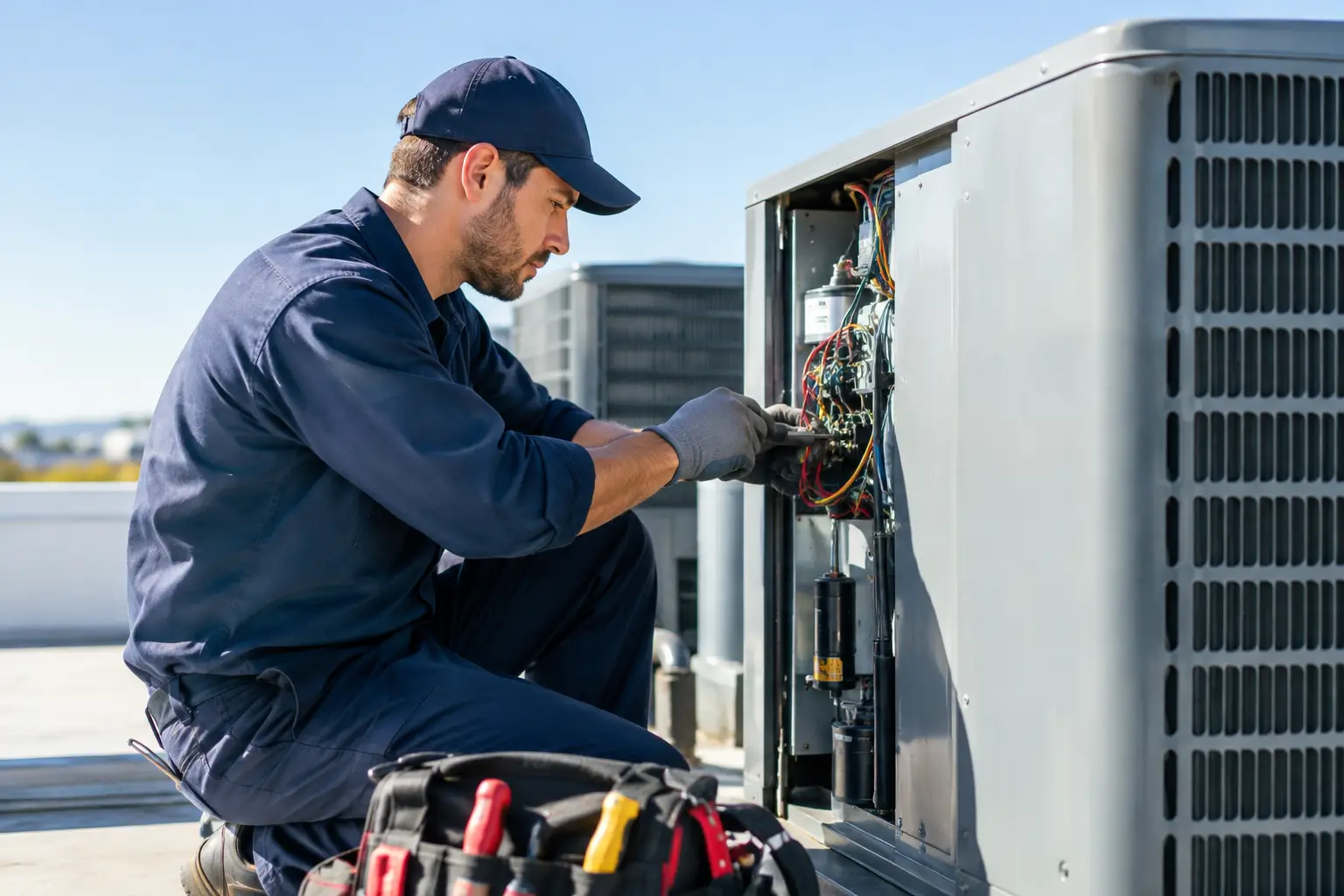
A proper diagnosis starts with safety. A qualified HVAC technician disconnects power, confirms the electrical condition of the unit, and safely discharges the capacitor before testing it. The technician then measures capacitance with the appropriate meter and compares the result to the rating printed on the component.
That rating matters. Capacitors are selected for specific microfarad values and voltage ratings. Installing the wrong part can cause poor performance, motor damage, or another rapid failure. A technician also inspects the capacitor for swelling, leaking, corrosion, burned terminals, or loose connections, but visual condition alone is not enough to confirm whether it is functioning within specification.
The diagnosis should continue beyond the capacitor. Your technician should check the contactor, wiring, motor amperage, condenser coil condition, and system operation after the repair. If a capacitor failed because the fan motor is drawing too much power, identifying that issue now can help prevent another no-cool call soon after.
Repair or Replacement: What Makes Sense?
When the rest of the equipment is in good condition, capacitor replacement is often a practical repair. It is generally far less involved than replacing a motor or compressor, and a correctly matched quality part can restore normal operation quickly.
The answer changes when the capacitor is one of several recurring failures. An older system with a weak compressor, failing fan motor, frequent electrical repairs, or rising cooling costs may deserve a broader conversation. Repair can still make sense when you need to restore comfort immediately, especially if replacement planning will take time. But a trustworthy recommendation should explain the condition of the whole system, the likely next repairs, and the value of continuing to invest in it.
For rental properties and commercial spaces, reliability may carry extra weight. An unexpected shutdown can affect tenants, customers, inventory, or employees. Property managers and business owners often benefit from addressing maintenance concerns before peak weather puts equipment under its greatest strain.
Preventing Another Capacitor Problem
No maintenance plan can guarantee that a capacitor will never fail, but regular service reduces avoidable stress on the system. During an HVAC tune-up, a technician can test electrical components, tighten connections, inspect motor performance, clean the outdoor coil, and confirm that the system is operating within normal ranges.
Homeowners can help by keeping leaves, grass clippings, and stored items away from the outdoor unit. Maintain clear space around the condenser so it can move air freely, and replace indoor air filters on schedule. If you notice new humming, delayed starts, weak airflow, or inconsistent cooling, schedule service before the unit stops on the hottest day of the season.
Get Clear Answers Before a Small Problem Grows
A capacitor issue may be a simple repair, but the right repair begins with a complete diagnosis. Heating and Air Experts provides certified troubleshooting, upfront pricing, and honest guidance for homeowners, property managers, and businesses throughout the Bay Area. If your system is struggling to start or no longer cooling as it should, prompt service can protect your comfort and help prevent added damage to critical HVAC components.