Your air vents are quietly recycling everything that floats through your house — dust, pet dander, pollen, last winter’s mold spores. Most people never think about it until they notice they’re sneezing more in their own living room than anywhere else.
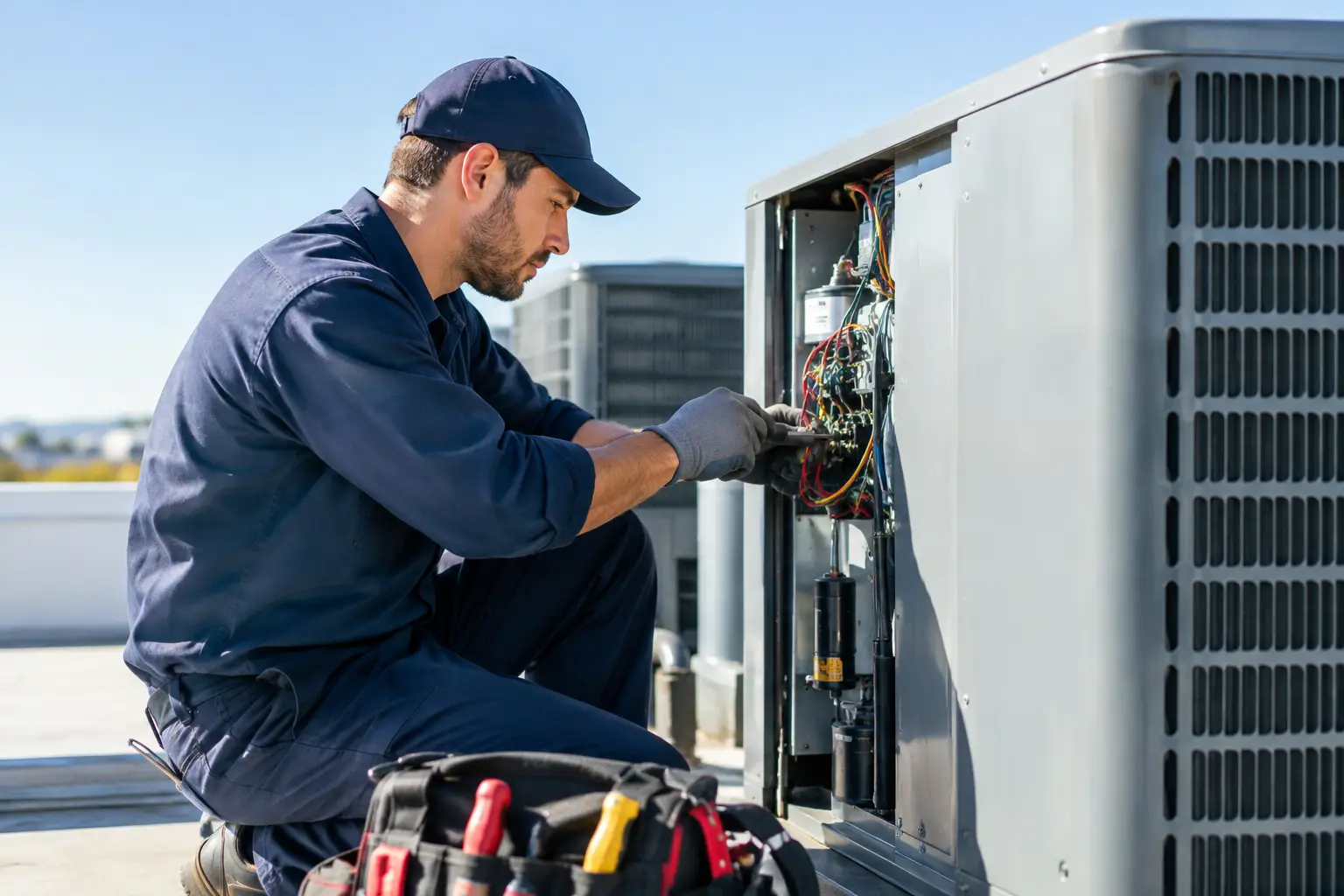
That’s usually the moment they call someone like Heating and Air Experts, our local team that has spent years crawling through Fremont attics and crawlspaces, and the truth is that the inside of a typical home’s ductwork looks nothing like the clean, painted register you see on the wall. This guide walks you through what air vent cleaning actually involves, when it’s genuinely worth the money, and how to pick a service that won’t oversell you. No fluff, no scare tactics — just what we wish more homeowners knew before they picked up the phone.
Why Air Vent Cleaning Matters More Than Most Fremont Homeowners Realize
Here’s a number that surprises people. The U.S. EPA has long pointed out that indoor air can be two to five times more polluted than the air outside, and sometimes worse. Your vents are the highway that pollution travels on. Every time your furnace or AC kicks on, air pulls through the return vents, runs across whatever has settled inside the ducts, and pushes it back out into the rooms where your family breathes.
So when the ductwork is dirty, you’re not just dealing with cosmetic dust. You’re recirculating it on a loop, several times a day, for years.
The Hidden Cost of Dirty Ductwork
Think of your duct system like the arteries of the house. When they’re clear, conditioned air moves freely and your HVAC system barely breaks a sweat. When they’re caked with debris, the blower motor has to work harder to push air through a narrower path.
That extra strain shows up on your utility bill. It also shortens the lifespan of equipment that costs thousands to replace. We’ve opened return vents in older Fremont homes and found a felt-like layer of gray dust so thick it had nearly choked off the airflow entirely. The homeowner had assumed their system was just “getting old.” It wasn’t old. It was clogged.
Fremont’s Climate and What It Does to Your Vents
Fremont sits in a sweet spot of mild weather, but that doesn’t mean your vents get a pass. Our proximity to the bay brings humidity that encourages mold growth inside ducts, especially in homes near Niles or the flatlands closer to the water. Summer also kicks up a steady stream of fine dust and pollen that settles into the system.
Add in the wildfire smoke that has become a recurring fall guest across the Bay Area, and you’ve got a recipe for ductwork that collects far more than the average homeowner expects. Smoke particles are stubborn. They settle deep, and a quick vacuum at the register won’t touch them.
What Actually Happens During a Professional Vent Cleaning
A lot of confusion exists around this service, partly because some companies have made it sound like magic and others have made it sound like a scam. The reality is more grounded. A proper cleaning follows a recognized process, and the National Air Duct Home Air Vent Cleaning Services in Fremont, CA mean.
The Inspection That Comes First
No reputable technician starts cleaning blind. The first step is looking inside the system, usually with a camera, to understand what’s actually there. Is it just dust? Is there visible mold? Has a rodent gotten into the ducts? That inspection shapes everything that follows.
This step matters because it protects you. If a technician shows you photos of genuinely filthy ducts, you can trust the recommendation. If they refuse to show you anything and just quote a price, that’s a flag worth noticing.
The Cleaning Process, Step by Step
Once the inspection is done, the work itself follows a fairly consistent sequence. Here’s how a thorough residential vent cleaning typically unfolds.
Sealing and Setting Up Negative Pressure
The technician connects a powerful, truck-mounted or high-capacity portable vacuum to the system. This creates negative pressure, meaning loosened debris gets pulled toward the collection point rather than scattered into your rooms. Without this step, you’re essentially blowing dust around the house.
Agitating the Debris Loose
Brushes, compressed-air whips, and specialized tools physically knock the built-up grime off the duct walls. Dust doesn’t just float free on its own — it clings. This agitation is the part that separates real cleaning from a surface-level pass.
Cleaning the Components, Not Just the Pipes
A genuine service addresses the supply registers, the return air vents, the blower compartment, and the coils where reachable. The ducts are only one piece. If the blower and coil stay dirty, the system simply re-coats the freshly cleaned ducts within weeks.
Final Inspection and Verification
The job wraps with another look inside to confirm the work held up. Good companies will show you before-and-after footage. You paid for clean ducts, so you deserve proof that you got them.
How to Know When Your Vents Genuinely Need Cleaning
This is where I’ll be straight with you, because the industry doesn’t always shoot straight here. Not every home needs its vents cleaned every year, and anyone telling you otherwise is probably selling harder than they’re advising. The EPA’s own position is that duct cleaning makes sense when there’s a clear reason for it — not as routine maintenance on a perfectly healthy system.
So how do you spot a real reason?
Pay attention to the dust. If you wipe a surface clean and it’s gray again within a day or two, your vents may be redistributing debris faster than you can keep up. Notice your allergies, too. When symptoms flare worse indoors than outside, the air being pushed through your home is a likely suspect.
Then there are the obvious triggers. Visible mold around the registers, a musty smell that returns every time the system runs, evidence of insects or rodents, or a recent renovation that filled the house with drywall dust — these are all legitimate calls for a cleaning. So is moving into a home where you have no idea when, or whether, the ducts were ever serviced.
How Often Is Often Enough
For most Fremont households, every three to five years strikes a sensible balance. Homes with pets, smokers, or family members who have asthma or strong allergies lean toward the shorter end of that range. If nobody in the house has issues and the system runs clean, you can comfortably stretch the interval.
The honest answer is that your home tells you when it’s time. Trust what you see and smell over a calendar reminder.
Choosing the Right Air Vent Cleaning Service in Fremont
This part trips people up more than the professional air vent cleaning services itself, because the field includes both genuine professionals and outfits running too-good-to-be-true ads. A little knowledge goes a long way toward landing with the right crew.
What Separates a Real Pro From a Quick Buck
Certification is the clearest signal. NADCA membership means a company has agreed to follow established standards and that its technicians have been trained to do the work properly. It isn’t a guarantee of perfection, but it filters out a lot of the fly-by-night operators.
Beyond credentials, watch how a company communicates. Do they inspect before quoting? Do they explain what they’re doing in plain language? Will they put the scope in writing? A team that answers your questions patiently is showing you the kind of service you’ll get on the job.
Local roots matter as well. A company that knows Fremont’s housing stock — the older Centerville bungalows, the newer developments out toward Warm Springs — understands the quirks of the systems they’ll encounter. That familiarity translates into faster, cleaner work.
The Pricing Conversation and the Bait-and-Switch Trap
You’ve probably seen those flashy coupons promising a whole-home cleaning for $79. Treat them with deep suspicion. That price almost never covers an actual NADCA-standard cleaning, and the common pattern is a technician arriving and “discovering” hundreds of dollars in mandatory add-ons.
A fair quote for a thorough residential job in the Fremont area generally runs higher than those teaser prices, and it should be transparent about what’s included — number of vents, components covered, and any sanitizing treatments. When the number reflects the real work, you tend to get the real work.
Air Vent Cleaning, Your Health, and Your Energy Bill
Two benefits drive most of the calls we get, and they’re worth understanding on their own terms rather than as marketing promises.
Breathing Easier, Literally
For households dealing with allergies or asthma, the connection is direct. Clean ducts mean fewer airborne allergens cycling through living spaces. While vent cleaning isn’t a cure for any condition, plenty of homeowners tell us their morning congestion eased once the system stopped acting as a dust distributor. The improvement is real even if it’s hard to measure with a number.
Families with young kids, elderly relatives, or anyone with a compromised respiratory system tend to feel the difference most. Those are the people whose lungs are most sensitive to what’s floating in the air.
A System That Works Less to Do More
There’s an efficiency angle that often gets overlooked. When air moves freely through clean ducts and across clean coils, your HVAC system reaches the temperature you set with less effort. Less effort means less runtime, and less runtime means a lower bill and less wear on the equipment.
It compounds over time. A system that isn’t fighting its own dirty ductwork simply lasts longer, and replacing a furnace or condenser is a far bigger expense than maintaining the ducts that feed it.
Conclusion
Air vent cleaning isn’t something you need to obsess over, but it isn’t a gimmick either. Somewhere in the middle sits the sensible truth: when your home shows real signs stubborn dust, lingering smells, allergy flare-ups, visible build up getting your vents professionally cleaned is one of the most cost-effective things you can do for your air and your equipment.
Start by paying attention to what your home is telling you. Then, when the signs add up, bring in a certified home air vent cleaning services team that inspects first, explains clearly, and proves the result. Ask to see the before-and-after footage. Ask about NADCA standards. A company worth hiring will welcome those questions.
If you’re ready to find out what’s actually inside your ducts, schedule an inspection with a trusted Fremont provider and let the camera make the case. Your lungs, and your utility bill, will thank you.
Frequently Asked Questions
How long does a typical home air vent cleaning take in Fremont?
Most single-family homes take between two and four hours, depending on the size of the house, the number of vents, and how much buildup the technician finds during the inspection.
Does air vent cleaning really improve indoor air quality?
It can, especially when the system has visible debris, mold, or has gone years without service. Cleaning removes the contaminants your HVAC system would otherwise keep recirculating, though it works best alongside a good filter and regular maintenance.
How often should I clean my air vents?
For most Fremont homes, every three to five years is reasonable. Households with pets, smokers, or allergy sufferers should lean toward the shorter end of that window.
Is duct cleaning the same as dryer vent cleaning?
No. Duct cleaning addresses your heating and cooling system, while dryer vent cleaning clears the lint passage from your clothes dryer. Both improve safety and efficiency, but they’re separate services with different tools.
Why are some vent cleaning coupons so cheap?
Extremely low prices are often bait. The teaser rate rarely covers a complete, standards-based cleaning, and you may face surprise add-on charges once the technician arrives. A transparent, itemized quote is the safer choice.