Your thermostat is the brain of your entire heating and cooling system, yet most people in Danville never think about it until the house feels wrong. The temperature reads 72 but you’re shivering. The furnace runs all night and your energy bill doubles. At Heating and Air Experts, we’ve walked into hundreds of Danville homes where the “broken HVAC system” turned out to be nothing more than a misbehaving thermostat and that small fix saved homeowners thousands.
This guide breaks down everything you’d actually want to know about thermostat repair services in Danville, CA. Not the sales pitch. The real stuff: how to tell what’s wrong, what a fair repair looks like, when to replace instead of fix, and how the local climate quietly shapes all of it.
Why a Faulty Thermostat Causes More Damage Than People Realize
A thermostat doesn’t just set the temperature. It tells your furnace and air conditioner when to start, how long to run, and when to stop. When that signal gets scrambled, the whole system suffers — and so does your wallet.
Think of it like the conductor of an orchestra. If the conductor loses the beat, it doesn’t matter how talented the musicians are. Everything falls apart. A failing thermostat sends bad cues to perfectly healthy equipment, which leads to short cycling, uneven temperatures, and components wearing out years ahead of schedule.
The Hidden Costs of Ignoring Thermostat Problems
We once helped a family near Blackhawk who’d been running their AC nonstop through a heat wave. They assumed the unit was dying. The real culprit was a thermostat with a corroded sensor reading the room four degrees warmer than it actually was. The system never reached its “target,” so it never shut off.
That single faulty reading was burning energy around the clock. According to the U.S. Department of Energy, you can save roughly 10% a year on heating and cooling simply by managing temperature setpoints correctly — and a broken thermostat erases that benefit entirely. Multiply a stuck system across a Danville summer and you’re looking at hundreds of dollars in waste, plus the long-term strain on a compressor that was never meant to run flat out.
How Danville’s Climate Plays a Role
Danville sits in a microclimate that swings hard between hot, dry summers and cool, damp winters. That range puts unusual demand on Thermostat Repair Services in Danville, CA . Equipment that handles a mild coastal climate just fine can stumble here, where the system flips between heavy cooling and steady heating within the same season.
Older mercury and early digital thermostats especially struggle with these swings. They lose calibration, misread humidity shifts, and start guessing. In our experience servicing East Bay homes, climate stress is one of the most underrated reasons a thermostat that “worked fine for years” suddenly goes haywire.
Common Thermostat Problems We See in Danville Homes
Most thermostat issues fall into a handful of recognizable patterns. Knowing them helps you describe the problem clearly when you call, and it helps you spot whether a technician is being straight with you.
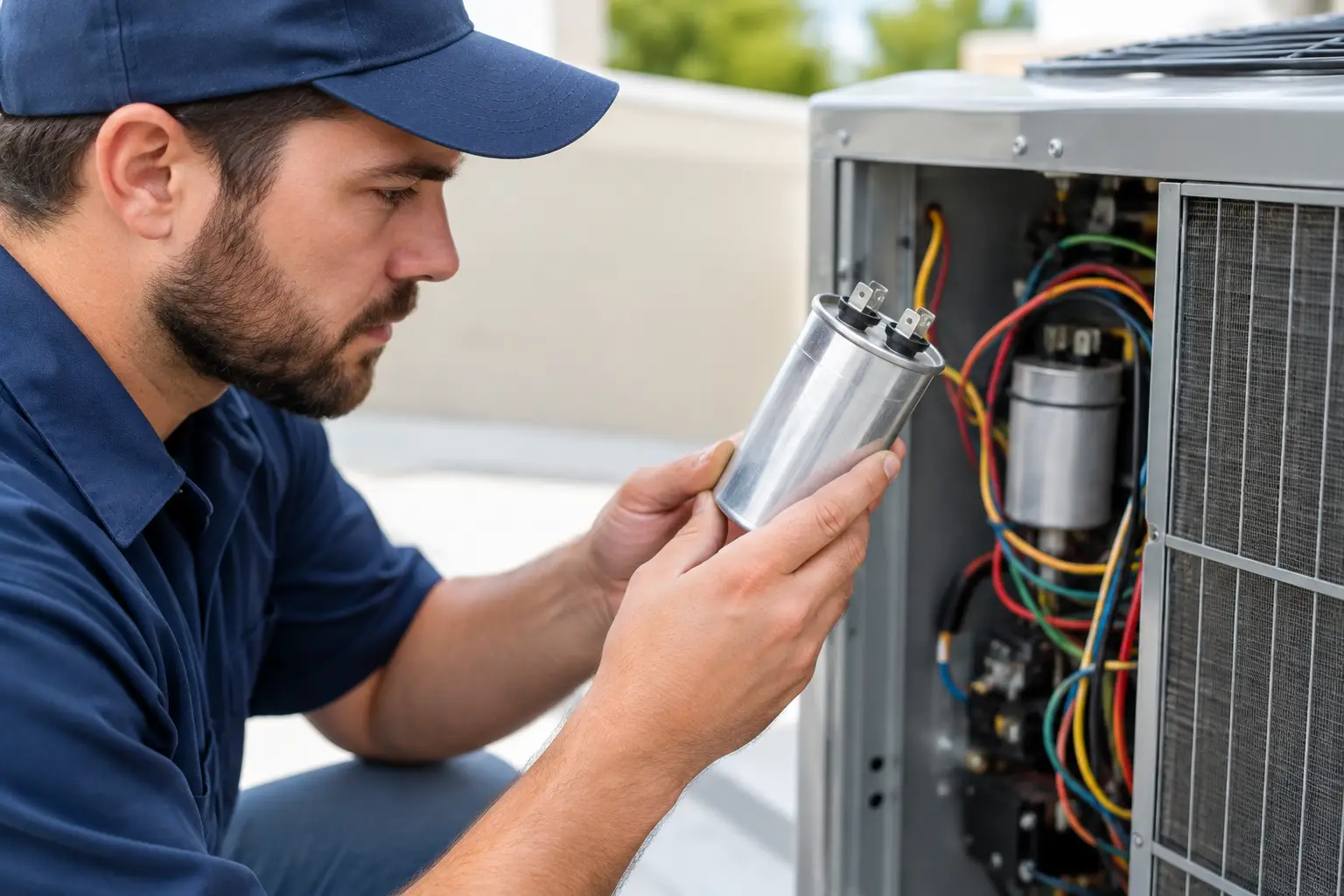
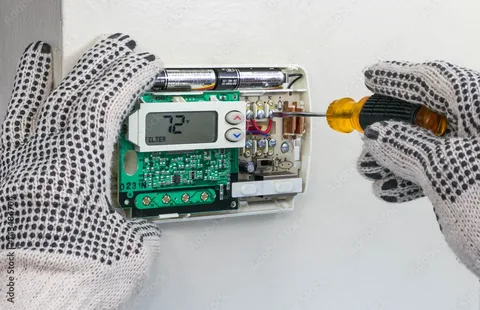
A blank or unresponsive display is the one homeowners notice first. Sometimes it’s dead batteries. Sometimes it’s a tripped breaker or a blown low-voltage fuse inside the air handler. Other times the wiring has corroded at the terminals. The fix ranges from two minutes to a genuine repair, which is exactly why a proper diagnosis matters.
Then there’s the temperature mismatch — the thermostat insists it’s 70 while you’re reaching for a sweater. This usually points to a calibration drift or a failing internal sensor. It’s subtle, it’s gradual, and it quietly wrecks your comfort and your bills before you ever connect the dots.
Short Cycling and Constant Running
Short cycling is when your system turns on and off in rapid bursts, never completing a full heating or cooling cycle. The opposite problem — a system that simply won’t shut off — is just as common. Both often trace back to the thermostat rather than the furnace or AC.
We treat these as urgent. Rapid cycling hammers the compressor and the igniter, the two most expensive parts in the whole setup. A homeowner who waits “to see if it sorts itself out” frequently ends up paying for a major component instead of a minor repair.
Wiring, Compatibility, and Smart Thermostat Glitches
The rise of smart thermostats brought a new category of headaches. A Nest, Ecobee, or Honeywell unit can refuse to power up because the home lacks a common wire (the “C-wire”) to keep it charged. Others lose Wi-Fi, drop their schedules, or fight with older HVAC equipment that was never designed for them.
These aren’t always defective units. More often it’s a compatibility or installation gap. A good thermostat repair service in Danville should diagnose whether the device itself failed or whether the wiring behind it is the real problem — because replacing a perfectly fine smart thermostat fixes nothing if the wiring is the issue.
The Professional Thermostat Repair Process, Step by Step
People often ask what they’re actually paying for when a technician shows up. Transparency builds trust, so here’s how a thorough repair visit typically unfolds.
Step 1: Diagnosis and Testing
The technician confirms the Thermostat Repair Services is getting power, checks voltage at the terminals, and verifies the signal is reaching the furnace or air handler. This rules out whether the problem is the thermostat, the wiring, or the equipment downstream.
Step 2: Calibration and Sensor Check
If the device powers on but reads incorrectly, calibration comes next. A reliable second thermometer gets placed nearby to measure the true room temperature against what the unit reports. A drift of more than a degree or two signals a sensor or calibration fault.
Step 3: Wiring Inspection and Repair
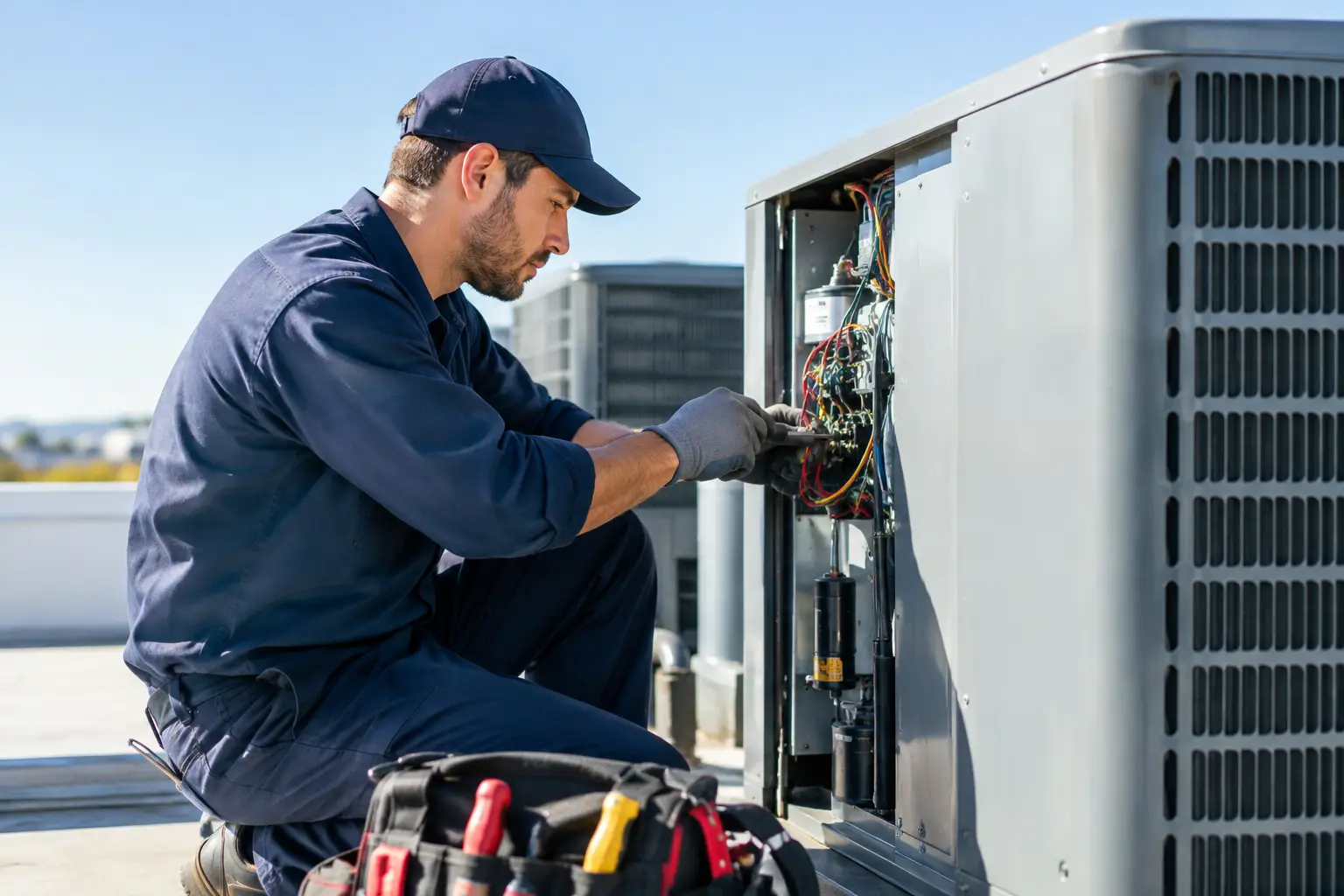
Loose, corroded, or miswired terminals cause a surprising share of failures. The tech tightens connections, cleans corrosion, and confirms each wire lands on the correct terminal. On smart-thermostat jobs, this is also where C-wire issues get addressed.
Step 4: Verification and Cycle Test
Finally, the system runs through a full heating and cooling cycle to confirm everything responds correctly. A repair isn’t finished when the screen lights up — it’s finished when the system reliably starts, holds temperature, and shuts off on command.
This methodical approach reflects standard HVAC industry practice and aligns with guidance from organizations like ACCA (Air Conditioning Contractors of America), whose protocols emphasize verifying the whole control loop, not just the visible device.
Repair or Replace? Making the Smart Call
Not every thermostat is worth saving, and an honest contractor will tell you when repair stops making financial sense. We use a simple rule of thumb, and you can too.
If your thermostat is under roughly ten years old, the repair is minor, and the unit is otherwise reliable, fixing it is almost always the right move. Replacing a working device because of a loose wire is wasteful and unnecessary.
Replacement starts to make sense when the unit is aging, the repair cost approaches the price of a new model, or the technology is simply outdated. An old manual dial thermostat can’t offer scheduling, remote control, or the efficiency gains a modern unit delivers.
When Upgrading to a Smart Thermostat Pays Off
For many Danville homeowners, a repair visit becomes the natural moment to upgrade. Smart thermostats learn your routine, adjust automatically, and let you control the house from your phone. Given how sharply Danville’s temperatures swing across the day, that automation translates into real comfort and savings.
The efficiency case is well documented. ENERGY STAR–certified smart thermostats are tested to deliver meaningful annual energy savings when used as intended. For a household running both heating in winter and steady cooling through hot inland summers, those savings stack up quickly.
Factors Worth Weighing Before You Upgrade
The decision isn’t purely about price. Consider whether your existing HVAC system is compatible, whether your home has the wiring a smart unit needs, and how comfortable you are with app-based controls. A short conversation with a qualified technician usually clears this up fast and prevents an expensive mismatch.
How to Choose a Trustworthy Thermostat Repair Service in Danville
The hard part isn’t finding someone to fix a thermostat. It’s finding someone who’ll diagnose honestly instead of upselling a replacement you don’t need. A few signals separate the pros from the rest.
Look for proper California licensing and insurance first — it protects you and signals legitimacy. Local experience matters too, because a company that knows Danville’s housing stock and climate quirks diagnoses faster and more accurately than a generalist passing through.
Pay attention to how they communicate. A technician who explains the problem in plain language, shows you the faulty component, and walks you through your options is demonstrating the kind of expertise and transparency you want. Vague answers and pressure to replace everything are red flags.
What Reputable Companies Do Differently
The best local providers stand behind their work with clear warranties and upfront pricing. They don’t quote a number over the phone before seeing the system, and they don’t bury surprises in the final bill.
At Heating and Air Experts, we’ve built our reputation in the East Bay on exactly that approach — diagnose first, explain clearly, repair what’s broken, and only recommend replacement when it genuinely serves the homeowner. That philosophy is what turns a one-time repair call into a relationship that lasts years.
Conclusion
A thermostat is a small device with an outsized impact on your comfort, your energy bills, and the lifespan of your HVAC system. The Danville homeowners who treat thermostat trouble seriously instead of waiting it out almost always spend less and stay more comfortable than those who ignore it.
If your display has gone dark, your readings feel off, or your system can’t seem to settle, get it looked at before it strains the expensive equipment downstream. A quick, honest diagnosis today is far cheaper than a compressor replacement next month. When you’re ready for a clear answer and a fair repair, reach out to a trusted local thermostat cleaning services team and get your home back to comfortable.
Frequently Asked Questions
How much does thermostat repair cost in Danville, CA?
Most thermostat repairs are affordable, especially when the issue is wiring, batteries, or calibration. Costs rise if a sensor fails or the unit needs replacing. A proper diagnosis gives you an exact figure before any work begins.
Can I fix my thermostat myself?
Some basics are DIY-friendly — replacing batteries or resetting a tripped breaker. Anything involving wiring, voltage, or calibration is best left to a licensed technician, since low-voltage mistakes can damage your HVAC system or create safety risks.
How do I know if it’s the thermostat or the HVAC system?
That’s exactly what a diagnostic visit determines. A technician tests power, voltage, and signal flow to isolate whether the fault sits in the thermostat, the wiring, or the equipment itself. Guessing usually leads to paying for the wrong fix.
How long does a thermostat last? Most units last around ten years, though smart thermostats with regular software support can run longer. Frequent miscalibration, blank screens, or erratic behavior often signal that a unit is nearing the end of its useful life.
Is it worth upgrading to a smart thermostat?
For most Danville homes, yes. The local climate’s wide temperature swings make automated scheduling genuinely useful, and ENERGY STAR–certified models are tested to deliver real annual energy savings when properly set up.
Why does my thermostat show the wrong temperature?
Usually a calibration drift or a failing internal sensor. It’s a common, fixable problem, but it quietly wastes energy and hurts comfort until it’s corrected, so it’s worth addressing sooner rather than later.
Do I need a C-wire for a smart thermostat?
Many smart thermostats need a C-wire for steady power, though some include adapters or alternative solutions. A technician can confirm what your home’s wiring supports before you buy or install a new unit