Your thermostat is the brain of your entire heating and cooling system, yet most people never think about it until the screen goes dark or the house refuses to hit the temperature they set. That moment usually arrives at the worst possible time. At Heating and Air Experts, we’ve answered enough panicked San Jose calls during a July heat wave to know that a small thermostat glitch can snowball into an uncomfortable, expensive problem fast.
This guide walks you through how thermostat repair actually works, what tends to break in our local climate, and how to tell the difference between a quick fix and a sign your HVAC system needs a closer look. Think of it as the conversation you’d have with a technician friend who isn’t trying to upsell you.
Why Thermostats Fail More Often Than People Expect
A thermostat looks simple from the outside. A small panel on the wall, a few buttons or a touchscreen, a temperature reading. Underneath that calm surface sits a network of low-voltage wires, sensors, and logic that has to talk perfectly with your furnace, air conditioner, or heat pump. When any link in that chain weakens, the whole system gets confused.
San Jose adds its own wrinkles. Our mild winters and dry, warm summers mean systems cycle on and off in ways that stress thermostats differently than they would in a place with harsh seasons. Dust from the dry months settles into wall units. Older homes in neighborhoods like Willow Glen or Rose Garden often run on wiring that predates modern smart thermostats entirely.
The Most Common Symptoms We See on Service Calls
When a homeowner tells us “my thermostat isn’t working,” they usually mean one of a handful of things. The screen has gone blank. The temperature reading looks wrong. The system runs nonstop or won’t turn on at all. Or the unit keeps losing its programmed schedule.
Each of those points to a different root cause, and that’s the part most online checklists skip. A blank screen often traces back to dead batteries or a tripped breaker, but it can also signal a blown low-voltage fuse on the furnace control board. A system that short cycles, turning on and off every few minutes, frequently has a thermostat placed in a bad spot, like near a sunny window or a kitchen.
When the Problem Isn’t the Thermostat at All
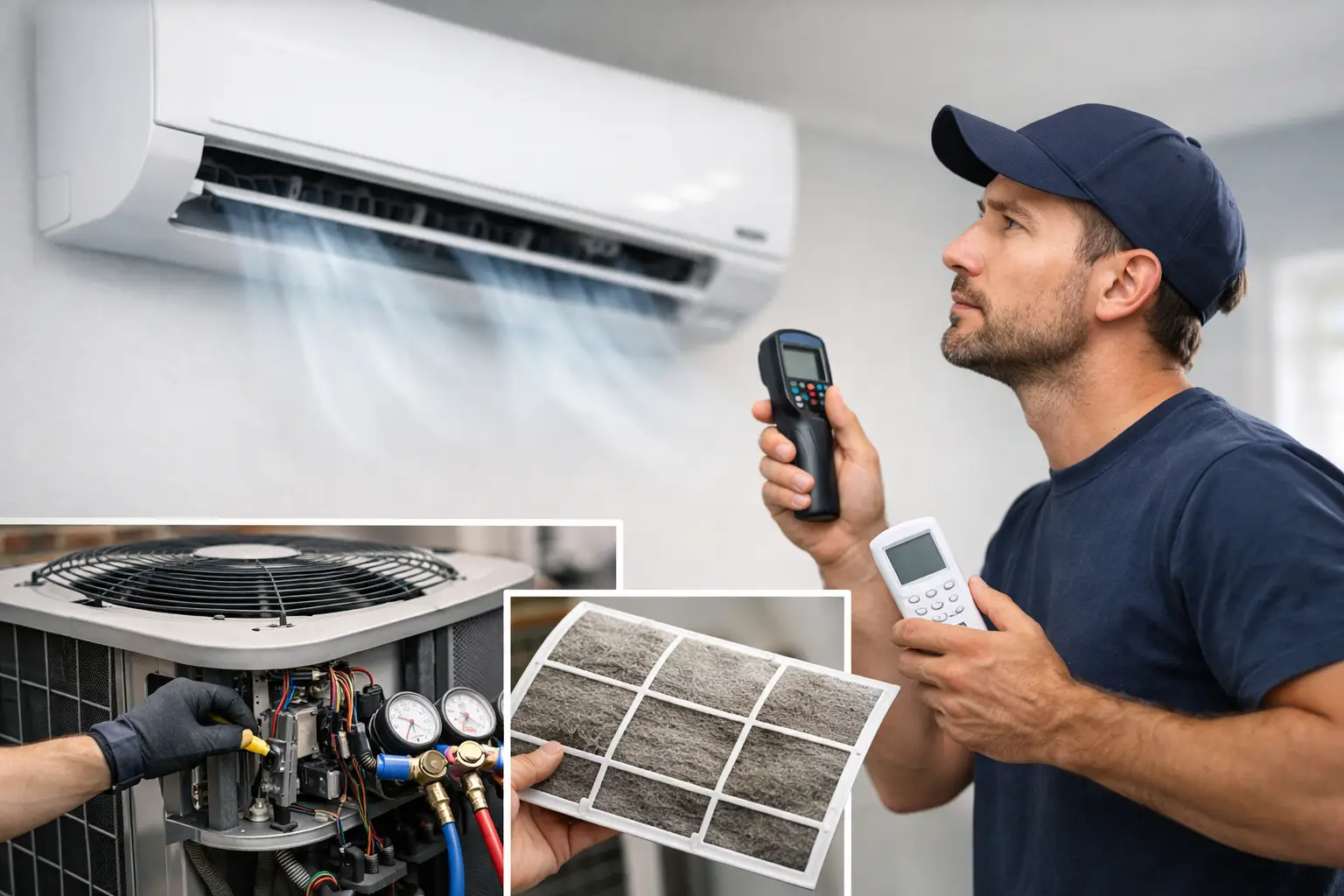
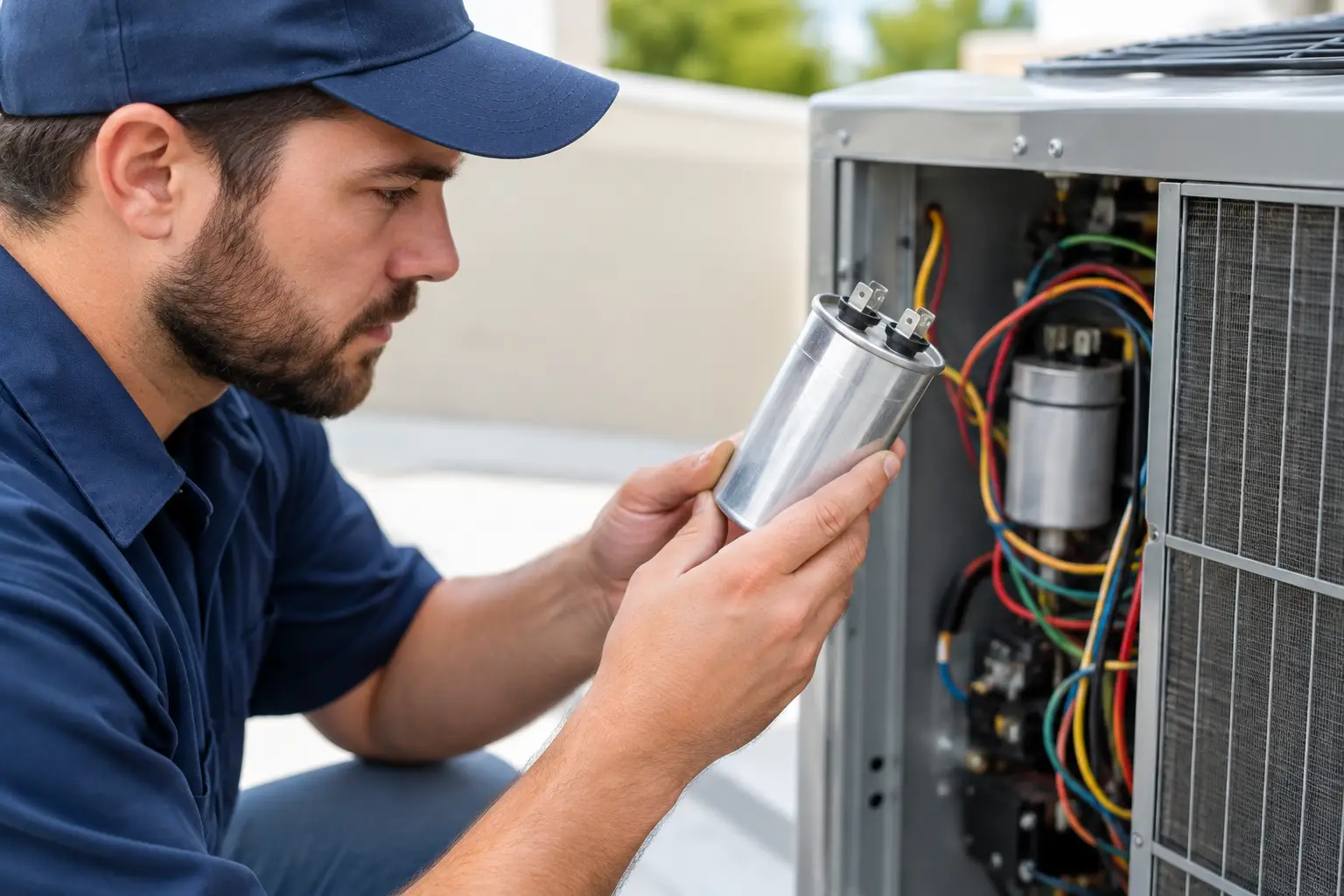
Here’s something we tell every customer: roughly a third of the “broken thermostat” calls we run end with us finding a healthy thermostat and an unrelated HVAC fault. A failing capacitor, a clogged condensate line, or a dirty flame sensor can all mimic thermostat trouble.
That’s why a good repair starts with diagnosis, not replacement. Swapping the thermostat on a system with a deeper issue is like changing the light bulb when the wiring is the real problem. You spend money and the symptom comes right back.
How Professional Thermostat Repair Actually Works
People imagine Home Thermostat Repair Services in San Jose, CA as a five-minute swap, and sometimes it is. More often, a proper visit follows a structured process that protects you from paying twice for the same problem. Industry technicians generally lean on a diagnostic approach similar to the ACCA (Air Conditioning Contractors of America) service standards, which prioritize verifying the fault before touching parts.
Step-by-Step: What a Quality Diagnostic Looks Like
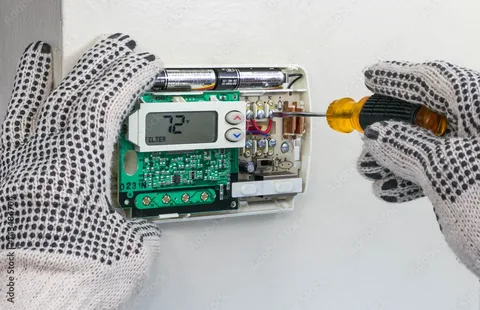
Step one, confirm power and wiring
A technician first checks that the thermostat is getting steady 24-volt power and that the C-wire, the common wire that modern smart thermostats need, is present and connected. Plenty of older San Jose homes never had a C-wire run, which is the single most common reason a new Nest or Ecobee won’t behave.
Step two, test calibration and sensors
Next comes calibration. A thermostat reading three or four degrees off throws your comfort and your energy bills out of balance. We compare the displayed temperature against a calibrated instrument and adjust or replace the sensor if the gap is real.
Step three, verify the call signals
Finally, the tech triggers a heating and a cooling call to confirm the thermostat is actually sending the right signal to the equipment. This is where hidden faults surface, because a thermostat can look fine and still fail to communicate under load.
Repair Versus Replacement, and How to Decide
A repair makes sense when the unit is mechanically sound and the fault is isolated, like a loose wire or a calibration drift. Replacement becomes the smarter call when the thermostat is more than ten years old, incompatible with your system, or so basic that an upgrade would pay for itself in saved energy.
The U.S. Department of Energy estimates that a properly used programmable thermostat can save around 10 percent a year on heating and cooling costs. With PG&E rates among the highest in the country, that percentage translates into real dollars for a San Jose household, which often tilts the math toward upgrading rather than nursing an old dial along.
Smart Thermostats in San Jose Homes: Worth It or Hype?
Smart thermostats get talked about like magic boxes, and the marketing can be exhausting. The honest answer is that they help a lot of homes and frustrate a few. The difference usually comes down to installation and how the household actually lives.
Where Smart Thermostats Genuinely Shine
For families with irregular schedules, a learning thermostat like a Nest or an Ecobee earns its keep. It studies when you’re home, adjusts automatically, and lets you fix a forgotten setting from your phone while you’re stuck on the 101.
Pairing one with a PG&E time-of-use rate plan adds another layer of savings. The thermostat can pre-cool the house before the expensive peak window hits in the late afternoon, then coast through the costly hours. We’ve watched customers shave noticeable amounts off summer bills with nothing more than smarter timing.
The Installation Catch Most Articles Ignore
Smart thermostats assume your home has the wiring they expect, and many don’t. When the C-wire is missing, you either run a new one, use an adapter, or risk the thermostat repeatedly losing power and rebooting. We generally favor running the proper wire because adapters can cause flaky behavior on multi-stage furnaces and heat pumps.
Heat pump systems, which are growing fast across the South Bay as homeowners electrify, need a thermostat configured for their specific staging and auxiliary heat. A misconfigured smart thermostat on a heat pump can quietly run expensive backup heat far more than it should, and the homeowner only notices when the bill arrives.
Choosing a Thermostat Repair Service You Can Actually Trust
Anyone can swap a thermostat. The harder thing to find is a company that diagnoses honestly and stands behind the work. Since most homeowners only deal with this once every several years, knowing what separates a real pro from a parts-changer matters.
Credentials and Local Track Record
Look for technicians who hold proper licensing through the California Contractors State License Board and carry manufacturer training for the brands they install. A company rooted in San Jose understands the housing stock, the common wiring quirks, and the way our climate stresses equipment, which a national call-center outfit simply won’t.
Transparency on Pricing and Process
A trustworthy service explains the diagnosis before the repair and gives you the repair-versus-replace tradeoff in plain language. Be cautious with any technician who recommends a full thermostat replacement within two minutes of walking in without testing anything. That speed is a red flag, not efficiency.
What Thermostat Repair Typically Costs
Pricing varies with the fault, but a basic repair such as rewiring or recalibration generally lands in a modest range, while a full smart thermostat installation with new wiring costs more because of the labor involved. The fairest companies bundle the diagnostic fee into the repair when you proceed, so you’re not paying twice. Always ask how the diagnostic charge is handled before booking.
Simple Habits That Keep Your Thermostat Healthy Longer
A little maintenance prevents most of the calls we run. None of this requires tools or expertise, and it stretches the life of both your thermostat and the system it controls.
Keep the area around the thermostat clear and clean, since dust buildup interferes with the sensor. Replace batteries once a year even if the unit hasn’t complained yet, because a slowly dying battery causes erratic behavior that looks like a bigger failure. Change your HVAC air filter on schedule, because a choked filter makes the system struggle in ways the thermostat then reports as faults.
If your thermostat sits in direct sunlight or right above a heat-producing appliance, that placement alone can cause inaccurate readings and constant cycling. Moving it during a service visit is often the cheapest comfort upgrade available.
Conclusion
Your thermostat quietly runs the most expensive system in your home, so treating its problems seriously pays off. When something feels off, resist the urge to immediately rip it off the wall and buy a replacement online. Start with the simple checks, batteries, breaker, filter, and if the issue persists, get a real diagnosis from someone who tests before they sell.
If you’re in San Jose and your system is acting up, reach out to a licensed local Home Thermostat Repair Services in San Jose, CA team like Heating and Air Experts for a proper evaluation. The goal isn’t just to make the screen light up again. It’s to confirm your whole HVAC system is healthy, your home stays comfortable, and your energy bills stay as low as our high local rates allow. A thermostat fixed the right way is one less thing you’ll have to think about for years.
Frequently Asked Questions
Why is my thermostat screen blank in my San Jose home?
A blank screen usually points to dead batteries, a tripped breaker, or a blown low-voltage fuse on the furnace control board. Replace the batteries and check the breaker first. If it stays dark, the fuse or wiring likely needs a technician.
How much does thermostat repair cost in San Jose, CA?
A basic repair like recalibration or rewiring sits in a modest range, while a smart thermostat installation requiring new wiring costs more due to labor. Many companies fold the diagnostic fee into the repair if you proceed, so ask about that upfront.
Should I repair or replace my thermostat?
Repair makes sense for an isolated fault on a sound, modern unit. Replace it if the thermostat is over ten years old, incompatible with your system, or so basic that a programmable upgrade would quickly pay for itself in energy savings.
Can I install a smart thermostat myself?
Sometimes, if your home already has a C-wire and a compatible system. The trouble starts with missing wiring or heat pump setups, where a misconfiguration quietly runs expensive backup heat. For those cases, professional installation protects your comfort and your bills.
Why does my thermostat keep losing its schedule or rebooting?
This often signals a missing or loose C-wire, which leaves a smart thermostat without steady power. It pulls power intermittently, then resets. Running a proper common wire usually solves it for good.