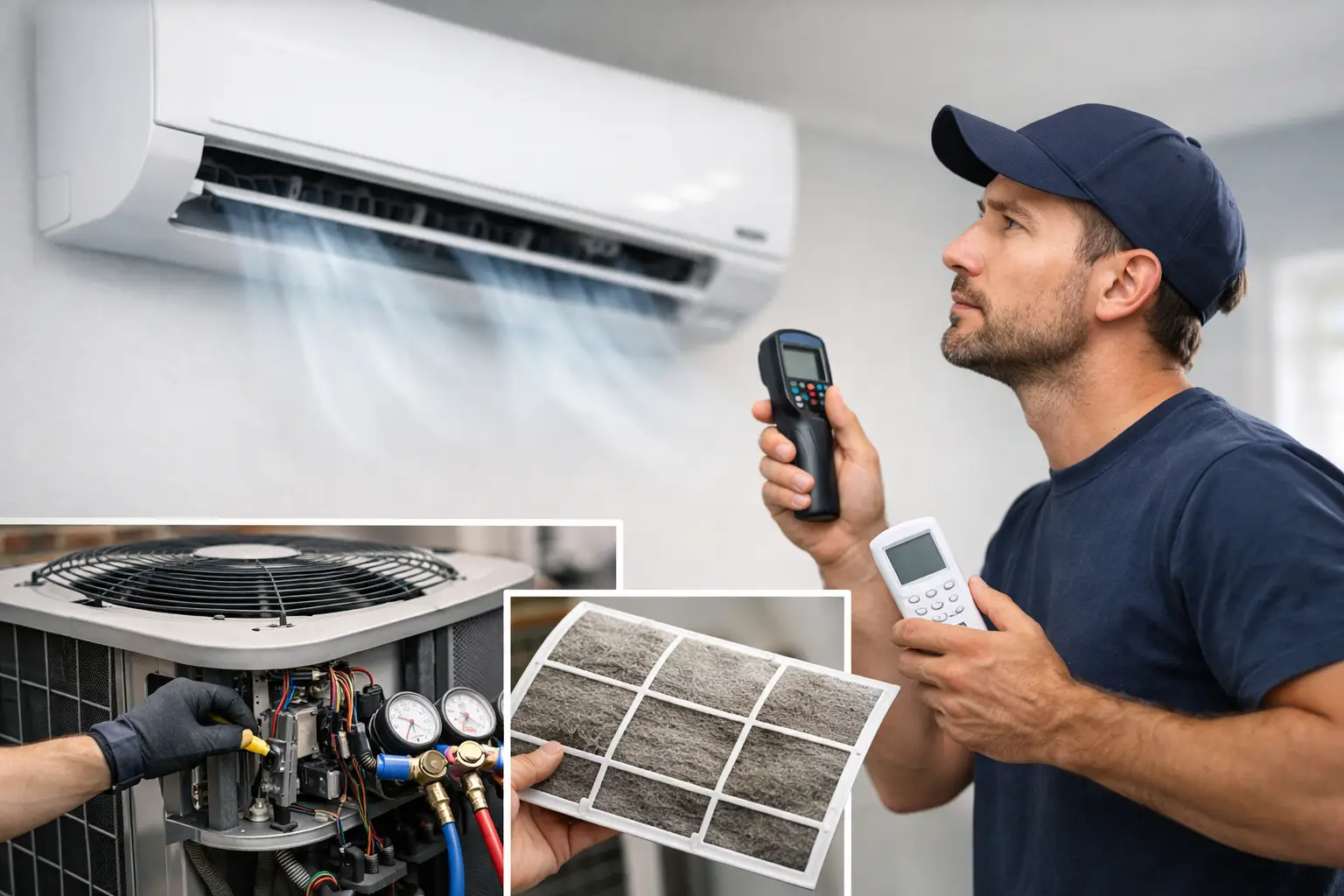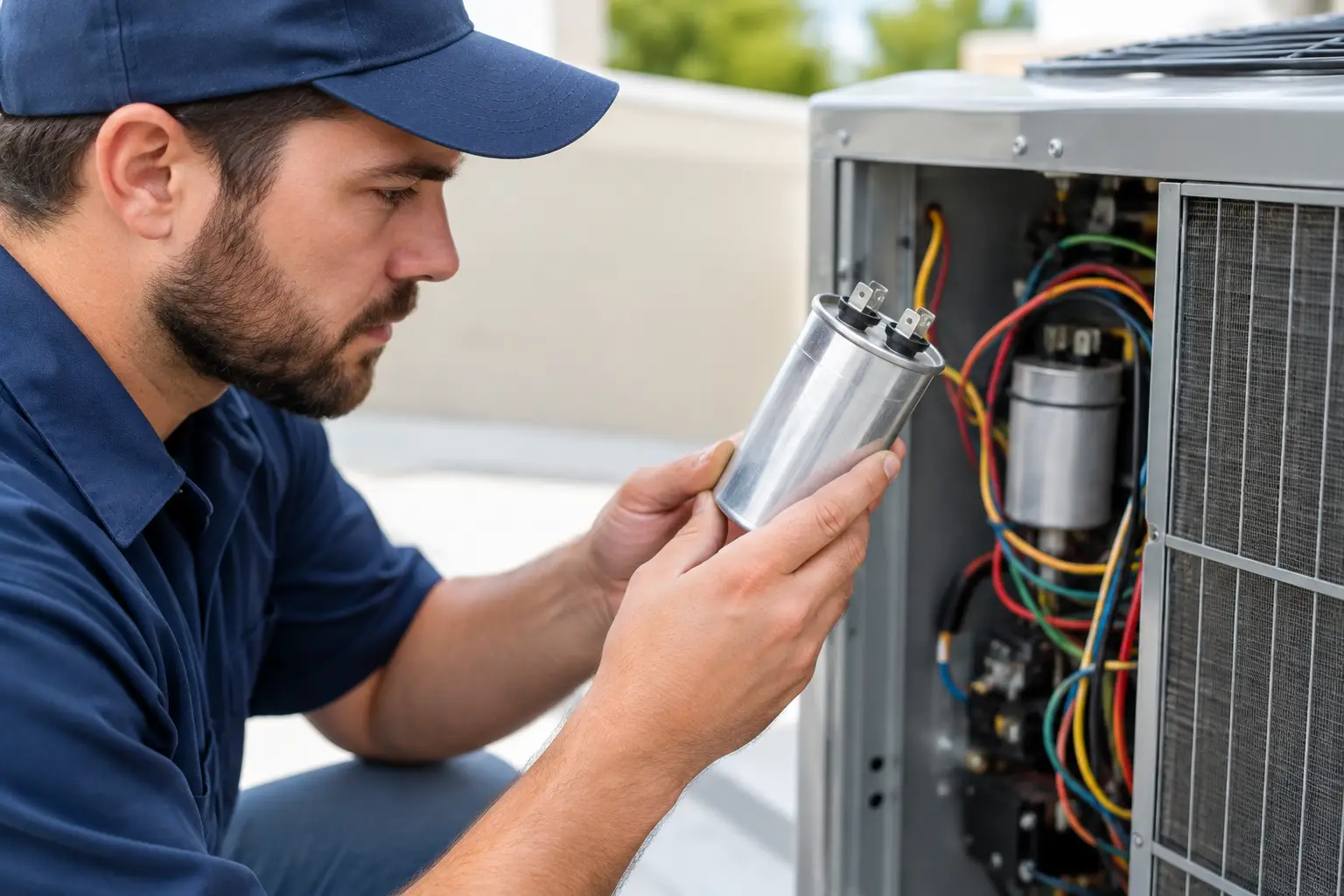
Most people don’t think about their heater until the night it quits — usually the coldest one. By then you’re scrolling through search results at 11 p.m., trying to figure out who to trust, and that’s exactly the wrong moment to make a five-figure decision. At Heating and Air Experts, we’ve walked into enough Fremont homes mid-emergency to know that the contractor you pick shapes how warm, safe, and affordable your home stays for the next 15 years. This guide is meant to fix that — to help you choose well before the cold snap hits.
I’ll be honest with you the way I’d talk to a neighbor over the fence. No fluff, no sales pitch. Just what actually matters when you’re hiring someone to install, repair, or maintain a residential heating system in the Bay Area.
Why the Right Heating Contractor Matters More Than You Think
People assume heating is heating. You buy a box, someone bolts it in, warm air comes out. If only it were that simple. The truth is that two installers can put the same furnace in the same house and produce wildly different results one home stays comfortable and cheap to run, the other develops cold rooms, short cycling, and a utility bill that creeps up every year.
The contractor is the variable. The equipment matters, sure, but workmanship matters more.
Fremont’s Mild Climate Hides Real Heating Challenges
Fremont sits in a pocket of the Bay Area with genuinely pleasant weather. Winters rarely dip below the low 40s, and a hard freeze is news. That mildness fools a lot of homeowners into thinking sizing doesn’t matter.
It does just in the opposite direction you’d expect.
Because Fremont doesn’t demand brutal heating capacity, Residential Heating Contractors in Fremont, CA furnaces are a chronic problem here. A unit that’s too big roars to life, overheats the thermostat’s little corner of the house, then shuts off before the rest of the rooms catch up. That’s called short cycling, and it wears out equipment, wastes gas, and leaves you weirdly cold despite a heater that’s “working.” A contractor who knows the local climate sizes down, not up.
What a Bad Hire Actually Costs You
I once saw a homeowner near Mission San Jose pay for a brand-new high-efficiency furnace that ran like a budget model for three years. The problem wasn’t the furnace. The original installer skipped the load calculation, slapped in an oversized unit, and never sealed the ductwork. The fix cost nearly as much as the original job.
That’s the real price of cutting corners — you pay twice. Once for the mistake, once to undo it.
What Separates a Qualified Heating Contractor From the Rest
Anyone can print business cards. Fewer can prove they belong in your mechanical room. Here’s how the genuinely good ones stand apart.
Licensing, Bonding, and Insurance in California
In California, HVAC work requires a C-20 license from the Contractors State License Board. This isn’t a formality. The license means the contractor passed trade and law exams and carries the bond the state requires. You can verify any license number for free on the CSLB website in under a minute and you absolutely should.
Skip this step and you’re gambling. An unlicensed handyman might be cheaper on day one, but if a gas line is mishandled or the install fails inspection, you’re the one holding the liability. Reputable contractors also carry general liability insurance and workers’ comp, which protects you if someone gets hurt on your property.
Certifications That Actually Carry Weight
A C-20 gets a contractor in the door. Certifications tell you how seriously they take the craft.
NATE certification (North American Technician Excellence) is the gold standard for individual technicians, because it tests real diagnostic and installation skill rather than just licensing basics. EPA 608 certification is legally required for anyone handling refrigerants, which matters the moment heat pumps enter the conversation. When a company invests in keeping its people certified, that tells you something about how they treat the work.
Experience With Fremont’s Specific Housing Stock
Fremont’s neighborhoods are a patchwork mid-century ranches in Centerville, newer builds in Warm Springs, dense townhomes near the BART corridor. Each has its quirks. An older Niles home might have undersized return ducts; a newer tract house might have a sealed attic that changes how a furnace breathes.
A contractor who’s worked these streets reads those clues fast. That local pattern recognition saves you from solutions that look right on paper but fail in your actual house.
Understanding Your Home Heating Options
Before you compare contractors, it helps to understand what you might be installing. The right choice depends on your home, your budget, and increasingly, California’s energy direction.
Gas Furnaces: The Familiar Workhorse
Natural gas furnaces still heat the majority of Fremont homes, and for good reason they’re fast, reliable, and most houses are already piped for gas. The number to watch is the AFUE rating (Annual Fuel Utilization Efficiency). A modern high-efficiency furnace runs 90–98% AFUE, meaning almost all the fuel becomes heat rather than escaping up the flue.
That said, the regulatory winds are shifting. The Bay Area Air Quality Management District has adopted rules aimed at phasing out the sale of new gas-fired furnaces and water heaters over the coming years. If you’re weighing a replacement now, it’s worth asking your contractor how those timelines might affect your decision.
Heat Pumps and California’s Electrification Push
Heat pumps are the fastest-growing segment in the Bay Area, and they fit Fremont’s mild climate almost perfectly. Instead of burning fuel, they move heat pulling warmth from outside air even on chilly days, then reversing in summer to cool. One system, both jobs.
Because our winters are gentle, heat pumps run in their efficiency sweet spot here for most of the year. Federal tax credits and California rebate programs can meaningfully offset the upfront cost, though eligibility and amounts shift over time, so confirm what’s current before you budget around them.
Ductless Mini-Splits for the Tricky Spaces
Got a converted garage, a chilly back bedroom, or a home with no ductwork at all? Ductless mini-splits shine in exactly these situations. They deliver targeted heating and cooling room by room, with no ducts to leak or lose energy. For additions and older homes, they’re often smarter than forcing new ducts into walls that were never built for them.
How to Vet and Compare Heating Contractors
This is where most homeowners feel lost, so let’s make it concrete. Vetting isn’t about gut feeling it’s about asking the right questions and noticing who answers them clearly.
Questions Worth Asking Before You Sign Anything
Pick up the phone and ask these directly. The answers tell you more than any review ever will.
Ask whether they perform a load calculation (a Manual J) before recommending equipment size. Ask if they pull permits and schedule city inspections. Ask who actually shows up — employees or subcontractors. Ask what the warranty covers, and for how long, on both parts and labor. A contractor who answers plainly and without hedging is showing you how they’ll communicate for the rest of the project.
A Simple Side-by-Side Comparison Approach
When you’ve got two or three bids, resist the urge to sort by price alone. Lay them out and compare like this:
| What to Check | Strong Sign | Warning Sign |
| Equipment sizing | Based on a load calculation | “Same size as your old one” |
| Quote detail | Itemized labor, parts, permits | One vague lump sum |
| Permits | Included and explained | “We can skip that to save you money” |
| Warranty | Written, parts + labor | Verbal or parts only |
| License | Verified C-20 number provided | Reluctant or vague |
The cheapest quote that skips permits and load calculations almost always becomes the most expensive one eventually. I’ve watched it happen too many times to call it coincidence.
Reading a Quote Without Getting Fooled
A good estimate reads like a plan, not a receipt. It names the exact equipment model and efficiency rating, breaks out labor separately, lists permit fees, and spells out what happens if surprises turn up inside the walls. Vagueness in a quote tends to become vagueness in the work — and vagueness is where extra charges hide.
What a Professional Installation Actually Looks Like
There’s a real difference between bolting in a furnace and installing one. Knowing what good work involves helps you recognize it when you see it.
Why Load Calculations and Proper Sizing Decide Everything
The industry standard for sizing is ACCA’s Manual J, which calculates exactly how much heating your specific home needs based on square footage, insulation, windows, and orientation. Pair it with Manual S for equipment selection and Manual D for duct design, and you’ve got a system engineered for your house rather than a guess.
Skipping this step is the single most common shortcut in the trade — and the root cause of most “my new heater doesn’t work right” complaints. Good contractors do the math. Mediocre ones eyeball it.
Permits, Inspections, and Staying on the Right Side of Code
Heating work in Fremont requires permits through the city’s building department, and that’s a feature, not a hassle. An inspection means a third party confirmed your gas connections, venting, and electrical are safe. It also protects your home’s value — unpermitted work can derail a future sale and complicate insurance claims.
California’s Title 24 energy code also sets minimum efficiency and installation standards. A contractor who treats code compliance as a partner rather than an obstacle is one who plans to be around for the long haul.
Keeping Your System Healthy for the Long Run
The job doesn’t end at installation. The best contractor relationship is the one you keep.
Why Seasonal Tune-Ups Quietly Pay for Themselves
A yearly tune-up before winter catches small problems while they’re cheap a worn igniter, a clogged filter strangling airflow, a flue that needs clearing. Manufacturers also tend to require documented maintenance to honour warranties, so skipping it can quietly void coverage you paid for.
Think of it like an oil change. Nobody enjoys scheduling it, but it’s a fraction of the cost of the breakdown it prevents. A good contractor will remind you when it’s due rather than waiting for your system to fail in February.
The Bottom Line for Fremont Homeowners
Choosing a residential heating contractor isn’t really about finding the lowest number on a quote. It’s about finding someone who sizes the system correctly, pulls the permits, certifies their people, and stands behind the work long after the truck pulls away.
Start before you’re desperate. Verify the license. Ask about load calculations. Compare bids on substance, not just sticker price. Do that, and you won’t just survive Fremont’s next cold snap — you’ll barely notice it. When you’re ready to talk specifics about your home, the team at Heating and Air Experts is happy to walk you through your options without the pressure.
Frequently Asked Questions
How much does it cost to install a new heating system in Fremont, CA?
Costs vary widely based on system type, home size, and whether ductwork needs upgrading. A standard furnace replacement typically lands in a different range than a full heat pump conversion. Always get an itemized written quote rather than relying on a phone estimate, and ask which rebates or tax credits you qualify for.
Do I really need a licensed contractor for heating work?
Yes. California requires a C-20 HVAC license for this work, and using a licensed, insured contractor protects you legally and financially. Unpermitted or unlicensed work can fail inspection, void warranties, and create problems when you sell your home.
Should I choose a gas furnace or a heat pump?
For Fremont’s mild climate, heat pumps are increasingly attractive — they heat efficiently in our gentle winters and cool in summer. Gas furnaces remain reliable, but with California’s electrification rules tightening, ask a local contractor how upcoming changes might affect your choice.
How long does a heating installation usually take?
A straightforward furnace replacement often takes a single day. Heat pump conversions or jobs involving new ductwork can run two to three days. Permits and inspections may add scheduling time, which a good contractor will explain upfront.
How often should I service my heating system?
Once a year, ideally in the fall before heavy use begins. Annual maintenance catches small issues early, keeps efficiency high, and is often required to maintain your manufacturer’s warranty.
What’s a load calculation, and why does it matter?
A load calculation (Manual J) determines the exact heating capacity your home needs. It prevents oversizing and undersizing, both of which cause comfort and efficiency problems. Skip it and you risk a system that short cycles or never quite warms the house.