Your home breathes through its ductwork, and most of us never think about it until something feels off. Maybe the dust settles back on the shelf an hour after you wipe it, or someone in the house starts sneezing the moment the heat kicks on. At Heating and Air Experts, we’ve crawled through enough attics and pulled enough debris out of return vents across the Peninsula to know one thing for certain: what’s hiding inside your air ducts affects how your whole house feels. This guide walks you through what whole house duct cleaning services in San Mateo, CA actually involve, when they’re worth it, and how to tell a real job from a quick vacuum-and-go.
What Whole House Duct Cleaning Actually Means
People hear “duct cleaning” and picture a guy shoving a hose into a vent for two minutes. Real whole house duct cleaning is a system-wide process, and the word system matters here. Your HVAC setup is a closed loop. Air gets pulled in through return vents, passes over the blower motor and coils, then gets pushed back out through every supply register in the house. If one part of that loop is dirty, the rest doesn’t stay clean for long.
A proper service addresses the entire loop. That means the supply and return ductwork, the registers and grilles, the plenum, the blower compartment, and often the coil area. Skipping pieces is like washing one sock and calling the laundry done.
The Difference Between a Vent Cleaning and a Whole House Service
A single-vent cleaning targets one trouble spot, usually because a homeowner saw something nasty near a register. That’s a patch, not a fix. Whole house duct cleaning treats every branch of the system, which is the only way to actually change the air your family breathes.
Here’s the analogy I use with clients: cleaning one vent is like brushing one tooth. It feels productive, but the rest of your mouth disagrees. The Peninsula’s older homes especially tend to have long, branching duct runs where debris collects in spots you’ll never see from the floor.
What’s Hiding in Most San Mateo Ductwork
San Mateo sits in a microclimate that swings between coastal fog and dry inland air, and that mix does interesting things inside ducts. We regularly pull out fine construction dust from remodels, pet dander, pollen tracked in during spring, and in damp homes near the bay, the occasional patch of mold spores feeding on accumulated moisture.
Dust mites thrive in this debris. The EPA has noted that indoor air can carry pollutant concentrations several times higher than outdoor air, and House Duct Cleaning in San Mateo, CA is one of the places those pollutants gather and recirculate. When your system runs, it’s not just heating or cooling the air, it’s stirring everything in the ducts and serving it to you.
How the Professional Process Works Step by Step
Good duct cleaning follows a sequence, and watching that sequence is the easiest way to judge whether you hired pros or amateurs. Let me walk you through what a thorough job looks like from the moment the truck pulls up.
Step 1: Inspection and System Assessment
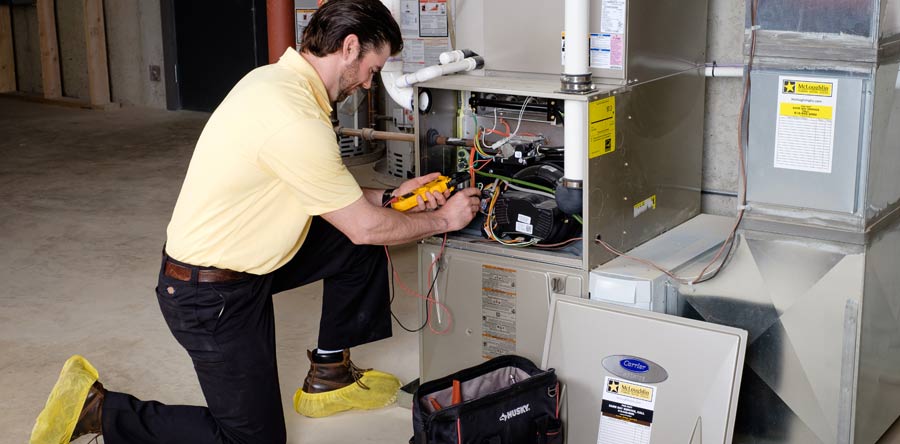
Before anyone touches a vacuum, a technician should inspect the system. We use cameras to look down the duct runs, check the blower motor, and note any signs of moisture, rust, or mold. This inspection tells us what we’re dealing with and protects you from paying for work the system doesn’t need.
Step 2: Sealing and Negative Pressure Setup
Next comes the part that separates real work from theater. The technician connects a high-powered, negative-pressure vacuum to the main trunk line, usually one with HEPA filtration so the dislodged debris gets captured instead of blown back into the room. The system gets sealed so that suction pulls debris in one direction, toward the collection unit.
Step 3: Agitation and Extraction
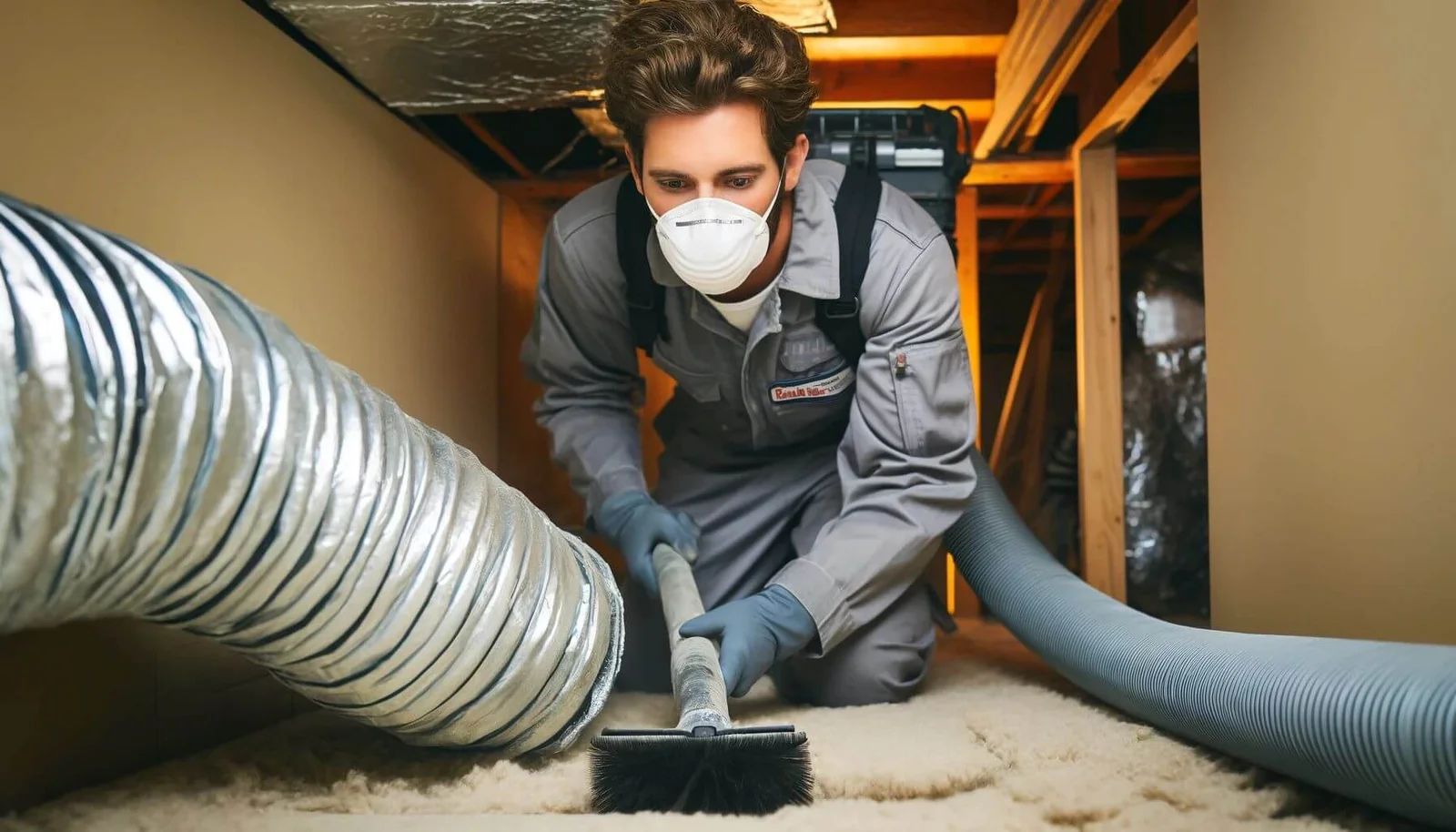
With suction running, technicians use brushes, compressed-air whips, and skipper balls to knock debris loose from the duct walls. The vacuum carries it all away. This agitation step is non-negotiable. Suction alone won’t lift dust that’s clung to duct walls for years, and air whips alone just scatter it. You need both working together.
Step 4: Component Cleaning and Final Check
Finally, we clean the registers, grilles, and accessible components, often sanitizing where mold or odor is present. A final camera pass confirms the runs are clear. Reputable companies leave you with before-and-after footage, because trust is built on evidence, not promises.
When Your Home Is Telling You It’s Time
Ductwork doesn’t need cleaning on a rigid schedule the way you’d rotate tires. It needs cleaning when conditions call for it, and your house usually drops hints well before you connect the dots.
Signs You Can See, Smell, and Feel
Watch for dust that reappears fast after cleaning, visible debris puffing out of supply registers when the system starts, or a musty smell that rides in on the airflow. Allergy symptoms that flare indoors but ease outdoors are another tell, and so are uneven temperatures between rooms, which can signal blockage restricting airflow.
One San Mateo family we worked with near Hillsdale kept replacing filters monthly and still battled dust. The culprit turned out to be a return duct packed with debris from a kitchen remodel two years earlier. After a full cleaning, their filter lasted its normal three months again. The ducts had been quietly undoing all their effort.
Life Events That Justify a Cleaning
Certain moments make duct cleaning genuinely worthwhile rather than optional. Moving into a new or previously owned home tops the list, since you have no idea what the last owners or their pets left behind. Recent renovation work is another, because drywall dust and sawdust travel everywhere and settle deep in the system.
Bringing home a new pet, recovering from water damage or a mold issue, or noticing that a household member’s asthma has worsened all push the decision firmly toward yes. The NADCA, the leading industry authority, recommends cleaning when there’s visible mold growth, vermin infestation, or substantial debris clogging the ducts, rather than on a fixed calendar.
What Quality Duct Cleaning Costs and Why Prices Vary So Much
Pricing is where homeowners get burned most often, so let’s talk straight about it. You’ve probably seen ads promising whole house duct cleaning for $79. Those offers are bait. The price covers a quick vacuum at one or two vents, and the upsell starts the moment the technician is in your home.
What Drives the Real Number
Honest residential HVAC duct cleaning services on the Peninsula generally reflects the size of the home, the number of vents and returns, the length and accessibility of the duct runs, and the condition of the system. A larger home with multiple zones, more registers, and long runs simply takes more labor and equipment time than a compact two-bedroom condo.
Add-ons also move the price. Sanitizing for mold, cleaning the blower and coil, or adding dryer vent cleaning all carry separate, legitimate costs. The right way to read a quote is to ask exactly what’s included and to be suspicious of any number that sounds too good to walk away from.
How to Compare Quotes Without Getting Played
When you collect estimates, line them up by what they actually cover, not just the headline figure. A higher quote that includes camera inspection, full-system access, agitation, HEPA extraction, and before-and-after documentation often costs less per unit of real value than a cheap quote that cleans a fraction of the system.
Ask whether the company follows NADCA standards, whether technicians are trained and insured, and whether they’ll show you the system before and after. The answers tell you more than the price ever will.
Choosing the Right Duct Cleaning Company in San Mateo
The duct cleaning field attracts its share of fly-by-night operators, partly because the work is hidden and most homeowners can’t independently verify it. That makes your choice of company the single biggest factor in whether you get value or get fleeced.
Credentials and Standards That Actually Matter
Look for NADCA membership or technicians certified to its standards, because that organization sets the benchmark the rest of the industry references. Confirm the company carries liability insurance and workers’ compensation, since duct work involves attics, crawl spaces, and your expensive HVAC equipment.
Local experience counts too. A company that knows San Mateo County housing stock understands the difference between a 1950s ranch with original ductwork and a recently built home with flexible duct runs. That familiarity shapes how carefully they work and what problems they anticipate.
Red Flags Worth Walking Away From
Be wary of unsolicited robocalls offering deep discounts, prices that seem impossibly low, and technicians who can’t explain their process or refuse to show you the system. High-pressure tactics, surprise charges mid-job, and a reluctance to put the scope in writing all signal trouble.
A trustworthy provider welcomes your questions and explains what they’re doing and why. We’ve always believed the homeowner deserves to understand the work, not just sign off on it.
The Health and Efficiency Payoff You Can Expect
Let’s set honest expectations, because overselling duct cleaning does the whole industry a disservice. The EPA takes a measured position, noting that duct cleaning hasn’t been definitively proven to prevent health problems on its own. That said, the agency clearly recommends cleaning when ducts contain mold, vermin, or heavy debris that’s being released into your living space.
Cleaner Air for Sensitive Households
In homes with allergy sufferers, asthma, young children, or elderly residents, removing accumulated allergens, dust mites, and mold spores from the system can make a real, noticeable difference. When the ducts stop recirculating that material, the air your filter has to clean gets cleaner at the source. Several clients with seasonal allergies have told us the difference was most obvious in the first week of running a freshly cleaned system.
Airflow, Efficiency, and Equipment Life
There’s a mechanical benefit too. Heavy debris restricts airflow, which forces the blower motor to work harder and can nudge your energy bills upward. Industry research from organizations like ASHRAE has long connected clean, unobstructed airflow with better HVAC efficiency. Clearing those restrictions helps your system reach the temperatures you set with less strain, which tends to extend equipment life and keep monthly costs in check.
Conclusion
Whole house duct cleaning isn’t magic, and any honest expert will tell you so. It’s maintenance, and like most good maintenance, it pays off quietly through cleaner air, steadier airflow, and an HVAC system that doesn’t have to fight your own ductwork to do its job. The trick is knowing when you actually need it and refusing to hand the work to whoever called you with a too-cheap offer.
If your home keeps dropping the hints we covered, dust that won’t quit, musty airflow, allergy flares that ease the moment you step outside, treat that as your cue to get the system inspected by someone who’ll show you what’s really in there. Ask for the camera footage, ask about NADCA standards, and insist on a clear scope before any work begins. Done right, by people who respect both your home and your intelligence, whole house duct cleaning is one of the easier wins available to a San Mateo homeowner who wants to breathe a little easier.
Frequently Asked Questions
How often should I clean the air ducts in my San Mateo home?
There’s no fixed rule. The NADCA recommends cleaning based on need rather than a calendar, typically every three to five years for an average home, or sooner after renovations, water damage, a new pet, or signs of mold and heavy debris.
Does whole house duct cleaning really improve indoor air quality?
It can, especially in homes where ducts hold mold, allergens, dust mites, or vermin debris. Removing that material at the source stops the system from recirculating it, which households with allergies or asthma often notice within days.
How long does a whole house duct cleaning take?
Most single-family homes take roughly two to four hours, depending on the number of vents, the length of the duct runs, the system’s condition, and any add-ons like coil cleaning or sanitizing.
Will duct cleaning lower my energy bills?
It can help. Debris that restricts airflow forces the blower motor to work harder. Clearing those restrictions improves efficiency, though duct cleaning works best alongside fresh filters and regular HVAC maintenance rather than as a standalone fix.
Is the $79 duct cleaning special a good deal?
Almost never. Those prices usually cover one or two vents and lead straight into upselling. Honest whole house service reflects your home’s size, vent count, and duct condition, so judge a quote by what it includes, not the headline number.