Summer in Danville does not arrive quietly. By late June, the valley heat settles in like an unwelcome houseguest, and a poorly cooled home turns from a refuge into a sweatbox. That is exactly the moment most people start searching for a real solution, and the team at Heating and Air Experts has watched this pattern repeat for years across the Tri-Valley.
A split air conditioning system is one of the smartest answers to that problem. It cools efficiently, runs quietly, and fits homes that were never built with central ducting in mind. This guide walks through everything worth knowing before you book a split AC installation service in Danville, CA, from how these systems actually work to what separates a good install from one you will regret by next August.
What a Split AC System Really Is (And Why Danville Homes Love Them)
Let’s clear up the terminology first, because the words get tossed around loosely. A split system simply means the air conditioner is divided into two parts: an outdoor unit and an indoor unit. The two connect through refrigerant lines rather than bulky ductwork. That split design is where the name comes from, and it is also the source of its biggest advantages.
People often use “split AC” and “ductless mini-split” interchangeably, but they are not identical. A traditional split system pairs an outdoor condenser with an indoor air handler tied into existing ducts. A ductless mini-split skips the ducts entirely and pushes cooled air straight into a room through a wall-mounted head. Both belong to the same family. The right choice depends on your home’s layout.
Older Danville properties, especially the ranch-style and mid-century homes scattered through neighborhoods like Westside and the Tassajara corridor, frequently lack adequate ductwork. Retrofitting ducts into those walls costs a fortune and tears up your home. A ductless split sidesteps all of that, which is precisely why it has become the go-to upgrade in this area.
How the Indoor and Outdoor Units Work Together
The outdoor condenser does the heavy lifting. It compresses refrigerant, releases heat into the outside air, and sends chilled refrigerant back indoors. The indoor air handler then blows air across a cold coil and distributes it where you actually live.
Because the noisy compressor sits outside, the indoor experience stays remarkably peaceful. Many homeowners tell us they forget the unit is even running. That quiet operation matters more than people expect, particularly in bedrooms and home offices.
Zoned Cooling and Why It Saves Money
Here is the part that wins people over. A multi-zone split lets you cool individual rooms independently. You can keep the upstairs bedrooms cool at night while leaving the rarely used guest room alone.
Central systems cool the whole house whether you need it or not. Zoned split systems target only the spaces in use, which trims energy waste. The U.S. Department of Energy notes that ductless systems avoid the energy losses associated with central forced-air ducts, where leaks and conduction can account for more than 30% of energy consumption for space conditioning. In a climate like Danville’s, that difference shows up directly on your PG&E bill.
Why Professional Split AC Installation Matters More Than People Think
I have seen plenty of DIY Split AC Installation Service in Danville, CA go sideways, and the failures usually trace back to the same handful of mistakes. Refrigerant handling, electrical connections, and condensate drainage are not weekend-project territory. Getting any of them wrong shortens the life of an expensive machine.
A proper installation starts long before anyone mounts a unit. It starts with a load calculation, an industry-standard process built around the Manual J framework used by reputable HVAC contractors. This calculation factors in your square footage, insulation, window placement, ceiling height, and sun exposure to determine the correct system size.
Oversizing is the silent killer of comfort. An oversized unit cools the air fast, then shuts off before it removes humidity, leaving your home cold and clammy. Undersizing means the system runs constantly and never quite catches up during a heat wave. Both shorten equipment life. Sizing it right is the single most important decision in the entire project.
The Refrigerant and Electrical Reality
Modern systems run on refrigerants like R-410A and the newer low-GWP blends now phasing in across the industry. Handling these requires EPA Section 608 certification, which is a legal requirement, not a suggestion. A certified technician charges the system to the manufacturer’s exact specification, because even a small overcharge or undercharge drags down efficiency.
The electrical side carries its own risks. Split systems need a dedicated circuit and correct breaker sizing. Sloppy wiring is a fire hazard and a fast way to void your manufacturer warranty. This is one of those areas where cutting corners simply is not worth it.
Permits, Codes, and Title 24 in California
California holds HVAC work to a high standard, and Danville falls under the state’s Title 24 energy efficiency requirements. Most split system installations require a permit through the Town of Danville or Contra Costa County. A licensed contractor pulls that permit and ensures the work passes inspection.
Skipping permits feels tempting because it seems faster. It is not worth it. Unpermitted work can stall a future home sale and create insurance headaches. Reputable installers handle this paperwork as a matter of routine.
Choosing the Right Split System for Your Danville Home
Not every system fits every home, and the marketing brochures rarely tell the whole story. The decision comes down to a few practical factors that a good technician will walk you through during the consultation.
Efficiency ratings lead the conversation. SEER2, the updated efficiency standard that replaced the older SEER metric, measures how much cooling you get per unit of energy. Higher numbers mean lower operating costs. In the Danville climate, where the AC runs hard from May through September, a higher-rated unit pays back its premium faster than it would in a milder region.
ENERGY STAR certification offers another useful signal. Systems carrying that label meet strict efficiency thresholds and often qualify for utility rebates. We routinely help homeowners stack manufacturer promotions with PG&E incentives to soften the upfront cost.
Single-Zone Versus Multi-Zone Configurations
A single-zone setup pairs one outdoor unit with one indoor head. It works beautifully for a converted garage, a home addition, or a single room that the central system never reaches.
A multi-zone configuration connects several indoor heads to one outdoor condenser. This suits whole-home cooling without ductwork, and it gives you that room-by-room control mentioned earlier. The catch is cost, since each additional zone adds equipment and labor.
Matching System Size to Square Footage
As a rough planning guide before a formal load calculation, the BTU math works like this:
- A room around 400 to 500 square feet typically needs roughly 12,000 BTU of cooling capacity.
- A space near 700 to 1,000 square feet often calls for 18,000 to 24,000 BTU.
- Whole-home multi-zone systems are sized by adding the requirements of each zone together.
Treat these numbers as a starting sketch, not a final answer. Ceiling height, insulation quality, and west-facing glass can swing the real figure considerably. The Manual J calculation always overrides the rule of thumb.
What the Installation Process Actually Looks Like
People appreciate knowing what they are signing up for, so here is how a typical split AC installation service in Danville unfolds from start to finish.
Step One: The In-Home Assessment
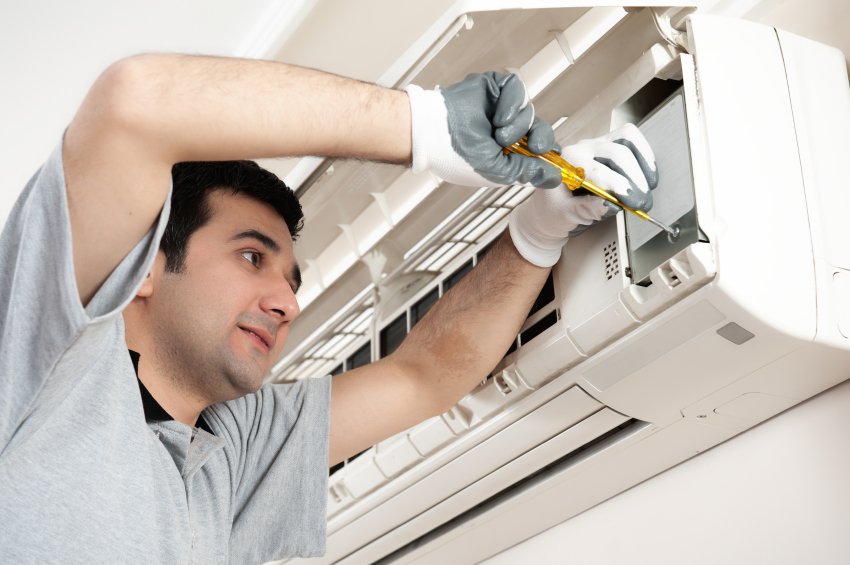
A technician visits, measures your space, evaluates electrical capacity, and discusses where the indoor heads and outdoor unit should sit. Placement affects both performance and aesthetics, so this conversation matters. Nobody wants a condenser humming directly outside their bedroom window.
Step Two: System Selection and Quote
Based on the load calculation, you receive recommendations with clear pricing. A trustworthy contractor explains the trade-offs between models rather than simply pushing the most expensive option. You should leave this stage understanding exactly what you are buying and why.
Step Three: Installation Day
Mounting the indoor units, setting the outdoor condenser, running and insulating the refrigerant lines, wiring the electrical, and drilling a small, sealed pass-through for the line set. A single-zone install often wraps up in a day. Multi-zone projects can stretch across two or three days depending on complexity.
Step Four: Commissioning and Testing
This final step separates the professionals from the rest. The technician vacuums the lines to remove moisture, charges the refrigerant precisely, tests airflow and temperature drop, and verifies the condensate drains correctly. Then they walk you through the controls so you are not left guessing.
Cost, Lifespan, and Long-Term Value
Let’s talk about money, because it drives most decisions. A single-zone ductless split installation in the Danville area generally runs in the lower-to-mid thousands, while multi-zone whole-home systems climb higher as zones multiply. Equipment quality, brand, and home complexity all move that figure.
The value argument becomes clear over time. A well-installed split system lasts 15 to 20 years with routine maintenance, and the energy savings accumulate every cooling season. When you compare lifetime operating costs against an aging, inefficient window unit or an oversized central system short-cycling all summer, the math tends to favor the split.
Maintenance keeps that value intact. AC Cleaning services or replacing filters, keeping the outdoor coil clear of debris, and scheduling an annual tune-up protect both efficiency and warranty coverage. Neglect is what turns a 20-year system into a 10-year one.
Conclusion
A split AC system rewards homeowners who choose it for the right reasons and have it installed by people who treat the details seriously. The technology is genuinely excellent, but the install quality determines whether you get a decade and a half of quiet, efficient comfort or a string of service calls.
If your Danville home struggles every summer, the best time to act is before the first heat wave, not during it. Schedule an assessment, get a real load calculation, and ask plenty of questions. A reputable team will welcome them. Cooler, quieter, more affordable summers ac repair services are well within reach, and the right split system installation is how you get there.
Frequently Asked Questions
How long does a split AC installation take in Danville?
A single-zone ductless system is often installed in one day. Multi-zone or whole-home configurations usually take two to three days, depending on the number of indoor units and any electrical upgrades required.
Do I need a permit to install a split system in Danville, CA?
Yes, most split AC installations require a permit and must meet California Title 24 energy standards. A licensed contractor handles the permitting and inspection process as part of the job.
Is a ductless mini-split better than central air conditioning?
It depends on your home. Ductless splits excel in homes without existing ducts and offer room-by-room control with strong efficiency. Central air can make sense where good ductwork already exists. A load calculation clarifies the best fit.
How much does split AC installation cost in the Danville area?
Single-zone systems typically fall in the lower-to-mid thousands, while multi-zone whole-home setups cost more as zones are added. Equipment brand, efficiency rating, and home complexity all influence the final price.
What size split AC system do I need for my home?
Sizing depends on square footage, insulation, ceiling height, and sun exposure. A professional Manual J load calculation determines the correct capacity, which prevents the comfort and efficiency problems caused by oversizing or undersizing.