It’s 4 p.m. on a triple-digit August afternoon in Walnut Creek, and your air conditioner just went silent. The house is already climbing past 85 degrees, the dog is panting, and you’re staring at a thermostat that refuses to respond. This is the moment most homeowners realize they have no plan — and it’s exactly the moment the team at Heating and Air Experts built its emergency service around. Knowing what’s happening inside your system, what a real emergency looks like, and how fast help can actually arrive turns a miserable night into a solvable problem.
This guide walks through everything a Walnut Creek resident searching for emergency AC repair actually wants to understand: why systems fail when they do, which breakdowns can’t wait, what reputable repair looks like, and how to avoid the next 4 p.m. surprise.
Why AC Systems Fail Right When You Need Them Most
Air conditioners almost never quit in mild weather. They quit during heat waves, and there’s a clear reason for that timing.
When outdoor temperatures push toward 100°F — common in Walnut Creek from June through September — your system runs nearly nonstop. A component that was quietly weakening all spring finally gets pushed past its limit. The compressor strains, the capacitor that helps it start gives out, or refrigerant pressures spike. Heat exposes weakness.
Think of it like a car that starts fine all winter but overheats on the first long summer drive uphill. The fault was always there. The conditions just revealed it.
The Most Common Emergency Breakdowns
In the field, a handful of failures account for the majority of after-hours calls. A blown capacitor is probably the most frequent — it’s a small, inexpensive part, but when it dies, the compressor or fan simply won’t start. You’ll often hear a faint hum followed by nothing.
Refrigerant leaks rank close behind. As refrigerant drops below the level the system needs, cooling fades and the evaporator coil can freeze into a block of ice, which ironically stops cooling altogether. A failed condenser fan motor outside, a tripped breaker that won’t reset, or a clogged condensate drain that triggers a safety shutoff round out the usual suspects.
When Heat Becomes a Health Concern
There’s a reason emergency cooling matters beyond comfort. The CDC consistently identifies extreme heat as the deadliest weather-related hazard in the United States, ahead of hurricanes and floods. For older adults, infants, and anyone with respiratory or cardiac conditions, an indoor temperature climbing into the 90s isn’t just unpleasant — it’s genuinely risky. That’s the line between “schedule it next week” and “we need someone tonight.”
What Actually Counts as an AC Emergency
Not every breakdown justifies an after-hours premium, and a trustworthy company will tell you that honestly. Knowing the difference saves money and stress.
A true emergency usually involves one of three things: a complete loss of cooling during dangerous heat, a system that’s smoking, sparking, or smells like burning electrical components, or a unit that keeps tripping the breaker — a sign of a potential electrical hazard that shouldn’t be reset repeatedly.
By contrast, weak airflow on a 78-degree day, a slightly noisy fan, or a thermostat that’s a couple of degrees off can almost always wait for a regular appointment. The distinction comes down to safety and severity, not just inconvenience.
A Quick Self-Check Before You Call
Before dialing anyone, spend two minutes ruling out the simple stuff, because roughly one in five “emergency” calls turns out to be something a homeowner could have caught.
First, confirm the thermostat is set to cool and the temperature is set below the current room reading. Then check your electrical panel for a tripped breaker. Reset it once — if it trips again immediately, stop and call a professional, because that repeated trip points to a fault you don’t want to keep energizing. Finally, glance at your air filter. A filter so clogged it chokes airflow can freeze the coil and mimic a major failure.
If those check out and the system still won’t cool, you’ve earned the call.
How Professional Emergency Repair Works in Walnut Creek
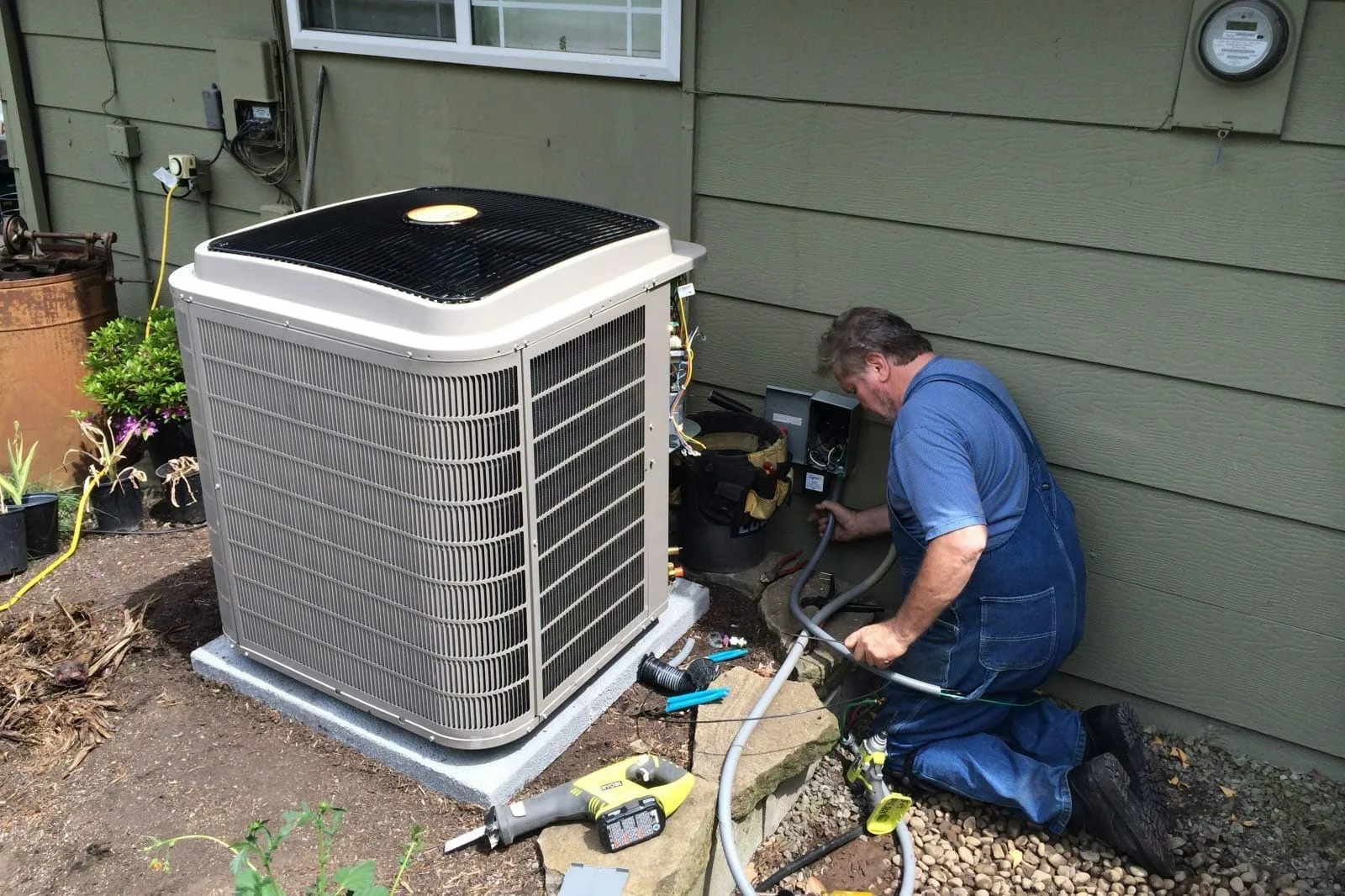
People imagine emergency AC Repair Services in Walnut Creek, CA as chaotic. Done well, it’s the opposite — it’s a disciplined sequence that a seasoned technician runs almost the same way every time.
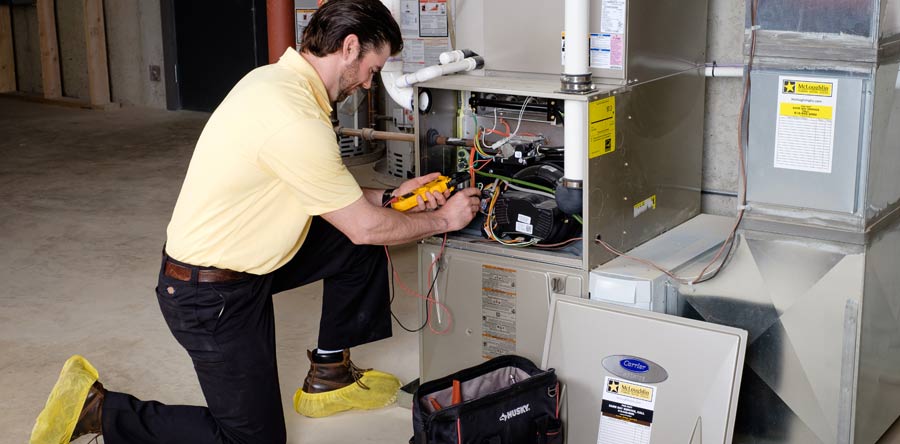
The visit starts with a conversation. A good tech asks what you heard, smelled, or noticed, because those clues narrow the diagnosis fast. From there, they move to a systematic inspection rather than guessing.
The Diagnostic Process, Step by Step
Step 1 — Verify the Symptoms
The technician confirms what the system is and isn’t doing: whether the outdoor unit runs, whether air moves indoors, and what the thermostat reports. This separates a control problem from a mechanical one.
Step 2 — Check Electrical and Safety Components
Next comes the capacitor, contactor, breaker, and wiring. Because so many emergency failures are electrical, this is where the answer often appears. A capacitor reading well below its rating is a clear culprit.
Step 3 — Measure Refrigerant and Pressures
If electrical checks out, the tech gauges refrigerant pressures and temperatures. Low readings point to a leak, and here’s where licensing matters — under EPA Section 608, only certified technicians may legally handle refrigerant. That credential is a genuine trust signal, not a formality.
Step 4 — Inspect Airflow and Drainage
Finally, they examine the coil, blower, filter, and condensate line. A frozen coil or a backed-up drain often explains symptoms that looked like something worse.
By the end, you should get a plain-language explanation, a written estimate, and a clear choice — not a vague “it’s complicated” followed by a big number.
Repair Tonight, or Replace Soon?
Emergency repair gets you cooling again, but it’s also a decision point. A common industry guideline is the “$5,000 rule”: multiply the repair cost by the unit’s age in years, and if the result tops $5,000, replacement usually makes more financial sense. A 14-year-old system facing a $400 repair sits right at that threshold.
A straight-talking technician will fix what’s broken tonight, then tell you honestly whether you’re patching a system on borrowed time.
What Sets a Trustworthy Emergency AC Company Apart
When you’re hot, frustrated, and searching at 9 p.m., it’s easy to call the first number that appears. Slow down for thirty seconds, because the right choice protects both your wallet and your home.
Genuine 24/7 availability is the first marker. Some companies advertise round-the-clock service but route after-hours calls to voicemail. Ask directly whether a licensed technician — not just a dispatcher — actually responds at night.
Licensing and insurance come next. In California, HVAC contractors should hold a C-20 license from the Contractors State License Board, and you can verify it online in under a minute. That single check filters out a surprising number of unqualified operators.
Transparent Pricing You Can Trust
Reputable companies quote a diagnostic fee upfront and provide a written estimate before any repair begins. Be wary of anyone who won’t put numbers in writing or who pressures you into an immediate full replacement during a first visit. Pressure is a tactic; transparency is a value.
I’ve watched homeowners get quoted wildly different prices for the same failed capacitor — a part that’s genuinely inexpensive. The spread usually says more about the company than the system.
Local Knowledge Actually Matters
A Walnut Creek company understands the local rhythm in ways a distant outfit can’t. They know the East Bay heat curve, the housing stock — from older homes near downtown to newer construction in the hills — and how PG&E rate structures affect run costs during a heat wave. That familiarity translates into faster, more relevant diagnoses.
Preventing the Next Emergency
The cheapest emergency ac repair services is the one that never happens. Most catastrophic summer failures trace back to a maintenance step that got skipped.
Annual professional maintenance is the single highest-return habit. Energy Star estimates that a neglected system can lose meaningful efficiency year over year, and a tune-up catches the weak capacitor or low refrigerant before a heat wave does. Scheduling that visit in spring — before the first big warm spell — means small problems get fixed on a calm Tuesday instead of a brutal Saturday.
Between professional visits, the homeowner’s job is simple and powerful: change the filter every one to three months, keep the outdoor condenser clear of leaves and debris, and pay attention to early warning signs. Weak airflow, unusual noises, short cycling, or a creeping electric bill are your system telling you something. Listening early is what separates a $200 fix from a 4 p.m. crisis.
Conclusion
A dead air conditioner during a Walnut Creek heat wave feels like a disaster, but it’s a manageable one when you understand the playbook. Run the two-minute self-check, recognize what genuinely counts as an emergency, and call a licensed, transparent, locally rooted company that sends a real technician when you need one.
Then make the smarter long-term move: book annual maintenance, change your filters, and treat early warning signs as the cheap problems they are. Do that, and the next triple-digit afternoon becomes just another hot day — not the day everything went silent. When that next call needs to happen, reach out to a trusted team like Heating and Air Experts before the small problem becomes the expensive one.
Frequently Asked Questions
How fast can an emergency AC repair company reach me in Walnut Creek?
Most genuine 24/7 providers in the area aim for same-day or within a few hours during peak summer. Response times stretch during heat waves when call volume spikes, so calling earlier in the day helps.
How much does emergency AC repair usually cost?
After-hours service typically carries a diagnostic fee plus a premium over standard rates. Common repairs like a capacitor run on the lower end, while compressor or refrigerant work costs significantly more. Always insist on a written estimate before any work starts.
Why did my AC stop cooling but the fan still runs?
This often points to a refrigerant issue, a failed compressor, or a frozen evaporator coil. The fan circulating air without cold air being produced is a classic sign that the cooling side of the system has failed and needs professional diagnosis.
Is it safe to keep resetting a breaker that trips when my AC runs?
No. A breaker that trips repeatedly is signaling an electrical fault, and resetting it over and over risks damage or fire. Reset it once; if it trips again, leave it off and call a licensed technician.
Should I repair or replace my air conditioner?
A useful guideline is to multiply the repair cost by the system’s age. If that figure exceeds about $5,000, or if your unit is over 12 to 15 years old and failing often, replacement usually makes better financial sense than repeated repairs.