Comparing reliable heating services in San Francisco, CA? Learn system options, the repair process, cost drivers, and how to pick a qualified local pro.
Most newcomers to San Francisco are surprised at how cold the city feels indoors. Foggy summer mornings in the Sunset, damp winter evenings in Bernal Heights, and chilly nights across Outer Richmond all push heating systems harder than the city’s mild reputation suggests. When a furnace quits, a wall heater stops igniting, or a heat pump throws an error code, the issue rarely waits for a convenient time.
That is where local crews like Heating and Air Experts step in, handling everything from quick gas wall furnace repairs to full heat pump conversions across older Edwardian flats and modern condos. Picking Reliable Heating services in San Francisco, CA means working with technicians who understand how Victorian gravity furnaces, mid-century forced air systems, and electrified heat pumps all behave in the city’s marine climate. If you are searching for Best heating repair near me in San Francisco, CA, knowing the right questions to ask and the right credentials to look for saves you from rushed fixes that fail again next winter.
This guide walks you through why heating matters here, the system options worth knowing, the repair process, what shapes the bill, and how to pick a contractor.
Why heating systems matter more than people expect in the city
San Francisco’s climate looks gentle on paper. Average winter lows sit around the mid-40s, and freezing temperatures are rare. The trick is that homes here run heaters across nearly twelve months of the year. A foggy August evening in Outer Sunset can feel just as cold as a December night in Pacific Heights.
What pushes owners to call for service? Comfort comes first. Old gravity furnaces in Mission District flats often heat unevenly, leaving the front rooms toasty and the back bedrooms cold. Wall furnaces in Sunset Avenue apartments may light slowly or shut off mid-cycle. Heat pumps in newer condos sometimes throw refrigerant errors that need a licensed tech to clear.
Health and safety play a major role too. Old gas furnaces can develop cracked heat exchangers that leak carbon monoxide. According to the Consumer Product Safety Commission (2024), unintentional carbon monoxide poisoning sends thousands of people to emergency rooms across the U.S. each year, with home heating equipment as a leading source. A working CO detector and an annual furnace check almost eliminate that risk.
Energy costs and climate goals matter in San Francisco too. The city has pushed building electrification through measures requiring all-electric construction in new residential and commercial projects under San Francisco’s natural gas ordinance adopted in 2020. Older homes still using gas heat are not forced to convert, but many owners switching to heat pumps benefit from PG&E and Bay Area Air Quality Management District incentives.
A licensed HVAC technician working across the city we know put it plainly: “Most no-heat calls we get during the first cold week of December are gear that nobody touched all year. Annual service catches ninety percent of those before they fail.” Owners shopping for Reliable Heating services in San Francisco, CA often book service in the fall before demand spikes.
Heating system types and equipment options across the city
Picking the right system matters more for repair conversations than most owners realize. Each setup carries its own quirks, parts supply, and service complexity.
Gas wall furnaces show up across thousands of older San Francisco apartments and small homes. Brands like Williams, Cozy, and Empire dominate this category. These units mount directly through an exterior wall and serve one or two rooms at a time. Parts remain widely available, and repairs usually stay simple for a qualified tech.
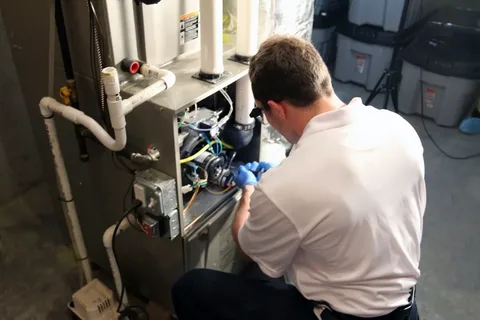
Forced-air gas furnaces live in single-family homes and larger flats across neighborhoods like Noe Valley, Glen Park, and West Portal. Brands like Carrier, Trane, Lennox, Bryant, and Goodman dominate the residential market. These systems push heated air through ductwork to multiple rooms. Annual filter changes and inducer motor checks keep them running through long heating seasons.
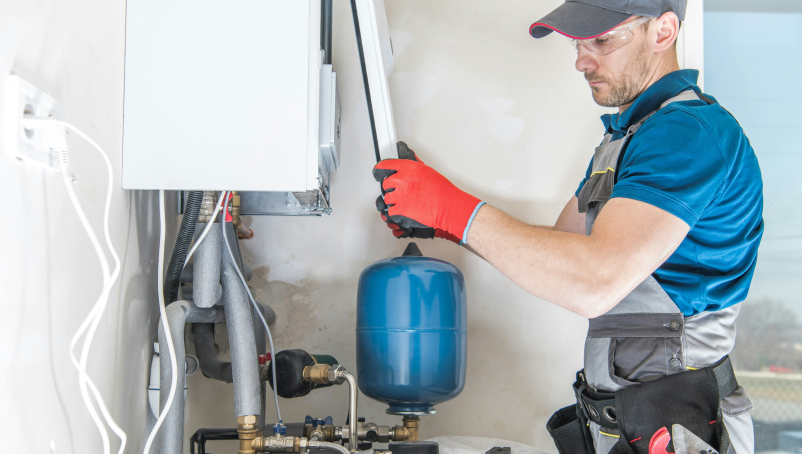
Hydronic radiator and boiler systems run in many older Edwardian and Victorian homes around Pacific Heights, Russian Hill, and parts of the Mission. Cast-iron radiators connect to a gas-fired boiler that circulates hot water through the system. Maintenance shifts toward pump checks, expansion tank service, and air bleeding.
Heat pumps have grown sharply in San Francisco over the past few years. Mini-split ductless systems from Mitsubishi, Daikin, LG, and Fujitsu work especially well in the city’s mild climate. Air-to-water heat pumps replacing boilers, and central heat pumps replacing forced-air gas, both qualify for utility rebates and federal Inflation Reduction Act tax credits.
A team handling Best heating repair near me in San Francisco, CA matches the repair or upgrade path to what is actually installed rather than pushing replacement when a fix will hold for another decade.
| System Type | Best For | Typical Lifespan | Service Frequency |
| Gas wall furnace | Older apartments, single-room heat | 15-25 years | Every 1-2 years |
| Forced-air gas furnace | Single-family homes, larger flats | 15-20 years | Annually |
| Hydronic boiler & radiators | Victorians, Edwardians, classic homes | 25-35 years | Annually |
| Mini-split heat pump | Electrification, retrofits | 15-20 years | Annually |
Repair budget drivers and selecting a San Francisco HVAC pro
Two service calls for what sound like the same problem can land at very different totals. The drivers come down to parts, system age, and access conditions.
Factors that move a heating repair bill
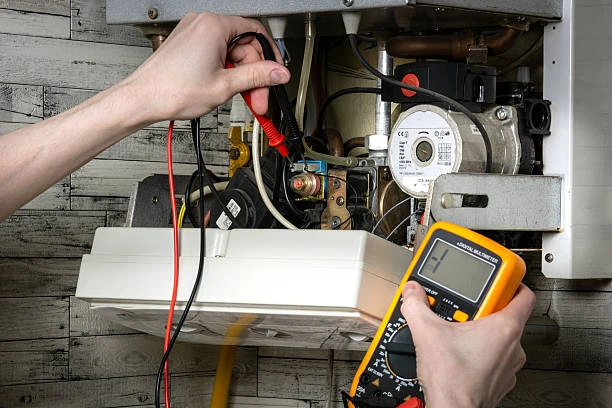
Every visit, the diagnosis time matters. A fault that can be tracked down in ten minutes costs less money than the one requiring panel removal, circuit isolation, and multiple tests. Outdated systems with obsolete components also prolong research time.
The cost of replacement parts varies widely. A thermocouple or hot surface igniter would be at the lower end of the parts catalogue. Inducer motors, gas valves, control boards and ECM blower modules go up. The heat exchangers and condenser coils are located at the very top, which often makes them close to a replacement cost on older units.
Access is more important than owners think. It is easy to access wall furnaces in tight Mission flats. Furnaces mounted in attics of Inner Sunset homes and crawlspace boilers in Bernal Heights cottages add additional hours of work. Calls made outside of business hours during freeze events are often charged at a premium.
The list also contains permits, as well as code upgrades. The California Title 24 Part 6 requirements, as well as the San Francisco building code, say rethinking the gas lines, new furnace installations, and a heat-pump conversion require permits by the San Francisco Department of Building Inspection.Most repair work on existing systems does not require a permit, however upgrades and complete replacements do.
How to vet a heating contractor for repair work
Start with credentials. California requires HVAC contractors to hold an active C-20 Warm-Air Heating, Ventilating and Air-Conditioning license through the Contractors State License Board (CSLB). Verify the license on the CSLB website, then confirm general liability and workers’ compensation coverage in writing. Refusing to share these documents is a major red flag.
References tell you the rest of the story. Ask for three completed jobs from the past twelve months across San Francisco neighborhoods, then call those owners. Did the tech fix the problem on the first visit? How did they handle warranty work afterward? How did they communicate during the call?
A contractor working almost only on San Francisco heating systems, such as Heating and Air Experts, will already know which wall furnace brands hold parts the longest, how older Victorian boiler systems were originally piped, and how the city’s permit office reviews electrification upgrades. That focused background often beats hiring a national chain that subs the work to whoever has open hours.
Read every estimate carefully. The Best heating repair near me in San Francisco, CA spell out diagnosis findings, recommended repair scope, exact parts proposed, warranty terms, and any follow-up service in writing. Vague tickets hide gaps that turn into surprise bills next visit.
FAQ’s
How long does a normal heating repair take in San Francisco?
Most of our residential service calls are concluded within one-three hours, including the diagnosis, repair, testing of the complete system. Wall furnace repairs usually get completed in less than an hour. Due to same-day replacement parts ordered, forced-air furnace repairs often take two visits. Boiler and heat pump problems may take longer to diagnose.
Is a permit needed for heating work in San Francisco?
Routine repairs and replacements of components usually do not need permits. Installing a new furnace, replacing the entire heating system, converting to a heat pump, or altering the gas line all need permits from the San Francisco Department of Building Inspection. The contractor of your choice must pull permits and schedule inspections.
What makes heating repair costs more expensive than expected in Bay Area?
Bills go up due to emergency calls after hours, equipment that’s hard to reach, discontinued parts on old systems, and advanced multi-component failures. Bay Area labor rates are above the country’s average. It is usually better to replace older gas furnace with cracked heat exchanger and repair it. So the real conversation is on the new one.
What heating systems work best in San Francisco’s fog?
Mini-split heat pumps from Mitsubishi, Daikin, and Fujitsu are fine with the city’s mild marine climate, as there are rarely extensive temperature changes. Gas furnaces with sealed combustion having forced air, and correctly sized hydronic boilers perform well. Annual service lengthens the life of motors, igniters and combustion components by slowing wear.
How often do I need to service my heater if I live in the city?
In San Francisco most homes receive an annual service on their heating during early fall, before the foggy cold. Annual combustion checks are necessary for older gas wall furnaces and forced-air gas systems. Annual maintenance schedules are also good for heat pumps and boilers. Often a gap year noticeably shortens the overall service life of the equipment.
Conclusion
A great heating fix is all about choosing the right technology, asking great diagnostic questions and carefully reading every service ticket before you sign it. It is important to check the C-20 license, visit the references, and request any safety findings in writing. Owners who keep their systems serviced and documented are rewarded by the mix of older flats, marine climate and electrification push in San Francisco. Contact Heating and Air Experts today to schedule your free in-home assessment when you’re ready to get started. Without any pressure, the team can walk you through repair options and realistic timelines.