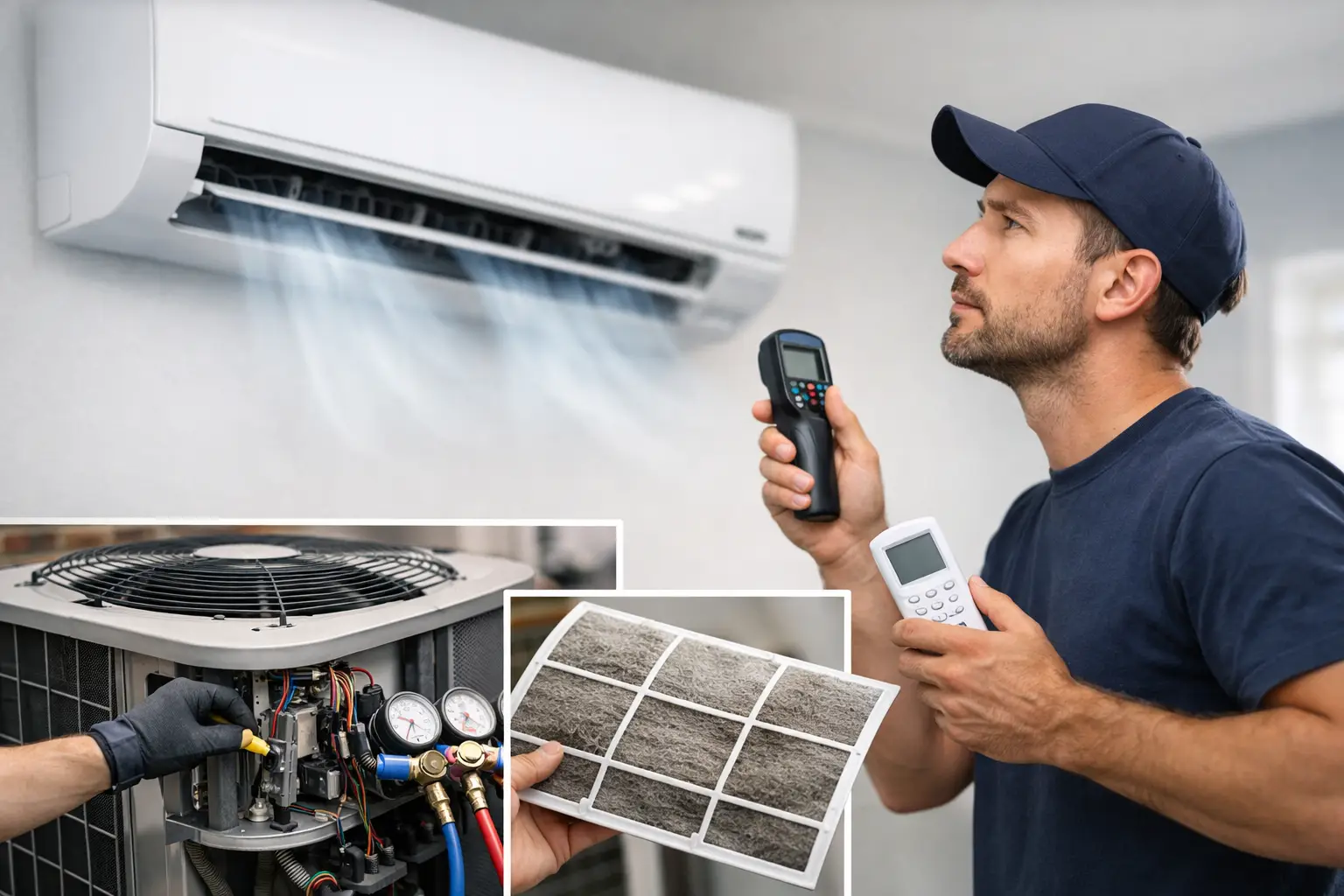
A failed air conditioner during a Bay Area heat wave or a furnace that stops working on a cold night rarely arrives at a convenient time. HVAC financing can give homeowners, property managers, and business owners a practical way to address an urgent repair or needed replacement without putting off a decision that affects comfort, safety, and daily operations.
The right financing plan is not simply about getting a lower monthly payment. It should help you move forward with a system or repair that fits your property, energy needs, and budget while keeping the full cost clear from the start. A trusted HVAC contractor should explain your options plainly, provide upfront pricing, and give you room to make an informed choice.
When HVAC Financing Makes Sense
Financing can be useful when your heating or cooling system needs attention now, but paying the entire cost at once would strain your budget. This is common with major repairs, aging equipment, heat pump installations, furnace replacements, and complete air conditioning system replacements.
For a homeowner, financing may make it possible to replace an inefficient system before it fails completely. An older unit can require frequent service, struggle to maintain even temperatures, and consume more energy than it should. Replacing it before an emergency can give you more time to compare options and select equipment that better serves your home.
For a property manager or business owner, an HVAC problem can affect tenants, employees, customers, inventory, and business continuity. Financing may help spread the cost of a necessary project while allowing you to restore dependable heating or cooling promptly. The best path depends on the building, the scope of work, and whether repair will provide reliable value or simply delay replacement.
Financing is not always the right answer. A small, one-time repair may be more sensible to pay for directly, especially when the equipment is otherwise in good condition. The value of financing becomes clearer when it helps you avoid a larger problem, choose a longer-lasting solution, or preserve cash for other essential property needs.
Start With an Honest Diagnosis
Before considering payment options, make sure the recommended work is actually necessary. HVAC symptoms can have more than one cause. Uneven temperatures may come from ductwork, thermostat settings, poor airflow, insulation issues, or a system that is no longer properly sized for the space. High utility bills do not automatically mean you need a full replacement.
A qualified technician should inspect the equipment, explain what is causing the issue, and distinguish between immediate repairs and improvements that can be planned. Ask direct questions: Is the system safe to operate? What is the expected life of the repair? Are replacement parts available? How would a replacement improve efficiency, comfort, or reliability?
This conversation matters because financing a poor recommendation is still a poor investment. Honest guidance helps you compare the cost of repairing your current equipment against the long-term value of replacing it.
What HVAC Financing May Cover
Financing options vary by contractor and lending program, so always review the specific terms offered for your project. Depending on the program, financing may apply to a complete system installation, major equipment replacement, or qualifying repairs. Some projects may also include related work that supports system performance, such as thermostat upgrades, duct repairs, or indoor air quality equipment.
A complete quote should clearly show what is included. For a replacement project, that may involve the equipment, labor, permits when required, removal of existing equipment, necessary electrical or drainage work, startup, and testing. If any part of the work is excluded, ask for that in writing before you agree to financing.
This protects you from comparing a low initial price with a more complete proposal. The least expensive quote is not always the lowest total cost when critical installation details, warranty support, or system performance are left out.
Look Beyond the Monthly Payment
A monthly payment can make a project feel manageable, but it is only one part of the decision. Review the total amount financed, the annual percentage rate, the length of the repayment period, and any fees. Longer terms can reduce the monthly payment, yet may increase the total interest paid over time.
Some promotional offers may include deferred interest or a reduced rate for a limited period. These can be helpful when the balance can realistically be paid before the promotional period ends. However, terms can differ significantly. Read the agreement closely and ask what happens if the balance remains after the promotion expires or if a payment is missed.
You should also understand whether an application involves a credit check and how approval, loan amounts, and repayment terms are determined. A reliable contractor can explain the process, but the lender provides the final financing terms. Take the time to read all disclosures and select a payment level that fits your household or operating budget.
Compare Repair and Replacement Costs Carefully
When an older system breaks down, the decision often comes down to repair versus replacement. There is no single rule that applies to every property. A repair may be the right choice if the system is relatively new, the issue is isolated, and the equipment has been maintained well.
Replacement may deserve stronger consideration when repair costs are significant, the system has a history of breakdowns, energy use has climbed, or replacement parts are difficult to find. Equipment age also matters, but it should not be the only factor. A well-maintained system may still have useful life, while a newer system with recurring issues may need a more thorough solution.
Ask for estimates that allow you to compare both paths fairly. A useful proposal explains the immediate repair cost, the expected outcome, replacement options, warranty coverage, and likely efficiency differences. That clarity can help you decide whether financing a replacement offers better value than repeatedly paying for repairs.
Consider Efficiency Without Overpromising Savings
High-efficiency heating and cooling equipment can reduce energy use, but savings depend on more than the unit itself. Your building’s insulation, duct condition, thermostat habits, climate, system sizing, and maintenance all play a role. An efficient system that is poorly installed or incorrectly sized may not deliver the comfort or savings you expect.
For Bay Area properties, proper system design is especially important. Homes and commercial spaces vary widely, from older buildings with limited duct access to newer properties with zoning and smart thermostat needs. The right recommendation should account for how the space is actually used, not just the square footage on paper.
If energy efficiency is part of your financing decision, ask how the proposed system is sized and what supporting work may be needed. A contractor should be able to explain the recommendation in plain language, including any trade-offs between upfront cost, operating cost, and expected comfort.
Choose a Contractor You Can Rely On
Financing should never pressure you into a rushed decision or an oversized project. Look for a local HVAC company that provides a clear written estimate, employs certified technicians, and stands behind its workmanship. Reviews, certifications, and a history of serving your community can offer useful reassurance, but the quality of the conversation matters too.
You should feel comfortable asking questions about the diagnosis, the equipment, the installation process, and the payment terms. If the explanation is vague or the recommendation changes without a clear reason, pause and request clarification. Reliable service starts with respect for your time and your budget.
Heating and Air Experts approaches every project with that standard in mind: honest recommendations, upfront pricing, and practical solutions for long-term indoor comfort. Whether the need is an urgent repair or a planned system upgrade, a clear assessment helps you make the next decision with confidence.
A heating or cooling project is a significant investment, but it does not have to become a stressful one. Start with a professional evaluation, review the full scope of work and financing terms, and choose the option that protects comfort now while making sense for the years ahead.