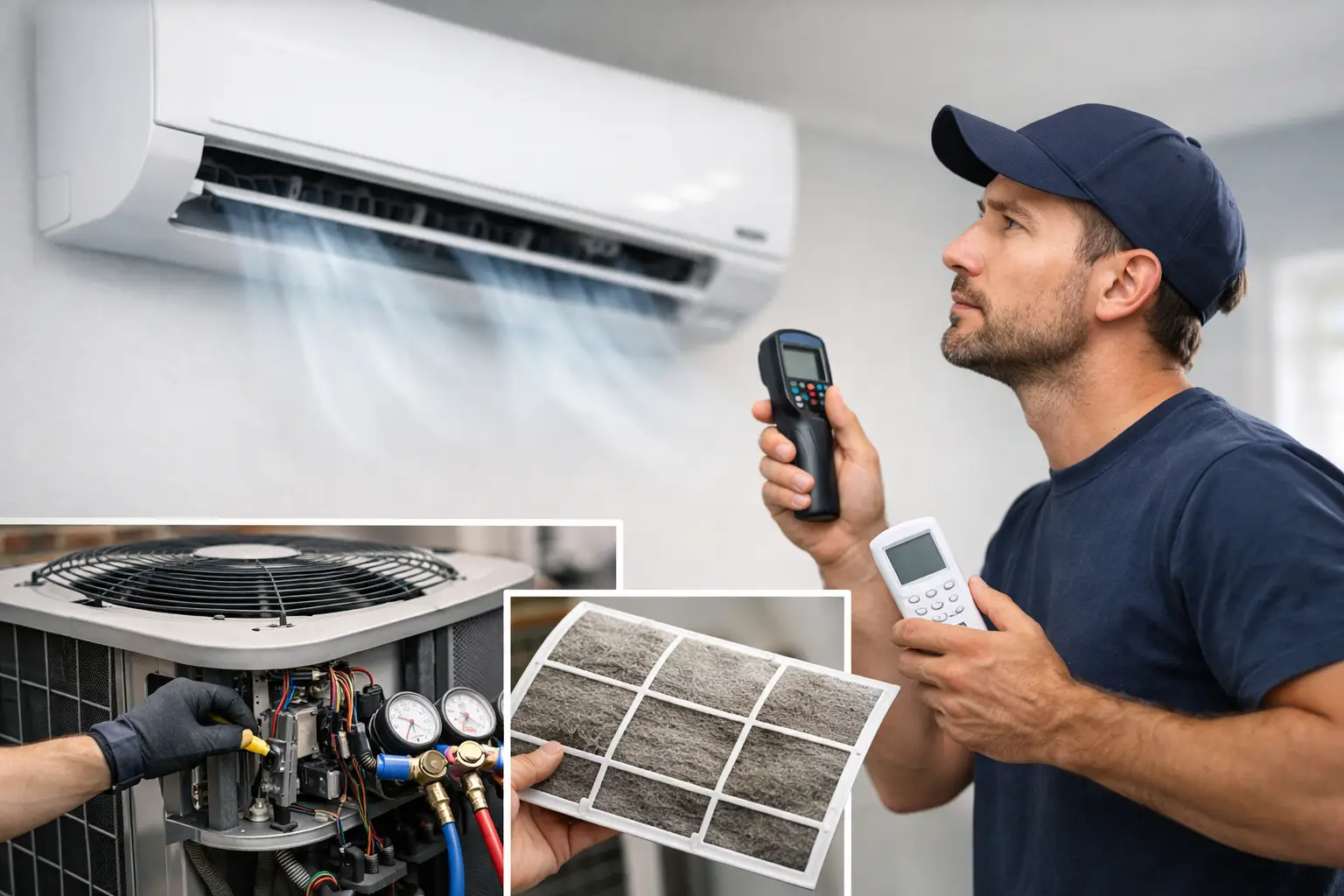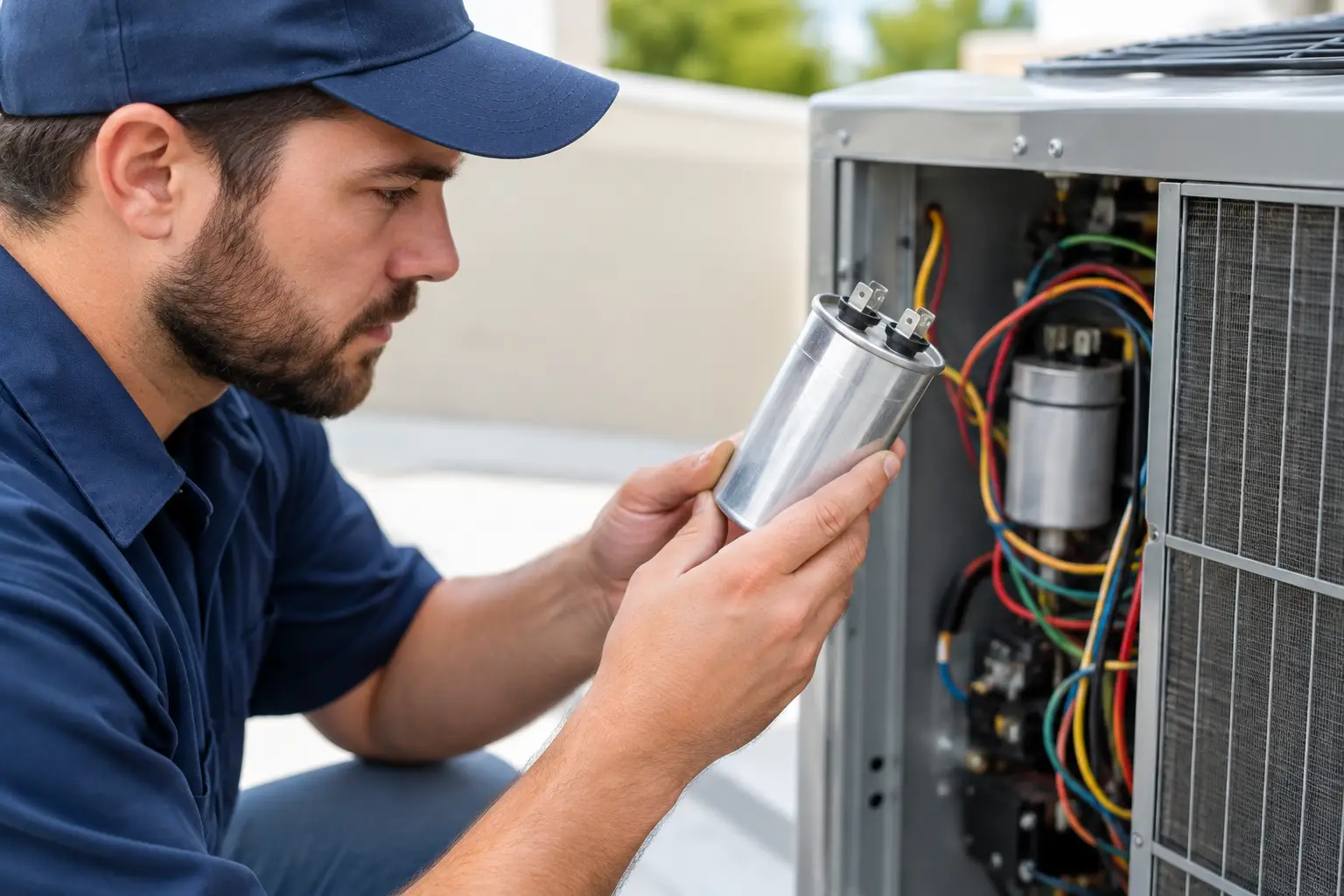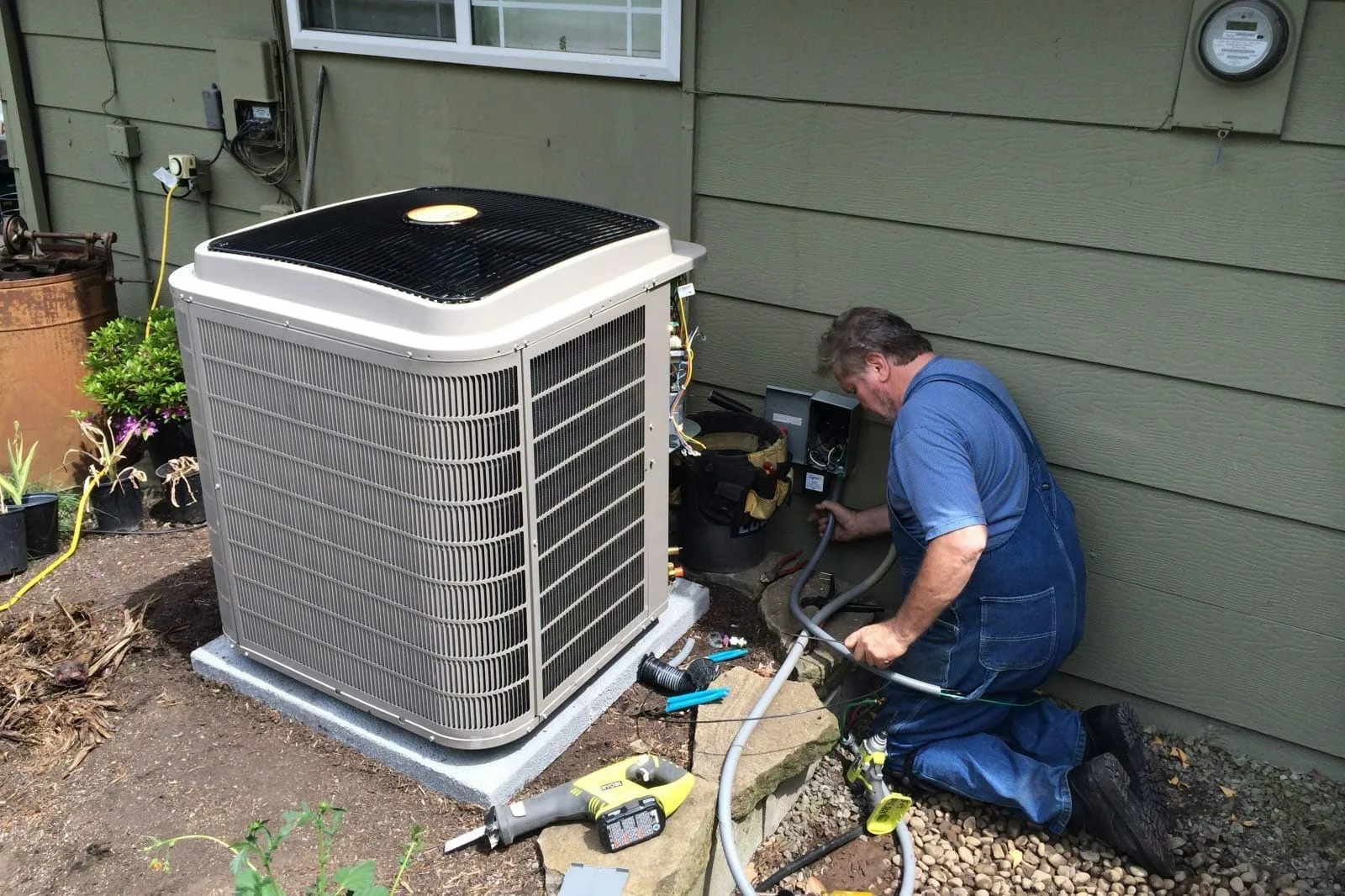
Keep your home comfortable with cooling services in Walnut Creek, CA. Learn about AC repair, installation, maintenance, airflow, efficiency, and system care.
A dependable cooling system should do more than produce cold air. It should maintain comfortable temperatures, move air evenly, control indoor humidity, and operate without constant breakdowns or unusual energy use. When an air conditioner starts blowing warm air, cycling repeatedly, making new noises, or struggling to cool certain rooms, the problem deserves attention before it becomes a complete system failure.
Heating And Air Experts LLC provides residential and commercial HVAC solutions, including heating, cooling, air duct cleaning, and thermostat services. For homeowners and businesses, professional cooling work can include diagnosis, repairs, new system installation, seasonal maintenance, and recommendations based on the size and needs of the property.
Good cooling performance begins with the complete system. Equipment condition, airflow, thermostat operation, ductwork, electrical components, filters, refrigerant circuits, and installation quality all influence comfort.
What Professional Cooling Services Include
Professional cooling services can support both existing systems and new equipment. The exact work depends on whether the property needs troubleshooting, maintenance, repair, replacement, or a completely new cooling installation.
Common cooling services may include:
- Air conditioning repair
- New AC installation
- System replacement
- Seasonal maintenance
- Thermostat checks
- Airflow evaluation
- Filter inspection
- Electrical component testing
- Ductless system service
- Performance testing
A useful service visit should start with the symptoms. Homeowners should explain when the problem began, whether it affects every room, and whether the system behaves differently during the hottest part of the day. Those details can help a technician separate equipment problems from airflow, thermostat, or duct concerns.
Air Conditioning Installation in Walnut Creek, CA
Homeowners considering air conditioning installation in Walnut Creek, CA should begin with system sizing rather than choosing equipment only by brand or advertised capacity.
An oversized air conditioner can cool the space quickly but may cycle too often, while an undersized unit may run for long periods and still struggle to maintain the desired temperature. Proper planning should consider the size and layout of the home, insulation, window exposure, duct condition, and other factors that affect cooling load.
The installation location also matters. Indoor and outdoor components need enough service access, appropriate drainage, and proper connections. New equipment should be tested after installation so airflow, thermostat control, temperature change, and system operation can be checked before the project is considered complete.
Common Signs Your Air Conditioner Needs Repair
Cooling problems often appear gradually.
Common warning signs include:
- Warm air from supply vents
- Weak airflow
- Unusual rattling or buzzing
- Frequent starting and stopping
- Water around indoor equipment
- Rooms cooling unevenly
- Thermostat settings not matching room temperature
- Higher energy use without a clear reason
- System running for unusually long periods
- Outdoor equipment failing to start
One symptom can have several possible causes.
Why Correct AC Sizing Matters
Air conditioning equipment is designed to remove heat at a specific rate. Bigger does not automatically mean better.
When a unit is much larger than the cooling load, it may reach the thermostat setting quickly and shut down before the system has operated long enough to provide balanced comfort.
An undersized system may run continuously yet still fail to reach the desired temperature.
Correct sizing is especially important when replacing an older system because changes to insulation, windows, additions, or other building improvements may have changed the actual cooling needs since the previous unit was installed.
AC Repair Services in San Jose, CA
Property owners seeking AC repair services in San Jose, CA should report the exact symptoms instead of simply saying the air conditioner is not working.
Useful details include whether the outdoor unit runs, whether air comes from the vents, whether the air feels cool, and whether the system turns off unexpectedly.
A professional diagnosis may involve checking electrical components, thermostat signals, airflow, refrigerant-related conditions, motors, drainage, and other system components.
Why Airflow Is Essential for Cooling
Even a properly operating air conditioner cannot provide consistent comfort if conditioned air is not moving correctly through the building.
Restricted airflow can result from dirty filters, blocked registers, blower problems, duct restrictions, or damaged duct sections. Some rooms may feel warmer because they receive less supply air or because return-air pathways are limited.
Homeowners should keep furniture and stored belongings from blocking supply and return grilles. Filters should be inspected according to the equipment and household conditions.
If airflow remains weak after basic checks, professional evaluation is appropriate. Repeatedly lowering the thermostat will not fix a distribution problem and can cause the cooling equipment to run longer without solving the comfort issue.
Air Filters and Cooling Performance
The air filter helps protect HVAC equipment by capturing particles from the air moving through the return side of the system. As the filter loads with dust, airflow resistance can increase.
A severely dirty filter may reduce system performance and contribute to longer operating cycles. However, using the most restrictive filter available is not always the best solution either. The filter should be compatible with the HVAC system.
Homes with pets, remodeling dust, or heavy system use may need more frequent filter checks. Property owners should follow equipment recommendations rather than waiting until airflow noticeably decreases.
Filter maintenance is simple, but it supports both cooling performance and equipment cleanliness. A clean filter cannot correct mechanical faults, yet it removes one common source of unnecessary airflow restriction.
Energy-Efficient Cooling Systems
Many property owners consider energy-efficient cooling systems when existing equipment becomes unreliable or expensive to operate. Efficiency is important, but the complete installation influences the result.
A high-efficiency unit connected to damaged ducts or installed incorrectly may not deliver the expected comfort. Equipment sizing, refrigerant setup, airflow, thermostat configuration, and duct condition all need to support the system.
When comparing replacement options, homeowners should ask what improvements are expected and which features match their actual needs. Variable-speed operation, multi-stage equipment, and other technologies can provide useful benefits in some homes, but they should be selected for practical reasons rather than because they are the most advanced options available.
Ductless Mini-Split Installation
A ductless mini-split installation can provide cooling without relying on a traditional central duct system. These systems typically use an outdoor unit connected to one or more indoor units.
Ductless equipment can be useful for additions, converted spaces, rooms with persistent comfort problems, or properties where installing full ductwork would be difficult. Different indoor zones can often be controlled independently.
Placement matters because indoor units need to distribute air effectively while remaining accessible for maintenance. The outdoor equipment also needs appropriate clearance and a stable installation location.
Ductless systems are not automatically better than central air. The right choice depends on building layout, comfort goals, number of zones, appearance preferences, and existing HVAC infrastructure.
Why Thermostat Problems Can Look Like AC Problems
The thermostat tells the cooling system when to operate. If it is incorrectly configured, poorly located, losing power, or reading temperature inaccurately, the air conditioner may appear to have a mechanical problem.
Signs can include short cycling, failure to start, temperatures that do not match the setting, or cooling that stops unexpectedly.
Before replacing cooling equipment, technicians should confirm that the thermostat is communicating properly with the system.
Smart and programmable thermostats can add scheduling and remote-control features, but compatibility matters. Installation should account for the HVAC system type and required wiring.
A thermostat upgrade can improve control, but it cannot compensate for an air conditioner with a failed component, poor airflow, or incorrect sizing.
Seasonal HVAC Cooling Maintenance
Routine HVAC cooling maintenance can help identify developing problems before the highest-demand part of the cooling season.
A maintenance visit may include checking filters, electrical connections, thermostat operation, drainage, accessible coils, motors, airflow, and overall system performance. The exact checklist depends on the equipment.
Maintenance does not guarantee that a component will never fail. Its value comes from finding visible wear, poor operating conditions, or maintenance issues before they create larger problems.
Homeowners can support maintenance between visits by keeping outdoor equipment clear of stored items, monitoring filter condition, and reporting unusual noises or changes in system behavior instead of waiting for complete failure.
When AC Replacement May Make More Sense
Repair is often appropriate when a specific component has failed and the rest of the system remains in reasonable condition. Replacement may deserve consideration when problems become frequent, major components are deteriorating, or the system no longer meets the property’s cooling needs.
The decision should consider:
- Overall equipment condition
- Frequency of recent repairs
- Cooling performance
- Energy use
- Availability of compatible parts
- Comfort problems
- Future property plans
- Cost difference between repair and replacement
Age alone should not be the only deciding factor. A professional can explain what has failed, what other concerns are visible, and what a repair is reasonably expected to accomplish.
Improving Comfort Without Overworking the AC
Cooling equipment works best when the building supports it.
Keep supply and return vents open and unobstructed. Use window coverings where strong sunlight creates excess heat. Keep filters maintained and avoid changing thermostat settings constantly.
Ceiling fans can help occupants feel more comfortable by moving air, although fans do not lower the room temperature themselves.
If one room remains consistently warmer than the rest of the home, investigate the cause rather than simply lowering the thermostat for the entire building. Duct problems, insulation differences, window exposure, or airflow imbalance may be contributing.
Questions to Ask Before Cooling Service
Useful questions include:
- What is causing the cooling problem?
- Is airflow part of the issue?
- Does the system need repair or replacement?
- Is the existing equipment correctly sized?
- Are the ducts affecting performance?
- Is the thermostat working properly?
- What maintenance is recommended?
- Would ductless cooling fit this property?
- Are electrical components operating normally?
- What should I monitor after service?
Clear answers help property owners understand why a recommendation is being made. A good technician should be able to explain the problem in practical terms without relying only on technical labels.
Conclusion
Reliable cooling depends on more than the air conditioning unit itself. Equipment condition, correct sizing, airflow, filters, thermostat control, ductwork, installation quality, and routine maintenance all influence how effectively a home or business stays comfortable.
Homeowners should respond to warm air, weak airflow, unusual sounds, short cycling, and uneven temperatures before those symptoms become larger failures. Repair may solve a specific problem, while replacement can make more sense when an older system is experiencing repeated issues or no longer fits the building’s needs.
Professional evaluation helps separate equipment faults from airflow or control problems. With proper installation, sensible maintenance, and timely repairs, a cooling system can provide steadier comfort without unnecessary operating stress.
Frequently Asked Questions
Why is my air conditioner running but not cooling?
Possible causes include airflow restrictions, thermostat problems, electrical faults, refrigerant-related issues, dirty components, or other equipment problems. A technician can test the system and identify the actual cause.
How often should I change my AC filter?
Filter replacement depends on the filter type, equipment, household conditions, pets, dust levels, and system use. Inspect it regularly and follow the manufacturer or HVAC professional’s guidance.
When should I consider replacing my air conditioner?
Replacement may be worth discussing when repairs become frequent, major components are failing, comfort remains poor, or the system no longer meets the property’s cooling requirements efficiently.
Can a thermostat cause cooling problems?
Yes. Incorrect settings, wiring issues, poor placement, loss of power, or inaccurate temperature readings can affect when the cooling system starts and stops.
Are ductless mini-splits good for every home?
No. They can be excellent for certain spaces, additions, or zoned applications, but central systems may be more practical for other properties. Building layout and existing infrastructure should guide the choice.
What should I do if my AC suddenly stops working?
Check the thermostat setting, confirm the system has power, and inspect the filter if it is safely accessible. If the system still does not operate, arrange professional diagnosis rather than repeatedly resetting equipment.