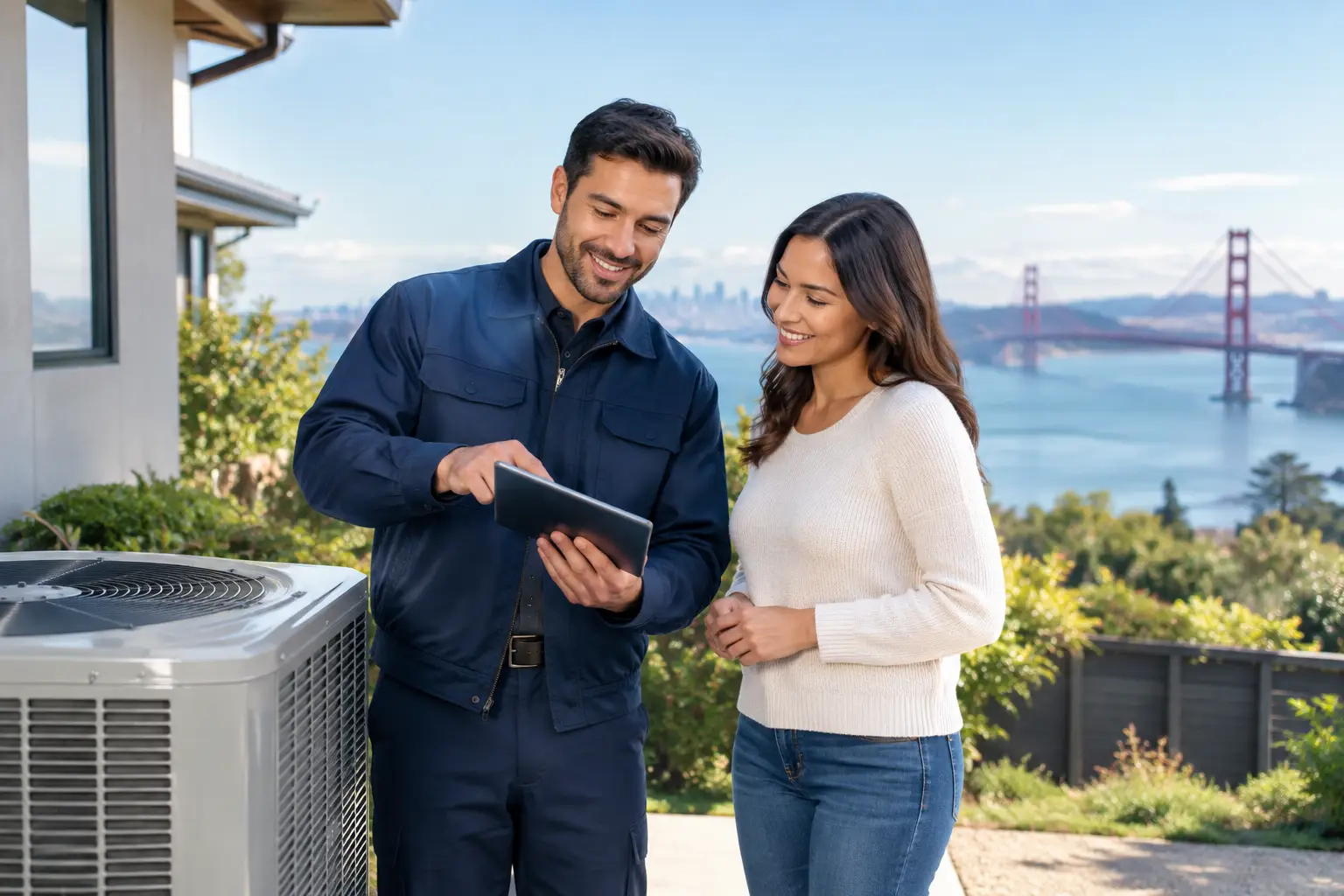
San Francisco fog has a way of sneaking into your bones, and the moment your heater starts blowing lukewarm air on a 48-degree morning, you realize how much you’ve been taking it for granted. That’s exactly when expert heater maintenance services in San Francisco, CA become less of a “someday” task and more of a right-now priority. At Heating And Air Experts, we’ve spent years walking into homes across the city where a small, ignored issue snowballed into a no-heat emergency and almost every time, regular upkeep could have prevented it.
This article is a deep, practical look at what real heater maintenance involves, why it matters more in a climate like ours, and how to tell whether your system needs a tune-up, a repair, or a full replacement. Think of it as the conversation you’d have with a technician who isn’t trying to upsell you, just trying to help you stay warm without overpaying.
Why Heater Maintenance Matters More in San Francisco Than People Think
Most folks assume that because San Francisco rarely sees snow, their heating system has it easy. The opposite is closer to the truth. Our heaters don’t get the brutal seasonal workout of a Midwest furnace, but they run in short, frequent bursts almost year-round thanks to chilly nights, damp marine air, and microclimates that swing from sunny to shivering within a few blocks.
That stop-start pattern is quietly hard on equipment. A system that cycles on and off constantly accumulates wear in ways that aren’t obvious until something fails. Add the moisture our coastal air carries, and you’ve got a recipe for corrosion, clogged components, and electrical gremlins that show up at the worst possible moment.
The Hidden Cost of Skipping Maintenance
Here’s something the industry doesn’t say loudly enough: a neglected furnace can lose 10 to 25 percent of its operating efficiency over just a few years. That inefficiency doesn’t announce itself. It hides inside your PG&E bill, a few dollars at a time, until you’re paying noticeably more to feel noticeably colder.
We once serviced a home in the Sunset District where the owners had gone six years without a single heating inspection. The furnace still “worked,” but the blower motor was caked in dust, the burners were running dirty, and the heat exchanger had early corrosion. Their winter gas bills had crept up nearly 30 percent. After a thorough cleaning and a couple of part replacements, their system ran quieter, warmer, and cheaper and they avoided what would have become a heat exchanger failure within a season or two.
Safety Is the Part Nobody Likes to Talk About
Beyond comfort and cost, there’s a genuine safety dimension to gas furnace maintenance. A cracked heat exchanger or a malfunctioning burner can leak carbon monoxide, an odorless gas that’s responsible for hundreds of preventable deaths nationwide every year. A proper heating inspection includes combustion and carbon monoxide checks, which is one of the strongest arguments for using trained residential heating contractors rather than putting it off or attempting risky DIY fixes.
What a Real Heater Maintenance Service Actually Includes
There’s a big difference between someone glancing at your unit for ten minutes and a genuine, methodical tune-up. When we talk about expert heater maintenance services, we mean a full system evaluation, the kind that catches problems while they’re still cheap to fix.
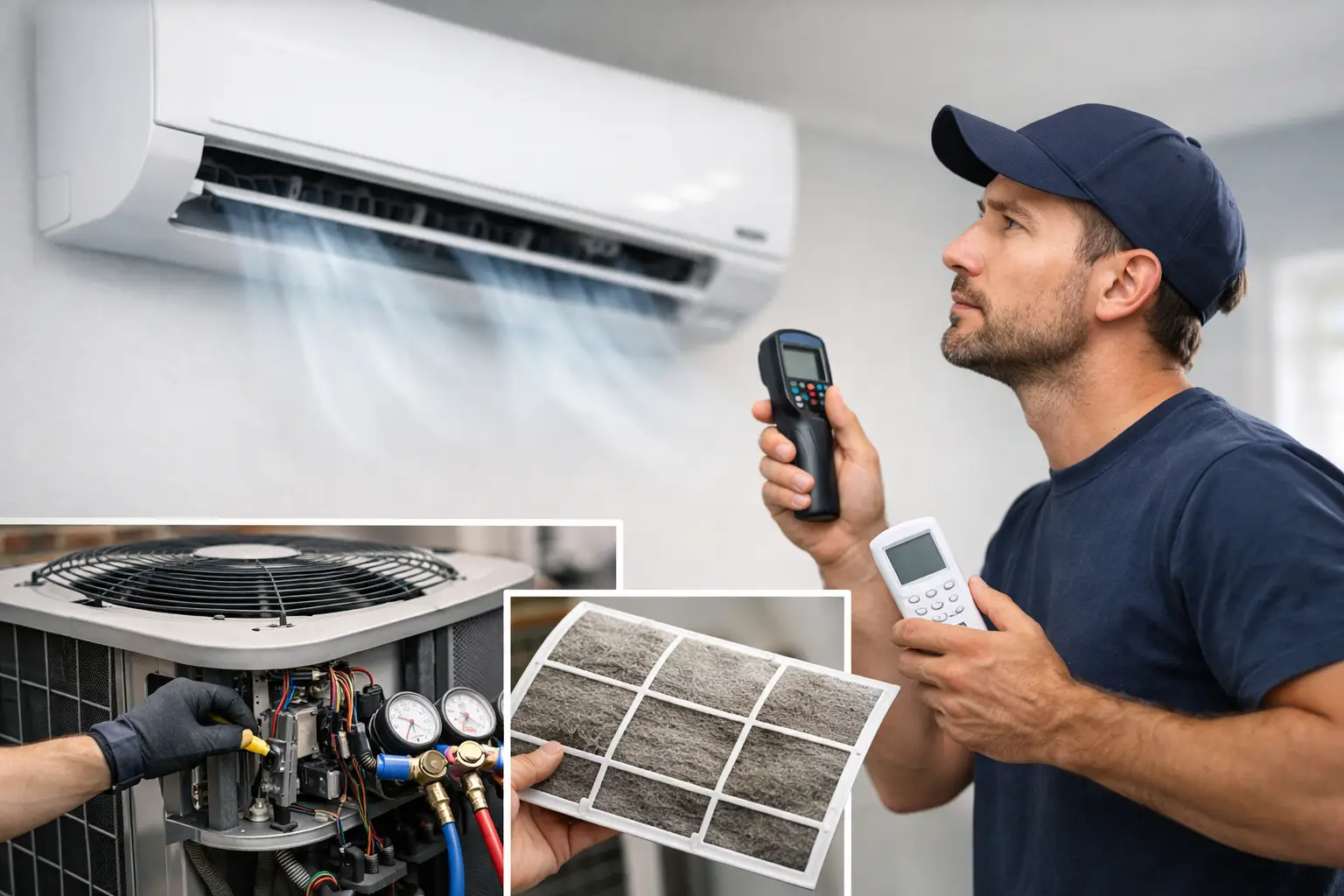
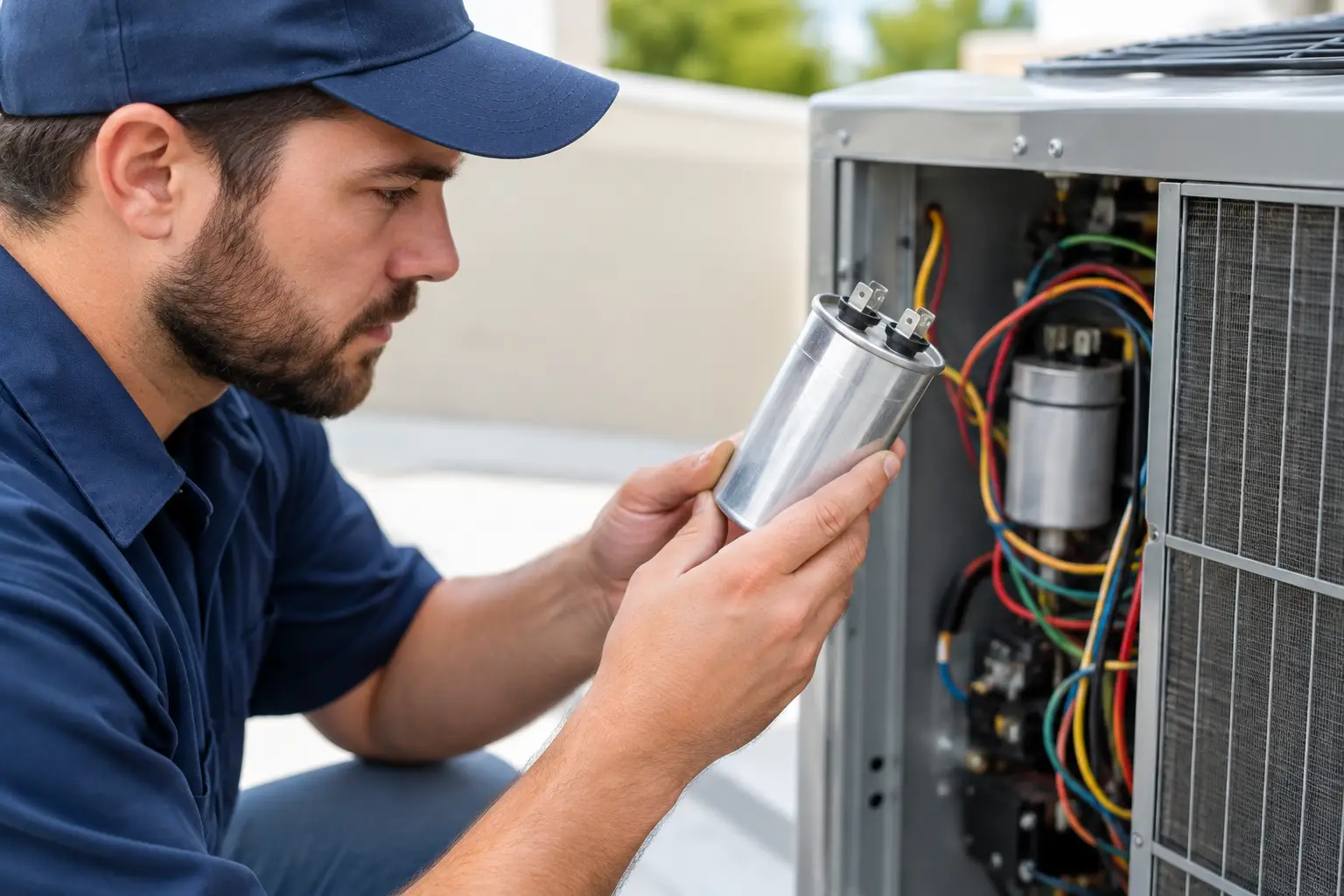
A thorough visit typically covers cleaning or replacing the air filter, inspecting and cleaning the burners, checking the heat exchanger for cracks, testing the ignition and flame sensor, lubricating moving parts, examining electrical connections, and verifying that the thermostat is calling for heat correctly. We also measure airflow and check the venting, because a furnace that can’t breathe properly will never run efficiently no matter how clean the internals are.
Furnace Tune-Ups Versus Heating Repairs
People often blur these two together, but they serve different purposes. A tune-up is preventive — it keeps a healthy system healthy and spots early warning signs. Heating repair services, on the other hand, address something that’s already broken: a furnace that won’t ignite, a heater blowing cold air, strange banging noises, or a unit that short-cycles every few minutes.
The honest truth is that consistent maintenance dramatically reduces how often you’ll need repairs at all. Industry data from HVAC manufacturers consistently shows that the majority of mid-winter breakdowns trace back to issues that a routine inspection would have flagged months earlier. Regular care isn’t a luxury — it’s the cheapest insurance you can buy for your home comfort system.
When Maintenance Reveals You Need More
Sometimes a tune-up uncovers a system that’s simply at the end of its rope. If your furnace is pushing past 15 to 20 years, needs frequent furnace repair, and your energy bills keep climbing, the smarter long-term move may be furnace replacement rather than repeated patch jobs. Modern high-efficiency units whether gas furnace installation or a heat-pump-based indoor heating solution can cut energy use significantly and qualify for rebates that soften the upfront cost. A trustworthy heating technician will lay out the math honestly so you can decide, rather than pushing the most expensive option.
How Often Should You Schedule Heating Maintenance?
The widely accepted industry standard is once a year, ideally in early fall before the cold settles in and before every HVAC company in the city gets booked solid. For San Francisco specifically, we often recommend annual service for gas furnaces and, for homes with combined heating and cooling, a check-in for both the heating and the air conditioning side so nothing gets neglected.
A Simple Way to Tell Your System Needs Attention
You don’t need to be a technician to spot trouble. Listen for new rattles, grinding, or booming sounds on startup. Notice if certain rooms never warm up evenly. Pay attention to a sudden jump in your energy bill, a persistent burning or musty smell, or a yellow burner flame instead of a steady blue one. Any of these is your system asking for help, and ignoring them rarely ends well or cheaply.
If your unit is already struggling on a cold night, that’s when emergency heating services earn their keep. A reliable residential heating contractor should be reachable when things go wrong at 9 p.m. on a Sunday, not just during business hours on a sunny Tuesday.
Choosing the Right Heating Company in San Francisco
Not all HVAC heating services are created equal, and the difference shows up in your comfort, your safety, and your wallet. The contractors worth trusting are licensed and insured, transparent about pricing, and willing to explain what they’re doing and why. They don’t invent problems, and they don’t talk down to you.
Experience with local conditions matters too. A technician who understands San Francisco’s older housing stock, mixed furnace types, and quirky ductwork will diagnose faster and more accurately than someone applying a one-size-fits-all checklist. That local fluency is something we lean on heavily at Heating And Air Experts, because a Victorian in Noe Valley and a newer building in Mission Bay present very different heating realities.
Maintenance Plans Are Worth Considering
Many reputable residential heating contractors offer annual maintenance agreements, and for most homeowners they pay for themselves. These plans usually bundle a yearly tune-up, priority scheduling during peak season, and discounted heating system repair if something does break. The real value is peace of mind. You stop thinking about your furnace because someone reliable already is.
Don’t Forget the Thermostat and Air Quality Side
Heating performance isn’t only about the furnace. An aging or poorly calibrated thermostat can sabotage an otherwise healthy system, which is why thermostat installation or a smart thermostat upgrade often pairs naturally with a maintenance visit. A programmable or WiFi thermostat lets you schedule heat around your actual life, trimming energy waste without sacrificing comfort.
Likewise, the cleanliness of your ducts and filters directly affects both heating efficiency and the air you breathe. Clogged ducts force your system to work harder, while accumulated dust and allergens degrade indoor air quality. Pairing heating maintenance with periodic air duct cleaning gives you warmer, cleaner, more efficient performance from the same equipment.
The Long-Term Payoff of Staying Ahead of It
When you zoom out, heater maintenance is really about three things working together: lower energy bills, fewer surprise breakdowns, and a safer home. A well-maintained furnace can outlast a neglected one by several years, which delays the much larger expense of heating system installation. Over the lifespan of your equipment, the few hundred dollars a year you spend on upkeep is dwarfed by what you save in avoided repairs, wasted energy, and premature replacement.
The homeowners who treat their HVAC system like their car — regular check-ups, prompt attention to small issues — almost never call us in a panic during a cold snap. That’s the goal: a heating system you barely think about because it simply works.
Conclusion
A heater Heater Maintenance Services in San Francisco, CA The smartest thing any San Francisco homeowner can do is treat maintenance as routine rather than reactive, catching small problems before they grow into cold nights and expensive repairs. Whether you need a seasonal tune-up, a stubborn furnace repaired, a thermostat upgraded, or honest advice about replacement, the right partner makes all the difference.
That’s the standard we hold ourselves to at Heating And Air Experts. If your system is overdue for a check-up or showing early warning signs, don’t wait for the fog to win, schedule your heater maintenance now and head into the next cold stretch with confidence.
FAQ’s
How often should I have my heater serviced?
Once a year is the industry standard, ideally in early fall before heavy use begins. Annual service keeps your system efficient, extends its lifespan, and catches safety issues like carbon monoxide risks before they become dangerous.
How much does heater maintenance typically cost?
A standard furnace tune-up usually falls in a modest, predictable range, far less than a major repair or replacement. Many homeowners save more than the service costs through improved efficiency and avoided breakdowns, especially with a yearly maintenance plan.
How do I know if I need a repair instead of just maintenance?
If your heater won’t ignite, blows cold air, short-cycles, makes loud noises, or you notice a sudden spike in your energy bill, those point to a repair. A maintenance visit can confirm the cause and tell you whether a fix or replacement makes more sense.
Is heater maintenance really necessary in a mild climate like San Francisco?
Yes. Our damp, foggy air and frequent short heating cycles cause corrosion and wear that aren’t obvious. Regular upkeep protects efficiency and safety even though we rarely see freezing temperatures.
Can I do heater maintenance myself?
You can handle basics like replacing filters and keeping vents clear. But combustion checks, heat exchanger inspections, and electrical work should be left to a licensed heating technician, both for safety and to keep your warranty valid.
When should I replace my furnace instead of repairing it?
If your unit is over 15 to 20 years old, needs frequent repairs, and runs up high energy bills, replacement is often the smarter long-term investment. A reputable contractor will walk you through the numbers honestly.
Do you offer emergency heating services?
Yes. Heating systems rarely fail at convenient times, so reliable emergency heating service is essential. A trustworthy contractor should be reachable when your heat goes out unexpectedly, not only during regular business hours.