Your furnace dying in the middle of a cold Fremont night is not just uncomfortable it’s a situation that demands fast, smart decisions. Whether your old unit finally gave out or you’re proactively upgrading before next winter, choosing the right furnace installation service in Fremont, CA can save you thousands of dollars and years of headaches. At Heating and Air Experts, we’ve helped hundreds of Fremont homeowners navigate this exact decision, and this guide is built on everything we’ve learned from those real-world installations.
Understanding What Furnace Installation Actually Involves
Most homeowners think furnace installation is just “swap the old one out and plug in the new one.” The reality is considerably more involved than that, and understanding the process helps you ask better questions and avoid being taken advantage of by contractors who cut corners.
A proper furnace installation starts with a load calculation — often called a Manual J calculation — which determines exactly how much heating capacity your home actually needs. This isn’t a guess or an eyeball estimate. It’s a detailed analysis that factors in your home’s square footage, ceiling height, insulation quality, window placement, local climate data, and even the direction your home faces. Fremont sits in Alameda County and experiences a mild but noticeably cool winter, particularly in neighborhoods closer to the bay. A house in Niles Canyon will have different heating demands than one in Warm Springs or Centerville, even if both are the same size.
Why Skipping the Load Calculation Costs You More in the Long Run
Many HVAC contractors skip the load calculation and simply install a furnace that’s the same size as whatever was there before. This feels logical but it’s actually a trap. If the previous unit was oversized — which is common in older Fremont homes — you’ll end up with the same problem all over again: a furnace that short-cycles, wearing out faster than it should and delivering uneven heat room to room.
An oversized furnace fires up, heats the air near the thermostat quickly, shuts off, and leaves the rest of your home still cold. An undersized one runs constantly and never fully warms the space. Neither is acceptable. The right size furnace runs in longer, steadier cycles that distribute heat evenly and keep your energy bills predictable.
The Role of Ductwork in a New Furnace Installation
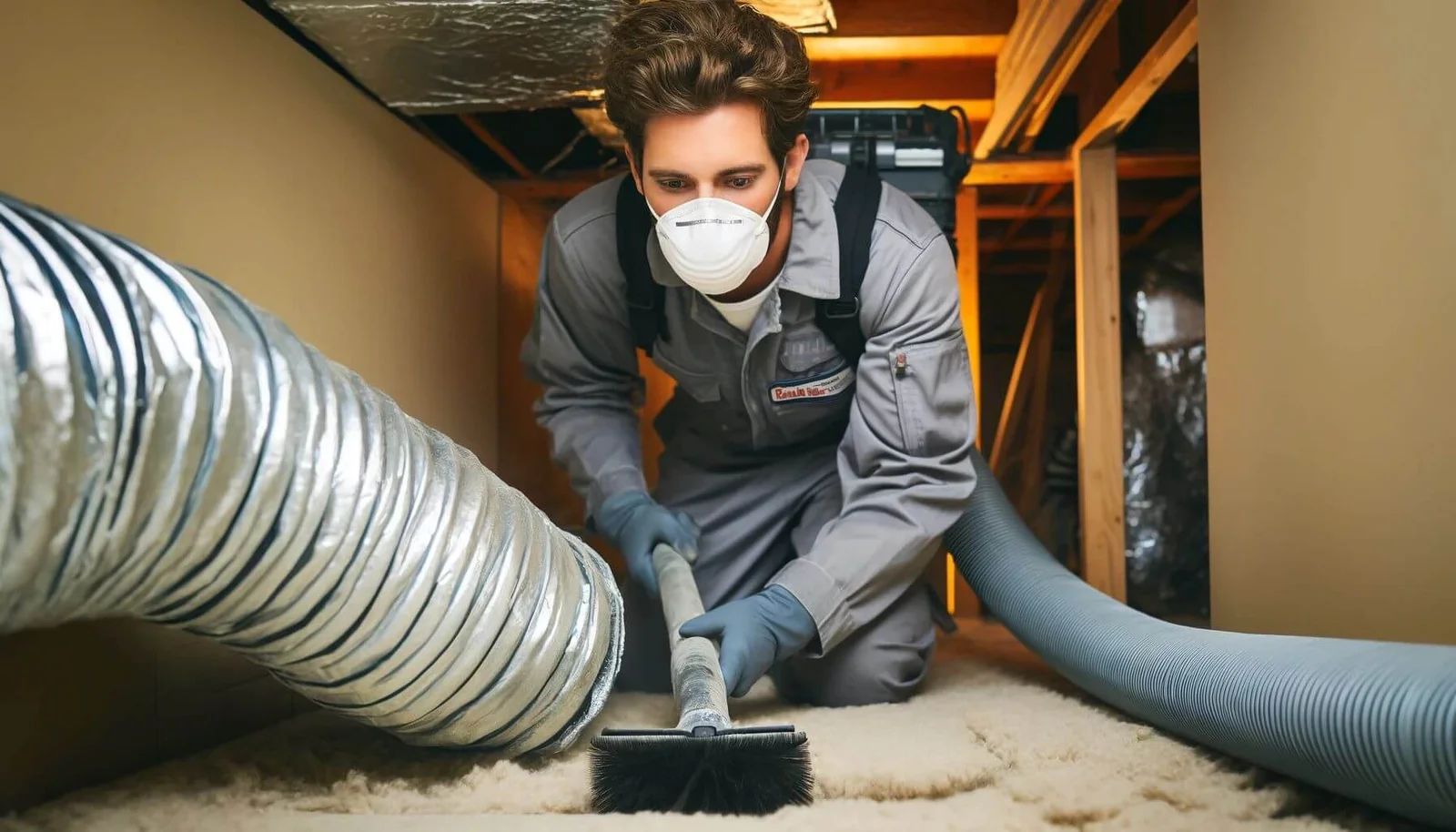
If your Fremont home has existing ductwork, a thorough contractor will inspect it before installing any new equipment. Old ducts with gaps, disconnected sections, or poor insulation can cause you to lose 20 to 30 percent of your heated air before it ever reaches a living space — a figure backed by the U.S. Department of Energy. Installing a high-efficiency Furnace Installation Service in Fremont, CA into a leaky duct system is like pouring water into a bucket full of holes. You’ll never see the energy savings you paid for.
A responsible installation team will either confirm your ducts are in good shape or give you an honest assessment of what repairs are needed. At minimum, they should seal the connections around the furnace itself during the installation.
Choosing the Right Furnace for Your Fremont Home
The furnace market has changed dramatically over the last decade. Homeowners today have more options than ever — and more ways to make an expensive mistake if they don’t understand what they’re choosing.
Gas Furnaces vs. Electric Furnaces
Natural gas furnaces remain the most popular choice for Fremont homeowners, and for good reason. Pacific Gas and Electric serves the area, and gas heating tends to be more cost-effective per BTU than electric resistance heating, especially during extended cold spells. A high-efficiency gas furnace with an AFUE (Annual Fuel Utilization Efficiency) rating of 95 or above will convert 95 cents of every dollar you spend on gas into actual heat. That’s a meaningful improvement over older units running at 60 to 70 percent efficiency.
Electric furnaces, on the other hand, have almost no installation complexity compared to gas — no venting, no gas line to worry about — but they tend to cost more to operate monthly. They do make sense in specific situations: homes without existing gas service, properties where adding a gas line would be cost-prohibitive, or homeowners who are pairing their system with solar panels to offset electricity costs.
Heat pumps deserve a mention here as well. Given California’s push toward electrification and the available rebates through programs like the Inflation Reduction Act and California’s TECH Clean initiative, a heat pump system is worth serious consideration for Fremont homeowners. They’re highly efficient in mild climates like the Bay Area and can both heat and cool your home with a single system.
Single-Stage, Two-Stage, and Variable-Speed Furnaces
This is where most homeowners’ eyes glaze over, but it’s genuinely worth understanding.
A single-stage furnace operates at 100 percent capacity every time it runs. It’s either fully on or fully off. These units are the least expensive upfront but the least efficient over time, and they tend to create temperature swings — a blast of hot air followed by a cool-down period.
A two-stage furnace can operate at around 65 percent capacity during milder weather and ramp up to full power on colder days. This produces more even heat distribution and noticeably quieter operation. For most Fremont homeowners, a two-stage unit hits the sweet spot between upfront cost and long-term performance.
A variable-speed furnace takes efficiency even further, adjusting its output in small increments to maintain a nearly constant indoor temperature. The blower motor in these units also circulates air continuously at low speeds, which dramatically improves air filtration and indoor air quality. If anyone in your household has allergies or asthma — something that matters given Fremont’s position near industrial areas and the bay — a variable-speed system paired with a quality air filter is worth the additional investment.
What to Expect During the Furnace Installation Process
Knowing what a professional furnace installation services looks like gives you a way to hold your contractor accountable. This is what a properly executed furnace installation in a Fremont home should involve, from start to finish.
The Day of Installation
Your installation crew should arrive on time and begin by protecting your floors and work area. Removing an old furnace involves disconnecting gas lines, electrical connections, and ductwork — a process that should be handled with care to avoid damaging surrounding components or the structure of your home.
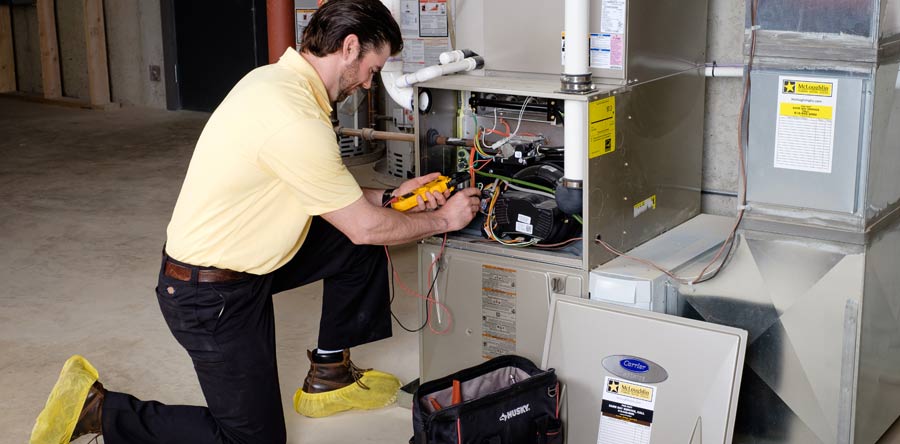
Once the old unit is out, the team will position the new furnace, make all mechanical connections, and then configure the system before starting it for the first time. That startup process is not just flipping a switch. A professional technician will measure airflow, check static pressure in the duct system, verify the gas pressure at the furnace, test the heat exchanger for cracks or leaks, and confirm that the flue is venting combustion gases properly. Carbon monoxide risks are real, and a cracked heat exchanger on a new installation while rare must be caught before the homeowner is ever left alone with the system.
Permits and Code Compliance in Fremont
Furnace installation in Fremont requires a permit through the City of Fremont’s Building and Safety Division. This is not optional, and any contractor who suggests pulling permits is unnecessary or that you can skip them to save money is a red flag you should take seriously.
Permits exist for safety. They ensure an independent city inspector reviews the work and verifies it meets California’s building and mechanical codes. For homeowners, having a permitted installation on record also protects your property value and ensures your homeowner’s insurance isn’t voided by unpermitted HVAC work. Heating and Air Experts handles the permitting process on behalf of our customers as part of every installation — it should never fall to the homeowner to figure out.
What Happens After the Install
A good installation team doesn’t leave the moment the furnace fires up. They’ll walk you through the new thermostat settings, explain the filter replacement schedule, register your equipment warranty if the manufacturer allows contractor-assisted registration, and leave you with documentation for everything that was installed. You should receive a written record of the load calculation, the equipment model and serial numbers, and the permit number for the installation.
How to Choose the Right Furnace Installation Company in Fremont, CA
Fremont has no shortage of HVAC contractors, but the range in quality is enormous. Some are excellent. Some will sell you equipment you don’t need, install it incorrectly, and be unavailable when problems arise.
Licensing, Insurance, and NATE Certification
In California, HVAC contractors must hold a C-20 Warm-Air Heating, Ventilating and Air-Conditioning contractor’s license issued by the California Contractors State License Board. This is the bare minimum. Beyond licensing, look for technicians who hold NATE (North American Technician Excellence) certification, which is the industry’s most recognized third-party credential. NATE-certified technicians have passed rigorous exams that test real-world technical knowledge — it’s not just a piece of paper you get for signing up.
Make sure any contractor you hire carries general liability insurance and workers’ compensation. If an uninsured worker is injured in your home, you can be held liable. This is a conversation worth having before work begins, not after.
Getting and Comparing Estimates
Get at least three written estimates for your furnace installation. Each estimate should specify the exact equipment being proposed — brand, model number, AFUE rating, and warranty terms — along with a breakdown of labor costs and any ductwork or accessory work included. An estimate that just says “furnace installation, $X” tells you almost nothing and makes comparison impossible.
Be cautious of the lowest bid. In HVAC, corners are easy to cut and nearly impossible for a homeowner to detect. A contractor who skips the Manual J calculation, installs a furnace without pulling a permit, and uses substandard materials can give you a price that looks attractive until the problems start showing up six months later.
A mid-range estimate from a licensed, insured, NATE-certified contractor who pulls permits and performs a proper load calculation is almost always the better value over time.
Local Knowledge Matters More Than You’d Think
A contractor who works regularly in Fremont understands the specific challenges of the area. Bay Area homes span a wide range of ages and construction styles — from mid-century ranch homes in the Mission San Jose neighborhood to newer construction in Warm Springs. Local contractors also know Fremont’s permitting office, have established relationships with inspectors, and understand the microclimates that affect which equipment makes the most sense for different parts of the city.
Furnace Installation Costs in Fremont, CA
Giving a precise number without knowing your home’s specifics is impossible, but we can give you realistic ranges so you know what to expect.
For a standard single-stage gas furnace installation in an average Fremont home, including equipment, labor, and permits, most homeowners spend between $3,000 and $5,500. A higher-efficiency two-stage or variable-speed system with more involved ductwork work can bring that figure up to $6,000 to $9,000 or more. Heat pump systems, which are eligible for significant federal and state rebates, have a higher upfront cost but the rebates — sometimes totaling $2,000 to $3,000 — bring the effective cost down meaningfully.
Several factors will affect where your project falls in these ranges: the size of your home, the accessibility of your existing ductwork and furnace location, whether any gas line modifications are needed, and the brand and efficiency tier of equipment you select.
Financing options are available through many contractors and equipment manufacturers, and California residents should always check with the Bay Area Air Quality Management District for available rebates on high-efficiency equipment before committing to a purchase.
Conclusion
Installation is the beginning, not the end. A properly maintained furnace will last 15 to 20 years and deliver consistent performance throughout. Neglected systems routinely fail in 8 to 12 years and cost significantly more to operate during that shorter lifespan.
Change your air filter every one to three months depending on the type of filter and your household conditions. If you have pets, live near a dusty road, or run your system heavily, check it monthly. A clogged filter restricts airflow and forces your furnace to work harder, which raises your energy bills and accelerates wear on the blower motor and heat exchanger.
Schedule a professional furnace installation services tune-up once a year, ideally in early fall before the heating season begins. A technician will clean the burners, inspect the heat exchanger, test safety controls, check refrigerant levels if your system includes cooling, and verify that combustion gases are venting properly. Annual maintenance also keeps most manufacturer warranties valid — many require documented annual service as a condition of coverage.
Frequently Asked Questions
How long does a furnace installation take in Fremont?
Most residential furnace installations take four to eight hours for a straightforward replacement. If ductwork modifications are needed or the installation location is complicated, it can extend to a full day or longer. Your contractor should give you a realistic timeframe before work begins.
Do I need a permit to replace my furnace in Fremont?
. The City of Fremont requires a mechanical permit for furnace replacements, and the work must pass a city inspection. Any licensed contractor should pull this permit on your behalf as a standard part of the job.
What size furnace do I need for my Fremont home?
Size depends on a Manual J load calculation, not square footage alone. Factors like insulation, ceiling height, window size, and local climate all affect the answer. A proper calculation is the only reliable way to determine the right capacity.
How much can I save on energy bills with a new high-efficiency furnace?
Replacing a furnace with a 70 percent AFUE rating with a 96 percent AFUE model can reduce your heating costs by 25 to 35 percent annually, depending on usage patterns and gas prices. In Fremont’s moderate climate, the payback period on a high-efficiency upgrade is typically five to eight years.
Are there rebates available for furnace installation in Fremont?
Yes. Federal tax credits under the Inflation Reduction Act, PG&E rebates, and Bay Area Air Quality Management District incentives are all potentially available depending on the equipment type and efficiency level. Ask your contractor to walk you through current programs before you finalize your equipment selection.