When winter temperatures drop in the Bay Area, having a reliable heating system is not a luxury, it is a necessity. Whether you are replacing an aging unit or installing a furnace for the first time, choosing the right service provider makes all the difference. Heating And Air Experts has built a strong reputation in the Fremont, CA area for delivering professional, dependable furnace installation that homeowners can count on. With so many options on the market and local codes to navigate, this guide will walk you through everything you need to know from selecting the right furnace type to understanding costs, permits, and what to expect on installation day.
What Is a Furnace Installation Service?
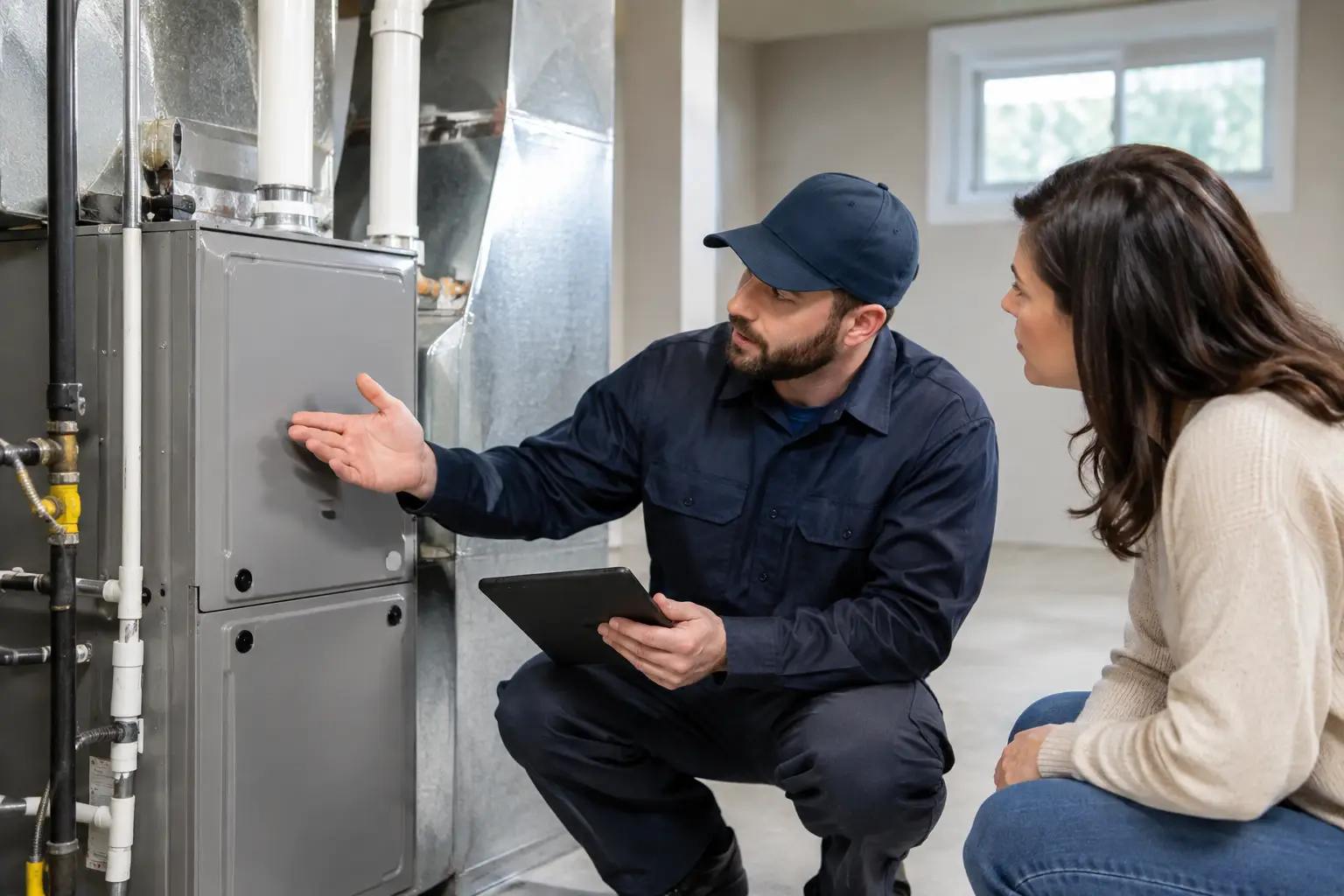
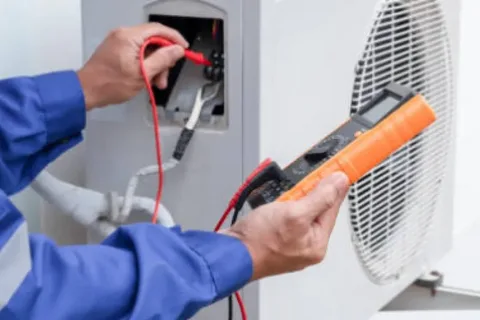
A furnace installation service is the professional process of selecting, positioning, connecting, and testing a new heating unit in your home. It goes well beyond simply placing a box in your utility room. A qualified HVAC technician will assess your home’s square footage, insulation levels, ductwork condition, and existing infrastructure before recommending the right system for your needs.
Many homeowners confuse repair with replacement. If your furnace is under ten years old and experiencing minor issues, a repair may be the smarter choice. However, if your unit is over fifteen years old, requires frequent repairs, produces uneven heat, or has caused a noticeable spike in your energy bills, a full replacement is almost always the more cost-effective long-term decision.
Types of Furnaces Available for Fremont, CA Homes
Understanding the different furnace types helps you make an informed decision before calling a contractor.
Gas Furnaces Gas furnaces are the most common choice in California homes. They heat air quickly, operate efficiently, and tend to have lower monthly operating costs compared to electric alternatives. Modern gas furnaces carry AFUE (Annual Fuel Utilization Efficiency) ratings of 80 to 98 percent, meaning they convert the vast majority of fuel into usable heat.
Electric Furnaces Electric furnaces are simpler in design, require no gas line, and produce no combustion byproducts. They tend to cost less upfront to purchase and install, though monthly operating costs are typically higher in areas where electricity rates are elevated which is a real consideration in the Bay Area.
Dual-Fuel and High-Efficiency Systems Dual-fuel systems pair a heat pump with a gas furnace, automatically switching between the two depending on outdoor temperatures. These systems offer exceptional efficiency and are growing in popularity as California pushes toward electrification of home heating. High-efficiency condensing furnaces are another strong option, capturing heat from exhaust gases that older models simply vented outside.
Which Furnace Type Is Best for Fremont’s Climate? Fremont experiences mild winters with occasional cold stretches. Most homeowners do well with a mid-to-high-efficiency gas furnace rated between 80 and 95 percent AFUE. Those looking to future-proof their home against California’s evolving energy policies may want to consider a dual-fuel or all-electric heat pump system.
How Much Does Furnace Installation Cost in Fremont, CA?
Cost is one of the first questions homeowners ask, and for good reason. Furnace installation in Fremont typically ranges between $2,800 and $6,500, depending on several key variables.
The unit itself usually accounts for $800 to $3,000 of that total, while labor and installation work makes up the remainder. High-efficiency models and larger homes with complex ductwork will push costs toward the higher end of the range.
Factors That Affect Installation Cost
The size of your home and the BTU output required by your furnace will directly influence price. Larger homes need more powerful units, which cost more both to purchase and to professional furnace installation. The condition of your existing ductwork is another major factor if ducts need to be repaired, sealed, or partially replaced, that adds to the total. The brand and efficiency rating of the furnace you choose, and whether your home needs an electrical panel or gas line upgrade, will also play a role in the final figure.
Hidden Costs to Watch Out For
Permit fees in Fremont typically run between $150 and $400. If your home lacks a properly sized return air system or your thermostat is outdated, those upgrades may be recommended at the time of installation. Always request a detailed written estimate before work begins so there are no surprises.
Step-by-Step Furnace Installation Process
Knowing what happens during an installation helps you prepare and ensures you can ask the right questions.
Step 1 — Home Assessment and Load Calculation
A professional technician will perform a Manual J load calculation to determine exactly how much heating capacity your home requires. This accounts for square footage, ceiling height, insulation quality, window placement, and local climate data. Skipping this step and guessing on furnace size is one of the most common and costly mistakes homeowners make.
Step 2 — Choosing the Right Furnace Size (BTU)
Furnaces are sized in BTUs (British Thermal Units). An undersized unit will run constantly and struggle to keep up on cold days. An oversized unit will short-cycle, leading to uneven temperatures, excessive wear, and higher energy bills. The load calculation in Step 1 drives this decision.
Step 3 — Removing the Old Unit
The existing furnace is safely disconnected from gas lines, electrical connections, and ductwork. Refrigerant handling and proper disposal of the old unit follow California environmental regulations.
Step 4 — Installing the New Furnace
The new unit is positioned, connected to existing ductwork, and hooked into your gas supply and electrical system. Flue venting is installed or updated to match the new furnace’s requirements. High-efficiency condensing furnaces require a different venting approach than standard models, which your technician will handle.
Step 5 — Testing, Safety Checks, and Permits
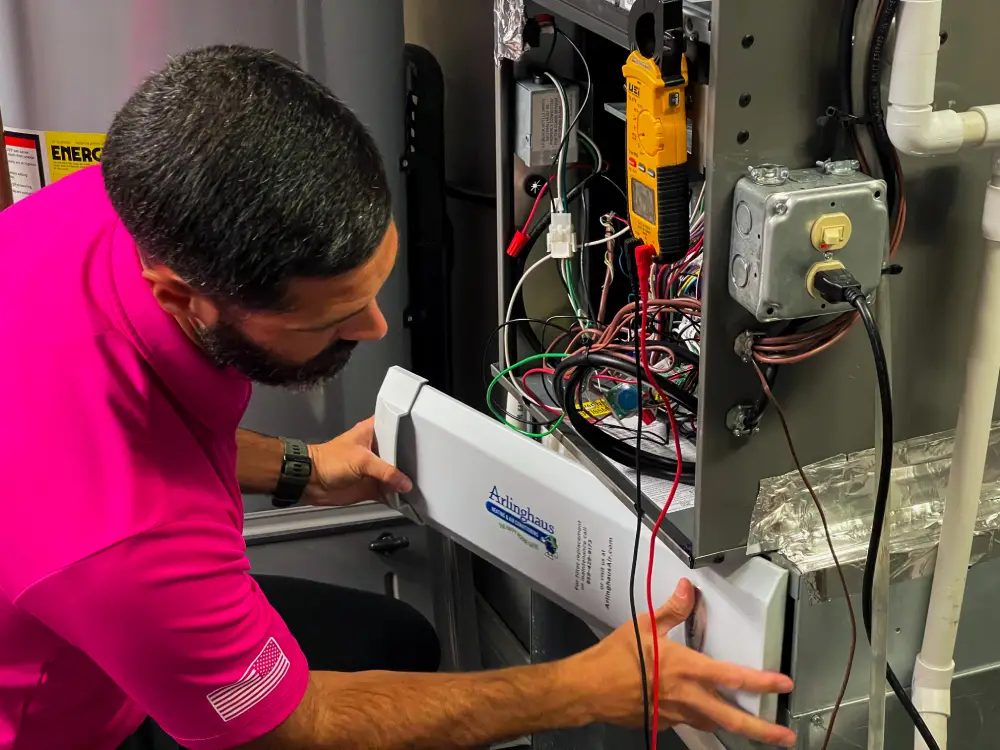
Before leaving, the technician will run the system through a full operational test, check for gas leaks, verify proper airflow, calibrate the thermostat, and confirm that all safety controls are functioning correctly. If a permit was pulled which it should be, a city inspection may follow within a few days to sign off on the work.
How to Choose the Right Furnace Installation Company in Fremont, CA
Not all HVAC contractors are created equal. Furnace Installation In California, must be performed by a licensed C-20 HVAC contractor. Always verify that your contractor holds a current license through the California Contractors State License Board (CSLB) before signing anything.
Beyond licensing, look for contractors who carry general liability insurance and workers’ compensation coverage. These protect you if something goes wrong on your property during the job.
When getting quotes, ask how long the company has been in business, whether they perform their own installations or subcontract the work, what warranty they offer on labor, and whether they will pull the required permit. Any company that suggests skipping the permit to save money is a serious red flag. Unpermitted work can void your homeowner’s insurance, cause issues when selling your home, and leave you liable if problems arise later.
Benefits of Professional Furnace Installation
Safety and Code Compliance Improper furnace installation can lead to carbon monoxide leaks, gas line hazards, and fire risks. A licensed professional ensures the installation meets all California building codes and NFPA safety standards.
Warranty Protection Most furnace manufacturers require professional installation to validate the equipment warranty. DIY installation or work by an unlicensed technician will typically void the manufacturer’s coverage entirely.
Energy Efficiency and Lower Utility Bills A correctly sized and properly installed furnace operates at its rated efficiency. An oversized or poorly installed unit can perform well below its advertised AFUE rating, costing you significantly more over its lifespan.
Furnace Installation Permits and Local Codes in Fremont, CA
In Fremont, any furnace installation or replacement requires a mechanical permit from the City of Fremont Building & Safety Division. Your contractor should handle the permit application as part of the job. Never agree to a “no permit” installation; it is illegal and puts you at risk.
California Title 24 energy standards also apply to new furnace installations. These regulations set minimum efficiency thresholds and installation quality requirements designed to reduce the state’s overall energy consumption. A knowledgeable contractor, such as the team at Heating And Air Experts, will be well-versed in these requirements and ensure full compliance on every job.
Conclusion
Installing a new furnace is one of the most impactful upgrades you can make to your Fremont home affecting your comfort, indoor air quality, energy costs, and property value for years to come. Getting it right means choosing the correct system for your needs, working with a licensed and experienced contractor, and ensuring all permits and inspections are properly completed.
Heating And Air Experts brings the knowledge, credentials, and local experience that Fremont homeowners can rely on. If you are ready to explore your options or want an honest, no-pressure assessment of your current heating system, reaching out to Heating And Air Experts is a smart first step toward a warmer, more efficient home this season.
Frequently Asked Questions
Most residential furnace installations are completed in four to eight hours. More complex jobs involving ductwork modifications or gas line work may take a full day.
Yes. A mechanical permit is required for all furnace installations and replacements in Fremont. Your licensed HVAC contractor should obtain this permit before beginning work.
Furnace sizing is determined by a Manual J load calculation, which factors in your home’s square footage, insulation, climate zone, and other variables. There is no reliable one-size-fits-all answer — proper sizing requires professional assessment.
Most furnaces have a useful lifespan of 15 to 20 years. If your unit is approaching or beyond that age and requires frequent repairs, replacement is typically the more economical choice.
Gas furnaces are generally preferred in Fremont for their lower operating costs and faster heating performance. However, homeowners interested in reducing their carbon footprint or preparing for California’s long-term electrification goals may prefer an electric heat pump system.