Your furnace always seems to quit on the coldest, foggiest night of the year — never on a sunny afternoon when finding help would be easy. That’s the moment most San Francisco homeowners realize they should have learned how to choose residential heating contractors before the emergency hit, and it’s exactly why we put this guide together at Heating and Air Experts. The goal here isn’t to sell you anything. It’s to help you understand how home heating works in this city, what good contractors actually do, and how to tell a trustworthy pro from someone who just shows up with a van and a clipboard.
San Francisco heating is its own animal. The climate is mild but damp, the housing stock is old and full of quirks, and the rules around gas appliances and electrification are shifting fast. Hire the right heating company and you get warmth, lower energy bills, and a system that lasts. Hire the wrong one and you inherit a decade of callbacks. Let’s break down what separates the two.
Why San Francisco Homes Have Unusual Heating Needs
People outside the Bay Area assume California means warm weather and no heating worries. Anyone who has spent a July evening in the Sunset District knows better. The fog rolls in, the temperature drops into the 50s, and that chill works its way through single-pane windows and uninsulated walls like it owns the place.
The Fog-Belt Climate and Aging Housing Stock
San Francisco rarely sees freezing temperatures, so heating systems here don’t need to fight brutal cold. They need to fight persistent dampness and steady, moderate chill. That changes everything about sizing and system design.
A contractor who learned the trade in Sacramento or Phoenix might instinctively oversize a furnace to handle imaginary deep freezes. In a small Victorian flat, an oversized unit short-cycles — it blasts heat, shuts off, and turns back on minutes later. That cycling wears out parts, wastes gas, and leaves rooms unevenly heated. Local experience matters because the right answer here is usually a smaller, smarter, well-matched system, not a bigger one.
Then there’s the housing itself. Much of the Residential Heating Contractors in San Francisco, CA stock predates World War II. Edwardian and Victorian homes often have no ductwork at all, relying instead on gravity furnaces, floor heaters, or aging wall units. Retrofitting heat into a 1908 home without tearing apart its plaster and crown molding is a genuine skill, and it’s one reason generalist handymen struggle where specialized residential heating contractors thrive.
The Heating Systems You’ll Actually Find Here
Walk through a few SF homes and you’ll meet a museum of heating technology. Forced-air gas furnaces are common in newer or renovated properties. Wall furnaces and floor furnaces still heat thousands of older flats. Radiant systems show up in remodels. And increasingly, electric heat pumps are appearing as the city pushes toward electrification.
Each system fails differently and gets serviced differently. A contractor who only knows forced-air will fumble with a 40-year-old wall furnace. So before you hire anyone, it helps to know what you’ve got — and whether your contractor has hands-on experience with that specific equipment.
What Residential Heating Contractors Actually Do
The phrase “heating contractor” covers more ground than most people expect. A good one isn’t just a repair technician. They’re part diagnostician, part installer, part code expert, and part energy advisor. Their work generally falls into three buckets.
Installation and System Replacement
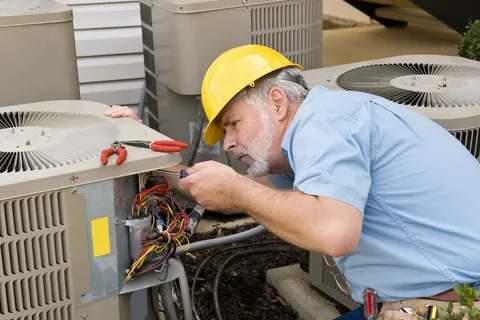
This is the big-ticket work. When a furnace reaches the end of its life — usually 15 to 20 years for a well-maintained gas unit — a contractor sizes a replacement, handles permits, removes the old equipment, and installs the new system safely.
Good installation is where reputations are made or broken. The U.S. Department of Energy has noted for years that improperly installed HVAC equipment can lose a substantial share of its rated efficiency, sometimes 30 percent or more, purely because of bad ducting, poor airflow, or incorrect sizing. The lesson is blunt: a top-tier furnace installed sloppily performs worse than a mid-range unit installed correctly. You’re not just buying a box. You’re buying the installation.
Repair and Emergency Service
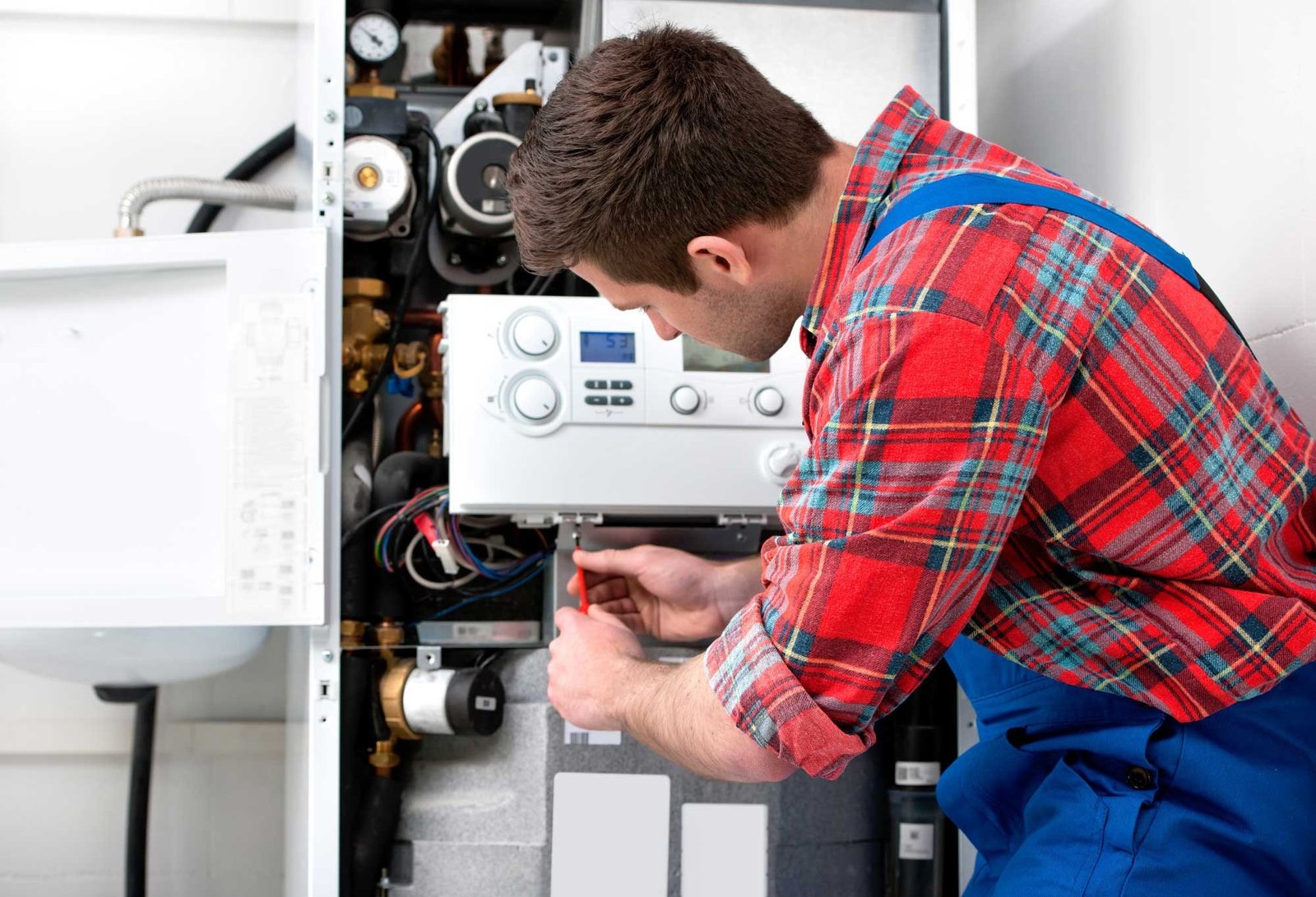
This is the bucket most homeowners think of first, usually at 11 p.m. when the heat dies. Repairs range from quick fixes — a faulty thermostat, a clogged filter starving the system of air — to serious work like replacing a cracked heat exchanger, a part that can leak carbon monoxide and is never something to ignore.
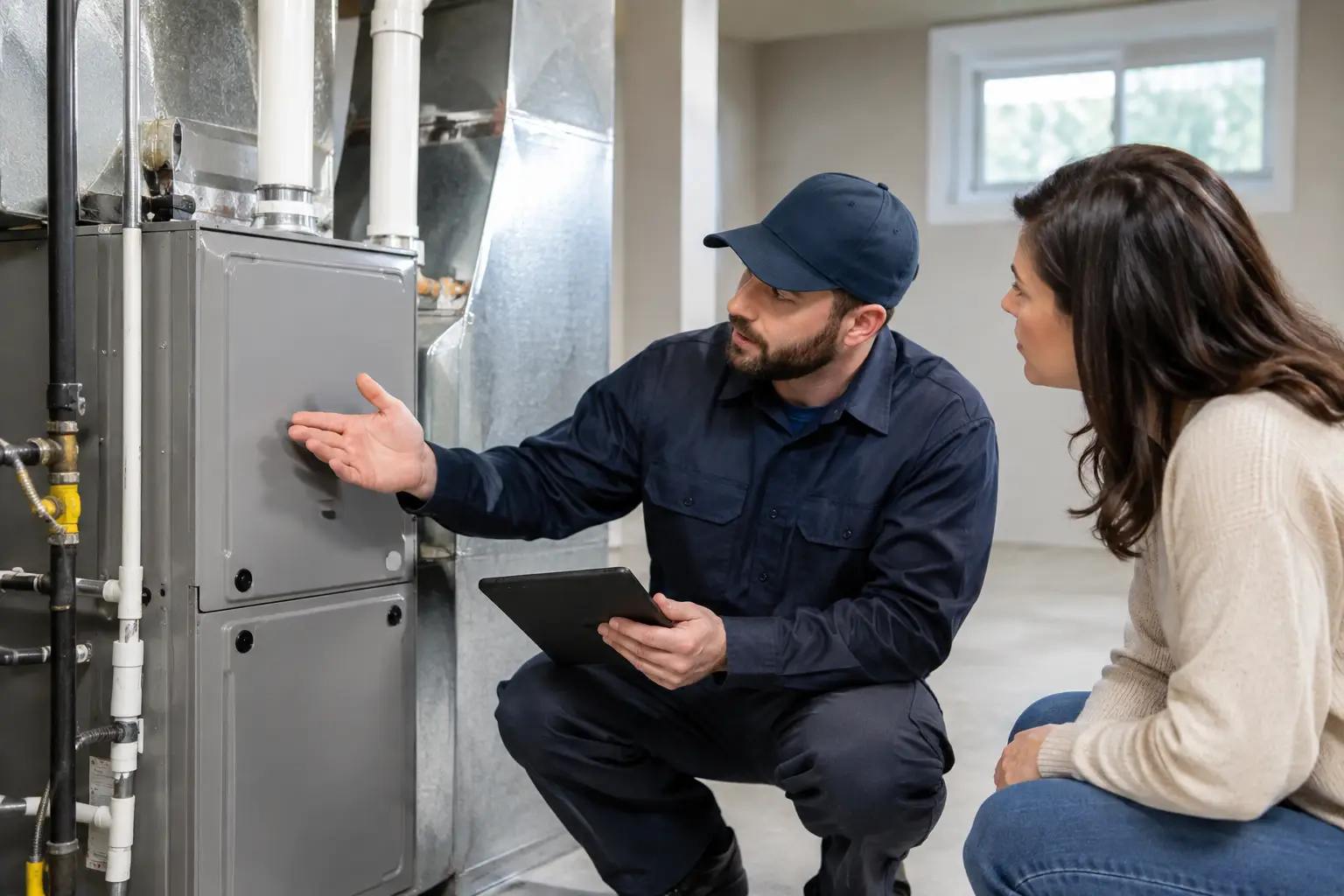
Here’s a piece of hard-won advice. When a tech tells you a furnace needs a major repair, ask for the diagnosis in plain language and, when it’s safe, ask to see the failed component. Honest contractors welcome the question. The evasive ones get defensive, and that reaction tells you everything.
Maintenance and Tune-Ups
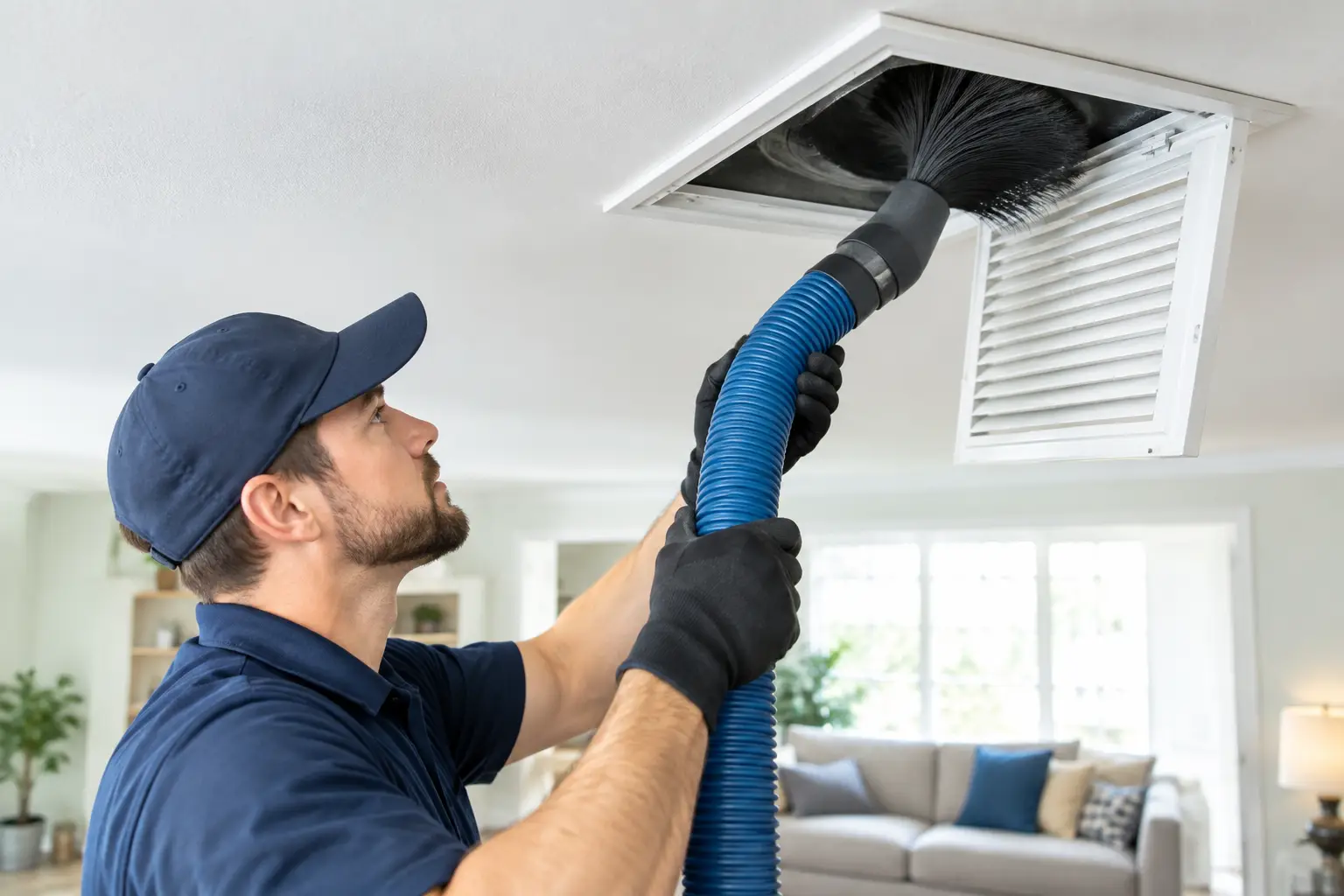
The least glamorous work is also the most valuable. Annual maintenance — cleaning burners, checking gas pressure, testing safety controls, inspecting the heat exchanger, swapping filters — is the difference between a system that quietly lasts two decades and one that dies young.
Industry technicians widely cite that a large share of no-heat emergency calls trace back to problems a routine tune-up would have caught months earlier. Think of it the way you think about an oil change. Skipping it saves a little money today and costs a lot later.
How to Choose the Right Heating Contractor in San Francisco
This is where the guide earns its keep. Plenty of companies can replace a furnace. Far fewer do it with the licensing, transparency, and local knowledge that protect you long after the truck pulls away.
Licensing, Insurance, and Certifications
Start with the non-negotiables. In California, HVAC contractors must hold a C-20 license from the Contractors State License Board, and you can verify any license number online in about two minutes. Skip this step and you have no real recourse if the work goes wrong.
Insurance matters just as much. A properly insured contractor carries liability coverage and workers’ compensation, which means an injury or accident on your property doesn’t become your financial problem. Ask for proof. A reputable company hands it over without hesitation.
Certifications add another layer of confidence. NATE certification (North American Technician Excellence) signals that technicians have passed rigorous, nationally recognized testing. It isn’t legally required, but it’s a strong marker of a company that invests in real training rather than learning on your dime.
Local Experience and Code Knowledge
A San Francisco heating job lives and dies by code compliance. California’s Title 24 energy standards govern efficiency requirements, and the city’s permitting process is famously detailed. Contractors who work here regularly know which jobs need permits, how to pass inspection, and how to handle the venting and seismic considerations that older buildings demand.
This is also where electrification rules come into play. The Bay Area Air Quality Management District has adopted rules phasing out the sale of new gas furnaces and water heaters over the coming years, pushing the region toward electric heat pumps. A forward-thinking contractor will walk you through how that timeline affects your replacement decision today — not spring it on you later.
A Quick Way to Compare Two Contractors
When you’re stuck between two bids, set them side by side and weigh four things rather than just the bottom-line price.
| Factor | What a strong contractor shows | Warning sign |
| Sizing method | Performs a load calculation for your home | “We’ll just match what you have” |
| Quote detail | Itemized parts, labor, permits, warranty | One vague lump sum |
| Local fluency | Talks confidently about Title 24 and permits | Dodges code questions |
| Communication | Answers plainly, no pressure | Hard-sells “today only” deals |
The cheapest quote rarely wins this comparison. The clearest one usually does, because clarity reflects competence.
Heating System Options Worth Knowing About
Whether you’re replacing a dead furnace or planning ahead, it helps to understand your realistic choices. The right pick depends on your home’s layout, your budget, and how long you plan to stay.
High-Efficiency Gas Furnaces
For homes with existing ductwork, a high-efficiency condensing furnace remains a popular, proven choice. Efficiency is measured by AFUE (Annual Fuel Utilization Efficiency), and modern high-efficiency units reach 90 to 98 percent, meaning almost every dollar of gas becomes usable heat. Given upcoming electrification rules, though, it’s worth asking your contractor whether a gas replacement still makes sense for your timeline.
Heat Pumps and the Electrification Shift
Heat pumps are having a moment in San Francisco, and the climate is part of why. Because the city almost never hits freezing, heat pumps operate in their efficiency sweet spot here, delivering both heating and cooling from a single electric system. They run cleaner, qualify for generous incentives, and align with where local policy is clearly heading.
The catch is upfront cost and, in some older homes heating contractors services electrical panel upgrades. A good contractor evaluates your panel capacity honestly rather than promising a painless swap.
Radiant Heat and Wall Furnaces
In homes without ducts, ductless mini-split heat pumps and modern wall units offer practical retrofits. Radiant floor heating, while a significant investment, delivers a gentle, even warmth that many homeowners adore — especially in remodels where the floors are already coming up. None of these is “best” universally. The best system is the one matched to your home and how you live in it.
Understanding Costs, Rebates, and Energy Savings
Money questions deserve straight answers, even though exact pricing depends on your specific home. Let’s set realistic expectations.
What Drives the Price
Several factors move the number. The type and efficiency of the system matters most, followed by the complexity of the installation — running new ductwork or upgrading an electrical panel adds labor. Accessibility plays a role too; a furnace crammed into a tight crawlspace or a top-floor closet takes longer to service than one in an open garage.
Be wary of any quote that arrives without someone actually inspecting your home. Serious heating work can’t be priced accurately over the phone, and a contractor willing to do so is either guessing or planning to “discover” extra charges later.
Rebates and Incentives That Cut the Cost
This is the good news. Electrification incentives in the Bay Area have grown substantially. Programs through PG&E, the Bay Area Air Quality Management District, and the federal government can meaningfully offset the cost of qualifying high-efficiency heat pumps, sometimes covering thousands of dollars.
The catch is that rebate programs change rules and funding regularly, so confirm current details before you count on a specific dollar amount. A contractor who stays current on these programs essentially lowers your real cost — another reason local expertise pays for itself.
Conclusion
Choosing among residential heating contractors in San Francisco comes down to a few clear principles. Verify the license and insurance. Favor local experience over a flashy pitch. Insist on a real home assessment and an itemized quote. And treat transparency as the single most reliable signal of quality, because a contractor who explains their reasoning is a contractor who has nothing to hide.
Do that homework before the fog rolls in and the furnace quits, not after. The best time to find a trustworthy heating company is on a comfortable day when you can compare calmly and ask good questions. Start the conversation now, keep this guide handy, and you’ll hire with confidence instead of panic. Your future self, warm, comfortable, and not facing a surprise bill will thank you.
Frequently Asked Questions
Are gas furnaces being banned in the Bay Area?
The Bay Area Air Quality Management District has adopted rules phasing out the sale of new gas furnaces and water heaters over the coming years. Existing systems aren’t being ripped out, but it’s smart to factor this timeline into any replacement decision.
What license should a heating contractor in California have?
Look for a valid C-20 license from the Contractors State License Board, which you can verify online. Also confirm liability insurance and workers’ compensation coverage before any work begins.
How long does a residential heating system last?
A well-maintained gas furnace typically lasts 15 to 20 years, while heat pumps often run a similar range. Regular maintenance can stretch that lifespan, while neglect shortens it considerably.
Is a heat pump a good choice for San Francisco’s climate?
Generally, yes. The mild, rarely-freezing climate lets heat pumps operate efficiently year-round, and they provide both heating and cooling. The main considerations are upfront cost and whether your electrical panel needs an upgrade.
Why does my furnace turn on and off so frequently?
Short-cycling often signals an oversized unit, a dirty filter restricting airflow, or a thermostat issue. It wastes energy and wears out components, so it’s worth having a qualified contractor diagnose the cause.