Your air conditioner almost always picks the worst possible moment to quit. A 95-degree afternoon in late July, the kind of dry Fremont heat that bounces off the driveway, and suddenly the house feels like an attic. That’s the moment most people start typing “cooling technician near me” into their phone. At Heating and Air Experts, we’ve answered that exact call more times than we can count, and the pattern is always the same: a small problem ignored for weeks finally turns into a full breakdown.
This guide exists so you don’t have to learn the hard way. I’ll walk you through what local cooling technician services in Fremont actually involve, when a repair makes more sense than a replacement, what good technicians do differently, and how to keep your system running through the warmest stretch of the year. Think of it as the conversation you’d want to have with a contractor friend before you ever pay a service fee.
Why Fremont’s Climate Demands Specialized Cooling Care
Fremont sits in a strange little pocket of the Bay Area. We get coastal breezes some days and bone-dry inland heat on others. That swing matters more than people realize, because air conditioning systems hate inconsistency almost as much as they hate neglect.
A unit that runs hard for a week, sits idle during a cool spell, then fires back up under load goes through more thermal stress than a system in a steadier climate. Components expand and contract. Refrigerant pressures shift. Over a few seasons, that stress shows up as worn capacitors, tired compressors, and condenser coils caked with the fine valley dust that drifts through Alameda County every summer.
The Hidden Cost of Putting It Off
Here’s something most homeowners don’t hear until it’s too late. A Local Cooling Technician Services in Fremont, CA cooling system rarely fails all at once. It declines. Energy bills creep up 10, 15, sometimes 20 percent before anyone notices, because the unit works harder to deliver the same comfort. The U.S. Department of Energy estimates that cooling accounts for a significant share of home energy use in warmer regions, and a poorly maintained system can quietly waste a quarter of that.
So the real cost of skipping service isn’t the repair you avoided. It’s the months of inflated bills plus the eventual breakdown, often arriving on the hottest day when emergency rates apply.
Local Knowledge Actually Matters Here
A technician who works Fremont neighborhoods every day knows things a generalist doesn’t. They know which subdivisions have older ductwork that leaks at the seams. They know that homes near Niles get more dust intrusion. They’ve seen how the heat behaves in two-story Mission San Jose houses versus single-level homes near the bay. That local pattern recognition turns a guessing game into a quick, accurate diagnosis.
What a Professional Cooling Technician Actually Does
People often picture an AC technician as someone who shows up, swaps a part, and leaves. The good ones do something closer to detective work. They follow the symptoms back to the root cause instead of treating the surface problem.
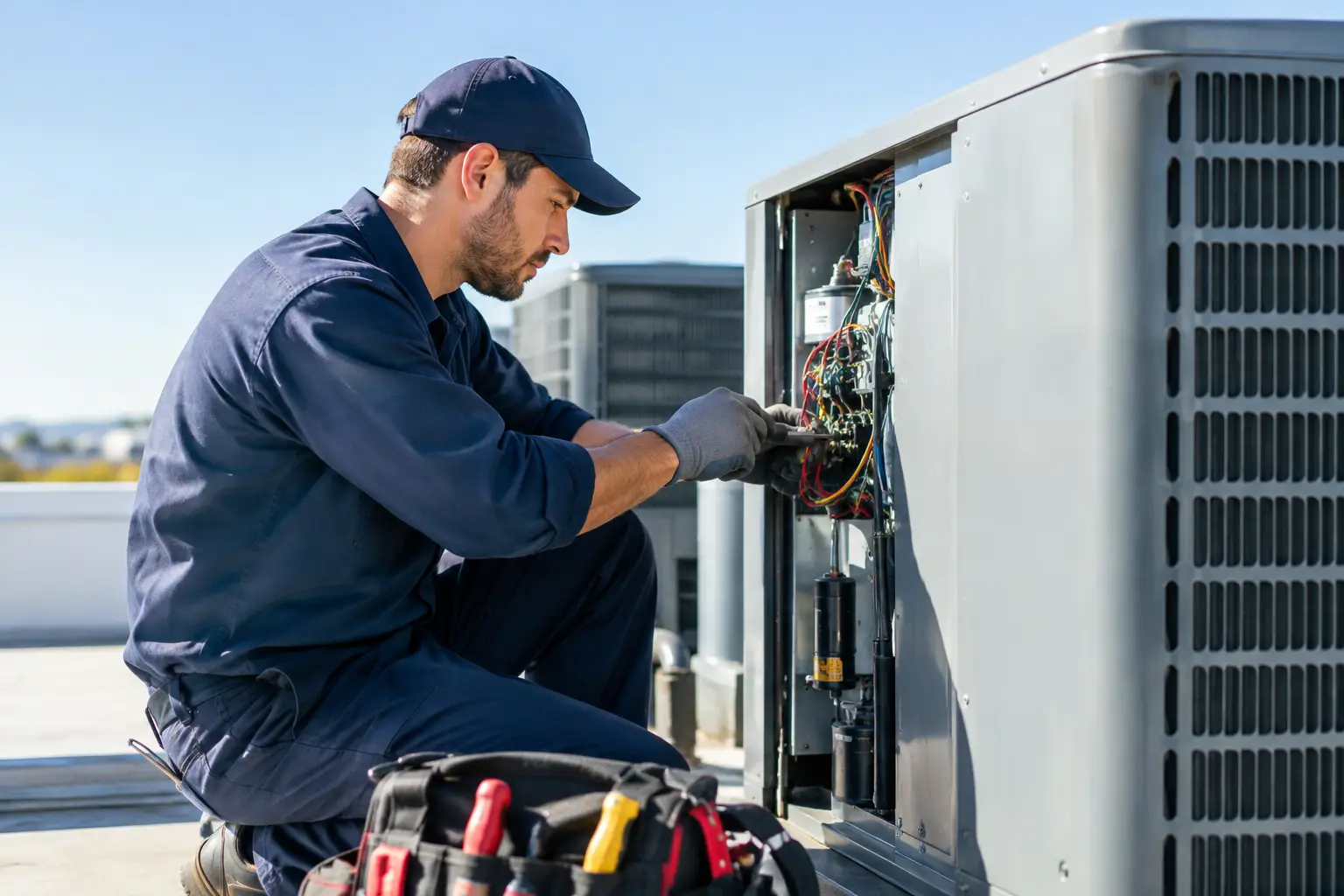
When we send a technician to a home, the first thing they do is listen. Not to the homeowner’s theory, but to the system itself. A high-pitched whine, a clicking relay, a compressor that hums but won’t start, each sound tells a story. Then come the measurements: refrigerant pressure, voltage at the capacitor, temperature split across the evaporator coil, airflow at the registers.
Common Repairs We See Across Fremont Homes
The repairs that come up again and again aren’t exotic. They’re predictable, which is good news, because predictable problems are usually preventable.
Refrigerant issues top the list. A system low on refrigerant isn’t just underperforming, it’s signaling a leak somewhere, and adding more without finding the source is like topping off oil in a car with a cracked pan. A proper technician finds the leak, repairs it, then recharges to the manufacturer’s spec.
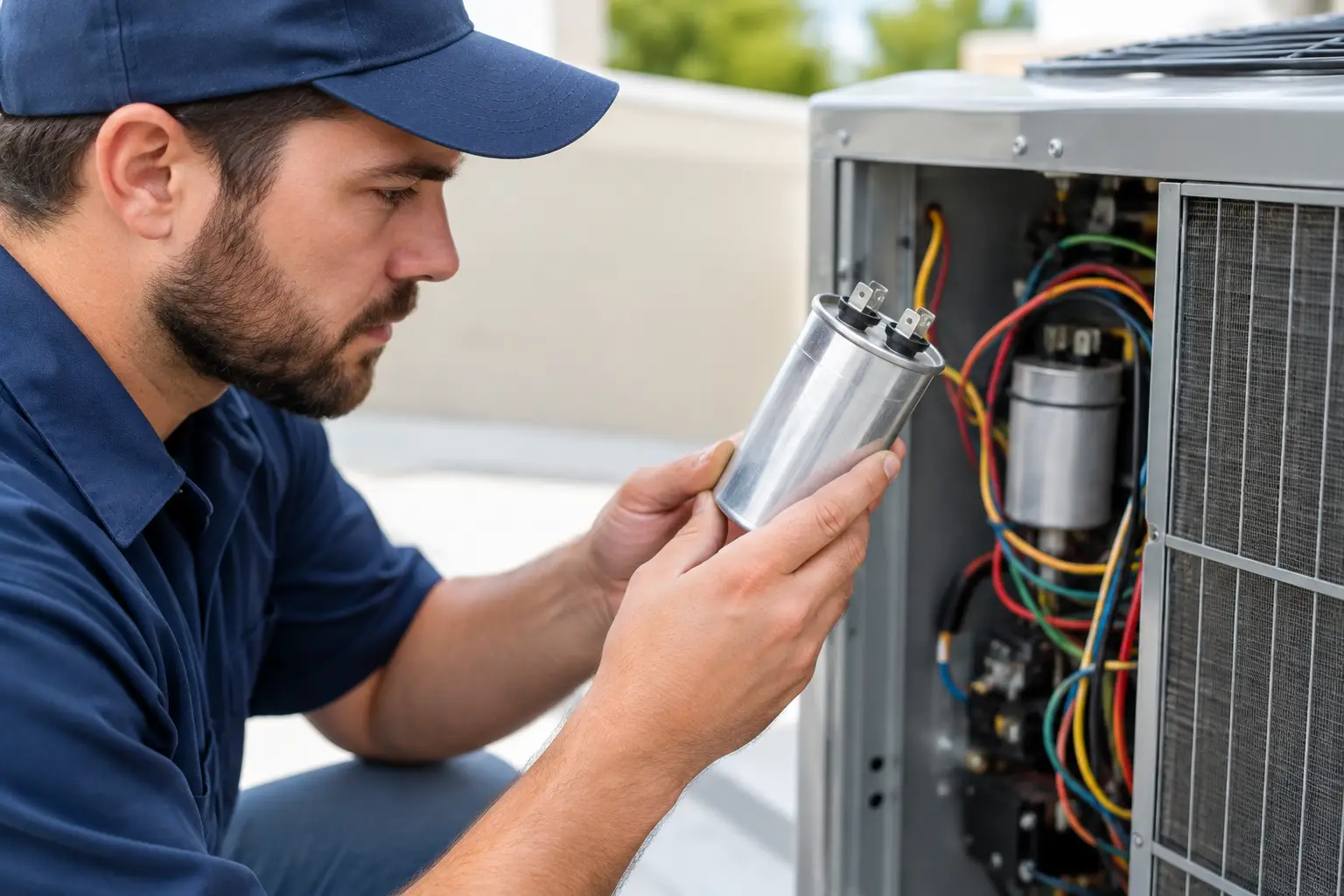
Capacitor and contactor failures come next. These small electrical components take a beating in our heat, and when they go, the unit either won’t start or short-cycles itself into early retirement. Frozen evaporator coils show up a lot too, usually traced back to restricted airflow or low refrigerant. And then there’s the slow killer: a dirty condenser coil that quietly chokes the system’s ability to dump heat outside.
The Difference Between Patching and Solving
This is where experience separates a real cooling technician from someone holding a wrench. Anyone can replace a failed part. The skill lies in understanding why it failed and whether the same conditions will kill its replacement in a few months.
I once watched a homeowner replace the same capacitor three times in one summer through different handymen, never once being told that the underlying issue was a failing fan motor drawing too much current. The capacitor wasn’t the disease. It was the symptom. A trained eye catches that on the first visit.
How to Know When You Need a Cooling Technician
Most cooling problems announce themselves long before total failure, if you know what to listen and look for. Catching them early is the single biggest favor you can do your wallet.
Warm air from the vents when the thermostat says cooling is the obvious one. But subtler signs matter just as much. Weak airflow suggests a blower or ductwork issue. A system that runs constantly but never quite reaches the set temperature points to a capacity or refrigerant problem. Strange smells, a musty odor or a sharp electrical scent, demand attention immediately.
Sounds Your System Should Never Make
A healthy air conditioner runs with a steady, almost boring hum. Anything dramatic is a flag.
Grinding usually means a motor bearing is failing. Squealing points to a belt or motor issue. A loud bang or clank when the system starts can indicate a compressor problem, which is the single most expensive component to replace. Rapid clicking that doesn’t lead to startup often means a relay or capacitor is on its way out. None of these get better with time.
The Five-Minute Self-Check Before You Call
Before you schedule a visit, a quick look can save you a service fee on something simple.
Check that the thermostat is set to cool and the batteries aren’t dead. Look at your air filter, a clogged filter causes more cooling complaints than almost anything else, and replacing it is something you can do yourself in two minutes. Glance at the outdoor unit to confirm it isn’t buried in leaves, grass clippings, or that valley dust. Make sure the breaker hasn’t tripped. If everything checks out and the house still won’t cool, that’s a genuine call for a professional.
Repair or Replace: Making the Smart Financial Call
This is the question that keeps homeowners up at night, and honestly, it deserves real thought rather than a salesperson’s quick push toward a new unit.
A reasonable rule many technicians use is the cost-versus-age framework. Multiply the repair cost by the age of the unit in years. If that number exceeds the price of a new system, replacement usually wins. A 700-dollar repair on a four-year-old unit is an easy fix. The same repair on a fifteen-year-old system is throwing money at a machine living on borrowed time.
What Age Really Tells You
Most central air systems last somewhere between 12 and 17 years with decent maintenance. Once a unit crosses the decade mark, repair frequency tends to climb, and efficiency drops behind newer models by a wide margin.
Older systems also often run on R-22 refrigerant, which has been phased out and is now expensive and hard to source. If your aging unit develops a refrigerant leak, the cost to recharge it can be eye-watering, which often tips the math firmly toward replacement.
Comparing Your Real Options
When you sit down to make this decision, weigh a few things honestly side by side.
- A repair gets you running fast and cheap today, but offers no efficiency gain and no warranty on the rest of the system.
- A replacement costs far more upfront, yet a modern high-SEER unit can cut cooling costs substantially and comes with a manufacturer warranty that protects you for years.
- A ductless mini-split, worth considering for additions or rooms that never cooled well, skips ductwork entirely and zones your comfort room by room.
The right answer depends on your timeline, your budget, and how long you plan to stay in the home. A good technician lays out the math without pressure and lets you choose.
What Sets a Trustworthy Fremont Cooling Service Apart
Not all service calls are equal, and the differences show up in places you might not think to look. After years in this trade, I’ve learned that the best indicator of quality isn’t the truck or the uniform, it’s the diagnosis.
Proper certification is the baseline, not the bonus. Technicians handling refrigerant are required to hold EPA Section 608 certification, and NATE certification signals a tested level of competence the whole industry respects. These aren’t marketing fluff. They’re proof the person touching your system actually knows the science behind it.
Transparency Is Everything
A technician who explains the problem in plain language, shows you the failed part, and gives you the cost before starting work has earned trust the honest way. The ones who quote vaguely, push fear, or refuse to show their reasoning are the ones to avoid.
We’ve built our reputation on the opposite approach: explain first, fix second, surprise nobody. When a customer understands what’s wrong and why, they make better decisions and they sleep better afterward.
The Value of a Maintenance Relationship
The smartest homeowners don’t wait for failure. They build a relationship with a service company that knows their system’s history. Annual maintenance, ideally in spring before the cooling season ramps up, catches the small problems while they’re cheap and keeps efficiency high.
Manufacturers themselves recommend regular professional Cooling Technician Services in Fremont, CA and many warranties actually require documented service to stay valid. Skipping it doesn’t just risk a breakdown, it can void the protection you paid for.
Keeping Your System Healthy Year After Year
The work doesn’t end when the technician drives away. The habits you keep between visits determine how long your investment lasts.
Change your air filter on a schedule, every one to three months depending on the type and your household. Keep the outdoor condenser clear, give it a couple feet of breathing room on all sides and rinse off accumulated dust gently with a hose. Pay attention to your energy bills, because a sudden jump with no change in usage is often the earliest warning of a developing problem.
And trust your senses. You live with your system every day. You know how it normally sounds, how fast it normally cools, what it normally feels like. When something shifts, that instinct is usually right, and acting on it early almost always costs less than waiting.
Conclusion
Cooling isn’t a luxury here, it’s the difference between a livable home and a miserable one during our hottest weeks. The homeowners who fare best are the ones who treat their AC like the major appliance it is: maintained proactively, repaired by qualified hands, and replaced thoughtfully when the math says so.
Don’t wait for the 95-degree breakdown to start thinking about it. Schedule a maintenance check before the season peaks, learn the early warning signs, and build a relationship with a local cooling technician you actually trust. Your comfort, your energy bills, and your future self will thank you.
If your system is showing any of the signs above, or you simply want peace of mind before summer settles in, reach out to a certified local team and get ahead of the heat while it’s still cheap to do so.
Frequently Asked Questions
Why is my AC running but not cooling the house?
Common causes include a dirty air filter, low refrigerant from a leak, a frozen evaporator coil, or a failing capacitor. Check the filter and thermostat first, then call a technician if the problem persists.
How long does a central air conditioner last?
With regular maintenance, most systems last 12 to 17 years. Once a unit passes the decade mark and repairs grow frequent, replacement usually becomes the smarter financial choice.
Is it worth repairing an old air conditioner?
It depends on age and repair cost. A useful rule is to multiply the repair price by the unit’s age in years; if that exceeds a new system’s cost, replacement typically wins. Older R-22 systems especially tend to favor replacement.
What certifications should a cooling technician have?
Look for EPA Section 608 certification, which is required for handling refrigerant, and NATE certification, which demonstrates tested technical competence. These confirm the technician genuinely understands your system.
Can I troubleshoot my AC myself before calling a pro?
Yes, for the basics. Confirm the thermostat setting, replace a dirty filter, clear debris from the outdoor unit, and check that the breaker hasn’t tripped. If the house still won’t cool after that, it’s time for a professional.