Learn about the Expert thermostat installation near me in Danville, CA. Track options, setup costs, and find the Best digital thermostat installation in Danville, CA.
Managing interior climate preferences inside the San Ramon Valley requires reliable automation hardware to counteract daily temperature swings. Residential properties throughout the East Bay area experience fluctuating heating and cooling performance when baseline control modules fail to read room conditions accurately. Restoring precise environmental management demands detailed low-voltage circuit tracking, correct communication terminal alignment, and precise thermal sensor calibration. Local property owners require specialized technical solutions to replace failing wall switches, fix irregular cycling patterns, or reconfigure mismatched multi-stage equipment connections. Securing an Expert thermostat installation near me in Danville, CA helps neighborhood residential layouts maintain ideal indoor comfort through every shifting season. Heating And Air Experts supplies comprehensive climate control updates and professional system integration designed to optimize energy usage across the localized municipal community. Our field personnel manage every stage of system wiring verification, automated scheduling setup, and wireless network pairing to support a healthy home layout.
Why Contra Costa Property Owners Invest in Modern Climate Control Automation
Residential buildings positioned near the base of Mount Diablo require adaptable climate management systems to handle cool mornings and warm afternoon periods. Structural real estate assets situated around the suburban lanes of Diablo Road face varied heating demands that place heavy stress on old manual control hardware. Have you noticed rapid system short-cycling behavior or found that your furnace continues running past your desired comfort setting? These common physical indicators point to worn-out mechanical relays, faulty internal thermistors, or loose low-voltage wire connections inside your wall module.
Leaving an outdated control interface active causes unnecessary energy loss while accelerating general equipment fatigue across your central air handler. Inefficient signal transmissions from failing control terminals force your compressor to work harder during peak electrical demand windows. Accumulated internal calibration errors can also cause wider temperature swings, creating cold pockets in distant rooms.
Modern electronic upgrade methods ensure uniform temperature delivery while keeping monthly utility expenditures predictable. Arranging scheduled service visits prevents the poor operational tracking that always follows extended years of operating with obsolete climate switches. This targeted installation process preserves the structural lifespan of your central machinery while improving your daily indoor living environment.
Prompt installation intervention eliminates the frustration of constant manual system tracking while maximizing your furnace performance during chilly winter nights. Integrated digital management checks every wire path to verify your environmental hardware communicates perfectly from the main control board to the wall display. Prioritizing correct interface positioning keeps your living spaces comfortable while enhancing the baseline valuation of your residential asset.
Interface System Variations and Regional Equipment Compatibility
Selecting a specific control upgrade path depends heavily on your property age, existing electrical wiring patterns, and active HVAC system features. Traditional properties located around the historic downtown core often feature simple two-wire heating loops that require dedicated battery power or external transformer additions. Newer custom builds near Blackhawk utilize complex multi-stage heat pumps and zoned air handlers, which demand advanced multi-conductor control layouts to govern variable fan speeds.
Smart programmable units offer extensive scheduling options, remote wireless access, and active energy tracking features that help lower seasonal utility consumption. Simple digital non-programmable options supply straightforward push-button operation and clear liquid crystal displays for users who prefer manual adjustments without internet dependencies. The following matrix details the functional traits, technical infrastructure, and local suitability factors for common regional residential control choices:
Local property owners find dependable technical assistance by seeking a Best digital thermostat installation in Danville, CA.
| Control Category | Average Cost | Service Rating | Best For | Technical Upkeep |
| Smart Wireless Unit | $250 – $500 | High Efficiency | Connected Homes | Periodic firmware updates |
| Digital Programmable | $150 – $300 | Mid-Range Savings | Regular Routines | Bi-annual battery replacements |
| Mechanical Dial | $80 – $150 | Low Precision | Basic Systems | Annual contact point dusting |
| Communicating Control | $350 – $600 | High Optimization | Variable Equipment | Continuous system diagnostics |
The Step-by-Step Professional Interface Installation Protocol
Mounting an advanced climate management module requires precise low-voltage electrical handling and cannot be completed safely without verifying your system circuit blueprints. Competent field crews utilize digital multimeters, dedicated wire labeling tools, and precision leveling hardware to execute the setup process flawlessly. Partnering with trained technical specialists ensures your interface updates align with manufacturer specifications to shield your valuable air conditioning warranties from voiding.
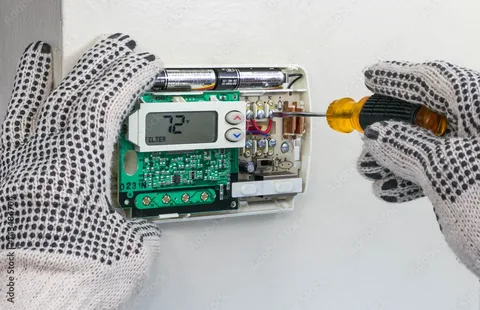
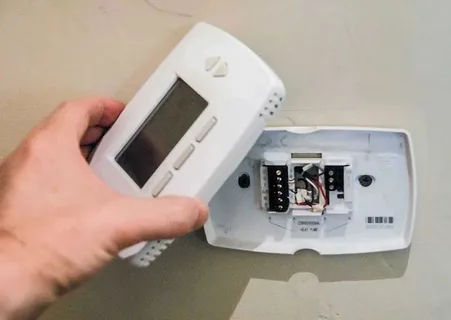
The installation process begins by disconnecting the main power supply at your circuit breaker panel to protect delicate internal control relays from sudden electrical surges. Technicians remove the old housing assembly, trace each individual colored conductor, and verify the presence of a dedicated common wire to supply continuous electricity. According to residential energy research from the Lawrence Berkeley National Laboratory (2024), proper calibration of automated residential climate controllers can lower annual space heating and cooling consumption by up to ten percent.
Specialists secure the new mounting plate using heavy-duty drywall anchors before anchoring each individual control wire into its matching terminal slot. They apply specialized electrical sealants around the wall hole to prevent drafty wall cavity air from interfering with the new thermal sensor readings. Workers check the primary transformation blocks inside your attic furnace to confirm the low-voltage lines receive a steady twenty-four volts of alternating current.
The final phase involves restoring main electrical power, programming your specific heating profiles, and executing a systematic equipment validation cycle. Field crews pair your local wireless router connections to confirm your smartphones can adjust home temperatures from outside the property. They run your air conditioner through an active test sequence to make sure your compressor and outdoor fan respond to every digital cooling command.
Economic Factors and Regional Energy Building Policies
Upgrading a residential climate controller involves varying costs based on your existing wall wiring depth, equipment multi-stage properties, and smart home zoning configurations. Basic wall module replacements utilizing matching pre-existing wire networks fit easily into modest household maintenance budgets. Fishing new multi-conductor lines through finished plaster walls, mounting secondary external transformers, or configuring complex dampers requires extra field hours. A multi-zone property up along the ridges of the Magee Ranch neighborhood requires careful sub-base placement to ensure balanced temperature tracking across distinct living sectors.
State climate rules govern how regional field service teams calibrate automated climate controllers and verify general building energy efficiency. The California Energy Commission enforces strict building code rules regarding automated setback features on newly installed climate control systems during property sales or major renovations. Regulations demand that new controllers possess programmable scheduling features to reduce unnecessary electrical grid strain during peak regional cooling events. Homeowners must verify that their chosen technical teams complete all work according to the electrical guidelines maintained by the Danville Building Inspection Division.
State efficiency programs encourage the adoption of smart learning controllers to reduce total fossil fuel use in residential neighborhoods. Environmental management briefs published by the U.S. Environmental Protection Agency (2024) show that utilizing certified smart interfaces optimizes home energy footprints without sacrificing personal comfort. Technicians must check system safety switches to ensure your heating machinery operates within safe legal constraints.
Property designs and neighborhood real estate configurations alter standard project timelines on custom suburban layouts. Vaulted ceilings or expansive multi-story configurations require strategic remote sensor placements, which can increase the total material cost of an upgrade. Hot summer spells bring sudden emergency repair calls, making late spring perfect for booking fast, non-emergency control adjustments. Professional estimators analyze these local structural details beforehand to supply straightforward, flat-rate project estimates before any wiring work starts.
Selecting a Qualified Regional Climate Control Contractor
Finding an experienced system installation team requires checking professional licenses rather than hiring random online handymen based on low pricing claims. Intricate control work combines delicate low-voltage electrical work, digital network programming, and strict equipment compatibility matching inside your home. Homeowners must check that an HVAC provider maintains an active C-20 warm-air heating and air conditioning license with state regulators. Maintaining active workers’ compensation insurance shields your household property assets if an accidental short circuit damages your furnace control board during service.
Look for technical firms that provide continuous factory-authorized training certifications from major equipment manufacturers to guarantee correct system programming. Certified field personnel complete regular education regarding modern heat pump reversing valves, multi-speed blower relays, and zoning damper configurations. These advanced professional credentials ensure your field crew configures your digital options correctly to maximize daily system reliability.
A contractor who works exclusively on climate control systems in the Bay Area — like Heating And Air Experts — will have handled the local permit process, know which materials hold up in high-humidity coastal zones, and carry the trade-specific insurance that general contractors often skip. Local companies like Heating And Air Experts focus specifically on specialized system maintenance for Danville residents, which means they understand local conditions, permit rules, and material performance in this climate. Regional crews maintain complete inventories of modern digital controllers to update your system without long component shipping delays.
Request local installation references or examine successful project galleries from completed smart home updates in your neighborhood zip code. Conversing with past clients clarifies helpful details regarding a field crew’s promptness, cleanup diligence, and overall pricing clarity. Professional business operations supply comprehensive project contracts detailing exact model specifications, labor warranties, and permit fees openly. This transparent approach enables you to manage your home improvements confidently by choosing an Expert thermostat installation near me in Danville, CA for your upcoming equipment update.
Conclusion
Upgrading a residential climate control module requires careful low-voltage wiring tracking, correct system configuration, and absolute alignment with regional energy efficiency codes. Understanding your equipment capabilities, local valley climate challenges, and the correct installation steps helps you protect your real estate investment. Partnering with a specialized technical firm ensures your automated interface runs safely while avoiding early component damage caused by incorrect wire connections. If you want a technical field crew that understands East Bay home configurations, Heating And Air Experts supplies detailed system assessments to keep your household heating and cooling operating perfectly.
FAQs
Why should I select an Expert thermostat installation near me in Danville, CA over an online DIY video guide?
Intricate climate systems utilize fragile electronic control boards that can easily short circuit if low-voltage wires touch improperly during mounting. Choosing an Expert thermostat installation near me in Danville, CA guarantees proper fuse protection, accurate equipment compatibility matching, and a solid labor warranty that protects your home comfort infrastructure.
What is the standard price range for a Best digital thermostat installation in Danville, CA properties?
Basic digital equipment swaps using matching pre-existing wall wiring lines typically average between $150 and $250 for parts and labor. Seeking a Best digital thermostat installation in Danville, CA that requires running a new common wire or mounting extra transformers usually costs between $350 and $600.
Are formal municipal building permits needed to replace a standard residential climate switch?
Replacing a broken wall interface with a standard equivalent control module does not require a building permit from local town authorities. Installing automated multi-zone damper networks or modifying your central heating appliance electrical line requires an official permit from the municipal building office.
How do hot valley summer afternoons affect wireless smart control communication performance?
High outdoor temperatures do not disrupt internal wireless signals, but extreme interior heat from uninsulated walls can cause old thermal sensors to misread conditions. Mounting your new digital controller on a central interior partition wall away from direct sunlight shields it from seasonal temperature spikes.
How can a local homeowner verify if their current wall interface requires immediate replacement?
Every individual homeowner can check their system response by raising the temperature setting five degrees and listening for the furnace click. If your central fan fails to trigger or your indoor room temperature reads incorrectly on your display, your wall controller needs a technical inspection.
Intricate climate systems utilize fragile electronic control boards that can easily short circuit if low-voltage wires touch improperly during mounting. Choosing an Expert thermostat installation near me in Danville, CA guarantees proper fuse protection, accurate equipment compatibility matching, and a solid labor warranty that protects your home comfort infrastructure.
Basic digital equipment swaps using matching pre-existing wall wiring lines typically average between $150 and $250 for parts and labor. Seeking a Best digital thermostat installation in Danville, CA that requires running a new common wire or mounting extra transformers usually costs between $350 and $600.
Replacing a broken wall interface with a standard equivalent control module does not require a building permit from local town authorities. Installing automated multi-zone damper networks or modifying your central heating appliance electrical line requires an official permit from the municipal building office.
High outdoor temperatures do not disrupt internal wireless signals, but extreme interior heat from uninsulated walls can cause old thermal sensors to misread conditions. Mounting your new digital controller on a central interior partition wall away from direct sunlight shields it from seasonal temperature spikes.
Every individualhomeownercan check their system response by raising the temperature setting five degrees and listening for the furnace click. If your central fan fails to trigger or your indoor room temperature reads incorrectly on your display, your wall controller needs a technical inspection.