When the temperature drops, every homeowner wants a heating system that delivers steady warmth without driving up energy bills. Heating And Air Expert LLC understands that choosing the right heating system installation services in San Jose, CA is about more than replacing old equipment—it is about improving comfort, energy efficiency, and long-term reliability for your home.
Although San Jose enjoys a mild climate for much of the year, chilly mornings and cooler winter evenings still make a dependable heating system essential. An outdated furnace or improperly installed heating unit can create uneven temperatures, higher utility costs, and frequent repairs. A professionally installed system provides consistent indoor comfort while operating more efficiently throughout the heating season.
Modern heating systems have advanced significantly over the past decade. Today’s high-efficiency furnaces, heat pumps, and hybrid heating solutions use less energy while maintaining better indoor temperatures than many older models. However, even the most advanced equipment cannot perform at its best without proper installation. Correct sizing, airflow design, and system calibration all contribute to long-lasting performance.
Why Professional Heating System Installation Matters
Installing a heating system is not as simple as replacing one unit with another. Every home has unique heating requirements based on its size, insulation, window placement, ceiling height, and ductwork condition. Professional HVAC contractors evaluate these factors before recommending the most suitable solution.
One mistake I frequently see is homeowners selecting a larger heating unit because they believe it will heat the home faster. In reality, oversized equipment often cycles on and off too quickly, creating uneven temperatures while increasing wear on major components. A correctly sized system operates more efficiently and provides better comfort throughout every room.
Industry professionals commonly use ACCA Manual J load calculations to determine the heating capacity required for each property. This recognized industry standard helps ensure the equipment matches the home’s actual heating demands instead of relying only on square footage.
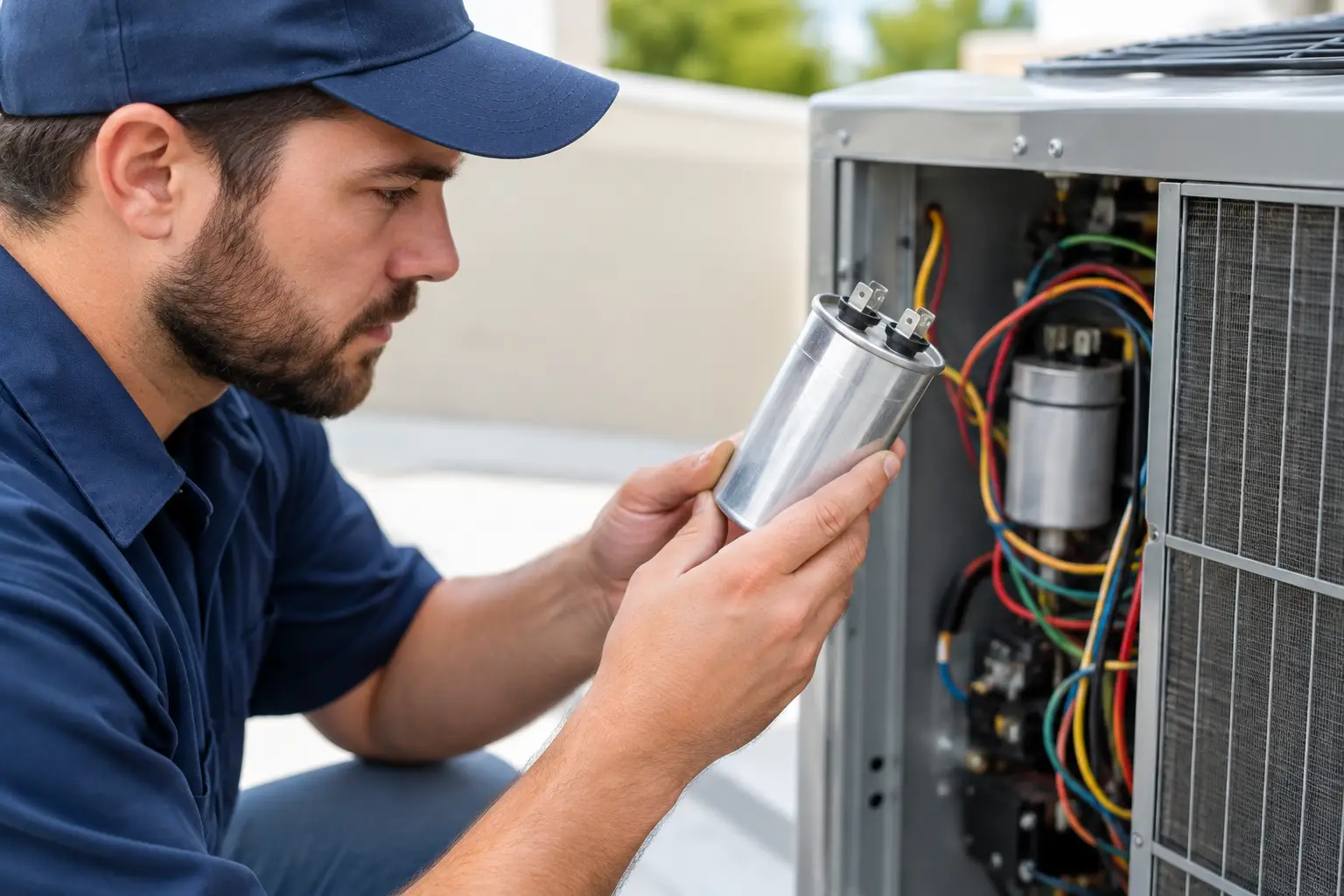
Proper installation also includes testing airflow, verifying gas or electrical connections, configuring thermostats, checking safety controls, and confirming that every component operates according to manufacturer specifications. These steps help maximize energy efficiency while reducing the likelihood of unexpected breakdowns.
Choosing the Right Heating System for Your Home
Every homeowner has different comfort expectations, which is why there is no universal heating system that works for everyone. Selecting the right equipment depends on your home’s construction, budget, energy goals, and existing HVAC infrastructure.
Many homes in San Jose benefit from high-efficiency gas furnaces because they provide dependable heating while maintaining relatively low operating costs. Others may benefit from modern heat pump systems that deliver both heating and cooling from a single unit, making them an energy-efficient option for California’s moderate climate.
Some homeowners also choose dual-fuel or hybrid heating systems. These systems combine the efficiency of a heat pump with the dependable performance of a gas furnace during colder temperatures. This combination offers flexibility while helping reduce overall energy consumption throughout the year.
An experienced HVAC professional heating system installation evaluates your home’s needs before recommending equipment rather than simply suggesting the most expensive system available. This personalized approach usually leads to better comfort and improved long-term value.
What Happens During a Professional Heating System Installation?
Understanding the installation process helps homeowners know what to expect before work begins. A quality installation follows a structured approach instead of rushing through equipment replacement.
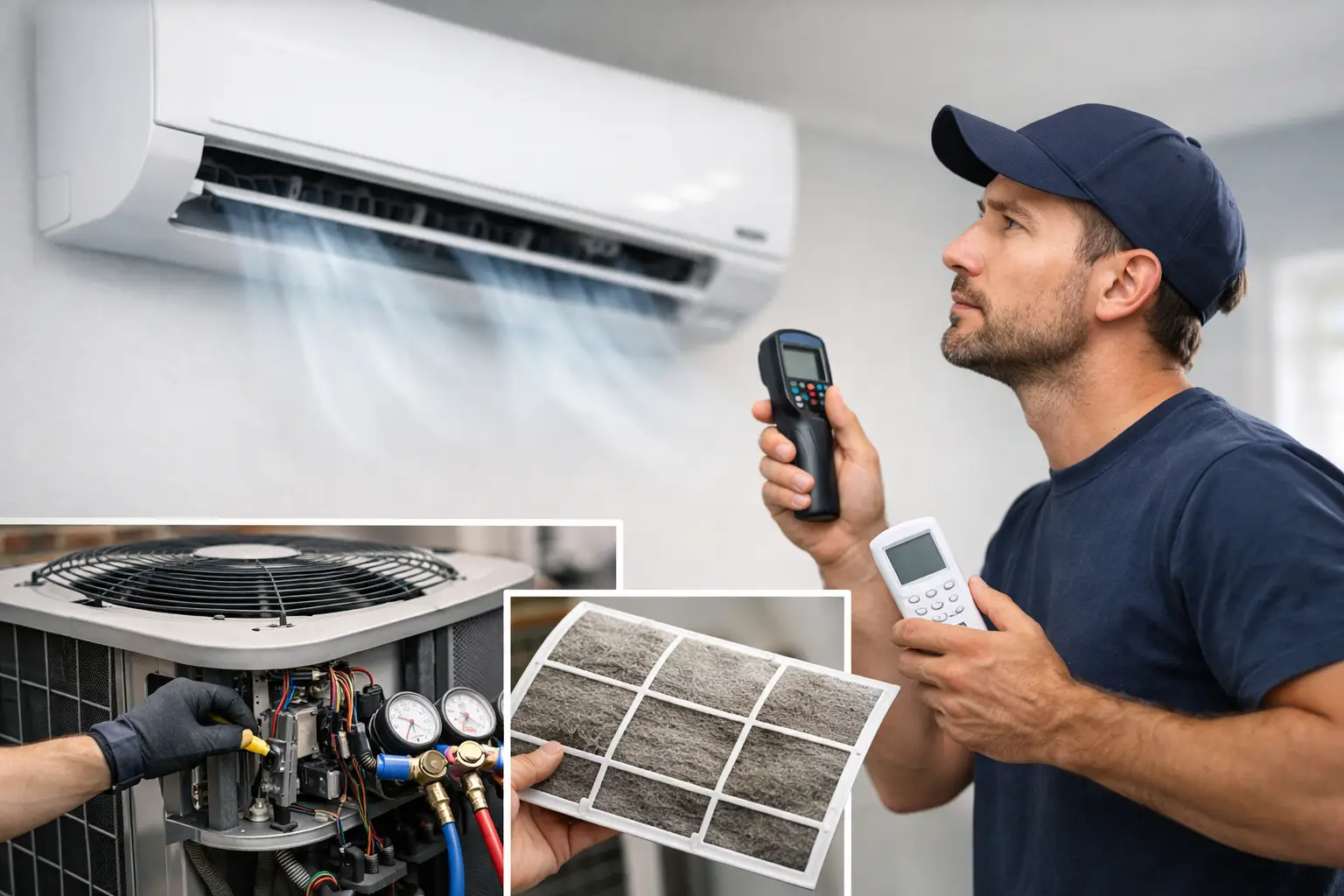
The first step is evaluating your current HVAC system. Technicians inspect ductwork, insulation, ventilation, electrical connections, and thermostat compatibility. If any components require upgrades, those issues are addressed before the new heating equipment is installed.
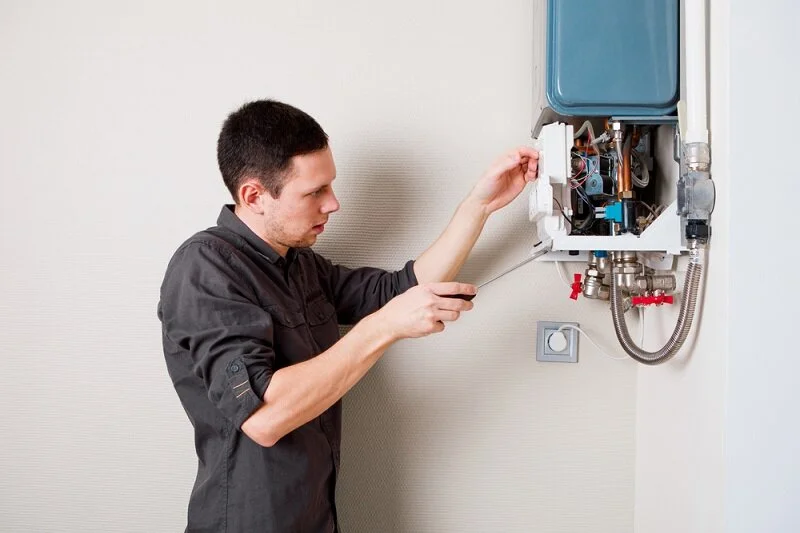
Once the system is selected, technicians carefully remove the existing equipment while protecting surrounding flooring and living spaces. The new unit is then positioned, connected, and thoroughly tested. Proper airflow balancing, thermostat programming, and safety inspections ensure the entire system operates efficiently from the first day.
According to the U.S. Department of Energy, proper installation can significantly influence HVAC efficiency and long-term operating costs. Even premium heating equipment may lose efficiency if installation standards are not followed correctly.
Signs It May Be Time to Replace Your Heating System
Many homeowners wait until their heating system completely stops working before considering replacement. Unfortunately, this often leads to emergency installations during the coldest part of the year when heating demand is highest.
Older systems usually provide several warning signs before they fail. Rising utility bills, inconsistent indoor temperatures, unusual noises, frequent repairs, and poor airflow often indicate declining performance. If your heating equipment struggles to maintain comfortable temperatures despite regular maintenance, replacement may provide greater long-term value than repeated repairs.
Age is another important factor. Most furnaces and central heating systems have an expected service life of approximately 15 to 20 years when properly maintained. Beyond that point, efficiency typically declines while repair costs increase.
Another issue many homeowners overlook is indoor air quality. Older heating systems often circulate more dust and allergens because aging components cannot maintain proper airflow. Replacing outdated equipment frequently improves both comfort and indoor air quality while reducing strain on the HVAC system.
Energy Efficiency and Long-Term Savings
Energy efficiency is one of the biggest reasons homeowners invest in new heating system installation services in San Jose, CA. Modern systems are designed to produce more heat while using less energy, making them both environmentally responsible and cost-effective.
High-efficiency furnaces feature advanced heat exchangers, variable-speed blowers, and smart control systems that adjust heating output based on indoor demand. Instead of constantly turning on and off, these systems maintain steady temperatures with less energy consumption.
Smart thermostats also play an important role in improving efficiency. When paired with professionally installed heating equipment, programmable thermostats learn household schedules and automatically adjust temperatures to reduce unnecessary energy use without sacrificing comfort.
Professional installation, routine maintenance, and proper system sizing work together to maximize efficiency for many years after installation.
Maintaining Your New Heating System for Lasting Performance
Installing a new heating system is only the beginning. Regular maintenance helps protect your investment and keeps the equipment operating efficiently throughout its lifespan. In my experience, homeowners who schedule routine HVAC maintenance experience fewer unexpected breakdowns and lower repair costs than those who wait until problems appear.
Professional maintenance includes inspecting electrical components, cleaning burners or coils, checking airflow, testing safety controls, examining duct connections, replacing dirty air filters, and calibrating the thermostat. These routine inspections allow technicians to identify minor issues before they develop into expensive repairs.
The U.S. Environmental Protection Agency also emphasizes that clean HVAC systems and properly maintained air filters contribute to better indoor air quality by reducing airborne dust, pollen, and other contaminants. For families with allergies or respiratory concerns, this can make a noticeable difference in everyday comfort.
Regular servicing also helps preserve manufacturer warranty coverage. Many equipment manufacturers recommend scheduled maintenance as part of their warranty requirements, making annual inspections a smart long-term investment.
Common Heating Installation Mistakes Homeowners Should Avoid
A quality heating system can only perform as well as the installation behind it. Unfortunately, several common mistakes reduce efficiency and shorten equipment life.
One of the biggest mistakes is choosing equipment based only on price. While staying within budget is important, the least expensive system is not always the most cost-effective over its lifetime. Higher-efficiency models often recover part of their initial cost through lower monthly energy bills.
Poor ductwork is another issue that many homeowners overlook. Even a brand-new heating system will struggle if conditioned air escapes through damaged or leaking ducts. Before installation, professionals inspect the duct system to ensure warm air reaches every room efficiently.
Improper thermostat placement can also affect system performance. Installing a thermostat near windows, exterior doors, or direct sunlight often causes inaccurate temperature readings, forcing the heating system to run longer than necessary.
Finally, skipping professional installation can become an expensive decision. Heating systems involve gas lines, electrical wiring, ventilation, airflow balancing, and safety testing. Certified HVAC technicians have the knowledge and equipment needed to complete these tasks safely while meeting industry standards.
Why Professional Installation Delivers Better Results
Heating systems are among the most important mechanical systems inside a home. A properly installed unit provides dependable warmth, consistent airflow, and improved energy efficiency for many years.
Professional technicians perform detailed inspections before installation begins. They evaluate insulation levels, airflow requirements, duct sizing, and ventilation to ensure every component works together efficiently. This careful planning reduces the risk of future performance issues while maximizing equipment lifespan.
Another benefit of working with experienced professionals is accurate system testing after installation. Technicians verify airflow, inspect electrical connections, test ignition systems, confirm thermostat communication, and ensure every safety feature operates correctly before the project is complete.
Homeowners also receive valuable guidance on thermostat settings, routine maintenance, filter replacement schedules, and energy-saving practices. These recommendations help the heating system continue operating at peak performance throughout every season.
Why Homeowners in San Jose Trust Modern Heating Solutions
Energy efficiency has become a priority for many California homeowners, and modern heating systems support that goal without sacrificing comfort. Today’s equipment produces more consistent indoor temperatures, quieter operation, and lower energy consumption compared to many aging systems still found in older homes.
Whether installing a high-efficiency gas furnace, a heat pump, or a hybrid heating solution, choosing the right equipment improves everyday living while helping reduce monthly utility expenses. Professional installation ensures these benefits are fully realized from the first day of operation.
For homeowners planning a renovation, replacing an aging HVAC system before it completely fails often prevents emergency expenses and allows more time to compare available options. Investing in professional heating system installation services in San Jose, CA provides peace of mind while preparing your home for years of dependable comfort.
Conclusion
A dependable heating system is one of the best investments you can make for your home’s comfort, efficiency, and long-term value. Professional heating system installation services in San Jose, CA ensure your equipment is correctly sized, expertly installed, and thoroughly tested for reliable performance. By working with experienced professionals like Heating And Air Expert LLC, homeowners can enjoy lower energy costs, consistent indoor temperatures, improved air quality, and greater confidence that their heating system will perform when it matters most.
Frequently Asked Questions
How long does a new heating system typically last?
Most professionally installed heating systems last between 15 and 20 years with regular maintenance and timely repairs.
What type of heating system is best for homes in San Jose, CA?
High-efficiency furnaces and modern heat pumps are both excellent options. The best choice depends on your home’s size, insulation, and energy goals.
How often should my heating system be serviced?
HVAC professionals recommend scheduling maintenance at least once a year before the heating season begins to maintain efficiency and reliability.
How do I know if I should repair or replace my heating system?
If your system requires frequent repairs, struggles to heat your home evenly, or is over 15 years old, replacement may provide better long-term value.
Does professional installation really improve energy efficiency?
Yes. Proper sizing, airflow balancing, thermostat calibration, and complete system testing help maximize efficiency and extend the lifespan of your heating equipment.