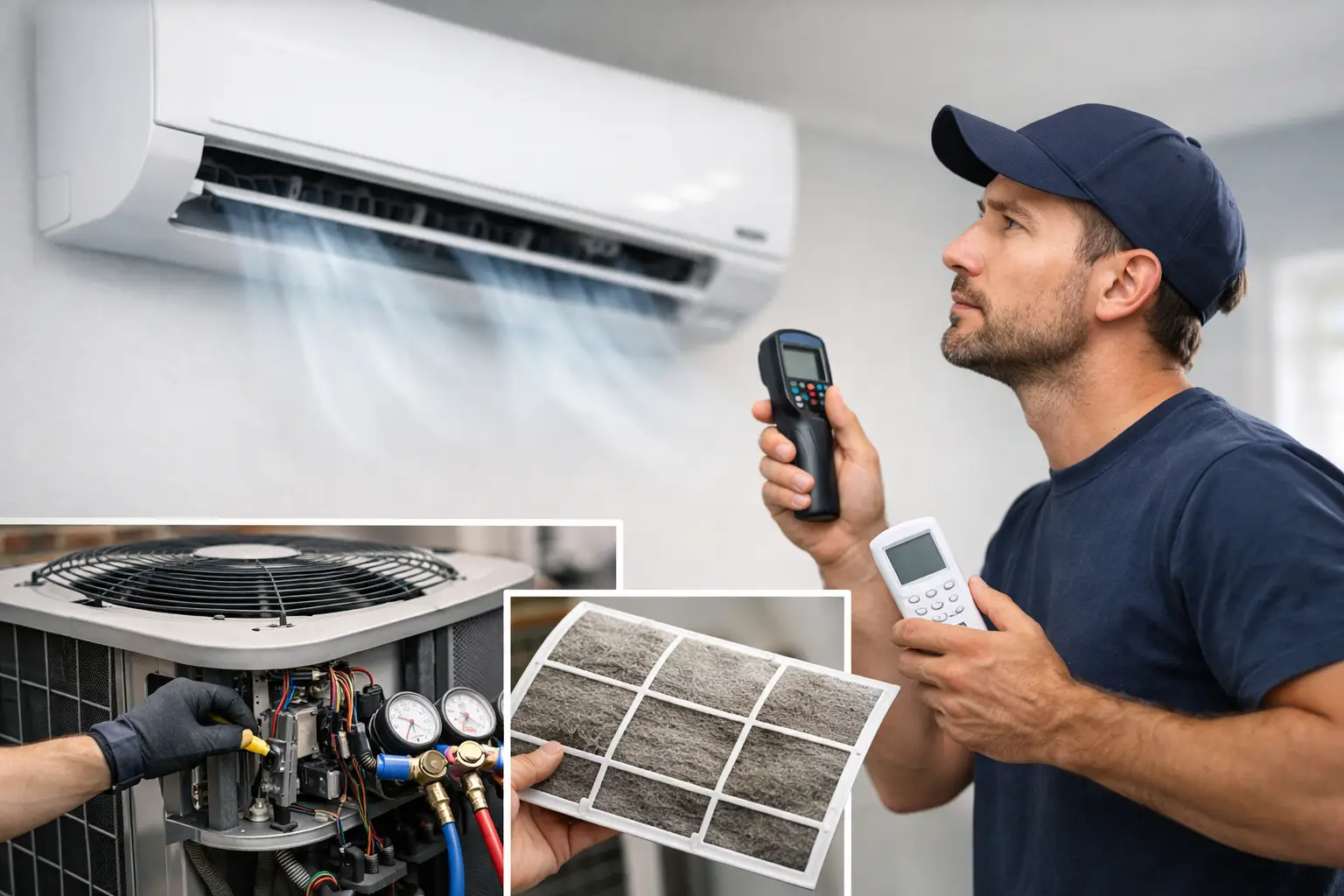
A puddle near an indoor AC unit, a stained ceiling, or a system that suddenly cannot keep up with a warm Bay Area afternoon all deserve attention. The top causes of AC leaks range from simple drainage clogs to refrigerant problems that require prompt professional repair. Knowing which type of leak you are dealing with can help protect your home, avoid unnecessary damage, and keep a small issue from becoming a major service call.
First, Identify What Is Leaking
Not every AC leak means the same thing. Clear water around an indoor air handler, furnace, or ceiling vent usually points to a condensate drainage issue. Your air conditioner removes humidity as it cools the air, and that moisture must drain safely away from the equipment.
A refrigerant leak is different. Refrigerant is a sealed chemical compound that circulates through copper lines and coils to move heat out of your home or business. You may not see a puddle because refrigerant often escapes as a gas. Instead, you may notice weak cooling, ice on the refrigerant lines or evaporator coil, hissing sounds, or a noticeable rise in energy use.
Both problems need the right diagnosis. Adding refrigerant without finding the leak is only a temporary measure, and repeatedly clearing a drain line without addressing its cause can leave you facing another overflow.
Top Causes of AC Leaks: Water Around the Unit
A clogged condensate drain line
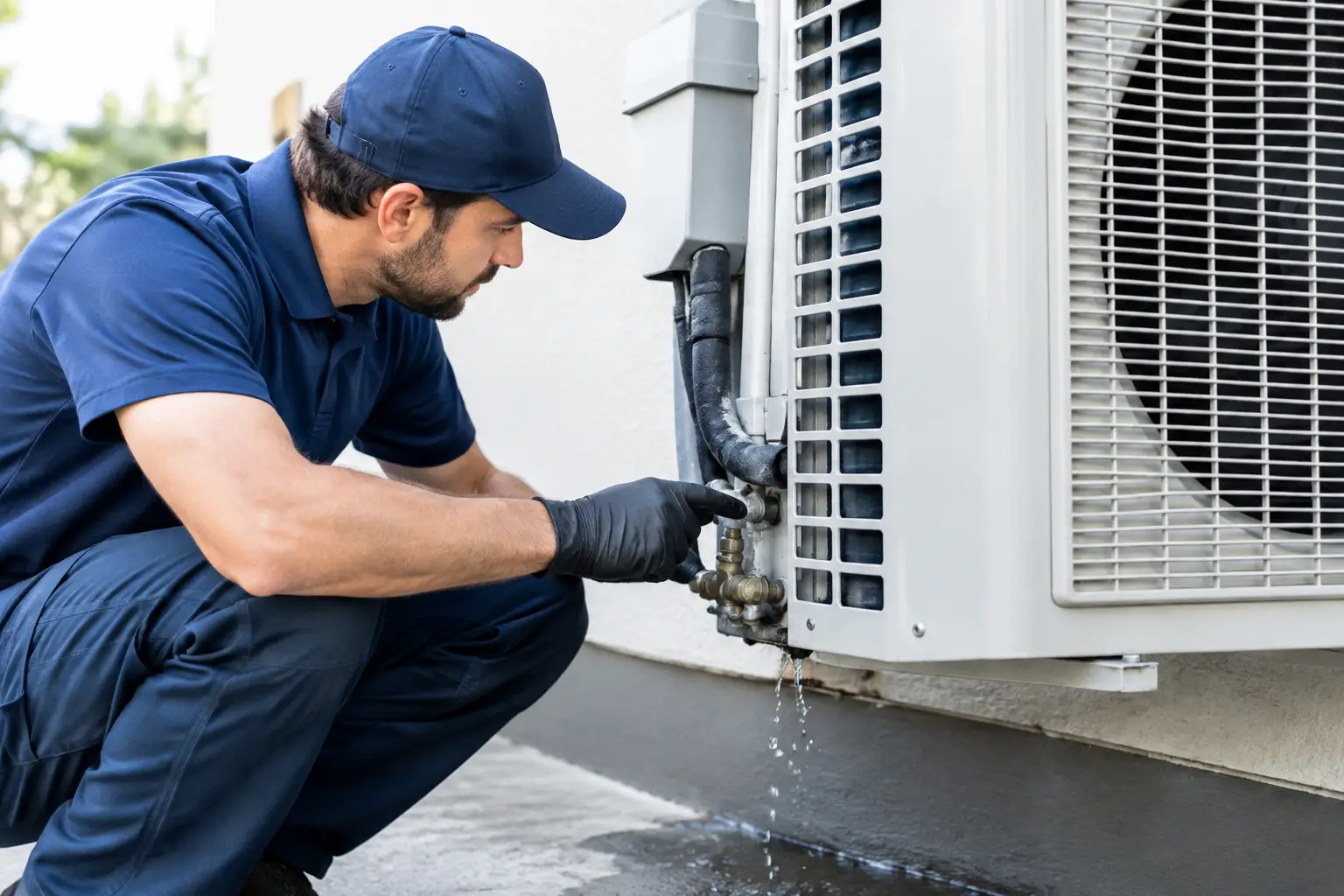
The most common cause of a water leak is a blocked condensate drain line. Dust, algae-like buildup, mold, and debris can collect inside the line over time. When water cannot move through the drain, it backs up into the drain pan and may spill onto the floor, into a wall, or through the ceiling below an attic installation.
This issue is particularly common during periods of heavy AC use. In the Bay Area, systems can sit relatively idle during mild weather, then run for long stretches during a heat wave. That sudden demand can reveal a partially clogged line that has been building up for months.
Turning the AC off can prevent additional water damage while you arrange service. Avoid repeatedly restarting it to see whether the leak stops. If the drain is blocked, more runtime generally means more overflow.
A cracked or rusted drain pan
The drain pan sits beneath the evaporator coil and catches condensation before it enters the drain line. Older metal pans can corrode, while plastic pans can crack with age, vibration, or improper support. A pan may hold water for a while and then begin dripping only once the system runs long enough to fill it.
A cracked primary pan often requires access to the indoor coil assembly, so it is not typically a quick homeowner repair. Some systems also have a secondary safety pan beneath the unit. Water in that backup pan is a warning that the primary drain system needs immediate attention.
A disconnected or improperly sloped drain line
Drain piping needs a continuous path and proper slope to carry water away. A loose fitting, separated section of pipe, or poor installation can send water into an attic, closet, crawlspace, or utility area instead of to the approved drain location.
This can be confusing because the unit may appear to drain normally at first. The leak may only show up during long cooling cycles, when the line cannot keep up or when water reaches the disconnected section. A technician can inspect the full drain route, secure fittings, and confirm the line is correctly trapped and pitched.
A dirty air filter or restricted airflow
A neglected filter does more than reduce airflow. It can cause the evaporator coil to become too cold and freeze. When the ice eventually melts, the drain system can be overwhelmed by a sudden volume of water, creating a leak around the indoor equipment.
Restricted return vents, a dirty blower wheel, or failing blower components can lead to the same issue. Replacing a basic filter may help if that is the only problem, but a frozen coil should be evaluated before the system is put back into regular operation. Ice can also be a sign of low refrigerant, not just poor airflow.
A failed condensate pump
Some homes and commercial spaces rely on a condensate pump because gravity cannot carry water to a drain. The pump collects condensation and pushes it through a small discharge line. If it loses power, becomes clogged, develops a float switch problem, or simply wears out, water can overflow from the pump reservoir.
A failed pump is often noticeable near basement, interior closet, or lower-level equipment. You may hear the system running but notice water collecting nearby. Prompt replacement is usually less costly than repairing flooring, drywall, or stored belongings damaged by an ongoing overflow.
Refrigerant Leaks Need a Different Response
Corroded evaporator or condenser coils
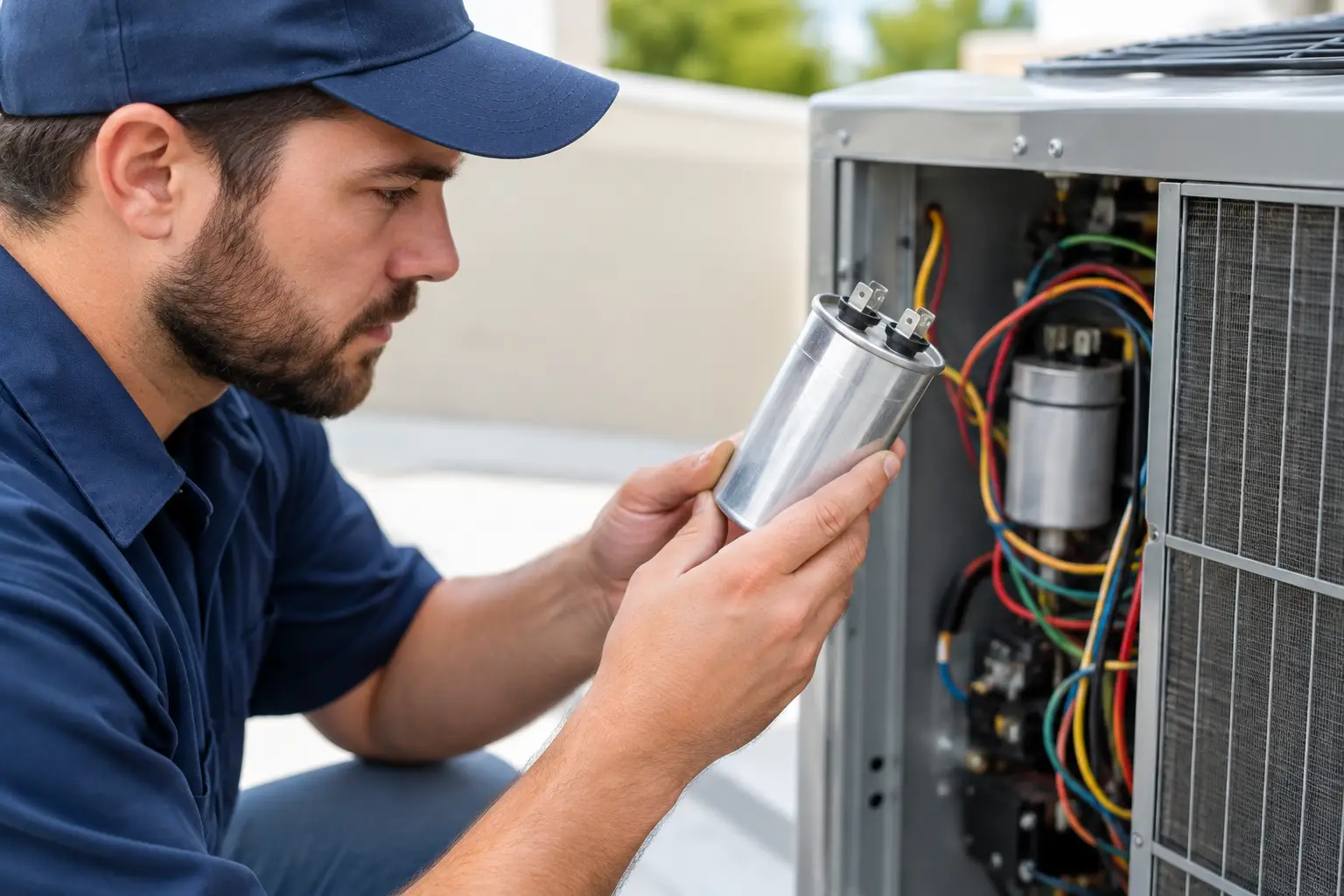
The evaporator coil inside your home and the condenser coil in the outdoor unit both contain refrigerant. Over time, corrosion can create tiny holes in these coils. Indoor coil corrosion may be influenced by airborne chemicals, moisture, and certain household products, while outdoor coils face weather exposure and environmental contaminants.
Because these leaks can be very small, cooling performance may decline gradually. You may find yourself lowering the thermostat more often, yet rooms still feel warm or humid. A qualified technician can test the system, locate the leak, discuss whether repair is feasible, and explain when coil replacement or system replacement makes better financial sense.
Damaged refrigerant lines or connections
Copper refrigerant lines can be damaged by vibration, rubbing against another surface, physical impact, or poor installation practices. Connections at fittings and service valves can also develop leaks over time. In some cases, a leak appears after construction work, landscaping activity near the outdoor unit, or an equipment move.
Refrigerant is not something to handle as a do-it-yourself repair. Federal requirements govern refrigerant handling, and the underlying leak needs to be corrected before the system is recharged. A proper repair includes pressure testing, evacuation, and charging the unit to manufacturer specifications.
Wear in an aging AC system
As an air conditioner ages, seals, valves, coils, and line connections experience years of heat, pressure changes, and vibration. That does not mean every older system should be replaced after a leak. A repair can be a sensible choice when the unit is otherwise dependable and the leak is accessible.
The decision depends on the system’s age, refrigerant type, repair cost, efficiency, history of breakdowns, and the condition of major components. If a unit has multiple leaks or needs an expensive coil replacement, putting that money toward a newer, more efficient system may offer better long-term value. Honest guidance should include both options, without pressure.
What to Do When Your AC Is Leaking
If water is actively collecting near your indoor unit, turn the cooling system off at the thermostat. If water is near electrical components, avoid touching the equipment and shut off power at the appropriate breaker only if it is safe to do so. Move valuables away from the area, place a container under a controlled drip if possible, and document ceiling or wall damage for your records.
For suspected refrigerant leaks, do not continue running the system in hopes that it will catch up. Running an undercharged AC can contribute to frozen coils, compressor strain, and higher energy bills. Call for service if you see ice, hear hissing, smell an unusual chemical odor, or experience a sharp drop in cooling performance.
A professional diagnostic visit should go beyond clearing visible water or adding refrigerant. The technician should identify the source, inspect related components, explain the repair clearly, and provide upfront pricing before work begins. That approach helps prevent repeat leaks and protects the performance of the entire HVAC system.
Preventing Future AC Leaks
Routine maintenance is the most reliable way to catch drainage and refrigerant issues early. During a maintenance visit, a technician can inspect the condensate pan and line, verify safety switches, check airflow, clean components as needed, and look for signs of refrigerant loss or coil corrosion.
Homeowners and property managers can also replace filters on schedule, keep supply and return vents open, and check around indoor equipment periodically for moisture. Outdoor units should have adequate clearance from leaves, weeds, and stored materials so the system can release heat properly.
When an AC leak interrupts your comfort, a fast diagnosis matters. Heating and Air Experts provides practical, customer-first service to help Bay Area homeowners and businesses resolve the cause, protect their property, and get dependable cooling back where it belongs.