When your thermostat says 72 degrees but the room stays stubbornly cold or warm, comfort is not the only concern. A thermostat not reaching temperature can mean anything from a simple setting issue to a heating or cooling system that needs prompt professional attention. For Bay Area homeowners and property managers, identifying the warning signs early can prevent wasted energy, higher utility bills, and an unexpected system failure.
The thermostat is the command center, but it is not always the source of the problem. Your HVAC system must receive the call, move enough conditioned air, and have the capacity to keep up with the conditions inside and outside the building. A careful diagnosis looks at the whole system, not just the display on the wall.
Why Is Your Thermostat Not Reaching Temperature?
Start by considering what the system is actually doing. If the furnace or air conditioner runs continuously without reaching the set temperature, the issue may involve airflow, equipment performance, insulation, ductwork, or system sizing. If it never turns on, cycles on and off quickly, or shows an incorrect room reading, the thermostat, its wiring, or the control system may be the problem.
A few degrees of difference can be normal during extreme weather, especially in older buildings or rooms with lots of sun exposure. However, a consistent gap of several degrees, frequent short cycling, unusual noises, or a sudden change in performance deserves attention. The longer a system runs without delivering the expected results, the more strain it puts on components and your energy budget.
Incorrect settings or programming
Before assuming a repair is needed, check that the thermostat is set to the correct mode. In heating season, it should be set to Heat. In cooling season, it should be set to Cool. The fan setting should usually be Auto rather than On, unless you specifically want continuous air circulation.
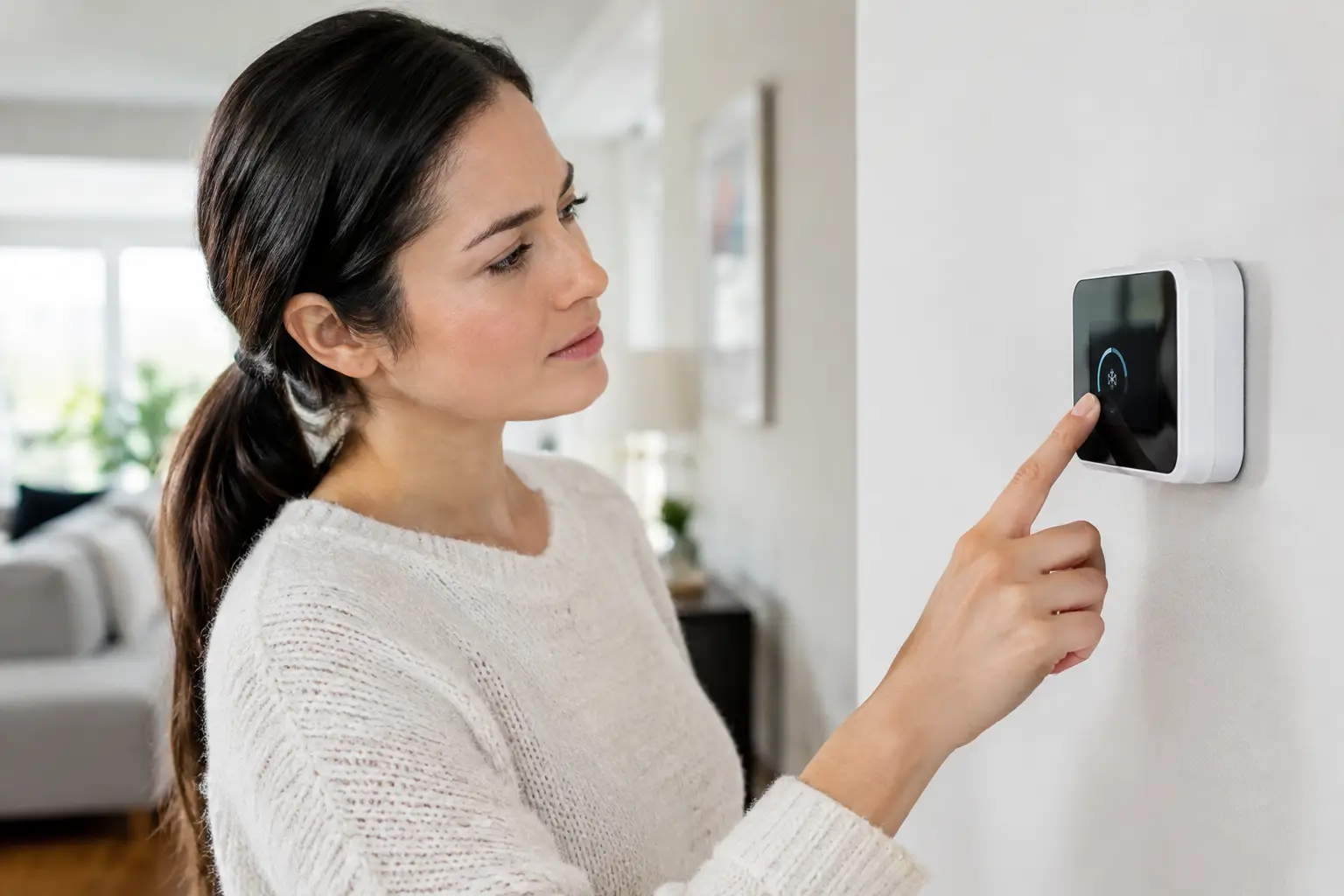
Programmable and smart thermostats can also create confusion. A schedule may be lowering the heat or raising the cooling temperature without you realizing it. Temporary holds can expire, and some smart models follow occupancy or energy-saving settings that override manual adjustments. Confirm the setpoint, schedule, and system mode before moving on.
A thermostat reading that is not accurate
The thermostat measures temperature where it is installed, not necessarily where you spend time. A thermostat near a sunny window, exterior door, kitchen, supply vent, lamp, or other heat source may read the room incorrectly. Drafts and poor wall insulation behind the thermostat can have the same effect.
You can compare the thermostat reading with a reliable indoor thermometer placed nearby for 15 to 20 minutes. A small difference is usually acceptable. A significant difference may point to a calibration issue, a failing sensor, or an installation location that does not represent the average temperature of the space.
Dirty filters and restricted airflow
A clogged air filter is one of the most common reasons HVAC systems struggle to maintain temperature. When airflow is restricted, your furnace or air conditioner has to work harder to move conditioned air through the system. Rooms can become uneven, run times increase, and the equipment may overheat or freeze up depending on the season.
Check the filter if it has been more than one to three months since replacement. The right interval depends on the filter type, pets, household activity, and indoor air quality needs. Make sure return vents are not blocked by furniture, rugs, or storage, and keep supply vents open in occupied rooms. Closing too many vents can also create airflow problems and reduce system efficiency.
Check These Safe Basics First
There are several homeowner-friendly checks worth making before scheduling service. Confirm the thermostat has fresh batteries if it uses them, and make sure the display is powered on. Check your electrical panel for a tripped HVAC breaker, but do not repeatedly reset a breaker that trips again. That can indicate an electrical or equipment problem that needs professional repair.
Outside, make sure the area around an air conditioning condenser or heat pump is clear of leaves, boxes, and overgrown landscaping. The unit needs open space to release heat properly. Inside, listen for whether the indoor blower starts when the system calls for heating or cooling.
If you smell burning, notice water around equipment, hear loud grinding or buzzing, see ice on refrigerant lines, or suspect a gas issue, stop troubleshooting and arrange service right away. For a gas odor, leave the building and contact the utility provider or emergency services from a safe location.
HVAC Problems That Keep a Home From Reaching Set Temperature
If the basic settings and filter are not the answer, an HVAC technician may need to inspect the system more closely. The exact cause depends on whether you are dealing with a furnace, air conditioner, heat pump, or commercial system.
Heating issues
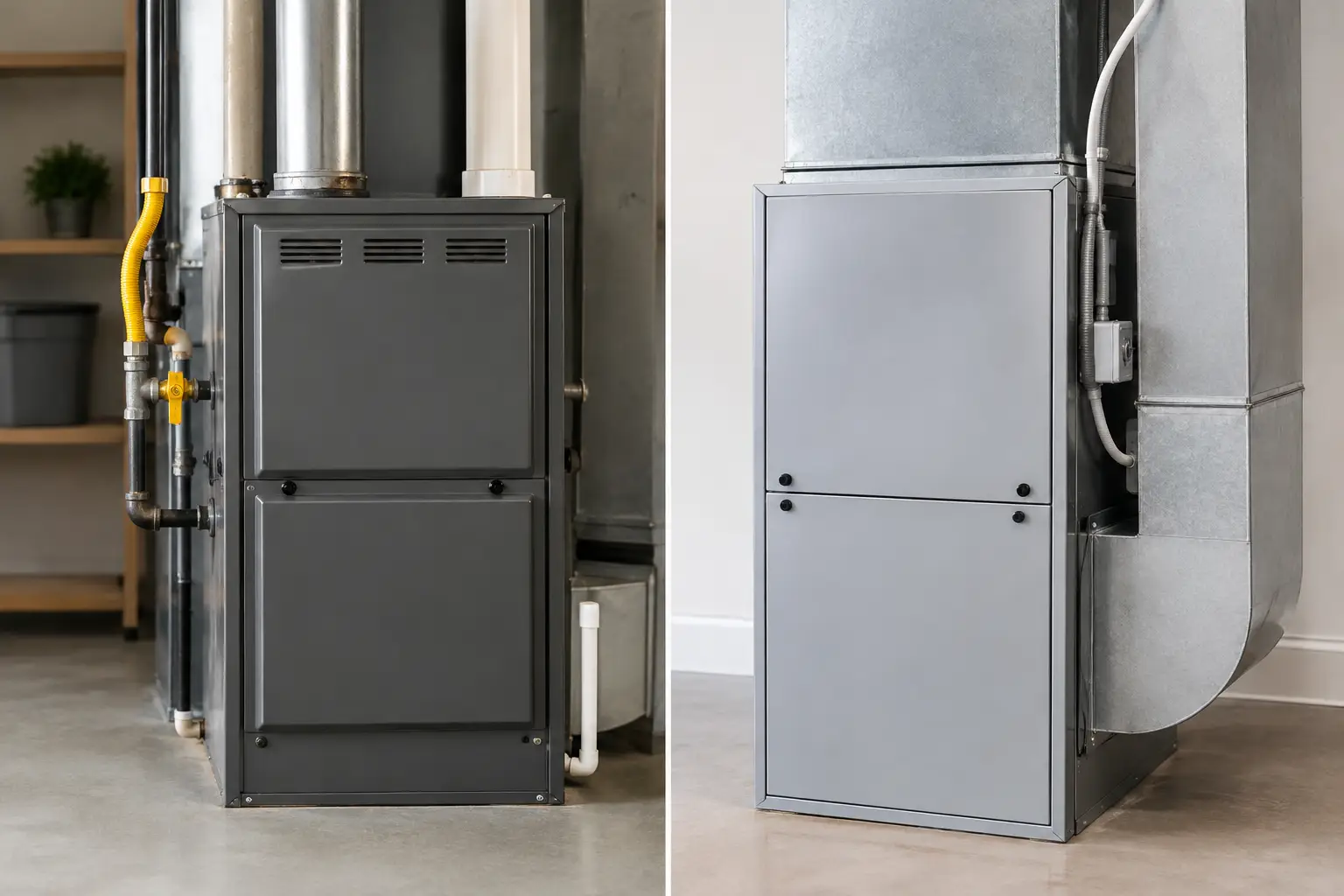
A furnace that runs but does not adequately heat may have a dirty flame sensor, a failing igniter, a blower issue, a restricted filter, or a problem with the heat exchanger or gas supply. Heat pumps can lose capacity during colder weather, and a malfunctioning defrost cycle can make the problem worse. Auxiliary heat may not be engaging when needed.
In some homes, the furnace is functioning normally but heat is escaping faster than the system can replace it. Leaky ductwork, insufficient insulation, air leaks around windows and doors, and unbalanced airflow can all make certain rooms difficult to heat.
Cooling issues
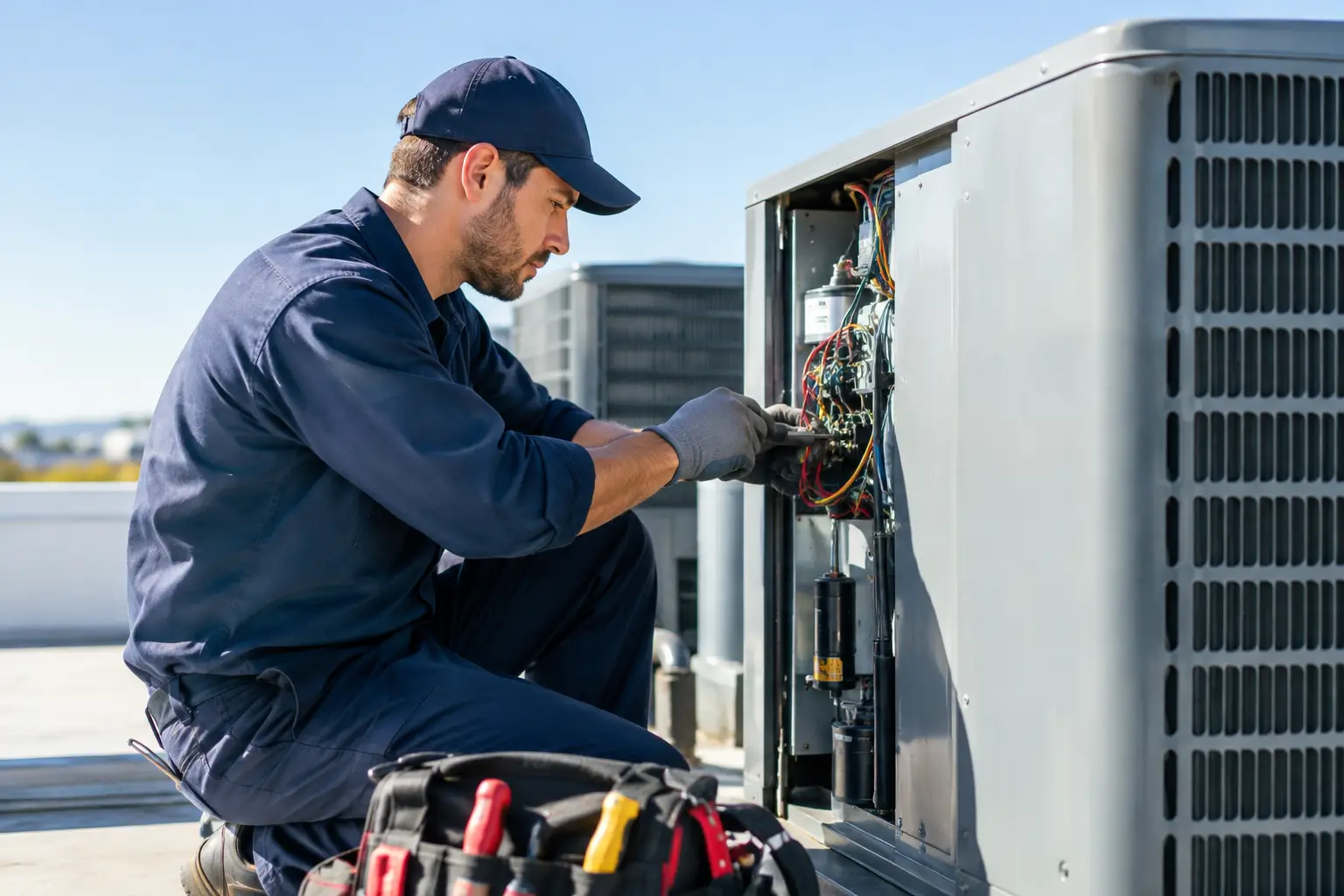
For air conditioning, low refrigerant, a dirty evaporator coil, a failing capacitor, a worn compressor, or an outdoor condenser blocked by debris can reduce cooling performance. Frozen coils are another common reason an air conditioner blows weak or warm air. Turning the system off can allow ice to melt, but the underlying cause still needs to be found before restarting the equipment.
Cooling problems can also come from duct leakage or an undersized system. This is particularly noticeable on hot afternoons when west-facing rooms, upper floors, and spaces with large windows heat up faster than the equipment can manage.
Thermostat wiring and compatibility problems
Thermostat upgrades are not always as simple as swapping one wall control for another. Some smart thermostats require a common wire for consistent power. Others may not be compatible with certain heat pump configurations, multi-stage systems, or zoning controls unless they are properly configured.
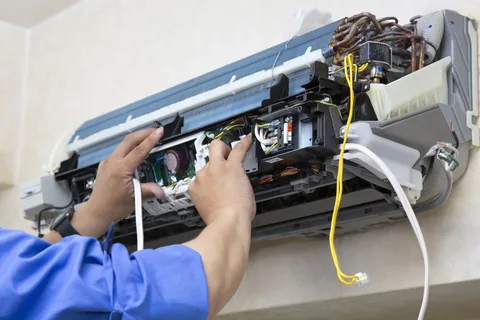
Loose wiring, corroded connections, and damaged low-voltage wires can interrupt communication between the thermostat and HVAC equipment. A certified technician can test voltage, inspect control boards, verify thermostat settings, and determine whether repair, rewiring, or replacement is the right option.
When to Call a Professional for a Thermostat Problem
A professional service call makes sense when your system repeatedly misses the temperature setpoint, runs nonstop, trips a breaker, leaks water, freezes, or provides noticeably weak airflow. It is also the right choice if the thermostat screen is blank after battery and breaker checks, or if your equipment does not respond to thermostat adjustments.
For rental properties and commercial spaces, fast diagnosis matters even more. Uneven temperatures can lead to tenant complaints, uncomfortable employees or customers, and unnecessary energy use. A qualified HVAC technician can distinguish between a thermostat concern, an airflow problem, and a larger equipment issue without relying on guesswork.
Heating and Air Experts provides practical diagnostics, clear recommendations, and upfront pricing for homeowners and businesses throughout the Bay Area. The goal is not to sell a replacement when a repair will restore performance. When a system is aging or no longer cost-effective to fix, you should receive an honest explanation of the available options.
Prevent Repeat Temperature Problems
Routine maintenance is one of the best ways to avoid a thermostat that seems unable to keep up. Seasonal service gives a technician the chance to inspect electrical connections, clean critical components, check airflow, test safety controls, and identify worn parts before they create a breakdown.
Maintenance cannot change a poorly insulated building or an undersized HVAC system, but it can reveal where performance is being lost. In some cases, duct sealing, zoning, thermostat relocation, or targeted insulation improvements will make a meaningful difference without replacing the entire system.
Your thermostat should give you a clear, dependable path to comfort, not a daily argument over the temperature. If simple checks do not solve the problem, timely expert care can help restore reliable heating and cooling before a minor issue turns into a major disruption.