Your air conditioner picks the worst possible moment to quit — usually a 95-degree afternoon when the house is full of people. If you’ve reached the point where repairs feel like throwing money into a fan that barely spins, you’re already thinking about replacement, and that’s exactly where this guide steps in. At Heating and Air Experts, we’ve walked hundreds of San Jose homeowners through this decision, and the goal here is simple: give you the honest, practical information you need before you spend a dollar.
This isn’t a sales pitch. It’s the conversation a good contractor should have with you over your kitchen table — what to look for, what it costs, how to choose the right system, and how to avoid the mistakes that haunt people years later.
When Does an AC Unit Actually Need Replacing?
People put this decision off far too long, and I get why. Replacing a system feels like a big swing. But waiting usually costs more than acting, because a dying unit drains money quietly through your energy bill long before it dies for good.
The Warning Signs Worth Taking Seriously
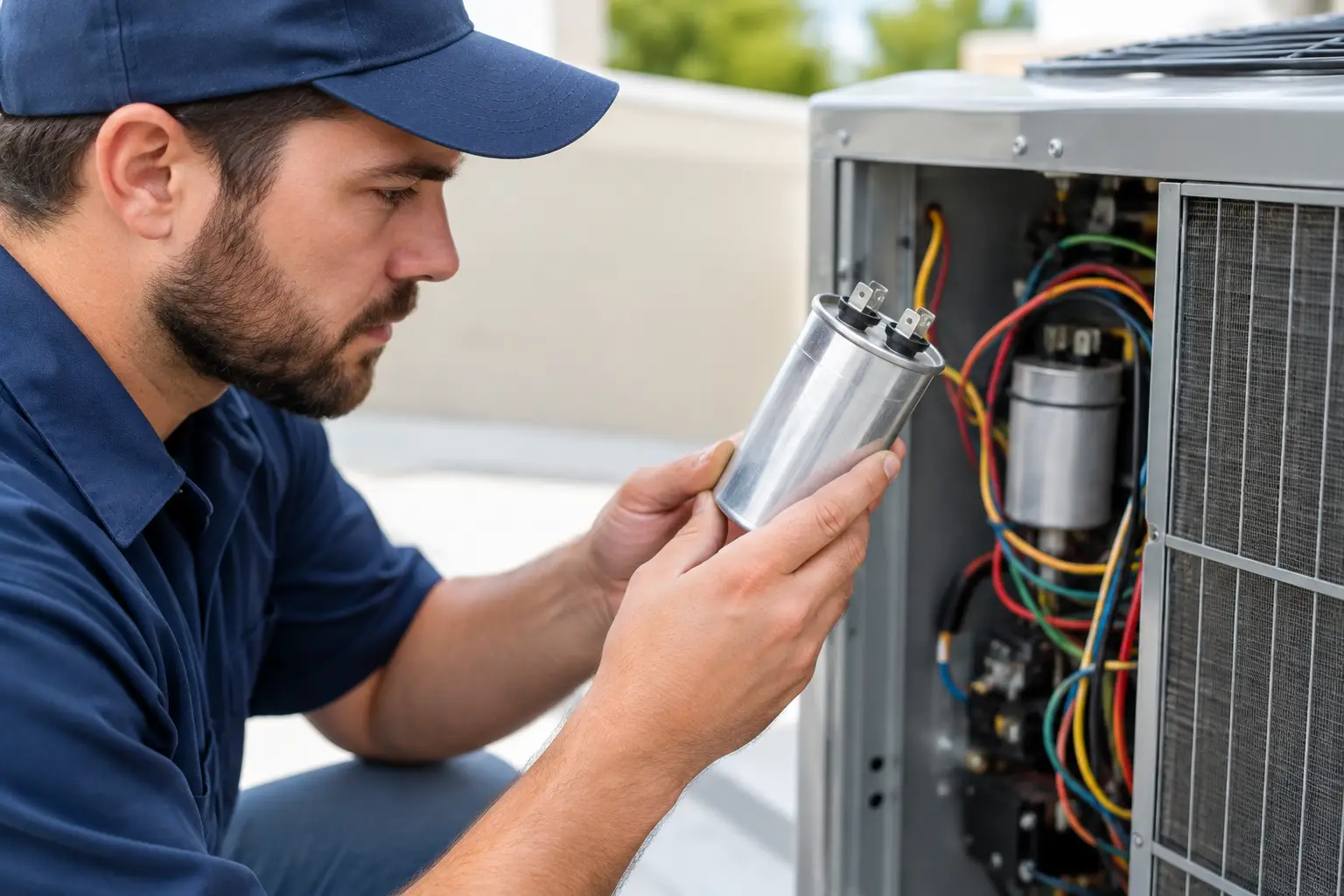
Age is the first honest indicator. Most central air conditioners last somewhere between 12 and 15 years in our climate, and once a unit crosses that line, every repair becomes a gamble. You might fix the capacitor today and lose the compressor next month.
Watch your energy bills, too. If they keep climbing while your usage stays flat, your system is working harder to deliver less. Rooms that never cool evenly, a unit that runs constantly without hitting the thermostat setting, or strange smells and rattling noises all point in the same direction.
Then there’s refrigerant. Older systems often run on R-22, a refrigerant the EPA phased out. If yours leaks R-22, recharging it has become genuinely expensive — sometimes enough on its own to justify a new system that uses modern, cheaper refrigerant.
Repair or Replace? A Simple Rule That Works
Here’s the framework we use, and it has held up for years. Multiply the age of your unit by the cost of the repair. If that number tops $5,000, replacement is almost always the smarter move.
A seven-year-old unit needing a $400 fix? Repair it. A thirteen-year-old unit needing a $1,200 compressor? You’re pouring money into a system that owes you nothing. Replace it and stop the bleeding.
Why San Jose’s Climate Changes the Math
San Jose summers used to feel mild. They don’t anymore. Inland heat has crept up, and homes that once limped through July with a tired unit now need real cooling power. A system that “sort of worked” five years ago may simply be undersized for the heat waves we’re seeing today, which pushes more homeowners toward replacement than repair.
What AC Unit Replacement Costs in San Jose
Let’s talk money, because vague answers help no one. A properly installed central air conditioning system in San Jose generally starts around $8,500 and can climb past $20,000 for high-performance setups. That spread sounds enormous until you understand what moves the needle.
What Actually Drives the Price
Three things matter most: the equipment tier you choose, the condition of your existing infrastructure, and the company doing the work. An entry-level single-speed system on existing ductwork and electrical lands near the bottom of that range. A two-stage or variable-speed system with higher efficiency, plus any electrical or lineset upgrades, pushes toward the middle and top.
Your home’s size feeds directly into this. Contractors measure cooling capacity in tons, and bigger homes need bigger systems. But — and this matters — bigger isn’t automatically better, which I’ll explain shortly.
There’s also a cost most homeowners forget: permits. The City of San Jose requires a permit for new HVAC installations, and those run roughly $200 to $400, with Title 24 energy compliance documentation built in. Any quote that leaves permits out isn’t a complete quote. Worse, unpermitted work creates real headaches when you eventually sell your home.
The Title 24 Factor Nobody Warns You About
California’s Title 24 building code often triggers a duct pressure test when you install a new system. If your ducts leak beyond the allowed threshold, sealing or replacing them adds to the project — but it also delivers genuine energy savings, so it’s rarely wasted money. A good contractor flags this upfront instead of springing it on you mid-install.
Rebates and the Long Game
Prices are climbing. Industry data projects Bay Area HVAC replacement costs to rise roughly 3 to 8 percent through 2026 compared with 2025, partly because new federal efficiency standards raised the baseline. The silver lining is real, though. California offers some of the most generous HVAC incentives in the country, and heat pumps in particular qualify for the most rebates. Stacking those incentives can meaningfully offset your upfront cost.
According to the California Energy Commission, homes with newer, AC Unit Replacement Services in San Jose, CA use about 30 percent less energy than homes running older units. In Bay Area terms, with PG&E rates as high as they are, that often means $800 to $1,400 in annual savings. A new system frequently pays for itself within five to eight years on energy savings alone.
Choosing the Right System for Your Home
This is where homeowners either set themselves up for a decade of comfort or a decade of regret. The equipment matters less than the match — the right system, correctly sized, installed well.
Sizing Done Right: Insist on a Manual J
If a contractor eyeballs your house and quotes a system size from the driveway, walk away. The industry standard is a Manual J load calculation, which accounts for square footage, insulation, window placement, ceiling height, and sun exposure to determine exactly how much cooling your home needs.
Why does this matter so much? An oversized unit short-cycles — it blasts cold air, hits the thermostat fast, shuts off, and repeats. That constant stopping and starting wears the system out early and leaves humidity behind. An undersized unit runs forever and never quite gets there. Proper sizing is the single most important decision in the whole project, and it costs nothing but the contractor’s diligence.
Understanding SEER2 and Efficiency Ratings
You’ll hear “SEER2” a lot, and it’s worth understanding. It measures cooling efficiency under updated federal testing rules. The Department of Energy now requires new residential AC and heat pump systems in the Southwest region, including California, to meet higher SEER2 minimums.
In plain language: even the entry-level systems sold today are more efficient than what you replaced. Step up to a higher SEER2 rating and you’ll cut your cooling costs further, though you pay more upfront. Modern systems run 30 to 50 percent more efficient than units built 15 or more years ago, which is why that aging dinosaur in your side yard costs so much to run.
Central AC vs. Heat Pump: A Real Choice Now
For years, central AC paired with a gas furnace was the default. That’s shifting fast. Many Bay Area homeowners now choose heat pumps, which heat and cool from a single system and qualify for the richest rebates. If your furnace is also aging, a heat pump can replace both at once and simplify your whole setup.
If your furnace is newer and working fine, a straightforward AC-only replacement makes perfect sense. The right answer depends on your home, your timeline, and your budget — not on what’s trendy.
What a Professional Replacement Looks Like, Step by Step
A quality installation follows a rhythm. When you know the rhythm, you can spot a contractor cutting corners. Here’s how a proper San Jose replacement unfolds.
Step 1: The In-Home Assessment
A technician inspects your current system, ductwork, electrical panel, and home layout, then runs that Manual J calculation. This visit shapes everything that follows, so it should feel thorough, not rushed.
Step 2: A Clear, Itemized Quote
You receive a written estimate that lists equipment, labor, permits, and any duct or electrical work. No vague lump sums. If you can’t tell what you’re paying for, ask until you can.
Step 3: Removal and Installation
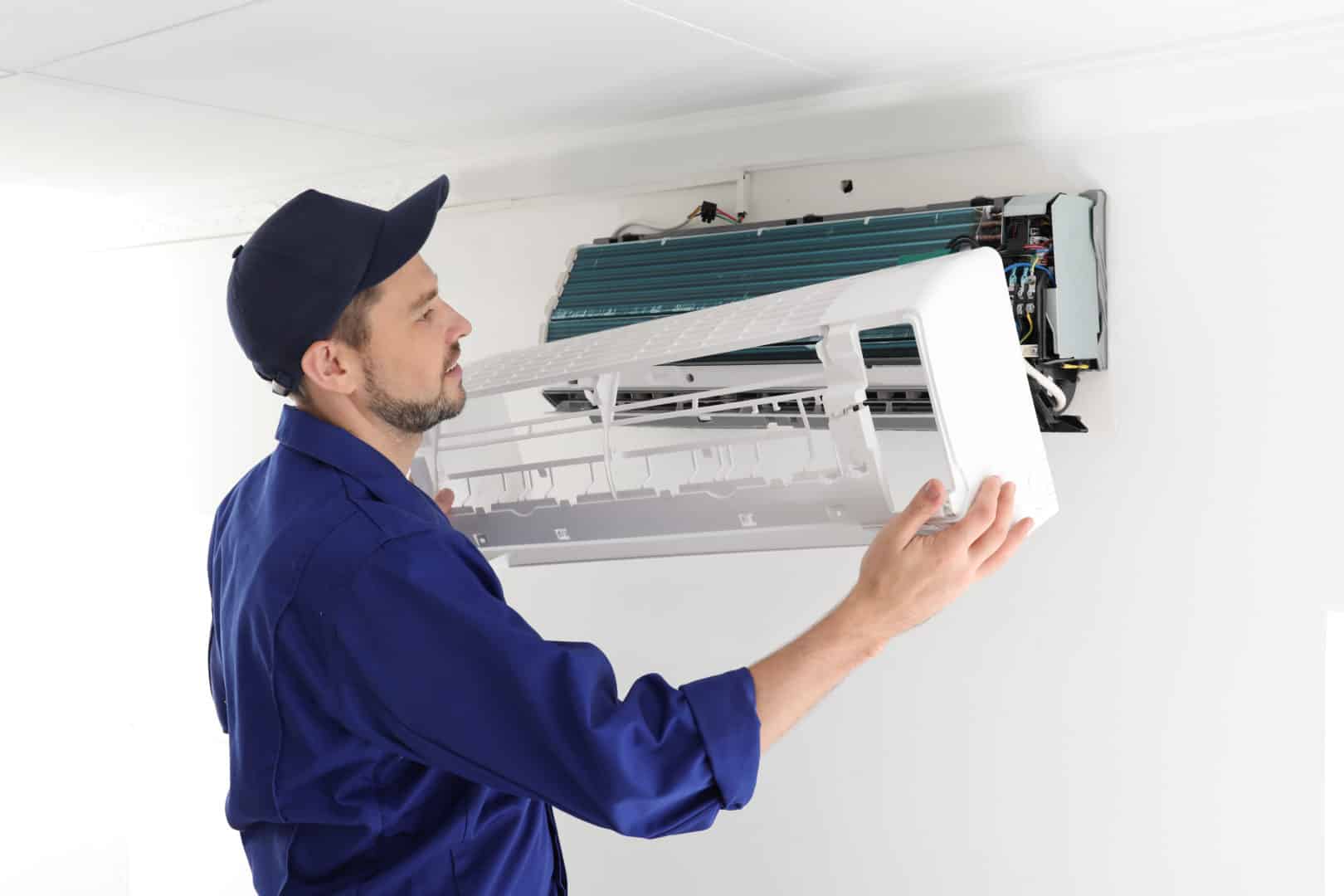
On install day — usually a single day for a standard residential job — the crew removes the old unit, sets the new condenser and coil, connects the lineset and electrical, and integrates the thermostat. Complex jobs involving new lineset runs or panel upgrades may stretch to two or three days.
Step 4: Commissioning and Testing
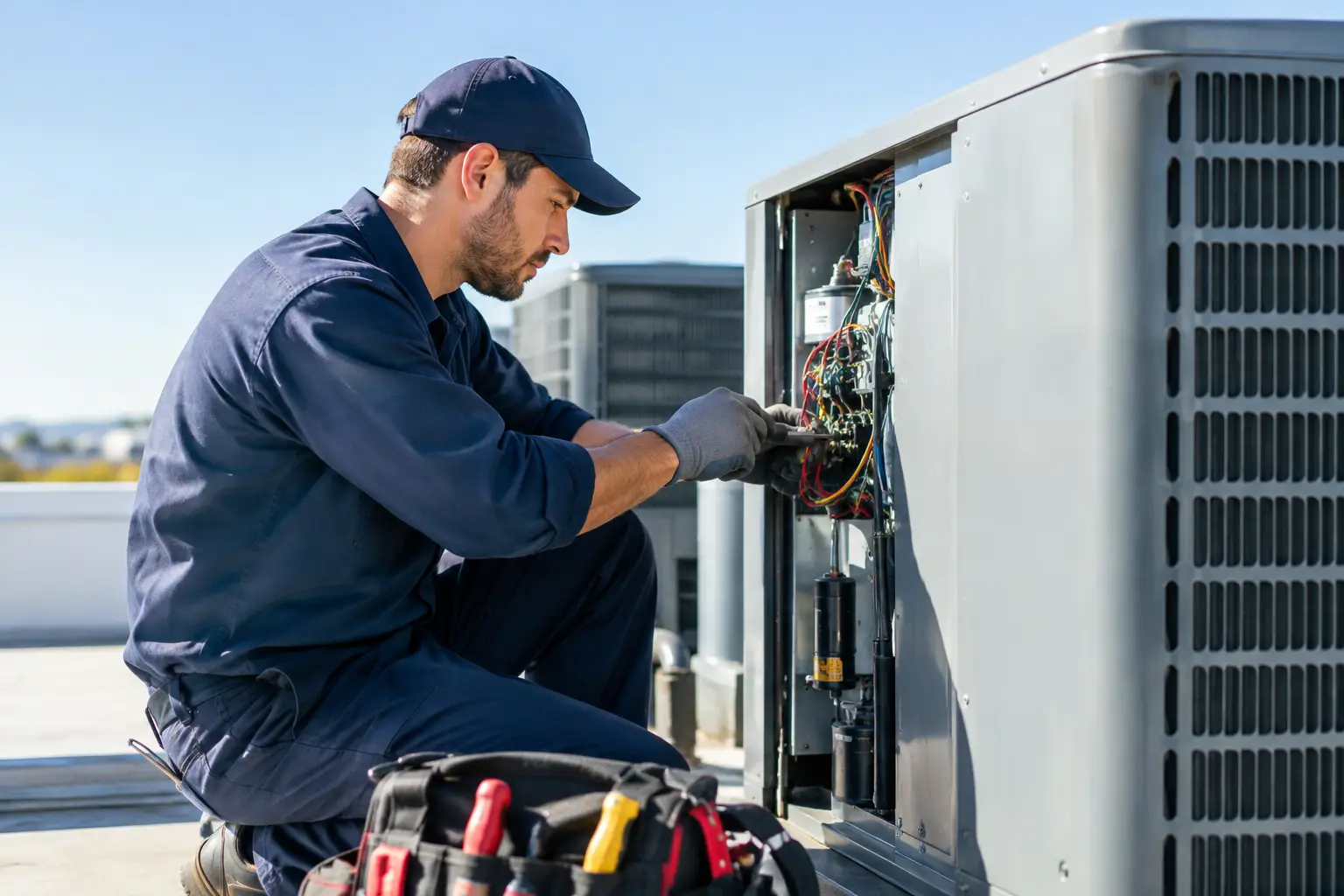
This step separates real pros from the rest. The team charges the system to spec, verifies airflow, runs the Title 24 duct pressure test where required, and confirms the unit performs as designed. Then they walk you through how everything works before they leave.
Step 5: Permit Close-Out
The contractor schedules the final inspection, passes it, and closes the permit — handing you the documentation. That paperwork protects you at resale and proves the work met code.
How to Choose a Trustworthy AC Replacement Company
The equipment from any major brand is generally solid. The installer is where projects succeed or fail. I’ve seen premium systems run poorly because of sloppy installs, and I’ve seen mid-tier units run beautifully for a decade because someone did the work right.
Verify the Non-Negotiables First
Confirm the company holds a valid California contractor’s license and that technicians are EPA-certified to handle refrigerant, which is legally required. Check that they pull permits as a matter of course — reluctance here is a giant red flag. Ask about insurance, warranties on both equipment and labor, and how long they’ve served Santa Clara County.
Questions That Reveal a Lot
Ask whether they perform a Manual J load calculation. Ask how they handle Title 24 testing. Ask for references from recent San Jose installs and read reviews with a critical eye, looking for patterns rather than one-off complaints.
A contractor who answers these openly, explains your options without pressure, and puts everything in writing is the one you want. Comfort for the next 15 years rides on this choice, so take your time and trust the company that treats your questions as welcome rather than annoying.
Conclusion
Replacing an AC unit is one of the bigger home investments you’ll make, and the temptation to chase the lowest bid is strong. Resist it. The cheapest quote almost always skips something — a permit, proper sizing, a duct test — and you pay for that omission later in comfort, energy bills, or repairs.
Focus instead on value: a correctly sized, efficient system installed AC units replacement services by a licensed, permit-pulling team that stands behind its work. Get two or three detailed quotes, compare what’s actually included rather than just the bottom-line number, and ask every question on your mind before signing.
If you’re weighing a replacement in San Jose right now, the smartest first move is a no-pressure in-home assessment with a reputable local company. Heating and Air Experts is happy to provide exactly that — an honest evaluation, a clear quote, and straight answers about whether replacement truly makes sense for your home. Your comfort through the next decade of San Jose summers depends on getting this one decision right.
Frequently Asked Questions
How long does an AC unit replacement take in San Jose?
Most standard residential central AC replacements take one full day. Jobs involving new ductwork, lineset runs, or an electrical panel upgrade can take two to three days. Your contractor should give you a realistic timeline during the assessment.
How much should I budget for AC replacement in San Jose?
Plan for roughly $8,500 on the low end for a basic central system on existing infrastructure, with mid-range systems landing between $10,000 and $14,000 and premium setups reaching $20,000 or more. Permits, ductwork, and efficiency tier all influence the final figure.
Do I need a permit to replace my air conditioner?
Yes. The City of San Jose and Santa Clara County require a permit for new HVAC installations, typically costing $200 to $400. A licensed contractor handles the application, inspection, and close-out for you.
Are there rebates available for AC replacement in California?
Yes, and they’re among the most generous in the country. Heat pumps qualify for the most incentives, and many rebates can be stacked. A knowledgeable local installer will help you identify which programs you qualify for.
Is it worth repairing an older AC instead of replacing it?
If your unit is under 10 years old and the repair is minor, repair it. Once a system passes 12 to 15 years or needs a major component like a compressor, replacement is usually the wiser financial choice — especially if it still runs on phased-out R-22 refrigerant.