When the AC quits in a two-story home or a rooftop unit starts failing at a busy storefront, the problem may look different, but the expectation is the same – fast answers, honest pricing, and a fix that lasts. That is why residential commercial HVAC services matter for Bay Area property owners. You need one trusted team that can handle comfort, airflow, efficiency, and system reliability without making the process harder than it needs to be.
For homeowners, HVAC problems usually show up as uneven temperatures, rising utility bills, strange noises, or poor indoor air quality. For business owners and property managers, the stakes are often higher. A failing system can affect customers, staff productivity, tenants, equipment, and daily operations. In both cases, the right service provider should do more than restore heating or cooling. They should help you make a sound decision for the short term and the long term.
What residential commercial HVAC services include
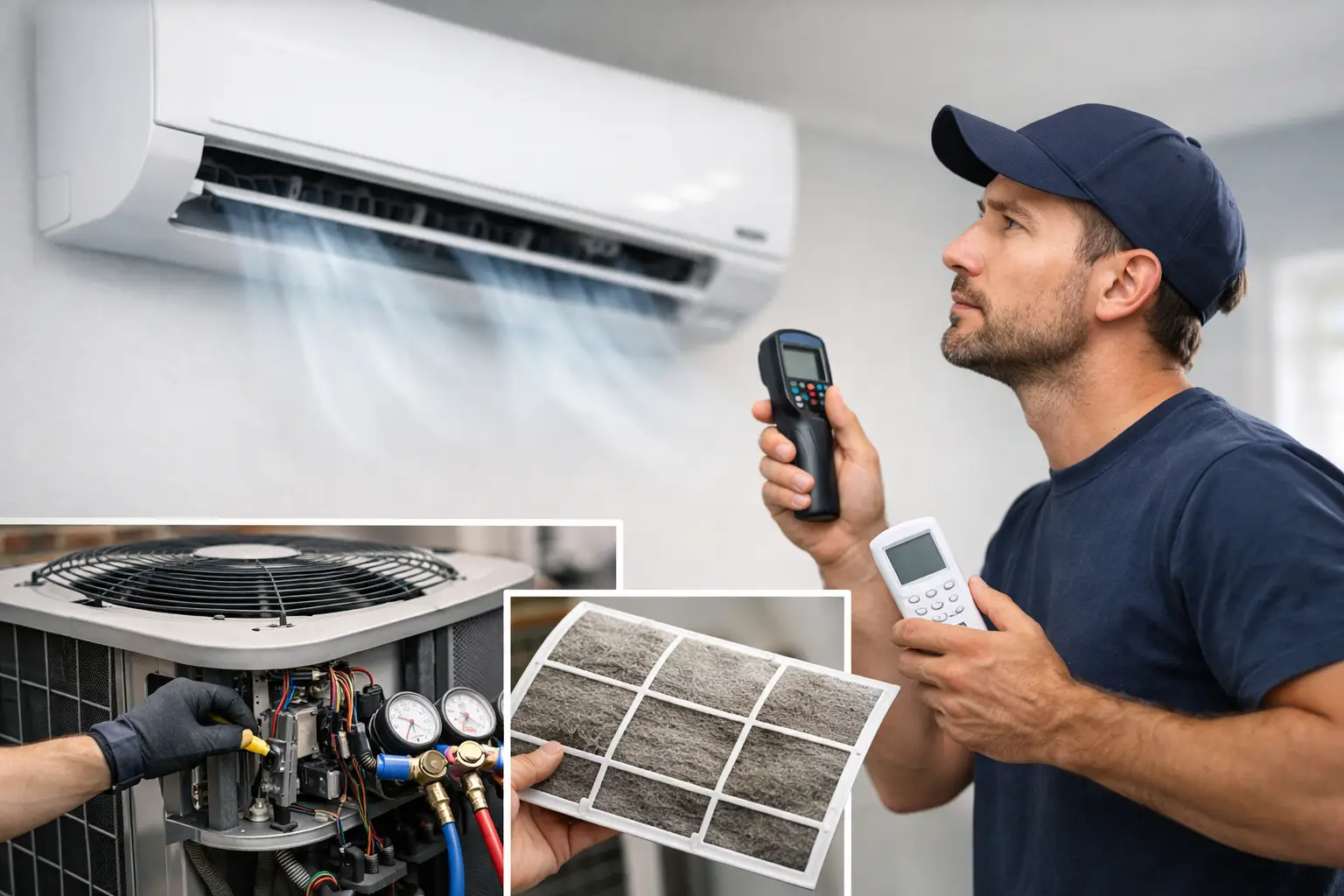
Residential commercial HVAC services cover the full range of heating, cooling, ventilation, and air quality work across homes and business properties. That often includes repair, replacement, maintenance, thermostat installation, ductwork service, and air duct cleaning. The best providers are equipped to respond to urgent breakdowns while also helping customers prevent repeat issues through regular system care.
In a home, that may mean diagnosing why one bedroom stays warm while the rest of the house cools properly, replacing an aging furnace, or improving indoor air quality for a family dealing with dust and allergies. In a commercial setting, it may involve servicing packaged rooftop units, addressing poor airflow across multiple zones, or keeping a tenant space comfortable without disrupting business hours.
The common thread is practical problem-solving. Customers are not looking for a sales pitch. They want certified technicians who can identify the cause, explain the options clearly, and complete the work with care.
Residential and commercial HVAC are not the same job
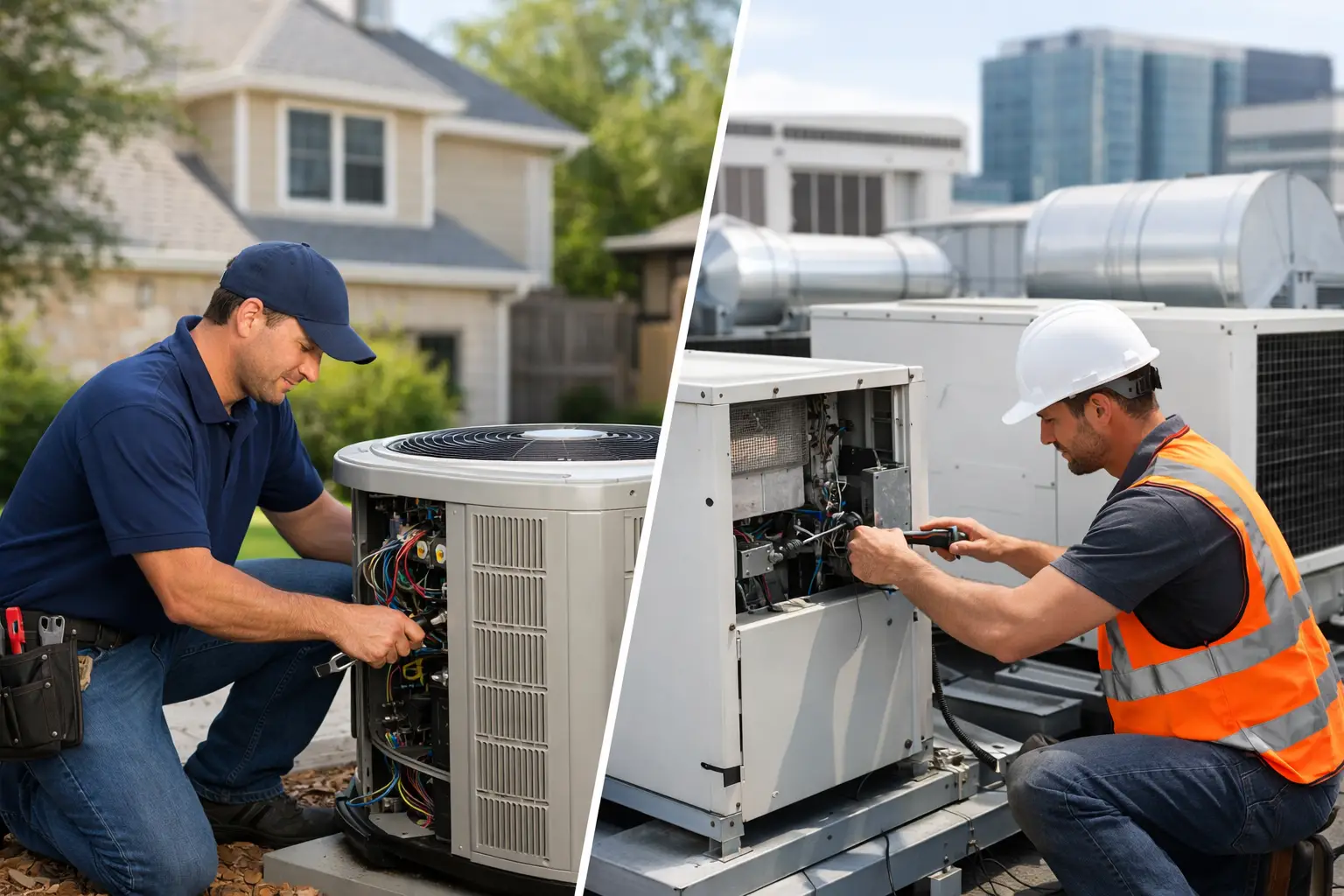
It is easy to assume HVAC service is basically the same everywhere, but residential and commercial systems often differ in scale, design, controls, access, and usage patterns. A single-family home may rely on one central system with straightforward duct runs and a relatively predictable schedule. A commercial property may have several units, more complex zoning, higher occupancy loads, and tighter operating requirements.
That difference matters when repairs are needed. A homeowner may be deciding whether to repair a ten-year-old condenser or replace it before another summer spike. A business owner may need to weigh the cost of downtime, after-hours service, tenant comfort, and whether a repair is only a temporary fix for a larger equipment issue.
This is where experience counts. A technician who understands both environments can adapt recommendations to the building, the budget, and the urgency of the problem. Sometimes repair is the smart move. Sometimes replacement makes more financial sense. It depends on the age of the equipment, the condition of major components, the energy performance of the current system, and how critical reliable operation is day to day.
Why fast diagnostics matter
When HVAC systems fail, many customers are dealing with more than discomfort. They are dealing with lost time, uncertainty, and the concern that the final bill will keep growing. Fast diagnostics are valuable because they reduce guesswork early in the process.
A strong service visit should answer basic questions quickly. What failed? Is there one issue or several? Is the problem electrical, mechanical, airflow-related, or control-related? Can it be repaired safely today, or is a larger recommendation justified? Without those answers, customers are left making decisions under pressure.
In the Bay Area, where weather can shift and building types vary widely from older homes to modern retail and office spaces, accurate diagnostics help avoid wasted expense. Replacing a thermostat will not solve an underlying duct issue. Recharging refrigerant without addressing a leak is rarely a lasting answer. Swapping parts without testing the whole system can turn one service call into several.
Maintenance is where long-term value shows up
Emergency repair gets attention because it is urgent, but maintenance is where HVAC value becomes more predictable. Systems that are cleaned, inspected, and tuned regularly tend to run more efficiently and suffer fewer surprise failures. That matters for both homeowners trying to control utility costs and property managers trying to avoid repeated service calls.
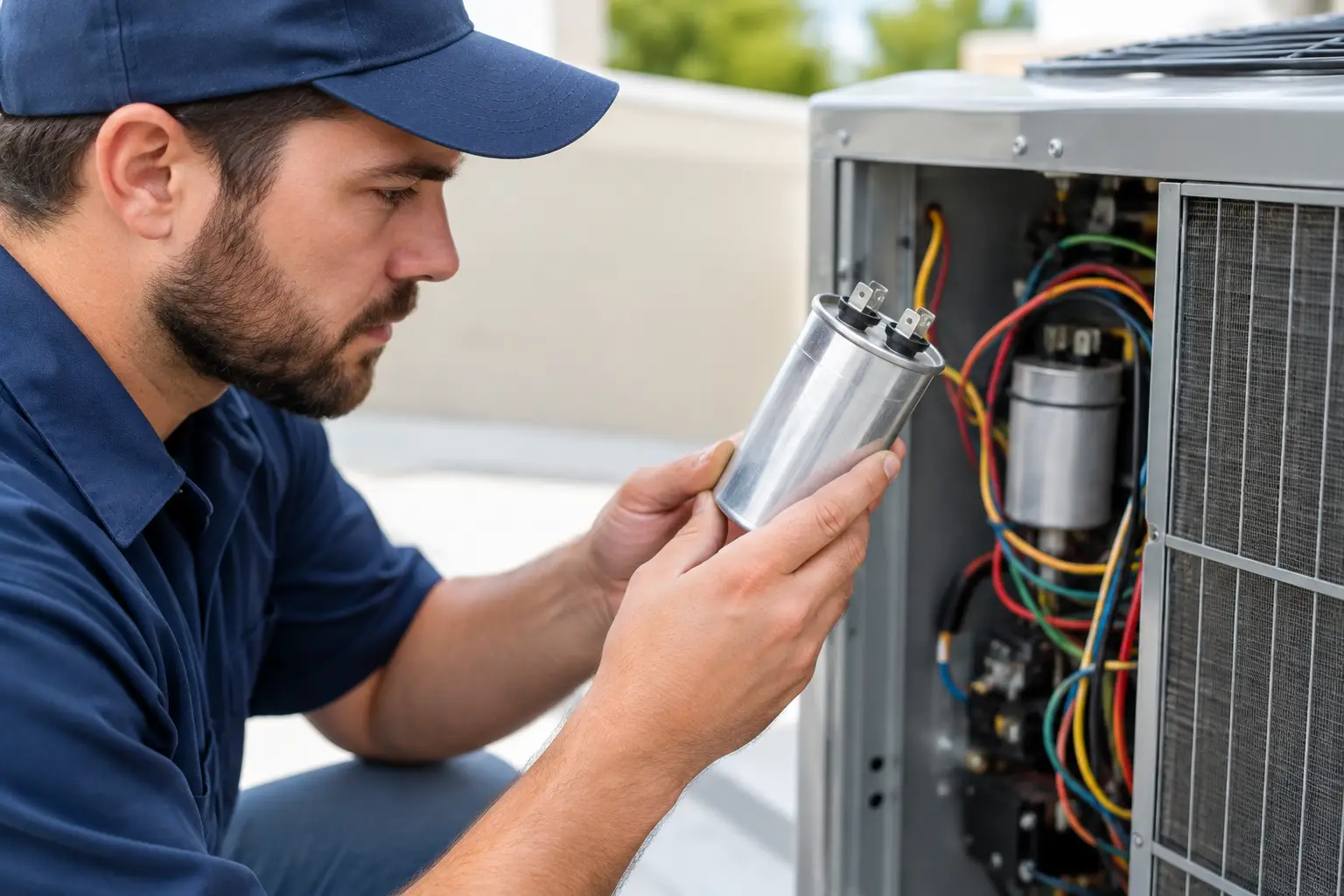
Maintenance also helps customers plan ahead. If a technician sees signs of compressor wear, heat exchanger concerns, drainage issues, dirty coils, or declining airflow, you can address the problem before it becomes an outage. That kind of visibility is especially useful for older equipment. You may still get more life out of it, but you will have a better sense of timing and budgeting.
For commercial properties, maintenance can support tenant retention and operational consistency. For homes, it often improves comfort in ways people notice right away, like steadier temperatures, cleaner airflow, and less strain during peak heating or cooling seasons.
Indoor air quality is not a side issue
Heating and cooling performance gets most of the attention, but indoor air quality has a direct effect on comfort. Dust buildup, clogged filters, duct contamination, humidity imbalance, and poor ventilation can leave a building feeling stuffy even when the temperature setting looks right.
This is one reason many customers ask about air duct cleaning, filter upgrades, or thermostat improvements during a service call. They are trying to solve a comfort problem that is not always tied to the main unit alone. In homes, that may mean reducing allergens and stale air. In commercial spaces, it can mean creating a cleaner and more consistent environment for employees, customers, or tenants.
Good service providers look at the whole system. If airflow is weak, they should consider more than the equipment itself. Duct restrictions, dirty components, and control issues all affect performance. Solving the visible symptom without addressing the underlying airflow problem usually leads to frustration later.
Choosing the right HVAC partner in the Bay Area
Not every company is built to handle both residential and commercial work well. If you are comparing providers, it helps to look beyond basic availability. Fast response matters, especially for emergency calls, but so do clear communication and quality workmanship.
A dependable HVAC company should offer upfront pricing, explain recommendations in plain language, and avoid pushing replacement when repair is still reasonable. They should also be prepared for the realities of Bay Area service: mixed property ages, varied equipment types, and customers who need scheduling flexibility.
This is where local reputation carries weight. Homeowners, property managers, and business owners want to know the company has real experience across nearby cities and can follow through after the first appointment. Heating and Air Experts is built around that expectation, with certified technical service, broad coverage, and a practical approach focused on comfort, efficiency, and customer satisfaction.
When repair makes sense and when replacement is smarter
One of the most common questions in residential commercial HVAC services is whether to keep repairing an older system or replace it. There is no single answer that fits every property.
Repair often makes sense when the system is relatively young, the issue is isolated, and the equipment has otherwise been reliable. Replacement becomes more attractive when service calls are becoming frequent, major components are failing, energy bills are climbing, or comfort problems continue even after repairs.
For commercial customers, decision-making may also include occupancy demands, maintenance history, and business disruption. For homeowners, the choice often comes down to balancing present cost with future reliability. Honest guidance matters here. The best recommendation is not always the biggest job. It is the option that fits the condition of the system and the customer’s goals.
What customers should expect from a service call
A professional HVAC experience should feel organized from the first contact. Customers should know when help is arriving, what the diagnostic process involves, and what the next step will be after the system is evaluated. That may sound basic, but reliability and communication are often what separate a good service company from a frustrating one.
Once onsite, the technician should inspect the system carefully, identify the issue, and explain the repair or replacement options without making the customer feel rushed. If more than one solution is possible, the trade-offs should be clear. A lower-cost repair may buy time. A replacement may lower operating costs and reduce risk. Neither option should be presented as one-size-fits-all.
That level of service builds trust, especially when customers are already dealing with stress. Whether the property is a family home, a retail location, or a managed building, people want to feel confident that the work is being done correctly and that the recommendations are based on need, not pressure.
Comfort systems are easy to ignore until they stop doing their job. The better approach is to treat HVAC service as part of protecting the property itself. When you have the right team in place, heating, cooling, air quality, and efficiency become easier to manage before they turn into bigger problems.