A furnace that quits during a cold San Jose night doesn’t care about your schedule. It just stops — and suddenly you’re researching reliable furnace installation service in San Jose, CA at 11 p.m. with three blankets on. At Heating And Air Experts, we’ve walked into hundreds of those exact situations, and the pattern is almost always the same: the old unit was either oversized, undersized, or installed in a hurry by someone who skipped the math. This guide exists so you never have to learn that lesson the expensive way.
Most articles about furnaces rush you toward “call now.” This one slows down. The goal is to help you understand what a proper installation actually involves, why it matters more than the brand name on the box, and how to tell a genuine professional from someone winging it.
Why Furnace Installation Quality Matters More Than the Brand
People obsess over which furnace brand to buy. Honestly? The installation matters more.
A premium furnace installed poorly will underperform a mid-range unit installed correctly. That’s not opinion — it’s physics. The U.S. Department of Energy has long noted that improper installation can reduce a heating system’s efficiency by up to 30%. You can buy the best equipment on the market and still throw away a third of its performance if the ductwork leaks or the unit is sized wrong.
Think of it like a custom suit. The fabric is the furnace. The tailoring is the installation. Cheap fabric tailored perfectly beats expensive fabric stuffed onto the wrong frame every single time.
Sizing: The Step Amateurs Skip
Here’s where a lot of installations go sideways. A furnace that’s too big short-cycles — it blasts heat, hits the target temperature fast, shuts off, then fires back up minutes later. That constant on-off wears the system down and leaves rooms feeling unevenly warm.
A unit that’s too small runs nonstop and still struggles on the coldest mornings.
A real heating technician runs what’s called a Manual J load calculation. It accounts for your home’s square footage, insulation, window placement, ceiling height, and even how many people live there. If a contractor quotes you a furnace size by glancing at your old one, that’s a red flag. The old one might have been wrong too.
Ductwork and Airflow Often Get Ignored
Your furnace is only half the system. The ducts are the other half. We’ve inspected San Jose homes where the furnace was brand new but 20% of the heated air was leaking into the attic through gaps in old ductwork.
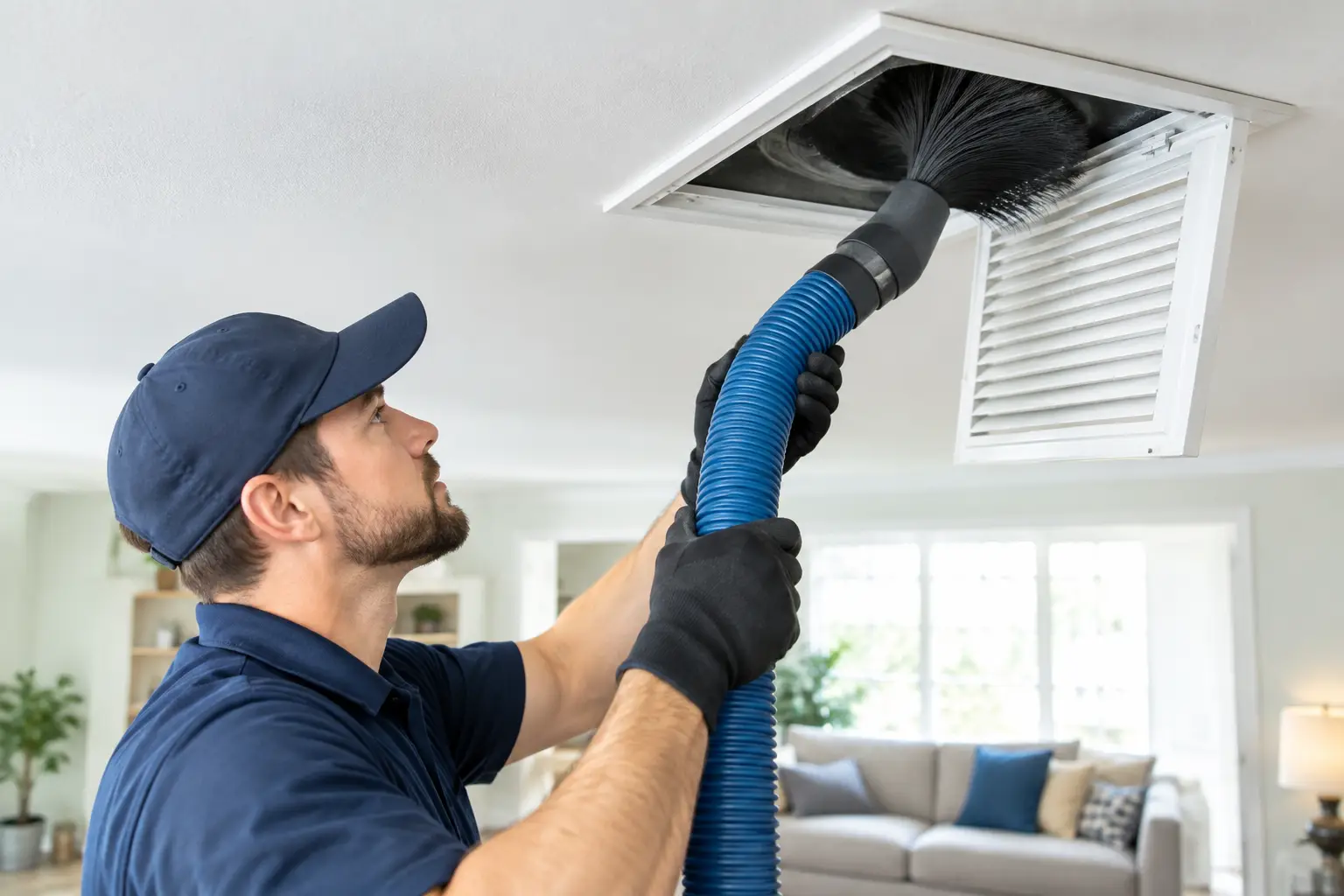
Proper furnace installation includes checking duct integrity, sealing leaks, and confirming airflow balance. Skipping this is like buying a sports car and driving it with two flat tires. Comprehensive residential heating contractors treat the whole system, not just the box in the closet.
What a Professional Furnace Installation Actually Includes
A quality installation isn’t a quick swap. It’s a sequence of deliberate steps, and each one protects your investment.
It starts with a home assessment and that load calculation we mentioned. Then comes equipment selection — matching the right gas furnace installation or electric furnace setup to your home’s fuel source, budget, and efficiency goals. After that, the technician removes the old unit, prepares the space, and handles the gas line, venting, and electrical connections to code.
The final stage is the part people forget: commissioning. This means testing combustion, checking gas pressure, verifying airflow, and confirming the thermostat communicates correctly with the system. A furnace isn’t “installed” until it’s tested under real operating conditions.
Permits and Code Compliance Aren’t Optional
In San Jose, furnace installation typically requires a permit and inspection. Some homeowners see this as red tape. It isn’t. A permitted install means a city inspector verifies the gas line, venting, and clearances are safe.
Skipping permits can cause real headaches later — failed home inspections during a sale, voided warranties, and in worst cases, carbon monoxide risks from improper venting. Reputable residential heating contractors handle permits as part of the job, not as an upsell.
Modern Thermostat Integration
A new furnace pairs beautifully with a smart thermostat. During installation is the ideal moment to handle thermostat installation or a thermostat upgrade. A programmable or WiFi thermostat lets your heating system maintenance work smarter — learning your schedule and trimming energy use when nobody’s home.
If you’ve been eyeing a Nest thermostat installation or a smart home thermostat, doing it alongside your furnace replacement saves a second service visit and ensures the wiring is matched correctly from day one.
How to Choose Reliable Heating Contractors in San Jose
Not every company that answers the phone deserves your trust. After years in this field, I’ve learned the difference usually shows up before any work begins.
A reliable contractor explains their reasoning. They tell you why a certain furnace size fits your home, not just what it costs. They put the scope in writing. They show up for the assessment instead of quoting blind over the phone.
Look for licensing, insurance, and manufacturer certifications. These aren’t decorations — they signal that the heating technician has been trained on the specific equipment going into your home. Genuine reviews help too, but read them for patterns. One glowing review means little. Twenty reviews praising clean work and honest pricing mean something.
Warranties Tell You Who’s Confident
Here’s a quiet truth about this industry: companies that do sloppy work avoid strong labor warranties. They know they’ll get callbacks.
A confident installer backs their workmanship. Ask specifically about the labor warranty, not just the manufacturer’s parts coverage. The manufacturer covers the furnace. The contractor covers the install. You want both protected.
Beware the Suspiciously Cheap Quote
Everyone loves a deal. But a furnace installation quote that’s dramatically lower than the rest usually hides something — skipped permits, no load calculation, cheaper ductwork connections, or unlicensed labor.
I always tell homeowners to get three quotes and treat the lowest one with curiosity, not excitement. Ask what it includes. Often the gap disappears once you compare apples to apples.
When Repair Makes Sense vs. When to Replace
Not every furnace problem demands a full installation. Sometimes furnace repair services solve the issue for a fraction of the cost. The trick is knowing which path you’re on.
A reasonable rule: if your furnace is under 10 years old and the repair costs less than a third of replacement, repair usually wins. Once a unit crosses 15 years, repairs start stacking up, and efficiency drops. Most gas furnaces last 15 to 20 years with proper heater maintenance services past that, you’re often paying to keep an inefficient system limping along.
Warning Signs Your Furnace Is Failing
Some symptoms whisper. Others shout.
Rising heating bills with no change in usage often signal declining efficiency. Uneven heating, strange noises like banging or screeching, a yellow burner flame instead of blue, or frequent cycling all point toward a system in decline. If you’re calling for emergency heating services more than once a season, the math is probably telling you something.
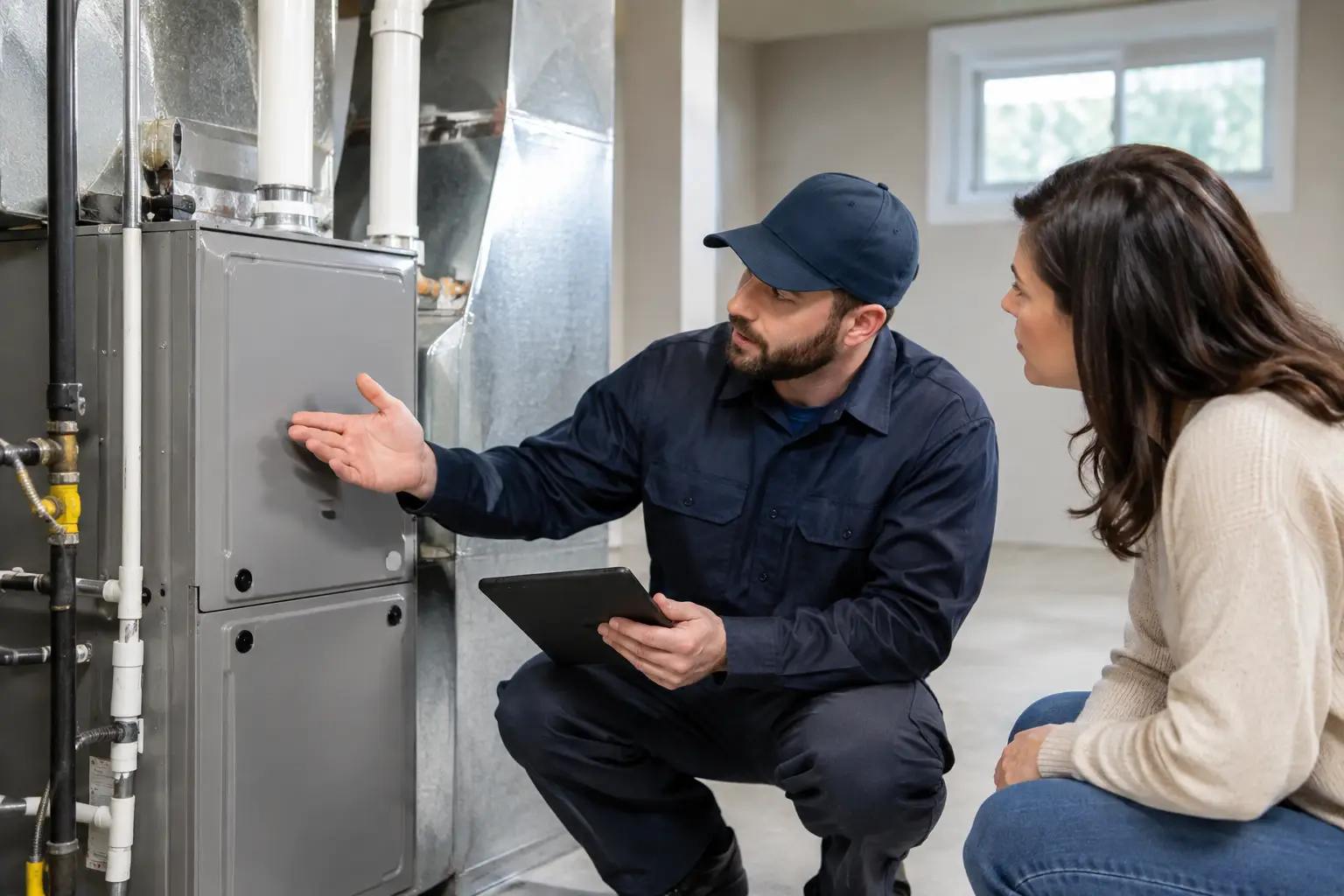
A trustworthy heating inspection cuts through the guesswork. A technician can measure efficiency, check the heat exchanger for cracks, and give you an honest repair-or-replace recommendation instead of defaulting to the bigger sale.
Keeping Your New Furnace Running for Years
Installation is the beginning, not the end. The homes with the longest-lasting furnaces all share one habit: regular maintenance.
Annual heating system maintenance keeps efficiency high and catches small problems before they become emergencies. It typically includes cleaning burners, checking the heat exchanger, replacing filters, testing safety controls, and verifying airflow. Manufacturers often require documented annual service to keep warranties valid another reason maintenance pays for itself.
Simple Habits That Extend Furnace Life
You don’t need to be a technician to help your system. Change your air filter every one to three months. Keep supply and return vents unblocked by furniture. Pay attention to unusual sounds or smells early.
These small habits, paired with professional residential heating repair when needed, can add years to your furnace’s lifespan. A well-maintained furnace doesn’t just last longer — it runs safer and cheaper the entire time.
Conclusion
A furnace is one of the few purchases where the quality of the install determines the quality of the next two decades. Get the sizing right. Insist on permits and proper commissioning. Choose a contractor who explains, warranties, and shows up. Do those three things, and you’ve solved the hardest part before the equipment ever arrives.
When you’re ready for a reliable furnace installation service in San Jose, CA or even just an honest inspection to know where you stand — the team at Heating And Air Experts treats your home like a complete system, not a quick sale. From precise load calculations to clean, code-compliant installs and dependable heating system maintenance afterward, the goal is simple: lasting comfort you stop having to think about. And on those cold San Jose nights, that’s exactly the point.
Frequently Asked Questions
How long does a furnace installation take in San Jose?
Most standard furnace installations take four to eight hours. More complex jobs — like changing fuel types, rerouting venting, or correcting old ductwork — can stretch into a full day. A proper installation always ends with system testing, so don’t rush a technician who’s being thorough.
How much does furnace installation cost in San Jose, CA?
Pricing varies based on furnace size, efficiency rating, fuel type, and whether ductwork needs repair. Because every home is different, the only accurate number comes from an in-home assessment. Be cautious of quotes given over the phone without a load calculation.
How long does a new furnace last?
With regular maintenance, a quality gas furnace typically lasts 15 to 20 years. Skipping annual service shortens that lifespan and can void warranties. Electric furnaces sometimes last a bit longer but depend just as heavily on proper installation and care.
Do I need a permit to install a furnace in San Jose?
Yes, furnace installations in San Jose generally require a permit and inspection for safety and code compliance. Reputable residential heating contractors handle this for you. Skipping permits can cause problems during home sales and may void equipment warranties.
Should I repair or replace my old furnace?
If your furnace is under 10 years old and the repair is minor, repair usually makes sense. Once it passes 15 years or repair costs exceed a third of replacement, replacement is often the smarter long-term investment. A professional heating inspection gives you a clear answer.
Can I install a smart thermostat with my new furnace?
Absolutely, and it’s the ideal time. Pairing thermostat installation with a furnace replacement ensures correct wiring and lets your new system run more efficiently. Smart and WiFi thermostats can meaningfully reduce energy use over time.
What maintenance does a new furnace need?
Plan on annual professional maintenance plus regular filter changes every one to three months. Yearly service keeps efficiency high, supports warranty requirements, and catches small issues before they turn into emergency heating repairs.