Need home cooling services in San Francisco CA? Learn what cooling options work here, what maintenance involves, and how to stay comfortable all summer long.
San Francisco has a reputation for not needing air conditioning. And for most of the city, most of the time, that reputation holds up. June gloom keeps temperatures down. The bay breeze helps. Mornings are cool enough that you need a jacket.
But that reputation starts breaking down in a few specific situations. If you live in the Mission, Bernal Heights, or anywhere east of Twin Peaks, you know that fog doesn’t always make it to your neighborhood. Heat waves hit those areas harder than the coast. And the past several summers have included stretches where temperatures stayed in the 80s and 90s for days at a time, which is brutal in homes that were built assuming cooling was never needed.
The other thing people forget is that San Francisco’s climate varies more by neighborhood than almost any other city in the country. A mile can be the difference between 65 degrees and 85 degrees on the same afternoon. So “San Francisco doesn’t need AC” might be accurate for your friend in the Sunset and completely wrong for you in Potrero Hill.
At Heating And Air Experts, we work with homeowners across San Francisco on cooling projects of all types. Here’s what we’ve learned about what actually works in this city.
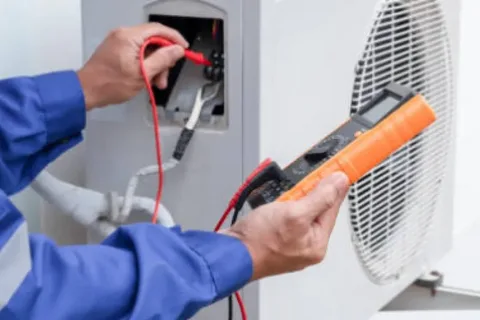
Why Standard AC Advice Doesn’t Always Apply Here
Most air conditioning guides are written for hot, humid climates like Houston or Phoenix. San Francisco is different. The city doesn’t have sustained summer heat, so a full central AC system is often overkill for a climate that only needs cooling a few dozen days each year. Older housing stock is another issue — most SF Victorians and Edwardians were built without ductwork, and adding ducts is expensive and disruptive. That’s why ductless systems have become the go-to option here.
According to the Lawrence Berkeley National Laboratory, California homes have seen growing demand for residential cooling as heat waves become more frequent. The 2021 heat dome pushed San Francisco neighborhoods that historically never needed cooling above 100 degrees for the first time on record. That changed how a lot of homeowners here think about staying cool.
Cooling Options That Actually Make Sense for San Francisco
Ductless mini-split systems are the most popular choice right now, and for good reason. They cool individual rooms without ductwork, they’re highly efficient, and they work perfectly in older SF homes. You put one in the bedroom you actually sleep in, another in the living area if needed, and leave the rest alone. Portable and window units are cheaper but noisier, and window units are restricted in many SF buildings and condo associations — check your rules before buying one.
Central AC makes sense if your home already has ductwork from the heating system. If there are no ducts, the cost of adding them changes things significantly. Whole-house fans are worth serious consideration for SF specifically — nights here are usually cool even when days are warm, so you open windows in the evening, run the fan, and the house drops in temperature fast. They’re not a replacement for AC during a real heat wave, but for typical SF summers they work very well at a fraction of the cost.
What Home Cooling Maintenance Involves in San Francisco
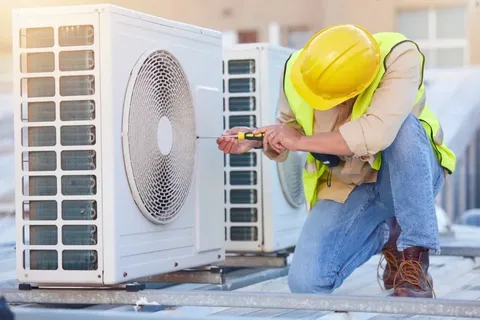
Filters come first. Whether you have central air or a mini-split, the filters need regular cleaning or replacement. A clogged filter restricts airflow, overworks the system, and reduces how well it cools. Check them monthly during use. Outdoor condenser coils pick up dust and pollen over time — rinse them with a garden hose once a year and the system runs noticeably better.
Refrigerant levels and condensate drain lines also matter. A system low on refrigerant runs longer without reaching the set temperature, which strains the compressor. A clogged drain line causes water to back up, and in SF’s older homes, water near interior walls spreads damage quickly. Both of these need a licensed technician to check properly.
What Home Cooling Services Cost in San Francisco CA
Current market pricing for this area.
| Service Type | Typical Cost Range | Notes |
| Mini-split installation (single zone) | $2,500 – $4,500 | Includes unit and labor |
| Mini-split installation (multi-zone) | $5,000 – $10,000+ | Depends on number of zones |
| Central AC installation (with ducts) | $8,000 – $18,000 | Major project for older homes |
| Whole-house fan installation | $800 – $1,800 | Very cost-effective option |
| Annual cooling maintenance | $100 – $175 | Filter, coil, drain, refrigerant check |
| Refrigerant recharge | $200 – $500 | Requires licensed tech |
Homeowners looking for best cooling system maintenance in San Francisco CA should ask specifically what the maintenance service includes. Coil cleaning, condensate drain check, filter replacement, and a basic refrigerant level assessment are what a thorough visit covers. A service that only swaps the filter and leaves isn’t worth what it costs.
Getting the Right System for Your San Francisco Neighborhood
The Sunset and Richmond stay cool from marine air most of the summer. A whole-house fan and smart window management might be all those neighborhoods need. Spending $4,000 on a mini-split for a room that rarely hits 70 degrees is hard to justify. But the Mission, Noe Valley, and parts of the Castro regularly run 10 to 15 degrees warmer on the same day. If you’ve been uncomfortable there for several summers, that’s telling you something.
Expert Home cooling services in San Francisco CA need to account for your specific building too. Condo buildings have rules about exterior unit placement. Single-family Victorians have more flexibility but more installation complexity. Anyone quoting you a system should ask about your building type before recommending anything.
Closing Thoughts
San Francisco’s cooling needs are real even if they’re different from the rest of the country. Heat waves have been getting worse. Neighborhoods that never needed cooling are reconsidering that. And the right solution for your home depends on where you live, what your building is like, and how many days per year you’re actually uncomfortable.
For any homeowner in San Francisco who’s been waiting on this, getting a proper assessment from a local HVAC technician who knows the city’s microclimates is the right starting point. Not a general cooling guide. An actual look at your home and an honest conversation about what makes sense.
Heating And Air Experts serves San Francisco and the surrounding Bay Area with home cooling installation, maintenance, and repair. Call us for a free consultation.
FAQs
Do I actually need air conditioning in San Francisco CA?
It depends on your neighborhood and your personal comfort tolerance. The western districts near the ocean, including the Sunset, Richmond, and parts of the Outer Mission, stay cool enough most summers that many residents manage without any mechanical cooling. Neighborhoods further east and south, including the Mission, Bernal Heights, Noe Valley, Potrero Hill, and parts of SOMA, see significantly warmer temperatures and more frequent heat waves. If you’ve spent multiple summers uncomfortable in your home, that’s a real signal. The frequency and intensity of Bay Area heat waves has increased over the past decade, which is changing the calculus for a lot of SF homeowners who previously got by without cooling.
What is the best cooling system for a San Francisco Victorian or Edwardian home?
Mini-split ductless systems are the standard recommendation for older SF homes without existing ductwork. They require only a small hole through an exterior wall for the refrigerant line and electrical connection. Installation is far less invasive than adding ductwork throughout the house. A single-zone unit in the bedroom where you sleep is often the most practical and cost-effective approach. Multi-zone systems can cool multiple rooms independently. Whole-house fans are another strong option if your primary discomfort comes in the late afternoon and evening rather than overnight.
How often should I service my cooling system in San Francisco CA?
Annual maintenance is the right schedule for most systems. The best time in San Francisco is spring, before the warmer months begin, so any issues get caught before you actually need the system. If you have a mini-split with a washable filter, clean that filter every month or two during periods of regular use. Central AC systems with disposable filters need those changed every one to three months depending on usage and household conditions. Systems that get regular maintenance last longer and cool more efficiently than ones that only get attention when something breaks.
Can I install a window air conditioner in my San Francisco apartment or condo?
It depends on your lease and your building’s rules. Many San Francisco rental leases and HOA documents restrict window unit installation, particularly in historic buildings where exterior appearance is regulated. Some buildings require board approval. If you own your unit in a condo building, check your CC&Rs before purchasing any window unit. If you rent, check your lease. Portable air conditioners that don’t require permanent window installation are an alternative that avoids some of these restrictions, though they’re less efficient and need a hose vented through a window or door.
Why is my mini-split not cooling properly in San Francisco?
A few common causes. The filter might be dirty, restricting airflow through the indoor unit. The outdoor unit might have debris or vegetation blocking airflow around the coil. The system might be low on refrigerant, which requires a licensed technician to diagnose and correct. The unit might be sized too small for the space it’s trying to cool, which becomes obvious during the hottest days of the year. In older San Francisco homes with poor insulation, even a properly sized mini-split struggles to maintain comfortable temperatures during serious heat waves because the building gains heat faster than the system can remove it. Adding window coverings to block direct sun on south and west-facing windows helps in those situations.