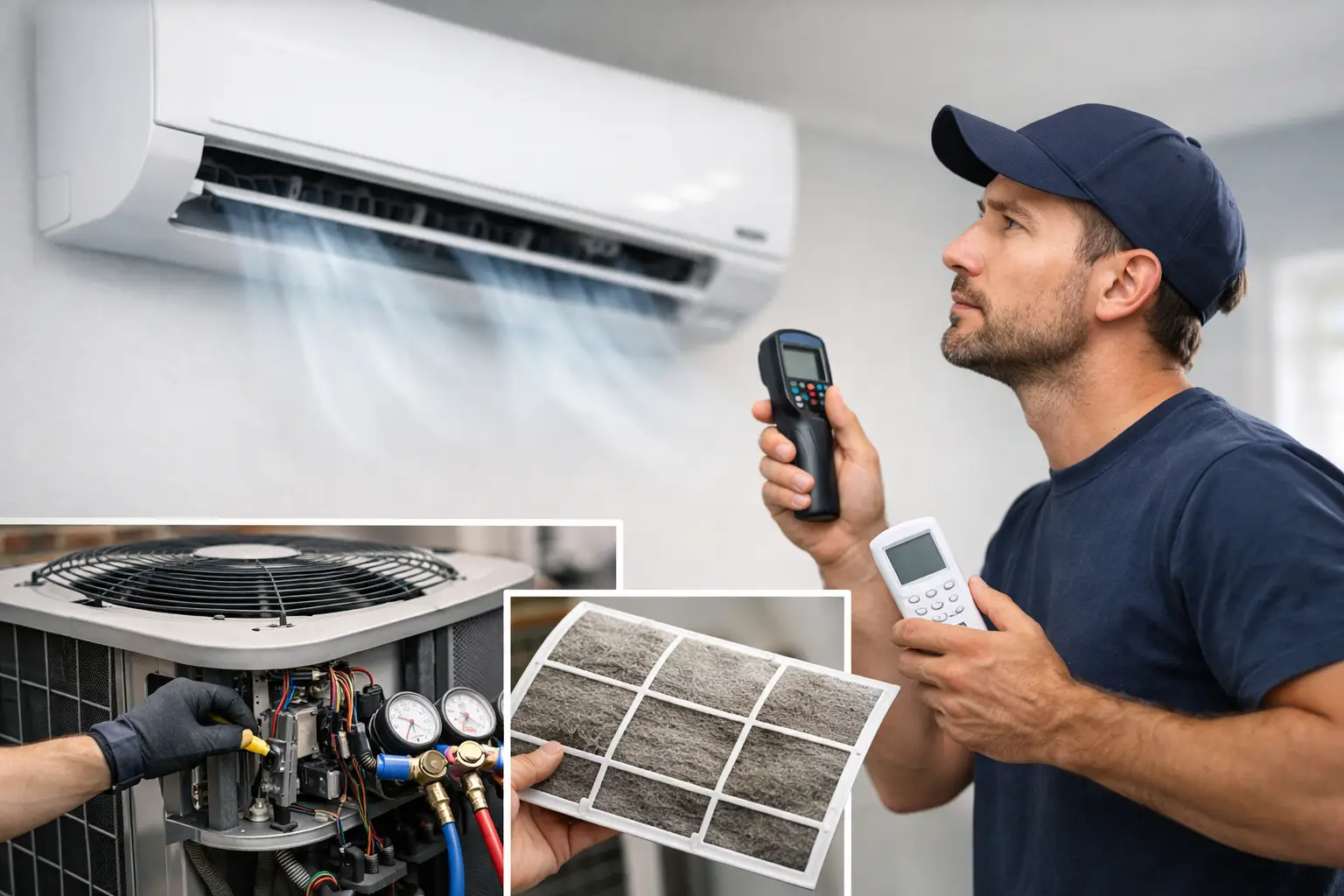
The hottest week of summer and the coldest morning of winter tend to reveal the same problem – an HVAC system that has been working hard for months without attention. That is where hvac maintenance plan benefits become real, not theoretical. For Bay Area homeowners, property managers, and business owners, a maintenance plan is less about checking a box and more about avoiding preventable repairs, controlling operating costs, and keeping indoor comfort consistent.
A good maintenance plan gives you predictable care for one of the most important systems in your property. Instead of waiting until airflow drops, rooms feel uneven, or the system stops responding, you have scheduled service designed to catch wear early. That shift from reactive service to planned service is often what saves the most money over time.
Why HVAC maintenance plan benefits matter
Heating and cooling systems rarely fail without warning. More often, they decline in smaller ways first. A clogged filter restricts airflow. A dirty coil makes the system work harder. Loose electrical connections create performance issues that may look minor at first, then turn into expensive repairs.
When maintenance is handled on a schedule, those smaller issues are more likely to be found before they affect comfort or lead to a breakdown. That matters in homes, but it is just as important in commercial settings where comfort complaints, tenant dissatisfaction, or business disruption can quickly become a bigger problem.
The value also depends on the age and condition of the system. A newer unit may not need major repair work yet, but regular tune-ups help protect efficiency and preserve performance. An older system may benefit even more because early detection can keep a worn unit operating safely and reliably while you plan for eventual replacement.
Lower utility costs without guessing
One of the most practical hvac maintenance plan benefits is improved efficiency. Even a quality system loses efficiency when parts are dirty, airflow is restricted, or refrigerant levels are off. That loss may be gradual enough that you do not notice it day to day, but it often shows up on your utility bill.
Routine maintenance helps your system run closer to the way it was designed to run. Clean components, proper calibration, and airflow checks reduce unnecessary strain. In a region like the Bay Area, where temperatures can swing by season and microclimate, efficient operation matters because your HVAC system may need to handle both cooling and heating demands throughout the year.
It is worth being realistic here. A maintenance plan will not turn an aging, undersized, or improperly installed system into a high-efficiency model. But it can reduce waste, improve day-to-day operation, and keep a functioning system from becoming more expensive to run than it should be.
Fewer emergency repairs and surprise failures
Unexpected HVAC problems are stressful because they rarely happen at a convenient time. A failed air conditioner during a heat wave or a furnace issue on a cold evening often leads to urgent decisions and limited flexibility. Maintenance plans reduce that risk by making inspections routine instead of occasional.
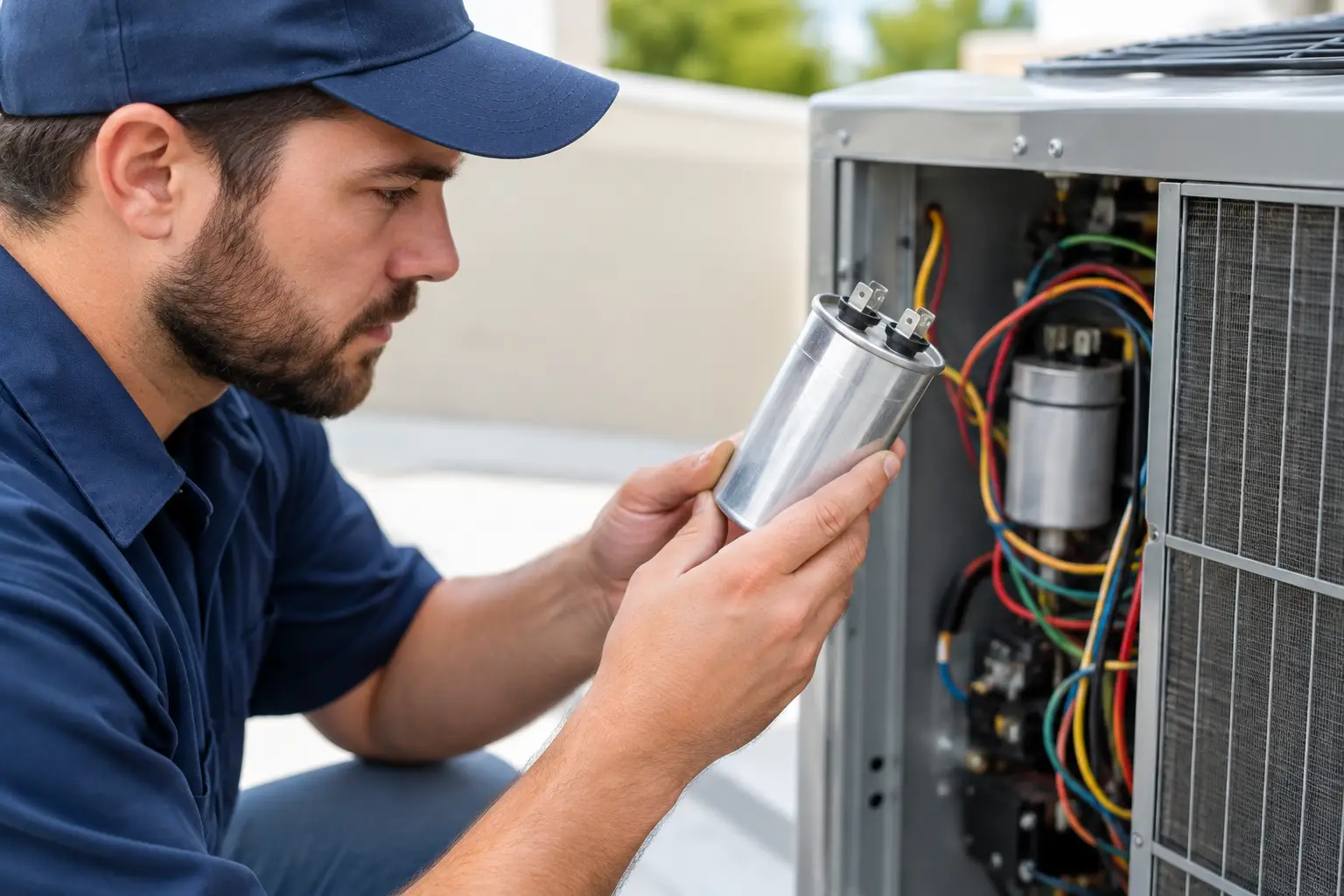
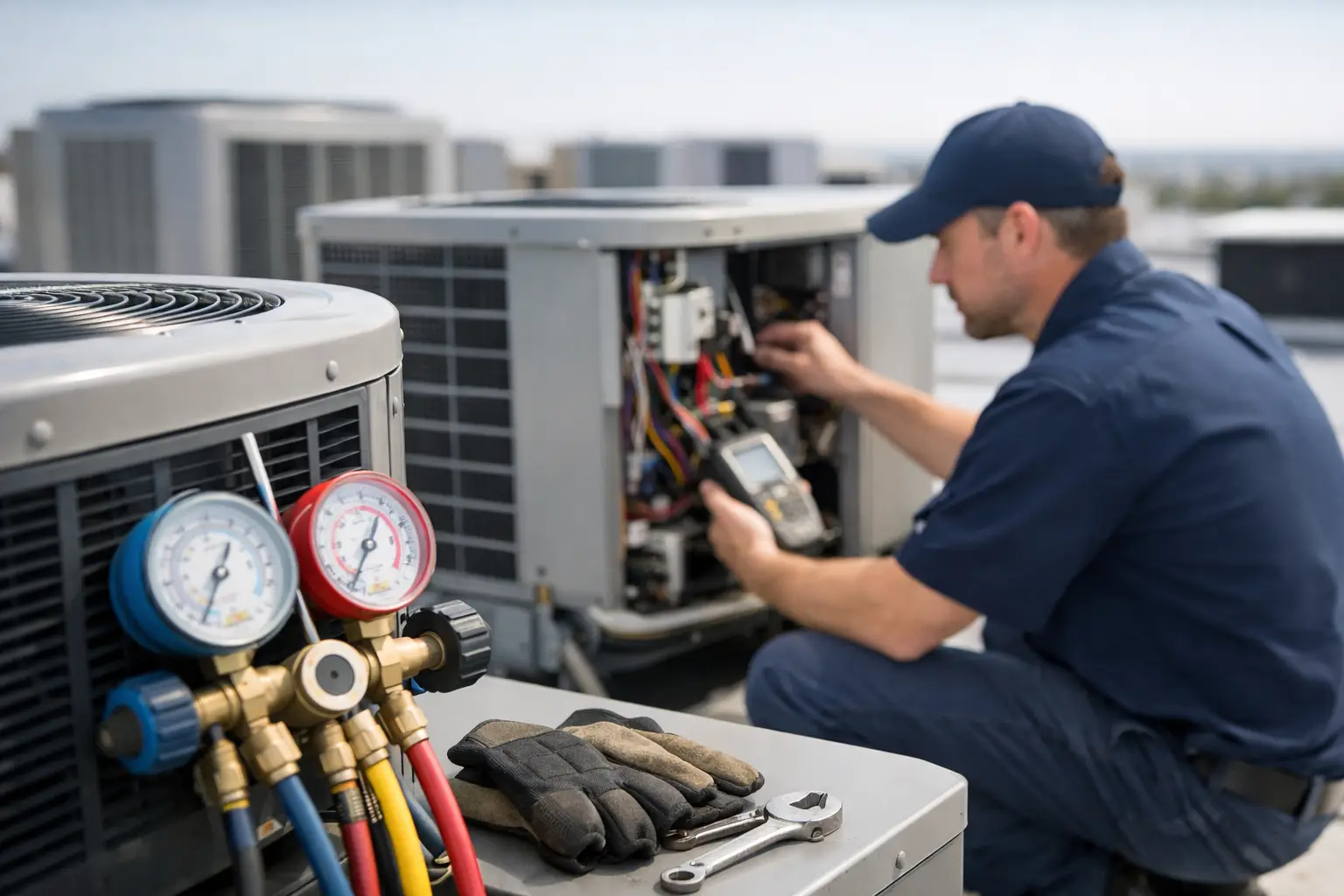
Technicians can spot warning signs such as worn capacitors, drainage issues, dirty burners, blower motor strain, thermostat miscommunication, or weak electrical connections. Many of these issues can be corrected during maintenance or scheduled for repair before they shut the system down.
That does not mean maintenance prevents every breakdown. Some parts fail suddenly, and older systems can be unpredictable. Still, customers with a consistent service history usually face fewer emergencies than those who wait until comfort is already compromised.
Longer system life and better return on investment
Replacing an HVAC system is a major expense. Most property owners want to get as many reliable years as possible from their equipment before making that investment. Maintenance supports that goal by reducing the wear caused by dirt buildup, poor airflow, overheating, and neglected mechanical stress.
Think of it this way: your system does not just need to turn on. It needs to cycle properly, move air effectively, and maintain temperature without overworking itself. When those conditions are not maintained, parts wear out faster. Over time, that can shorten the useful life of the equipment.
For homeowners, that means more value from the original installation. For property managers and commercial owners, it also means better capital planning. A maintenance plan gives you more visibility into system condition, which makes it easier to prepare for repairs or replacement on a timeline that works for your budget.
Better indoor air quality and comfort
Comfort is not only about temperature. It is also about airflow, humidity, and the quality of the air moving through the building. Dirty filters, dust buildup, neglected duct issues, and poorly performing equipment can all affect the indoor environment.
During maintenance, technicians can identify problems that contribute to stale air, uneven rooms, excess dust, or reduced airflow. In many cases, regular service improves comfort in ways customers notice quickly. The system may cool faster, heat more evenly, or maintain temperature with fewer fluctuations.
This is especially important for households with allergies, businesses serving the public, or properties where indoor air quality is part of daily livability. Maintenance is not the only answer to air quality concerns, but it is often the first step in improving overall system performance.
Clearer budgeting and fewer rushed decisions
One benefit that gets overlooked is predictability. A maintenance plan helps you move HVAC service from the category of surprise expense to planned property care. That is helpful for families managing household costs and even more valuable for owners responsible for multiple units or commercial spaces.
Without regular service, you are more likely to face repair decisions under pressure. When the system is down, every option feels urgent. With planned maintenance, issues are often found earlier, when you still have time to compare solutions, budget for repairs, or evaluate whether replacement makes more sense.
That breathing room matters. Honest guidance is easier to act on when you are not in the middle of an HVAC emergency.
Priority service and stronger service history
Many maintenance plans include practical service advantages, such as priority scheduling or reduced delays during busy seasons. When outdoor temperatures spike, service demand can climb fast. Customers already on a plan often have a smoother path to getting their concerns addressed.
There is also value in building a documented service history. When the same company maintains your equipment regularly, technicians can track recurring issues, note changes in performance, and make better recommendations based on what they have seen over time. That continuity often leads to faster diagnostics and more targeted repairs.
For Bay Area customers who want reliability and straightforward communication, this can make the entire service experience easier. Heating and Air Experts, for example, works with customers who need both fast response and long-term support, and that balance is exactly where a maintenance plan tends to help most.
Is a maintenance plan always worth it?
In most cases, yes, but the answer depends on the property and the equipment. If your system is newer, used lightly, and still under strong manufacturer coverage, you may feel less urgency. Even then, regular maintenance usually remains worthwhile because it supports efficiency, keeps performance consistent, and helps preserve the system.
If your equipment is older, runs heavily, or serves tenants, staff, customers, or a larger household, the value tends to be even clearer. Higher usage creates more wear, and more wear creates more opportunities for preventable issues.
The key is choosing a plan that includes meaningful inspections and service, not just a quick visit. Good maintenance should involve real system checks, cleaning where needed, safety review, and clear communication about what is working, what needs attention, and what can wait.
What to look for in a service plan
Not all plans are equal. The best ones are built around actual system care, not vague promises. You want a provider that explains what is included, shows up on schedule, and gives practical recommendations without pushing unnecessary work.
For most property owners, it helps to look for certified technicians, upfront pricing, strong local credibility, and a company that can handle repair, replacement, thermostat concerns, and air quality issues if they come up. Maintenance works best when it is part of a complete service relationship, not an isolated visit.
If you have multiple systems, an older unit, or comfort issues that never seem fully resolved, bring that up before enrolling. A good provider will tailor the conversation to your equipment and usage, not treat every property the same.
The best time to think about maintenance is before your system gives you a reason to. A plan cannot eliminate every repair, but it can make comfort more dependable, costs more manageable, and decisions less stressful when your system needs attention.