You usually notice bad air before you can explain it. A room feels stuffy by midafternoon, dust builds up again two days after cleaning, or someone in the house keeps waking up congested. If you want to improve indoor air quality, the fix is rarely just one product. It usually takes a closer look at airflow, filtration, humidity, and the condition of the HVAC system that moves air through the building every day.
For Bay Area homeowners, property managers, and business owners, this matters more than most people realize. Many buildings are tightly sealed for efficiency, which helps with heating and cooling costs but can also trap airborne particles, odors, and moisture indoors. Add pets, cooking, cleaning products, older ductwork, or an aging HVAC system, and the air inside can start working against your comfort instead of supporting it.
What affects indoor air quality most
Indoor air quality problems often come from a handful of common sources. Dust, pollen, pet dander, mold spores, smoke residue, and volatile chemicals can all circulate through a home or commercial space. Some stay suspended in the air, while others settle into carpets, furniture, and ductwork and get stirred up again whenever the system runs.
Ventilation also plays a major role. If fresh outdoor air is not entering the space in a controlled way, indoor pollutants can build up. On the other hand, opening windows is not always the right answer in the Bay Area, especially during wildfire season or high-pollen days. That is where a properly operating HVAC system becomes essential. Good air quality depends on clean airflow, effective filtration, and equipment that is sized and maintained correctly.
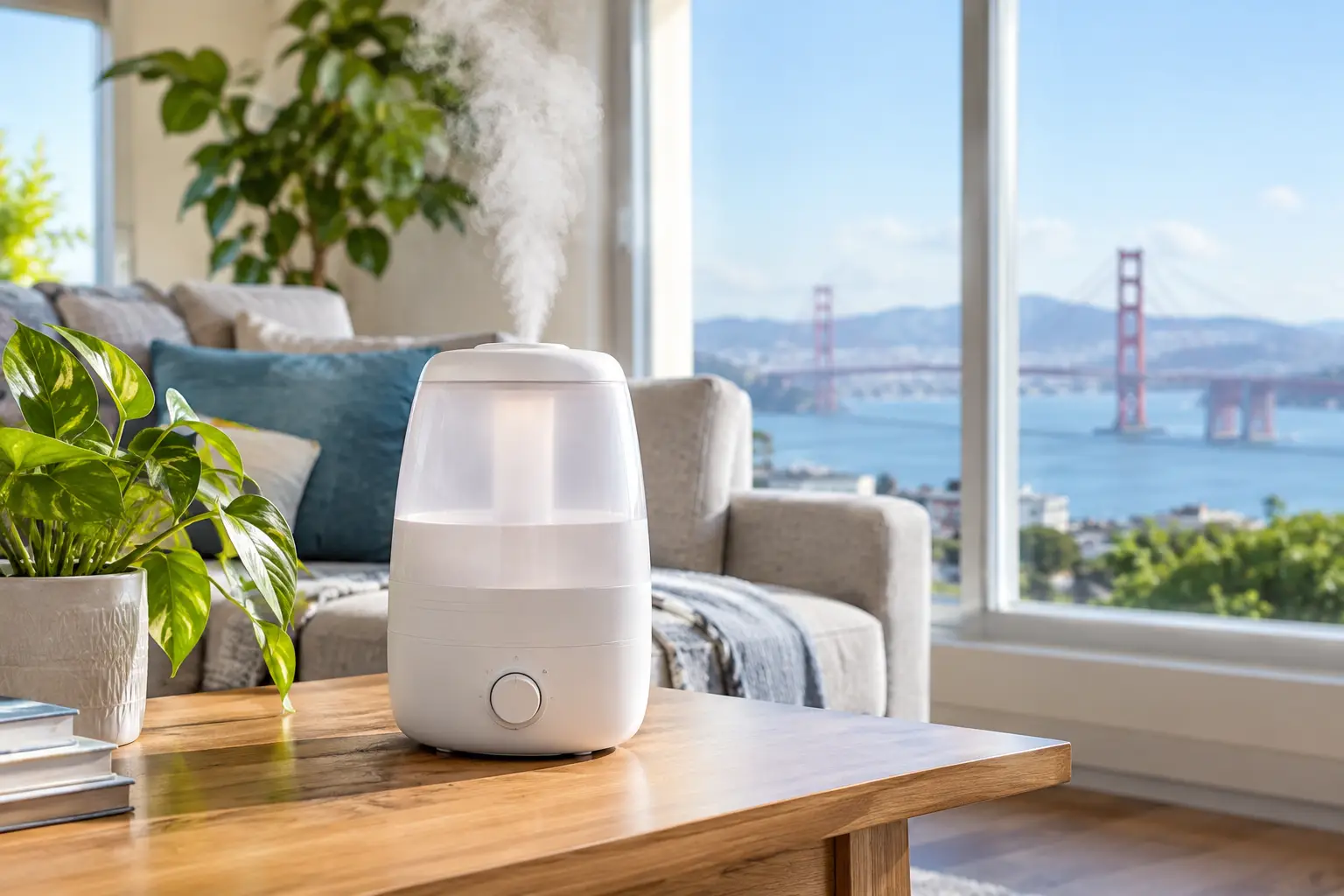
Humidity is another factor people often overlook. Air that is too damp can encourage mold growth and musty odors. Air that is too dry can irritate the throat, skin, and sinuses. The best range depends somewhat on the season and the building, but keeping indoor humidity balanced makes the air feel cleaner and the space more comfortable.
How to improve indoor air quality without guessing
The most effective approach is to start with the basics and address the whole system, not just the symptoms. If your air filter has not been changed in months, your vents are blocked, and your system is overdue for maintenance, an air purifier alone will not solve the problem.
Start with filtration. A clean, properly rated filter helps capture airborne particles before they recirculate through the home or building. Higher-rated filters can improve performance, but there is a trade-off. If the filter is too restrictive for your system, airflow can suffer, which may reduce efficiency and strain equipment. That is why filter selection should match the HVAC system, not just the label on the box.
Next, check airflow. Closed or obstructed vents, dirty blower components, leaking ducts, and clogged coils can all interfere with air movement. Poor airflow does more than make rooms unevenly heated or cooled. It also keeps pollutants from being filtered and removed as effectively as they should be.
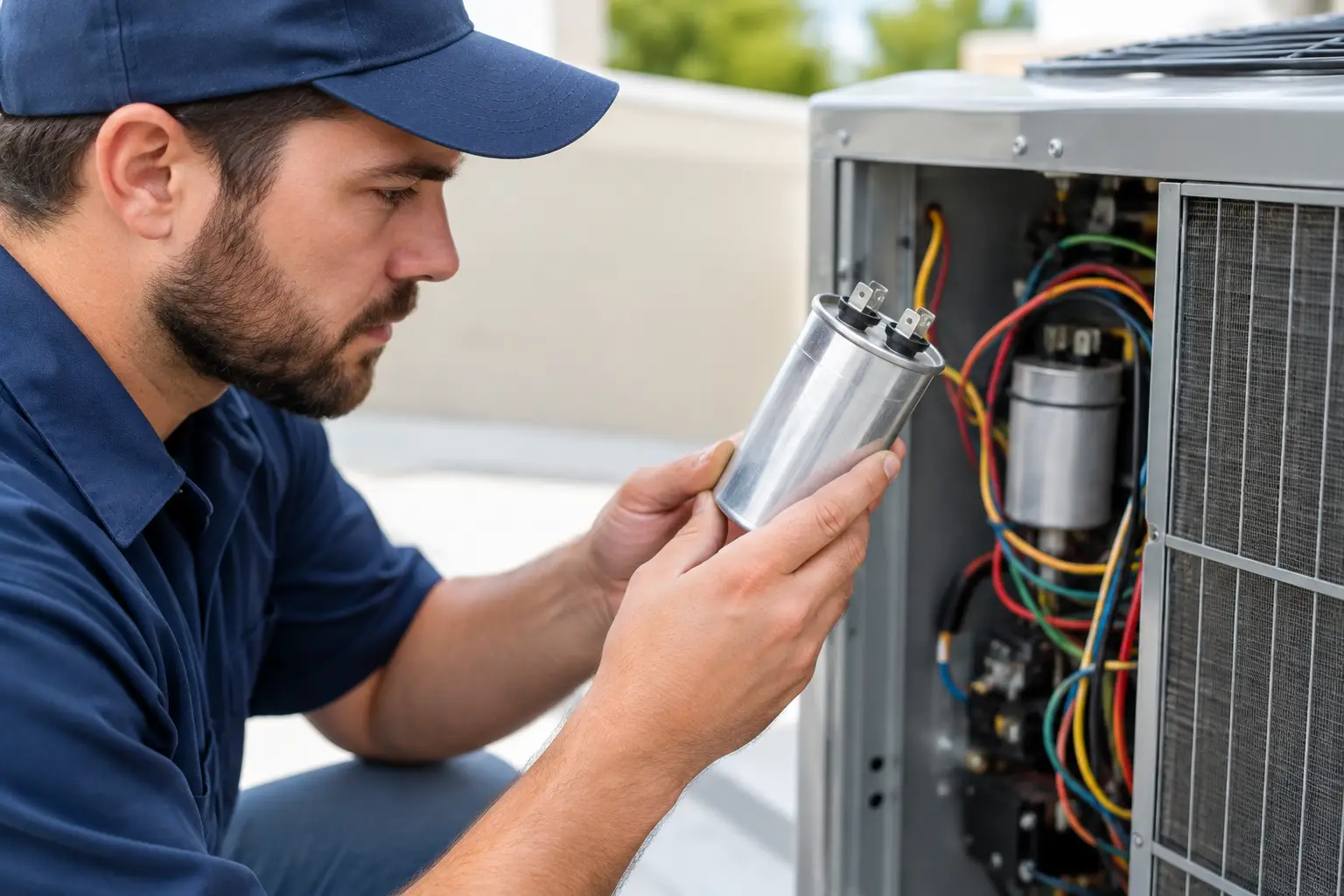
Maintenance matters here. A well-maintained heating and cooling system can do a much better job of supporting healthy indoor air than one that is dirty, neglected, or operating with worn parts. Routine service helps identify issues early, from excessive dust in the system to moisture concerns around the equipment.
Improve indoor air quality with HVAC upgrades
When basic maintenance is not enough, targeted HVAC upgrades can make a noticeable difference. This is often the right next step in older homes, larger commercial spaces, and properties with ongoing allergy, dust, or odor complaints.
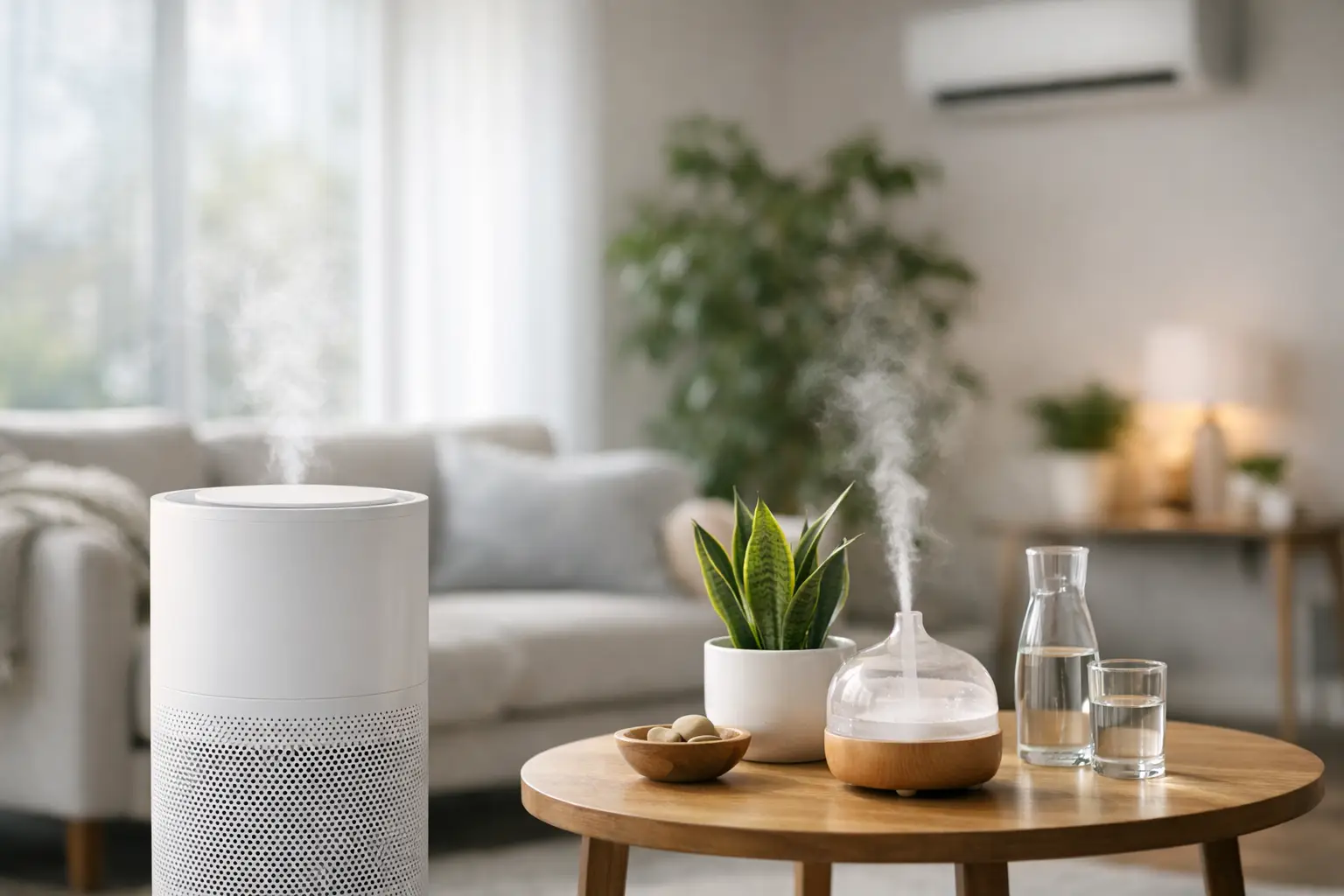
Whole-home air purification systems are one option. Unlike portable units that only treat the room they are placed in, whole-home systems work with the HVAC equipment to treat air as it moves through the duct system. Depending on the setup, they may help reduce fine particles, odors, and certain airborne contaminants. The benefit is broader coverage. The trade-off is that the system needs to be chosen carefully and installed correctly to perform as expected.
Upgraded filtration cabinets can also help, especially in homes where standard one-inch filters are not capturing enough debris. In some cases, adding a media filter provides better filtration without creating the airflow problems that can happen with the wrong high-MERV filter in a standard slot.
Humidity control equipment can be equally important. If a building feels muggy, smells musty, or has recurring moisture issues, a dehumidification solution may be worth considering. If the air feels overly dry in colder months, humidification may improve comfort. The right answer depends on the property and the symptoms. There is no one-size-fits-all fix.
Ductwork and cleaning can have a real impact
If air quality concerns continue even after changing filters and servicing the system, ductwork deserves attention. Over time, ducts can collect dust and debris, especially if filters have been neglected, renovation work has been done, or there are leaks pulling particles in from attics, crawl spaces, or wall cavities.
Duct cleaning can help in the right situation, but it should not be treated as a cure-all. If the main problem is poor filtration, moisture, or leaking ducts, cleaning alone will offer limited results. When combined with repairs, sealing, and proper maintenance, it becomes much more effective.
Leaky ducts are especially common in older properties. When conditioned air escapes before reaching the intended rooms, the system has to work harder. At the same time, unfiltered air from unwanted areas can enter the duct system and circulate through the building. Sealing and repairing ducts can improve comfort, efficiency, and air cleanliness at the same time.
Everyday habits that support cleaner air
Mechanical solutions matter, but daily habits still influence indoor air quality. Cooking without using an exhaust fan can leave particles and odors hanging in the air. Skipping bathroom ventilation allows moisture to linger. Overusing scented sprays and harsh cleaning chemicals can add irritants instead of removing them.
Small changes help. Vacuuming with a quality filter, reducing clutter that collects dust, washing bedding regularly, and keeping return vents clear all support better indoor air. If you have pets, filter changes may need to happen more often. If you manage a commercial property, regular housekeeping and scheduled HVAC service should work together, not separately.
It is also wise to pay attention to timing. During wildfire season, for example, bringing in outside air may do more harm than good unless the system is designed to filter it properly. During damp months, moisture control may need to take priority over ventilation. Good air quality decisions are often seasonal, especially in a region with changing conditions across the Bay Area.
When it is time to call a professional
Some warning signs point to a larger issue than routine housekeeping can solve. Persistent dust, uneven airflow, recurring odors, visible mold near vents, rising humidity, and worsening allergy symptoms may all indicate a system problem. If parts of the building feel stale no matter how much you clean, it is worth having the HVAC system inspected.
A professional evaluation can determine whether the issue is filtration, duct leakage, dirty components, poor ventilation, or equipment performance. That matters because the wrong fix costs time and money. Honest guidance should narrow the problem down, explain your options clearly, and recommend only what the property actually needs.
For many customers, the biggest relief is finally getting a clear answer. Instead of trying three different gadgets and hoping one helps, you get a practical plan built around the building, the HVAC system, and the concerns you are actually experiencing. That is the kind of approach Heating and Air Experts is built to provide.
Cleaner indoor air is not about chasing perfection. It is about creating a space that feels healthier, more comfortable, and easier to live or work in every day. When your system is maintained properly and the air moving through it is being managed the right way, you can feel the difference room by room.