Learn how heating services in Danville, CA can help with furnace repairs, heat pump issues, maintenance, system replacement, and dependable indoor comfort.
A reliable heating system helps keep indoor spaces comfortable when temperatures drop, but even well-maintained equipment can develop problems as components wear or operating demands change. Heating and Air Experts LLC provides residential and commercial HVAC services throughout the Bay Area, including heating system repair, installation, maintenance, diagnostics, and replacement. A heater that stops working completely is an obvious concern, but smaller changes can also signal a developing problem. Uneven temperatures, frequent cycling, unusual sounds, weak airflow, or a system that takes longer than expected to warm the property may deserve professional evaluation. Property owners in Danville, Fremont, and surrounding communities should also consider equipment condition, thermostat operation, airflow, filters, ductwork, and current heating demands before assuming one component is responsible. This guide explains common heating problems, repair decisions, furnace and heat pump considerations, maintenance, replacement planning, and practical steps for keeping a heating system operating reliably.
Understanding Professional Heating Services
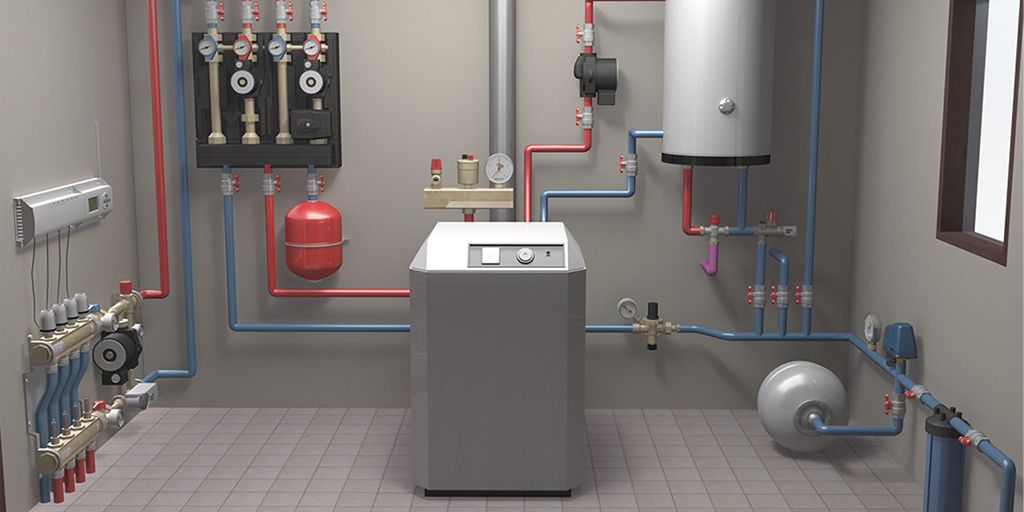
Heating systems contain several components that must work together to produce and distribute warm air correctly.
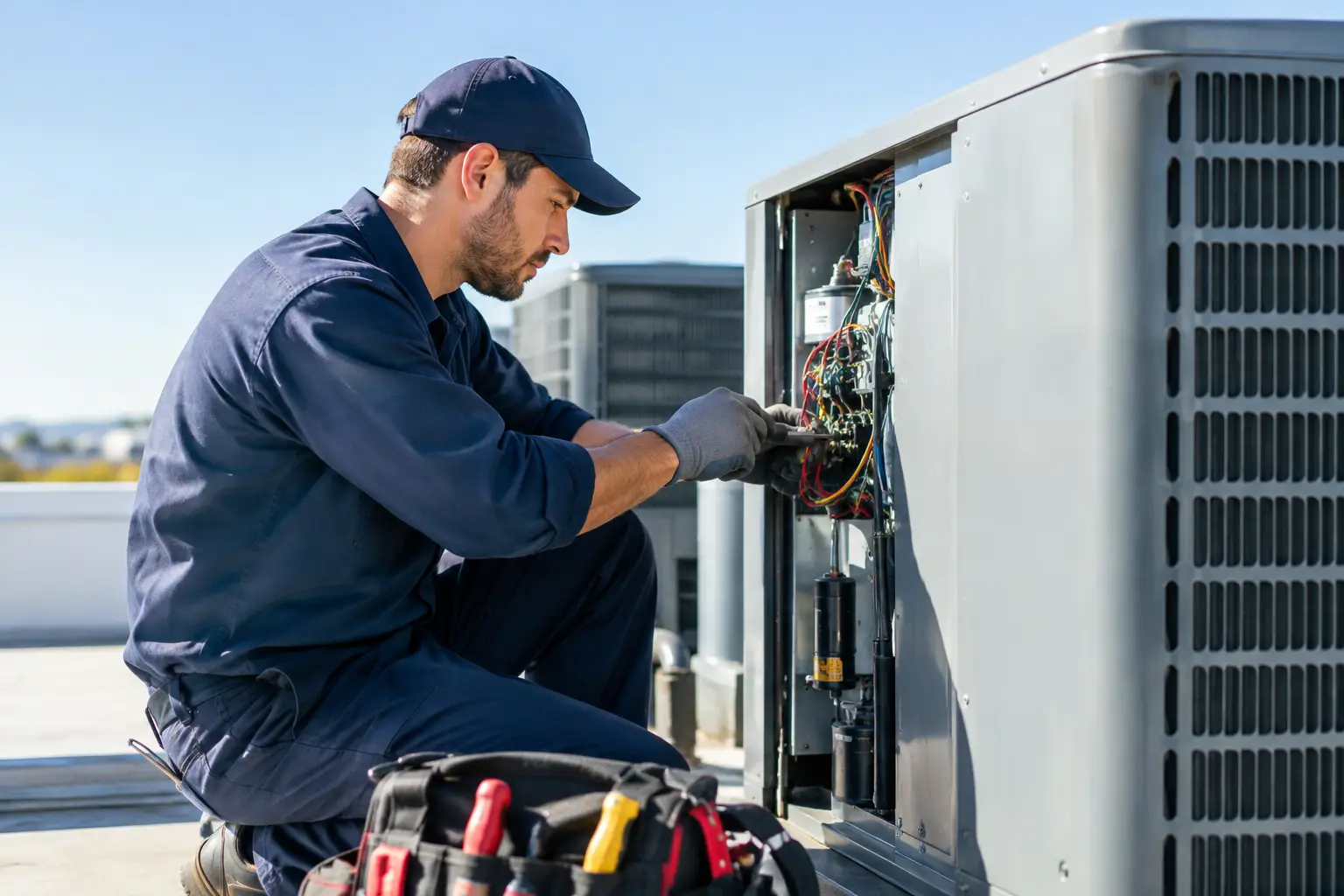
Professional heating services can include furnace repair, heating system installation, heat pump service, diagnostics, seasonal maintenance, system upgrades, and complete replacement when existing equipment is no longer practical to repair.
The correct service depends on the symptoms and condition of the equipment. A thermostat problem can sometimes create symptoms that resemble a mechanical heating failure, while poor airflow may be connected to filters, ducts, blowers, or other components.
This is why professional diagnosis should generally come before replacing major equipment.
A heating contractor can review the system, identify the affected components, and explain whether repair, maintenance, adjustment, or replacement is the more appropriate next step.
Common Signs a Heating System Needs Attention
Heating problems do not always begin with a complete system shutdown.
One common symptom is uneven heating between rooms. Several conditions can contribute to this, including airflow restrictions, duct issues, thermostat placement, equipment performance, or differences in the building itself.
Frequent cycling is another warning sign. A heater that starts and stops repeatedly may need inspection to determine whether the problem involves controls, airflow, equipment sizing, or another condition.
Unusual sounds can also provide useful information. Heating systems naturally make some operational noise, but new banging, rattling, grinding, or repeated clicking should not simply be ignored.
Weak airflow from vents may indicate a filter problem, blower concern, duct restriction, or another HVAC issue. A technician can evaluate whether the heating equipment is producing heat correctly and whether that heat is being distributed throughout the property.
Furnace Repair and Troubleshooting
Furnaces are widely used for residential and commercial heating, and several components can affect how they operate.
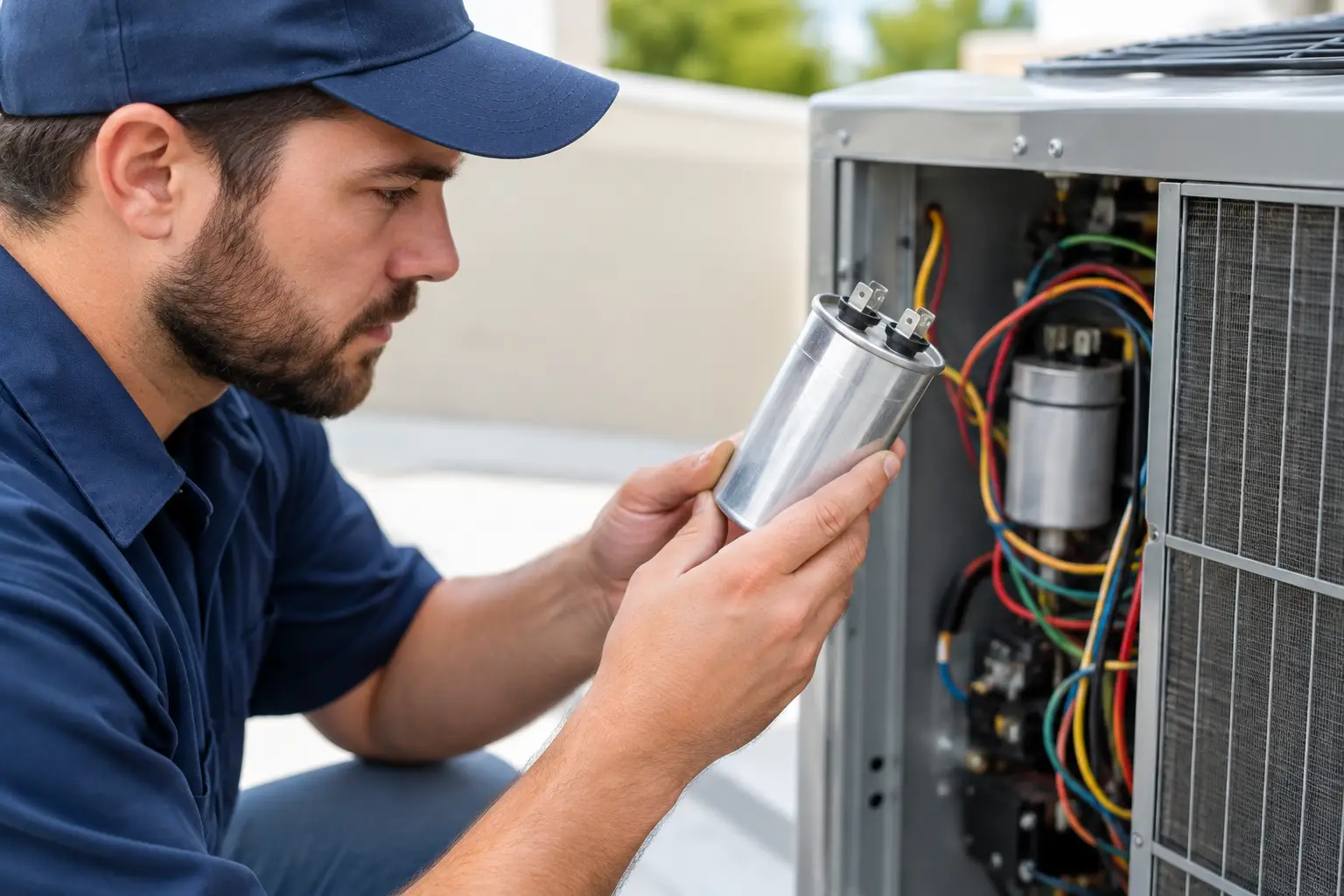
A furnace that does not start may have an issue involving the thermostat, electrical supply, ignition components, controls, safety devices, or another part of the system.
A unit that operates but produces insufficient heat presents a different diagnostic situation. Airflow, filters, burners, ductwork, thermostat settings, and equipment condition may all deserve attention.
Repeatedly restarting a furnace without identifying why it stopped can leave the original problem unresolved.
Property owners should describe the symptoms clearly when scheduling service. Information about when the problem began, whether it happens constantly or occasionally, and whether other HVAC work was recently completed can help during diagnosis.
Repairs should be based on the specific condition found rather than replacing several parts without confirming the source.
Heating Services in Danville, CA
The company’s Danville location page specifically supports furnace repairs, full heating system installations, seasonal maintenance, heat pump work, and energy-efficient replacement options.
Property owners considering heating services in Danville, CA may need anything from troubleshooting a heater that will not turn on to replacing an older system that no longer performs reliably.
A system that suddenly stops operating may have a localized problem that can be repaired. In contrast, equipment that requires repeated service in different areas may deserve a broader evaluation.
Maintenance can also help identify conditions before they become more disruptive. Filters, system controls, airflow, visible equipment condition, and normal operation can all be reviewed during routine service.
Property owners should also mention any remodeling, additions, or changes in how the building is used. A heating system designed around an older layout may operate differently after the property changes.
The goal should be to understand whether the equipment still matches current heating needs rather than focusing only on the age of the unit.
Heating System Repair in Fremont, CA
Heating and Air Experts also provides furnace and heat pump repairs, maintenance, replacement, and heating system installation on its Fremont location page.
Homeowners and businesses looking for heating system repair in Fremont, CA should pay attention to patterns in system behavior rather than waiting for complete failure.
If the heater struggles only during certain times, note what else is happening when the problem appears. Several rooms being affected may point toward a different issue than one room remaining colder than the others.
Thermostat settings should also be checked before service. Make sure the system is set to the intended heating mode and that temperature settings have not been changed accidentally.
When the system is running but comfort remains inconsistent, airflow should be considered along with the heating equipment. Blocked vents, dirty filters, duct issues, or blower problems can interfere with how warm air reaches occupied spaces.
Accurate troubleshooting can help separate equipment problems from distribution problems.
Furnace and Heat Pump Differences
Heating systems do not all operate the same way.
A furnace typically produces heat and distributes it through ductwork. Heat pumps transfer heat and can often provide both heating and cooling depending on the system configuration.
Because these systems operate differently, troubleshooting also differs. A problem that affects a heat pump may involve controls or components that are not present in the same way on a traditional furnace.
The thermostat must also be configured correctly for the equipment installed.
Property owners replacing an existing system should discuss the type of heating equipment that fits the property, current HVAC setup, available utilities, building size, and comfort expectations.
A contractor should explain why a particular system is being recommended rather than assuming the same type of equipment is ideal for every building.
When Heating Repair May Be Enough
Not every heating problem requires a complete system replacement.
A faulty control, worn component, thermostat issue, airflow restriction, or another localized problem may often be repaired when the rest of the system remains in suitable condition.
The repair decision should consider the specific failed component, overall equipment condition, previous service history, and whether additional major problems are present.
A single repair on otherwise dependable equipment is different from repeated breakdowns affecting several components.
Property owners should ask which part has failed and whether the surrounding system appears serviceable.
Understanding the actual repair helps make the decision clearer and avoids replacing an entire heating system when a practical localized solution remains available.
When Heating System Replacement May Be Considered
Replacement may become more reasonable when an existing system develops widespread problems, requires repeated significant repairs, or no longer meets the property’s heating needs.
Equipment changes may also be considered during a major renovation or property addition.
Adding rooms or significantly changing the layout can affect heating requirements. The existing system should be evaluated before assuming it will support the remodeled space without modification.
Replacement planning should include more than selecting an equipment model.
The contractor should consider heating demands, airflow, ductwork where applicable, thermostat compatibility, electrical or fuel requirements, equipment location, and installation access.
Correct planning helps ensure that the new equipment works as part of the existing HVAC system rather than being treated as an isolated appliance.
Why Heating Maintenance Matters
Routine maintenance can help identify visible or operational issues before a system experiences a major interruption.
A heating service visit may include checking system operation, filters, controls, airflow, and accessible equipment components based on the type of system installed.
Filters deserve regular attention because restricted airflow can affect HVAC performance.
Property owners should follow appropriate filter replacement or cleaning schedules based on equipment requirements and actual conditions in the building.
Maintenance is also a good time to report small changes that may not seem urgent. New noises, longer heating cycles, inconsistent temperatures, or changes in airflow can provide useful information.
Keeping basic service records can also help identify whether the same problem returns over time.
Improving Heating System Performance
Property owners can support normal heating operation through several simple habits.
Keep supply and return vents reasonably clear so furniture or stored items do not unnecessarily restrict airflow.
Use thermostat schedules that match actual occupancy instead of making frequent large adjustments throughout the day.
Check filters regularly and use the filter type recommended for the HVAC equipment.
Pay attention to changes in operating sound, heating time, airflow, and indoor temperature consistency.
If a problem develops after new equipment or renovations are added, tell the HVAC contractor about those changes.
Heating performance depends on the relationship between the equipment, controls, airflow, and the building itself. Looking at the complete system often provides more useful information than focusing only on the furnace or heat pump.
Choosing a Heating Contractor
A useful heating service should begin with understanding the reported problem and inspecting the relevant system components.
Ask what was found during diagnosis and which component or condition is responsible for the symptoms.
If replacement is recommended, ask why repair is not considered practical. The explanation should relate to equipment condition, repair requirements, or heating needs rather than relying only on the age of the system.
Property owners should also ask what is included in an installation or replacement project.
Equipment, thermostat setup, connections, testing, and any necessary changes to related HVAC components should be clearly explained.
For maintenance, understand what parts of the system will be checked and whether any issues found during service require immediate repair or simply continued observation.
Clear information makes it easier to make decisions based on the actual condition of the heating system.
Conclusion
Professional heating services can address furnace problems, heat pump issues, maintenance needs, system installation, and equipment replacement when a property is no longer heating as expected.
For homeowners and businesses in Danville and Fremont, warning signs such as frequent cycling, weak airflow, unusual sounds, inconsistent temperatures, or equipment that will not start should be evaluated according to their actual cause.
Some heating problems can be corrected through targeted repairs, while repeated breakdowns or major system limitations may justify discussing replacement.
Routine maintenance, proper airflow, suitable thermostat settings, and attention to changing system behavior can also help property owners identify concerns earlier.
By starting with accurate diagnosis and selecting repair or replacement according to the condition of the complete HVAC system, property owners can make more informed decisions about maintaining dependable indoor heating.
Frequently Asked Questions
Why is my heating system running but not warming the house?
Possible causes include airflow restrictions, thermostat problems, equipment issues, duct concerns, or another heating system condition. Professional diagnosis can identify the source.
Why does my furnace keep turning on and off?
Frequent cycling may involve thermostat settings, airflow problems, equipment controls, system sizing, or another operating issue that needs evaluation.
Can a heating system be repaired instead of replaced?
Yes. Many localized component or control problems can be repaired when the rest of the heating system remains in suitable condition.
When should heating system replacement be considered?
Replacement may deserve consideration when significant problems repeatedly occur, major components are failing, or the existing system no longer meets the property’s heating requirements.
Do heat pumps and furnaces require the same repairs?
Not always. Furnaces and heat pumps operate differently and contain different components, so troubleshooting and repair requirements can vary.
How can I help keep my heating system working properly?
Check filters regularly, keep vents clear, use reasonable thermostat settings, schedule appropriate maintenance, and have recurring noises, airflow problems, or heating changes evaluated.