Your air conditioner almost never breaks down in spring. It waits. It waits until the first 95-degree afternoon in Fremont when the whole family is home, and then it quits. That timing isn’t bad luck — it’s physics, and it’s exactly what regular cooling system maintenance services in Fremont, CA are designed to prevent. At Heating and Air Experts, we’ve watched this same scene play out for years, and the homeowners who avoid it almost always have one thing in common: they treat their AC like a car that needs servicing, not an appliance they can ignore until it dies.
This guide walks through what cooling system maintenance actually involves, why it matters so much in our specific climate, and how to tell whether your system is quietly heading for trouble. No fear-mongering, no upsell scripts just the stuff a good technician would tell you if you asked them honestly.
Why Cooling System Maintenance Matters More Than People Assume
Most folks think of their air conditioner the way they think of a lightbulb. It works, or it doesn’t. But an AC is closer to a small engine, with moving parts, pressurized refrigerant, and electrical components that all drift slightly out of spec over time. Maintenance isn’t about fixing what’s broken. It’s about catching the slow drift before it becomes a failure.
Our Fremont Climate Is Harder on AC Units Than You’d Think
Fremont sits in a strange microclimate. We get those breezy, mild stretches that fool people into thinking the air conditioner barely works hard here. Then the inland heat rolls in, the marine layer disappears, and suddenly your system is running for eight or nine hours straight against dry, dusty air.
That dust matters more than most homeowners realize. Pollen and fine particulate settle on the outdoor condenser coils and the indoor evaporator coil, and a layer of grime acts like a blanket — it traps heat right where your system is trying to release it. A coil that should be shedding heat efficiently ends up forcing the compressor to work harder for the same cooling. Over a long Bay Area summer, that adds up fast.
The Real Cost of Skipping It
Here’s the part that surprises people. The U.S. Department of Energy has long noted that a dirty, neglected system can lose a meaningful chunk of its efficiency, and field data from HVAC contractors consistently shows neglected units drawing more power for less cooling. You feel that on your PG&E bill before you ever feel it as a breakdown.
Then there’s the warranty angle. Nearly every major manufacturer — Carrier, Trane, Lennox, you name it — writes annual professional maintenance into the fine print of their warranty. Skip it, and a compressor failure that should have been covered can become a bill you eat entirely. I’ve sat with homeowners staring at a denied warranty claim, and it’s a brutal conversation that a $150 tune-up would have prevented.
So the math is rarely close. Maintenance protects efficiency, protects the warranty, and stretches the lifespan of a system that costs thousands to replace.
What Professional Cooling System Maintenance Actually Includes
When people hear “tune-up,” they often picture a technician glancing at the unit and writing a receipt. A real maintenance visit is far more thorough than that, and understanding the steps helps you tell a quality service from a quick cash grab.
The Inspection and Diagnostic Side of the Visit
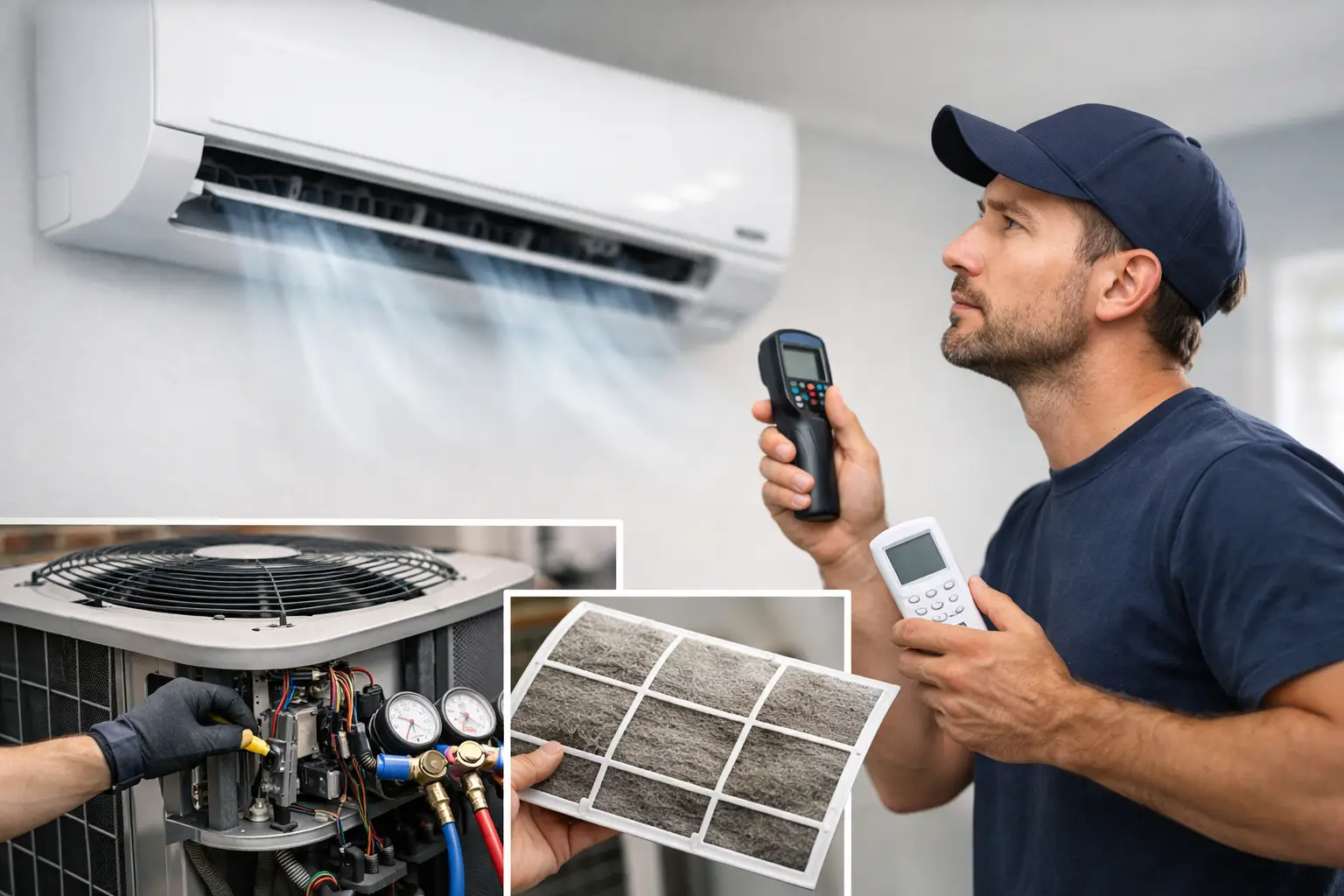
The first half of a proper visit is detective work. A technician Cooling System Maintenance Services in Fremont, CA checks refrigerant levels, because a system that’s even slightly low is often hiding a small leak — and low refrigerant quietly destroys compressors over time. They measure the temperature differential between the air going into the system and the air coming out, which tells them whether the unit is cooling to its design capacity.
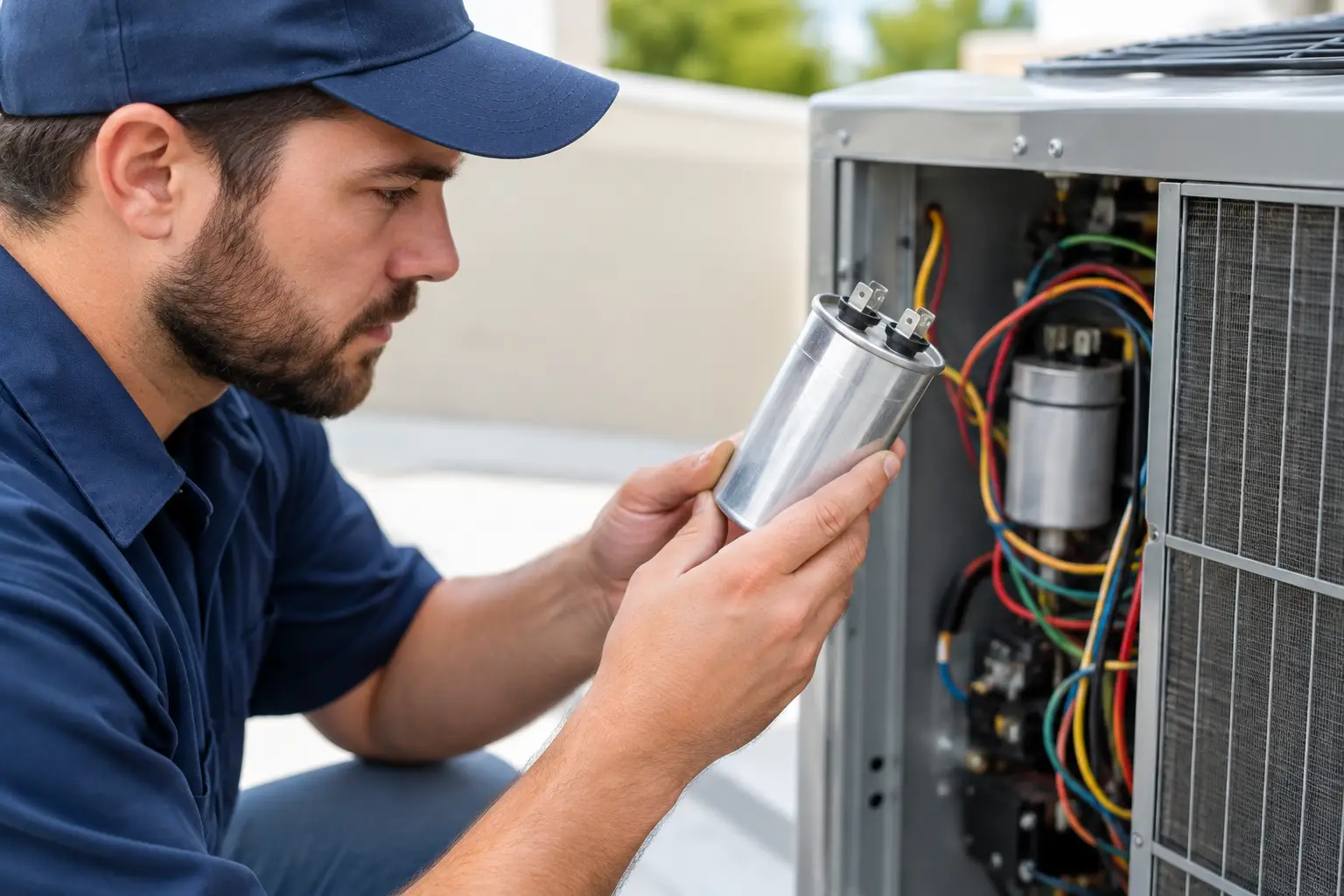
Electrical components get tested too. Capacitors weaken with age and Bay Area heat, and a failing capacitor is one of the single most common causes of a no-cool call in summer. Catching a bulging or weak capacitor in spring is the difference between a planned five-minute swap and an emergency visit during a heat wave.
They’ll also inspect the thermostat calibration, the condensate drain line, and the overall airflow. A clogged drain line is a sneaky one — it can back up and trigger a safety shutoff, or worse, leak water into a ceiling. We see it constantly, and it’s almost entirely preventable.
Cleaning, Calibration, and the Hands-On Work
The second half is the physical care. This is where the condenser coils get cleaned, the evaporator coil gets attention, and airflow gets restored to where the engineers intended it.
A Typical Maintenance Visit, Step by Step
To make this concrete, here’s roughly how a thorough visit unfolds from start to finish:
First, the technician powers down the system safely and inspects the outdoor unit for debris, bent fins, and coil buildup. Next comes a careful coil cleaning, because clean coils are the single biggest lever for efficiency. After that, they check and tighten electrical connections, since loose terminals generate heat and fail unexpectedly. Then they test refrigerant pressure against the manufacturer’s spec, inspect and clear the condensate drain, replace or recommend a fresh air filter, and finally run the system through a full cycle to confirm everything performs as it should before they leave.
That filter step deserves a flag. A clean filter is the cheapest, highest-impact thing in the whole process, and a system choking on a dirty filter struggles to move air no matter how healthy the rest of it is.
How Often Should You Schedule AC Maintenance in Fremont?
The industry standard, echoed by groups like ASHRAE and virtually every equipment manufacturer, is once a year for a central air conditioner. If you run a heat pump that both heats and cools your home, the recommendation bumps up to twice a year, because that system works hard in both seasons rather than getting a winter rest.
Getting the Timing Right for Our Season
Timing matters more than the calendar count. The smartest move in Fremont is to book your cooling maintenance in early spring — March or April — before the demand surge hits and before the first real heat wave stresses a system that hasn’t run in months.
There’s a practical reason beyond avoiding the rush. A spring visit gives you a buffer. If the technician finds a weak part, you have time to address it on your schedule rather than scrambling for an emergency appointment in July, when every HVAC company in Alameda County is slammed and same-day service is a fantasy. Think of it like getting your snow tires before the storm rather than during it.
Warning Signs Your Cooling System Needs Attention Now
Sometimes you don’t have the luxury of waiting for spring, because the system is already telling you something’s wrong. Learning to read those signals early saves money and stress.
What Your System Is Trying to Tell You
Weak or warm airflow is the most obvious red flag — if the air coming out of your vents isn’t crisp, something in the chain from refrigerant to airflow has slipped. Strange sounds are the next big one. A healthy AC hums; grinding, buzzing, or rattling usually points to a failing motor, a loose component, or a struggling compressor.
Pay attention to your energy bills, too. A summer bill that jumps noticeably without a change in how you use the system is one of the clearest signs of declining efficiency, and it almost always traces back to a maintenance issue like dirty coils or low refrigerant.
Then there are the subtler clues: short cycling, where the unit turns on and off in rapid bursts; uneven cooling between rooms; a musty smell when the system kicks on; or moisture pooling near the indoor unit. Any one of these is worth a phone call. Together, they’re a system practically begging for service.
DIY Upkeep Versus Professional Service
You can and should handle some maintenance yourself between professional visits. But there’s a clear line, and crossing it does more harm than good.
Where Homeowners Genuinely Help
The single most valuable thing you can do is change your air filter regularly — every one to three months depending on the filter type, your home, and whether you have pets. Keep the area around your outdoor condenser clear of leaves, grass clippings, and shrubbery, giving it at least a couple feet of breathing room on all sides. Rinsing visible debris off the outdoor unit with a gentle hose stream is fine too.
These small habits genuinely extend the time between problems. They’re the equivalent of checking your tire pressure and topping off your oil.
Where You Should Step Back and Call a Pro
Anything involving refrigerant, electrical components, or the sealed system itself belongs to a licensed technician — full stop. Refrigerant is regulated by the EPA and legally requires certification to handle. Electrical work on a 240-volt system carries real danger. And diagnosing a compressor or capacitor problem takes meters, gauges, and training that a YouTube video won’t substitute for.
The honest framing is this: you handle the housekeeping, and a professional handles anything under the hood. Trying to DIY the technical side usually voids your warranty and risks turning a small problem into an expensive one.
How to Choose a Cooling System Maintenance Provider in Fremont
Not every company that answers the phone deserves access to your equipment. A few signals separate the dependable from the disappointing.
What Actually Signals a Trustworthy Company
Start with licensing. In California, HVAC contractors should hold a valid C-20 license, and any reputable company will share their number without hesitation. Insurance matters just as much — you never want an uninsured worker on your property.
Look for transparency in how they quote. A good provider explains what a maintenance visit includes and gives you a clear price before they arrive, rather than inventing problems on-site. Read recent local reviews, and weigh how a company responds to criticism as heavily as the praise. Finally, value technicians who teach rather than pressure. The best ones explain what they found, show you the worn part, and let you make the call — which is exactly the standard we hold ourselves to at Heating and Air Experts.
A maintenance agreement or membership plan can also be worth it if you’d otherwise forget to schedule. The good ones bundle annual service, priority scheduling during peak season, and a discount on any repairs — turning maintenance from a chore you procrastinate into something that just happens.
Conclusion
Cooling system maintenance isn’t glamorous, and it never feels urgent until the day it suddenly does. But the homeowners who stay comfortable through a Fremont heat wave — and who aren’t replacing a compressor every few years — are almost always the ones who booked a simple tune-up each spring and changed their filters without being reminded.
So here’s the actionable takeaway: put a reminder on your calendar for March, change your filter this week if you can’t remember the last time you did, keep the outdoor unit clear, and build a relationship with a licensed local technician AC repair services before you actually need one in an emergency. That small bit of upfront effort buys you years of quiet, efficient, reliable cooling. Your future self, sitting in a cool living room while the neighborhood bakes, will thank you.
Frequently Asked Questions
How much does cooling system maintenance cost in Fremont, CA?
A standard annual AC tune-up typically falls in the range of roughly $100 to $200 for a single system, though pricing varies by company and the condition of your unit. Many providers offer maintenance plans that reduce the per-visit cost and add perks like priority scheduling.
How long does a typical AC maintenance visit take?
Most thorough visits run between 45 minutes and an hour and a half for a single system. If a technician is in and out in ten minutes, that’s a sign the inspection wasn’t complete.
Will maintenance really lower my energy bills?
Yes, in most cases. Clean coils, correct refrigerant levels, and unrestricted airflow let your system reach its rated efficiency, which directly reduces how much power it draws to cool your home.
Can I just do the maintenance myself?
You can handle filter changes and keep the outdoor unit clear, and you should. But refrigerant, electrical, and sealed-system work legally and safely require a licensed technician.
How do I know if my AC needs maintenance or a full repair?
Maintenance is preventive and scheduled; repair addresses an active failure like no cooling or strange noises. If your system is performing but you haven’t serviced it in over a year, you need maintenance. If it’s malfunctioning, you likely need a repair diagnosis.