Summer in Fremont used to be forgiving. These days, the afternoon heat that rolls in off the East Bay hills can turn a comfortable living room into a sweatbox by 3 p.m. That shift is exactly why so many homeowners now treat air conditioning installation services in Fremont, CA as a need rather than a luxury and why getting the job done right the first time matters more than ever. At Heating and Air Experts, we’ve watched this change happen house by house, and we’ve also seen the headaches that come from a rushed, undersized, or poorly permitted install.
This guide walks you through what a quality AC installation actually involves, how to choose the right contractor, what efficiency ratings really mean, and where your money goes. No fluff. Just the things a Fremont homeowner should understand before signing anything.
Why Air Conditioning Installation in Fremont Deserves Real Attention
People assume the Bay Area’s mild reputation means cooling is simple. It isn’t. Fremont sits in a microclimate patchwork neighborhoods near Niles Canyon and the hills bake far hotter than spots closer to the bay, and inland heat waves now regularly push thermometers into the 90s and beyond.
That variation changes everything about how a system should be sized and installed. A unit that performs beautifully in Centerville might struggle two miles away near Mission San Jose. Climate isn’t a footnote here. It’s the starting point.
How Fremont’s Climate Shapes Your Cooling Needs
Because evenings often cool down, many homes don’t run their AC around the clock. That makes efficiency and quiet operation more valuable than raw power. An oversized system that blasts cold air and shuts off in five minutes will leave your home clammy and your energy bill bloated.
We tell clients to think of it like a car. You don’t buy a truck engine to drive to the grocery store. You match the machine to the actual job. In cooling terms, that job is defined by your home’s square footage, insulation, window exposure, and ceiling height not a salesperson’s guess.
The Real Cost of a Rushed Installation
Here’s the uncomfortable truth from the field: a large share of comfort complaints we get aren’t equipment failures at all. They’re installation failures. Leaky duct connections, a wrong-sized condenser, a refrigerant charge that’s off by a few ounces.
The equipment can be top-tier and still underperform if the Air Conditioning Installation Services in Fremont, CA is sloppy. Industry research from groups like ENERGY STAR has long pointed out that poor installation can strip away a big chunk of a system’s rated efficiency. So the brand name on the box matters far less than the hands doing the work.
What Actually Happens During a Professional AC Installation
A proper installation is a sequence, not an event. When done well, it follows a clear order and skipping any step shows up later as discomfort, noise, or repair bills.
Load Calculation and Right-Sizing the System
Every credible installation starts with a Manual J load calculation, the industry-standard method developed by the Air Conditioning Contractors of America (ACCA). This calculation measures how much heat your specific home gains, room by room, and tells us exactly how much cooling capacity you need.
Tonnage rules of thumb — like “one ton per 500 square feet” — are starting points at best. They ignore your insulation, your west-facing glass, and the shade tree out front. A real load calc replaces guesswork with math.
Once we know the load, ACCA’s Manual S guides equipment selection, and Manual D shapes the duct design if ductwork is involved. Those three frameworks together are how the trade separates professionals from people who simply swap boxes.
Choosing the Right System for Your Home
Not every Fremont home wants the same solution. A 1970s ranch with existing ductwork is a different animal than a charming older bungalow that never had central air. Your options generally fall into three camps, and each fits a different situation.
Central Air vs. Ductless Mini-Splits vs. Heat Pumps
| System Type | Best For | What to Know |
| Central air conditioning | Homes with existing, healthy ducts | Even, whole-home cooling; relies on good duct sealing |
| Ductless mini-split | Older homes, additions, room-by-room control | No ducts needed; great for retrofits and zoned comfort |
| Heat pump | Homeowners wanting cooling and efficient heating | Increasingly popular in California; aligns with state electrification goals |
Heat pumps deserve a special mention. California has been pushing hard toward electrification, and a modern heat pump cools in summer and heats in winter from a single system. For many Fremont homes replacing aging gas furnaces, it’s becoming the smart long-term play.
How to Choose the Right AC Installation Company in Fremont
This is where homeowners get burned most often. The cooling market is crowded, and the gap between a careful contractor and a corner-cutter is wide. A little homework protects you.
Licensing, Permits, and Why They Matter Here
In California, HVAC contractors must hold a C-20 license from the Contractors State License Board. That’s non-negotiable. Anyone installing a system without one is a red flag waving in your face.
Permits matter just as much. Fremont requires a permit for AC installation and replacement, and the work must meet California’s Title 24 energy code. Some installers skip permits to move faster or undercut on price. Don’t let them. An unpermitted install can complicate your home sale, void warranties, and leave safety issues uninspected.
Technicians handling refrigerants also need EPA Section 608 certification, since refrigerant is a regulated substance. NATE certification is another strong signal — it means the technician has been independently tested on real-world competence.
Questions Worth Asking Before You Sign
A trustworthy contractor welcomes scrutiny. Before committing, ask whether they’ll perform a Manual J load calculation, pull the city permit, and provide a written, itemized estimate. Ask what brands they install and why. Ask who actually shows up — subcontractors or their own trained crew.
Watch how they answer. Vague replies and high-pressure “today only” discounts usually mean trouble. A real professional explains their reasoning. They’re teaching, not just selling.
Understanding Efficiency Ratings and the New Refrigerant Rules
This is the part most homeowners find confusing, so let’s make it plain. Two big things drive the decision today: efficiency ratings and a major shift in refrigerants.
Making Sense of SEER2 Ratings
SEER2 stands for Seasonal Energy Efficiency Ratio, version 2 — the updated testing standard the U.S. Department of Energy adopted in 2023 to better reflect real-world performance. The higher the number, the less electricity the system uses to deliver the same cooling.
Think of SEER2 like miles per gallon for your air conditioner. A higher rating costs more upfront but sips energy over time. In a climate like Fremont’s, where you run the system seasonally rather than constantly, the sweet spot for many homes lands in the mid-to-upper SEER2 range efficient enough to lower bills without overpaying for capacity you’ll rarely use.
The R-410A Phase-Down and What It Means for You
Here’s something many shoppers don’t know yet. Under the federal AIM Act, the industry is phasing down R-410A refrigerant in favor of low-global-warming-potential alternatives like R-454B and R-32. New systems sold in 2025 and beyond are transitioning to these next-generation refrigerants.
Why should you care? Because buying the very last of an outgoing refrigerant platform can affect long-term parts and service availability. A knowledgeable installer will walk you through current options instead of clearing old inventory off the truck. This is exactly the kind of detail that separates an advisor from a salesperson.
What AC Installation Costs in Fremont
Cost is the question everyone wants answered first, and honestly, it’s the hardest to pin down without seeing your home. A simple swap on a small home and a full system with new ductwork on a large one live in entirely different price worlds.
Rather than throw out a misleading single number, it’s more useful to understand what actually moves the price.
Factors That Move the Needle
Several variables shape your final quote. System size and efficiency rating sit near the top — a higher-tonnage, high-SEER2 unit naturally costs more. Then there’s the condition of your existing ductwork, since leaky or undersized ducts may need sealing or replacement to perform.
Accessibility matters too. A condenser that has to be craned over a roofline takes more labor than one set on an easy side yard. Electrical upgrades, permit fees, and whether you’re choosing a straight AC or a dual-purpose heat pump all factor in.
A Realistic Step-by-Step of the Process
To set expectations, here’s how a well-run installation typically unfolds:
- In-home assessment — measuring, inspecting ducts, and running the load calculation.
- System recommendation — matching equipment to your home with a written, itemized quote.
- Permitting — pulling the Fremont permit before work begins.
- Installation day — removing old equipment, setting the new condenser and air handler, and connecting refrigerant lines and electrical.
- Commissioning — verifying refrigerant charge, airflow, and operation, then walking you through the thermostat.
- Inspection — the city signs off, confirming the work meets code.
A crew that rushes through commissioning is the one to worry about. That final calibration is where comfort is won or lost.
Getting Your Home Ready and Making the Investment Last
A new system is one of the larger home investments you’ll make, so a little preparation and upkeep go a long way. The difference between a system that lasts 12 years and one that lasts 18 often comes down to care.
Before the Crew Arrives
Clear a path to the indoor and outdoor unit locations. Move stored items away from the furnace or air handler, and make sure the crew can reach the electrical panel. Pets are happier secured in a quiet room away from open doors.
It also helps to think through where you spend your time at home. If one room runs hot, mention it during the assessment. That’s the moment to solve comfort imbalances, not after the equipment is bolted down.
Maintenance That Protects Your Investment
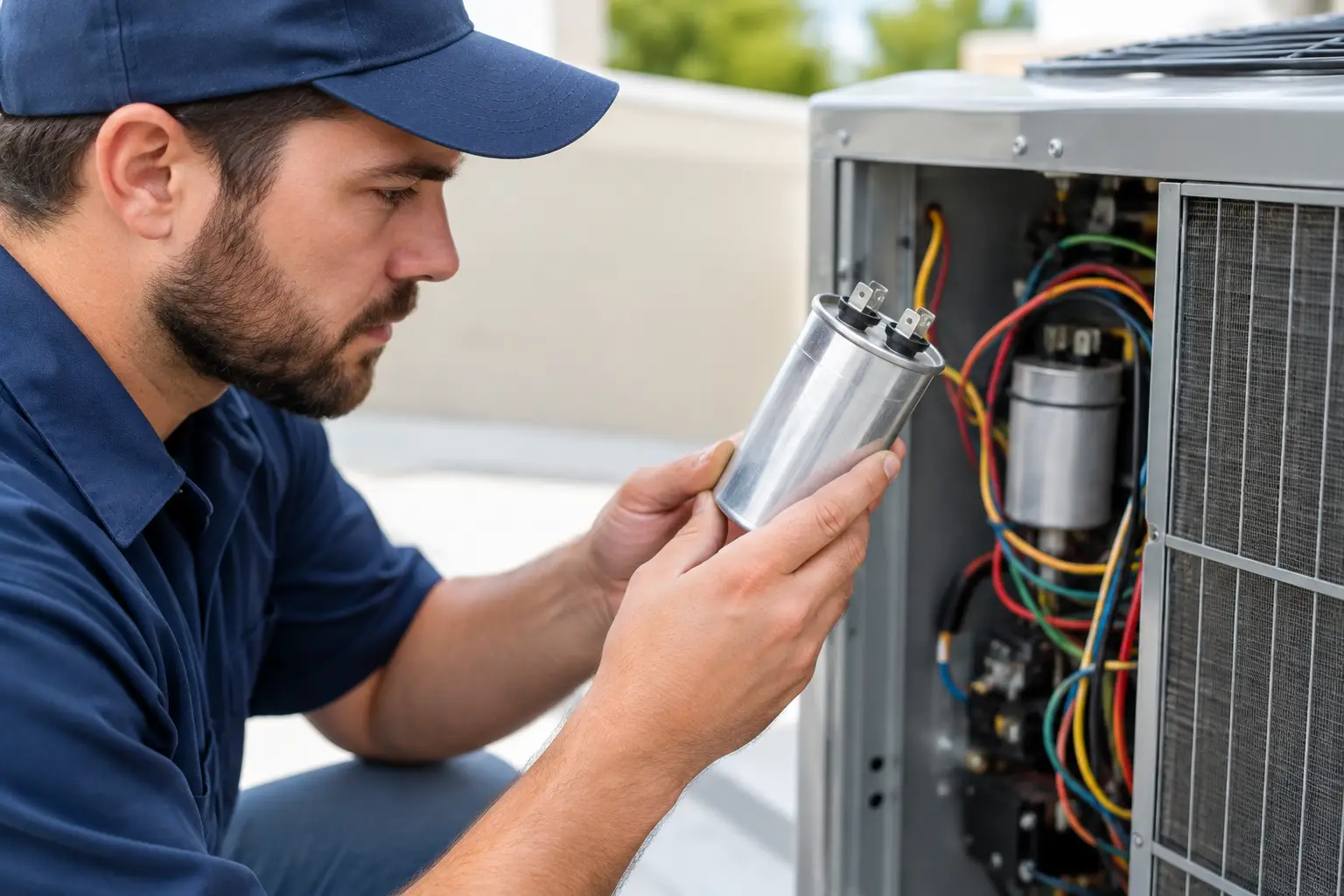
Once installed, a system rewards consistency. Change or clean filters on schedule, keep the outdoor condenser clear of leaves and debris, and book an annual tune-up before cooling season hits. A professional check catches a low refrigerant charge or a tired capacitor before it becomes a July breakdown.
We’ve serviced systems that look brand new at a decade old simply because the owner stayed on top of basic care. We’ve also condemned five-year-old units that never had a filter changed. The math is not subtle.
Conclusion
A great air conditioning installation services isn’t about the flashiest brand or the cheapest bid. It’s about a properly sized system, installed to code, by a licensed crew that takes the load calculation, the refrigerant charge, and the final commissioning seriously.
Fremont’s climate is changing, and comfortable summers now depend on getting these details right. Do the homework, ask the pointed questions, and insist on permits and proper sizing. When you partner with a team that treats your home like its own — the way we aim to at Heating and Air Experts — you end up with quiet, efficient cooling that holds up for years, not a callback list. If you’re weighing a new install or a replacement this season, start with a real in-home assessment. Everything good follows from that first honest measurement.
Frequently Asked Questions
How long does an air conditioning installation take in Fremont?
A straightforward replacement usually takes one day. Jobs that involve new ductwork, electrical upgrades, or a switch to a heat pump can run two to three days.
Do I really need a permit to install central air in Fremont?
Yes. The City of Fremont requires a permit for AC installation and replacement, and the work must meet California’s Title 24 energy standards. Skipping it can create problems during a home sale and void warranties.
What size air conditioner does my home need?
Only a Manual J load calculation can answer that accurately. It accounts for square footage, insulation, windows, and orientation — far more reliable than square-footage rules of thumb.
Is a heat pump better than a traditional AC in the Bay Area?
For many homes, yes. A heat pump cools in summer and heats efficiently in winter from one system, which fits both Fremont’s mild climate and California’s push toward electrification.