Heat Pump Systems in San Mateo, CA deliver efficient heating and cooling, balanced comfort, reliable airflow, lower energy use, and year-round performance.
A single HVAC system that can provide both heating and cooling can be a practical choice for Bay Area properties where comfort needs change throughout the year. Heating and Air Experts LLC works with residential and commercial HVAC equipment across the region, including heat pumps, furnaces, cooling systems, thermostats, and related comfort solutions. Heat pumps operate differently from traditional heating equipment because they move heat rather than relying only on combustion-based heating. During warmer periods, the system can move indoor heat outside. When temperatures cool, the process can reverse to provide indoor warmth. For homeowners in San Mateo, Walnut Creek, and nearby communities, the value of a heat pump depends on much more than the equipment model itself. System sizing, duct condition, airflow, thermostat controls, insulation, installation quality, and regular maintenance all influence daily comfort. Understanding these factors before replacing or installing equipment can help property owners choose a system that fits their building instead of simply selecting the largest available unit.
How Heat Pump Systems Provide Year-Round Comfort
Professional Heating Systems can provide both heating and cooling through one HVAC setup.
The system transfers heat between indoor and outdoor environments depending on the operating mode.
During cooling operation, it functions similarly to an air-conditioning system by moving heat from inside the property to the outdoors. In heating mode, it reverses that process and transfers available heat indoors.
This dual-purpose operation can make heat pumps appealing to property owners who want one system handling seasonal comfort.
The equipment still needs supporting components to work correctly.
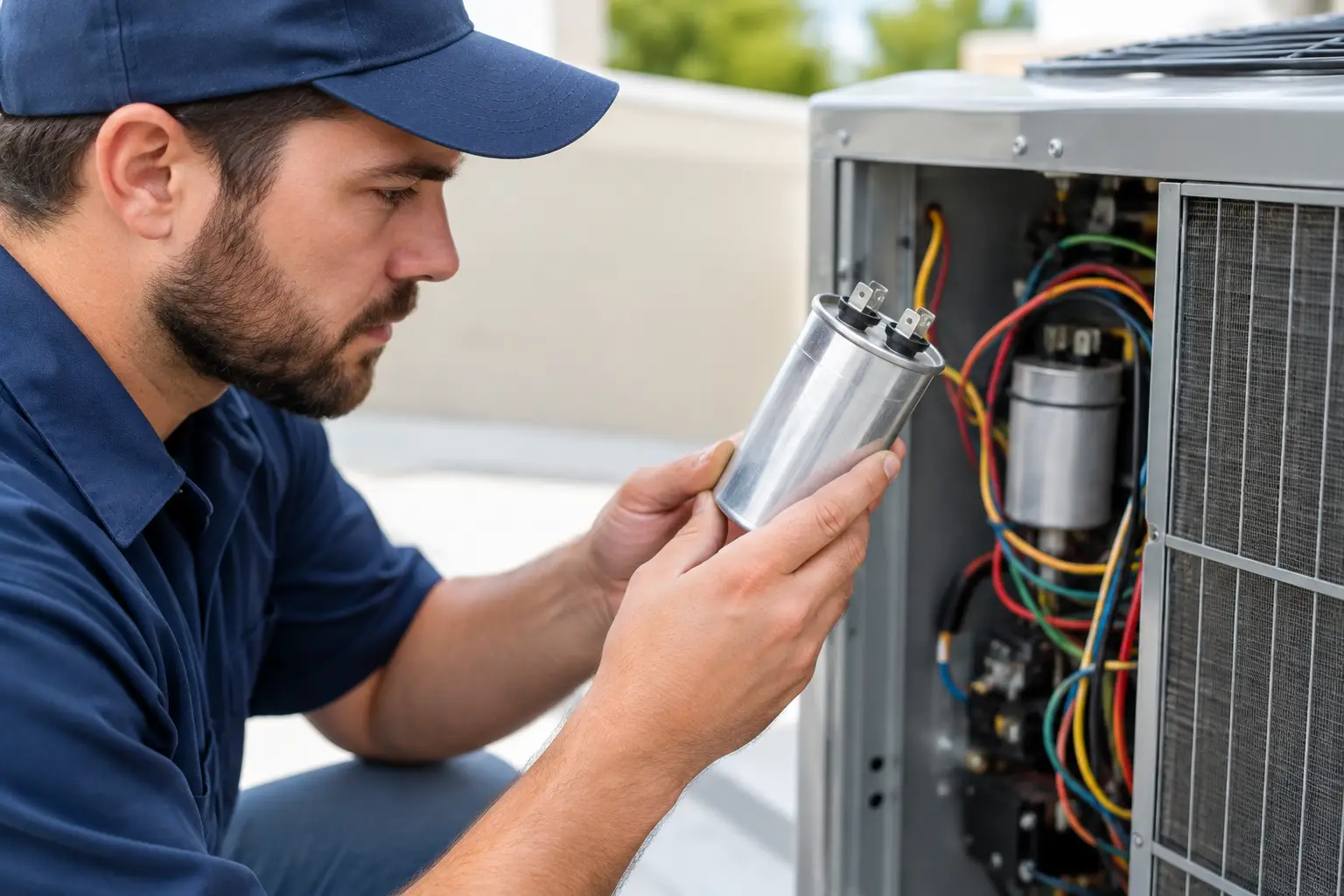
Airflow, electrical connections, refrigerant conditions, controls, coils, and ductwork all play roles in performance.
A heat pump that is correctly sized but connected to poorly performing ducts may still create uneven temperatures.
For that reason, installation planning should include the entire HVAC system rather than focusing only on the outdoor unit.
Heat Pump Installation in San Mateo, CA
Homeowners considering heat pump installation in San Mateo, CA can use the technology for both seasonal heating and cooling.
The San Mateo service page specifically supports heat pump repairs, installations, and seasonal maintenance alongside furnace services.
Before a new unit is selected, the property should be evaluated for current comfort conditions.
A home with several rooms that are consistently difficult to heat or cool may have airflow issues that should be identified before equipment replacement.
Insulation, windows, sun exposure, ceiling height, room additions, and overall square footage can also influence system requirements.
Replacing an older system with equipment of exactly the same capacity is not always the best approach if the building has changed over time.
A remodel, new windows, insulation improvements, or an added room may alter the heating and cooling load compared with the original installation.
Heat Pump Services in Walnut Creek, CA
Property owners looking for heat pump services in Walnut Creek, CA may need maintenance, repair, replacement, or installation depending on system condition.
The Walnut Creek area page specifically mentions heat pump maintenance as well as residential heating repair, replacement, and installation.
A heat pump should provide fairly consistent comfort when it is operating correctly.
If the system begins running much longer than usual, producing weaker airflow, making new noises, or struggling to maintain the thermostat setting, professional evaluation may be appropriate.
Homeowners should also notice whether performance changes only in heating mode, only in cooling mode, or during both.
That distinction can help technicians narrow the source of the problem.
Because the same equipment supports two seasons of comfort, small operating changes can affect the home during more than one part of the year.
Correct System Sizing Matters
Choosing the right capacity is one of the most important parts of a heat pump project.
A larger unit is not automatically better.
Oversized equipment may reach the thermostat setting quickly and shut down before the system has operated long enough to maintain balanced comfort throughout the property.
An undersized system may run for extended periods while still struggling to meet demand.
Professional sizing should consider more than floor area.
Window quantity, insulation levels, ceiling height, orientation, air leakage, room layout, and other building conditions can influence the required capacity.
Commercial properties may also need to account for occupancy, equipment, operating hours, and internal heat generated by business activities.
Matching the system to the actual property creates a stronger foundation for efficient operation.
Ductwork Can Change Heat Pump Performance
A central heat pump depends on the duct system to distribute conditioned air.
Leaks, restrictions, poorly connected sections, or damaged ducts can reduce the amount of heated or cooled air reaching occupied rooms.
This can create noticeable temperature differences even when the equipment itself is functioning normally.
Before installing a replacement system, homeowners should mention rooms that have historically been uncomfortable.
That information can help determine whether the issue is related to equipment capacity or air distribution.
Return-air pathways also deserve attention.
The system needs enough air moving back toward the equipment to operate properly.
Furniture, storage, rugs, or other items should not block supply and return registers.
A new heat pump will perform better when the airflow system around it is also working as intended.
Heat Pump Repair Warning Signs
Heat pumps can develop many of the same operating problems found in other HVAC systems.
Weak airflow, unusual noises, short cycling, incorrect temperatures, ice buildup, or unexpectedly high energy use can indicate that service is needed.
The system may also behave differently depending on operating mode.
For example, cooling may work normally while heating performance declines.
A technician should evaluate the symptom rather than assuming one specific component is responsible.
Electrical controls, refrigerant conditions, sensors, motors, coils, thermostats, and airflow can all influence system behavior.
Property owners can help by describing when the issue first appeared and whether it occurs constantly or only under certain outdoor conditions.
Detailed symptoms often make troubleshooting more efficient.
Thermostat Controls Need to Match the System
Heat pumps use thermostat controls to manage both heating and cooling operation.
The thermostat needs to be compatible with the equipment and configured correctly for the system.
A control problem can sometimes appear similar to an HVAC failure.
Incorrect settings, wiring issues, sensor problems, or a thermostat placed in an unsuitable location may affect when the heat pump starts and stops.
Smart or programmable thermostats can add scheduling features and remote control, but compatibility should be confirmed before installation.
Homeowners should also understand how their heat pump behaves during normal operation.
Some systems deliver warm air differently from traditional furnaces, so expecting identical operating patterns can create unnecessary concern.
Clear thermostat setup and basic system education can make day-to-day use easier.
Maintenance Supports Both Heating and Cooling
Because heat pumps operate during both warmer and cooler periods, routine maintenance supports year-round performance.
Filters should be inspected and replaced or cleaned according to the needs of the system and property.
Outdoor equipment should remain reasonably clear of leaves, vegetation, and debris that could restrict airflow.
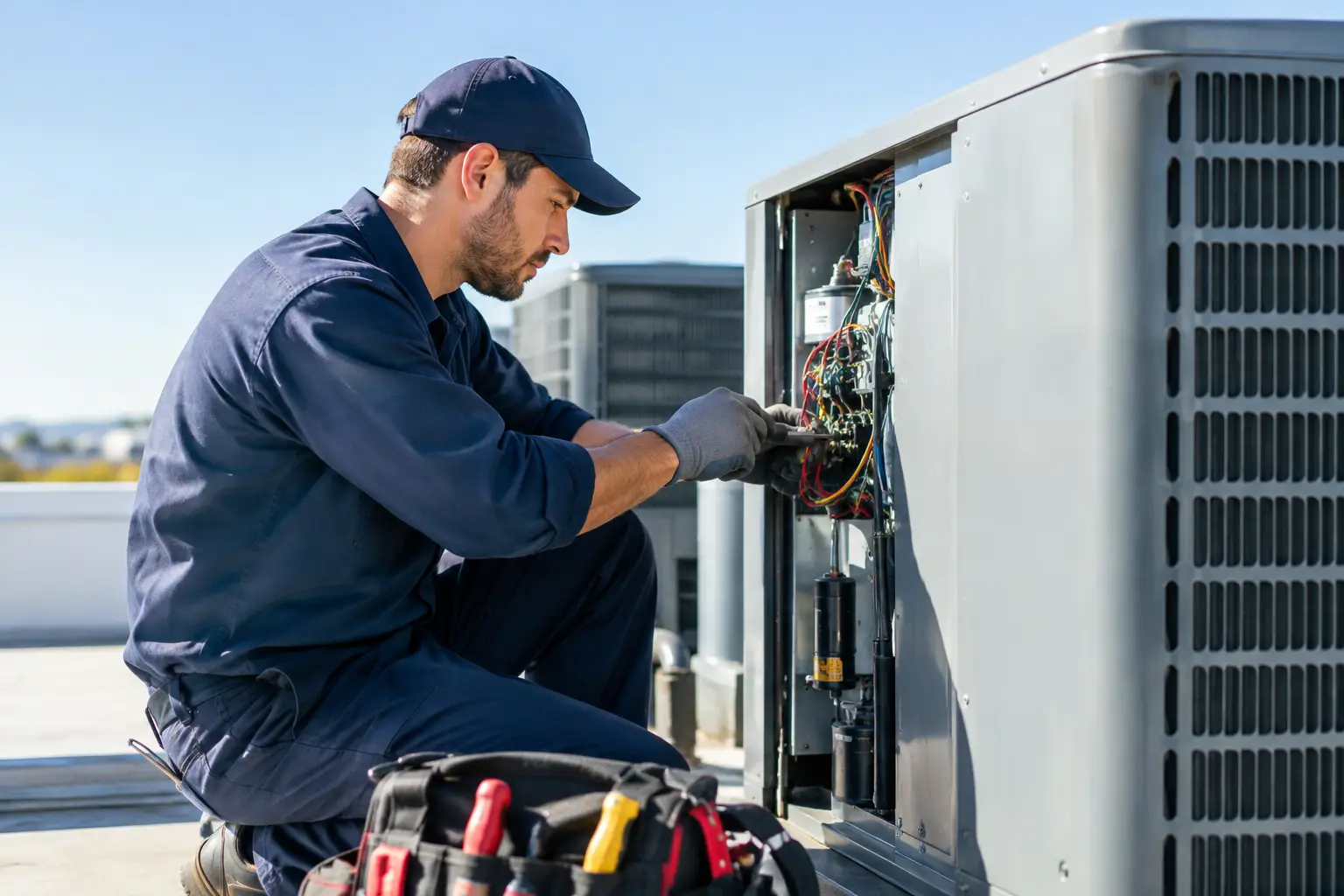
Professional maintenance may include reviewing electrical components, coils, refrigerant conditions, airflow, drainage, controls, and overall operation.
Seasonal service can also identify small issues before the system begins working harder during periods of greater demand.
Heating and Air Experts LLC provides heating and HVAC maintenance alongside repair and installation, allowing system condition to be evaluated before a breakdown interrupts comfort.
Heat Pumps and Energy Use
Heat pumps are often chosen because transferring heat can provide an efficient approach to temperature control.
Actual energy use still depends on many factors.
System efficiency ratings, thermostat settings, insulation, duct leakage, outdoor temperatures, household habits, and equipment condition can all affect operating costs.
A high-efficiency system installed in a poorly insulated property may still run frequently.
Likewise, a clogged filter or restricted airflow can make equipment work harder than necessary.
Property owners interested in reducing HVAC energy use should consider both the system and the building around it.
Improving obvious air leaks, maintaining filters, and using reasonable thermostat settings can support the performance of the installed equipment.
Replacing an Older Heating and Cooling System
A heat pump may be considered when an older furnace, air conditioner, or existing heat pump is approaching replacement.
The decision should include the condition of current equipment and supporting infrastructure.
If both the heating and cooling systems are aging, moving to one heat-pump-based solution may be worth evaluating.
Properties with existing ductwork should have those ducts reviewed to determine whether they can support the new equipment effectively.
Electrical requirements should also be considered before installation.
Property owners should compare the expected system performance, installation needs, repair history of current equipment, and long-term comfort goals.
The most suitable option depends on the individual property rather than one solution being automatically right for every building.
Heat Pumps for Residential and Commercial Properties
Heat pumps can serve different types of buildings when the system is designed around the space.
Residential projects may focus on whole-home comfort, quiet operation, energy use, and easy temperature control.
Commercial properties can have more complex demands.
Occupancy changes throughout the day, equipment may generate additional heat, and different areas of the building can require different comfort conditions.
Business owners should explain operating hours and any rooms that experience recurring temperature problems.
System planning can then consider how heating and cooling demand changes throughout the property.
The same principle applies to residential installations: equipment should reflect how the building is actually used.
Deciding Between Repair and Replacement
A malfunctioning heat pump does not automatically need replacement.
Many isolated problems can be repaired when the equipment is otherwise in suitable condition.
Replacement becomes more worth discussing when the system is older, requires frequent repairs, no longer maintains comfort, or has experienced a major component failure.
Repair history can provide useful context.
One service call after years of dependable operation is very different from several expensive repairs within a short period.
Efficiency and future needs also matter.
A homeowner planning significant remodeling may want to consider whether the current equipment will still match the property afterward.
A professional evaluation should explain both the immediate problem and the general condition of the system so the owner can compare options.
Protecting Heat Pump Performance After Installation
Good operation starts with professional installation, but ongoing care remains important.
Filters need regular attention, outdoor equipment needs clear airflow, and unusual system behavior should be investigated before it becomes more disruptive.
Homeowners should also avoid repeatedly changing thermostat settings by large amounts in an attempt to force faster heating or cooling.
The system should be allowed to operate according to its controls.
If one area begins feeling consistently different from the rest of the home, that change deserves attention.
It may indicate an airflow issue, thermostat concern, or equipment condition that was not present previously.
Regular observation can help property owners catch changes early.
Choosing a Heat Pump Contractor
A contractor should evaluate the existing HVAC system before recommending a specific heat pump.
Homeowners can ask how system capacity will be determined, whether ductwork will be checked, what thermostat requirements apply, and which parts of the existing system can remain.
The scope should also explain equipment removal, installation, connections, startup, and testing.
For replacement projects, property owners should discuss recurring comfort issues rather than assuming the new equipment should simply duplicate the previous setup.
Those concerns can provide useful information during system planning.
Heating and Air Experts LLC works with heat pumps as part of its heating services throughout the Bay Area, including installation, repairs, and seasonal maintenance.
Conclusion
Heat Pump Systems can provide heating and cooling through one HVAC setup, making them a practical option for many Bay Area homes and businesses.
For properties in San Mateo and Walnut Creek, successful performance begins with selecting equipment that matches the building rather than choosing capacity based only on the size of the old system.
Duct condition, airflow, thermostat controls, insulation, electrical requirements, installation quality, and maintenance all influence everyday comfort.
Property owners should also watch for changes such as weak airflow, unusual noises, extended operating cycles, or inconsistent temperatures.
Early service can help identify repairable issues before they become larger problems.
With proper planning, installation, and ongoing care, a heat pump can support dependable heating and cooling while giving property owners one system for managing comfort throughout the year.
Frequently Asked Questions
What are Heat Pump Systems?
Heat Pump Systems are HVAC systems that transfer heat to provide both heating and cooling rather than using separate equipment for each season.
Can a heat pump both heat and cool a home?
Yes. A heat pump can move heat outdoors during cooling operation and reverse the process to provide indoor heating when temperatures drop.
How do I know what size heat pump I need?
System size should be based on the property’s heating and cooling requirements, including square footage, insulation, windows, layout, and other building conditions.
Does a heat pump work with existing ductwork?
It can, provided the existing ducts are appropriately sized, connected, and in suitable condition for the new system.
When should a heat pump be repaired?
Service is appropriate when the system develops weak airflow, unusual sounds, poor heating or cooling, frequent cycling, ice buildup, or other changes in normal operation.
Do Heat Pump Systems require regular maintenance?
Yes. Routine filter care and professional maintenance can help support airflow, system performance, and dependable heating and cooling throughout the year.