A failed AC during a Bay Area heat wave or a furnace that quits on a cold night rarely gives you a warning. When your system stops working at the worst possible time, emergency HVAC repair becomes less about convenience and more about safety, comfort, and protecting your property.
The right response in the first few minutes matters. Some HVAC problems can wait until regular business hours without making the situation worse. Others need immediate attention because they can affect air quality, electrical safety, or your ability to keep a home or commercial space livable. Knowing the difference helps you act quickly without overreacting.
When emergency HVAC repair is truly necessary
Not every HVAC issue is an emergency, but some problems should never be ignored. If your system will not turn on during extreme heat or cold, that is often an urgent service call, especially if children, older adults, or anyone with health concerns is in the building. The same goes for a commercial space where indoor conditions can affect employees, customers, equipment, or inventory.
Strange smells are another red flag. A burning odor may point to overheating electrical components, while a gas smell around a furnace should be treated seriously right away. In those situations, turn the system off and get professional help immediately. Water leaking around your indoor unit can also move from nuisance to emergency if it risks ceiling damage, flooring damage, or mold growth.
There are also cases where the system is still running, but badly. Loud banging, grinding, screeching, or repeated short cycling usually means something is failing mechanically or electrically. Continued operation can turn a repairable problem into a major breakdown.
What to do before you call
A few quick checks can save time and, in some cases, solve a simple issue. Start with the thermostat. Make sure it is set to the correct mode, the temperature setting is right, and the batteries are not dead if your model uses them. Then check the circuit breaker to see whether the HVAC system has tripped.
Next, look at the air filter. A severely clogged filter can restrict airflow enough to cause overheating, freezing, or poor performance. If the filter is dirty, replace it and give the system a few minutes to respond. For air conditioning issues, check whether the outdoor unit is visibly blocked by debris. For heating issues, make sure supply and return vents are not closed or covered.
These basic steps are useful, but they have limits. If you notice burning smells, smoke, sparking, unusual noises, ice buildup, active leaks, or total loss of heating or cooling during unsafe conditions, skip the guesswork. Shut the system down if needed and call for professional service.
Signs the problem may be bigger than a quick fix
Emergency calls often reveal issues that have been building for weeks or months. Maybe the system has been running longer than usual, utility bills have climbed, airflow has weakened, or one room has stayed uncomfortable no matter what the thermostat says. Those signs do not always feel urgent at first, but they often point to a failing component, airflow restriction, refrigerant issue, ignition problem, or aging equipment under strain.
The age of the system matters too. An older unit with repeated repairs may be more likely to fail during peak demand, exactly when you need it most. That does not automatically mean replacement is the right answer. It does mean an honest technician should look at the full picture, including repair cost, parts condition, efficiency, and how dependable the system is likely to be after the immediate fix.
This is where experience matters. A rushed diagnosis can get equipment running for the moment but miss the reason it failed in the first place. Reliable emergency HVAC repair should solve the immediate problem and explain what caused it, what condition the rest of the system is in, and whether there are steps you can take to reduce the chance of another after-hours breakdown.
What to expect from a professional emergency visit
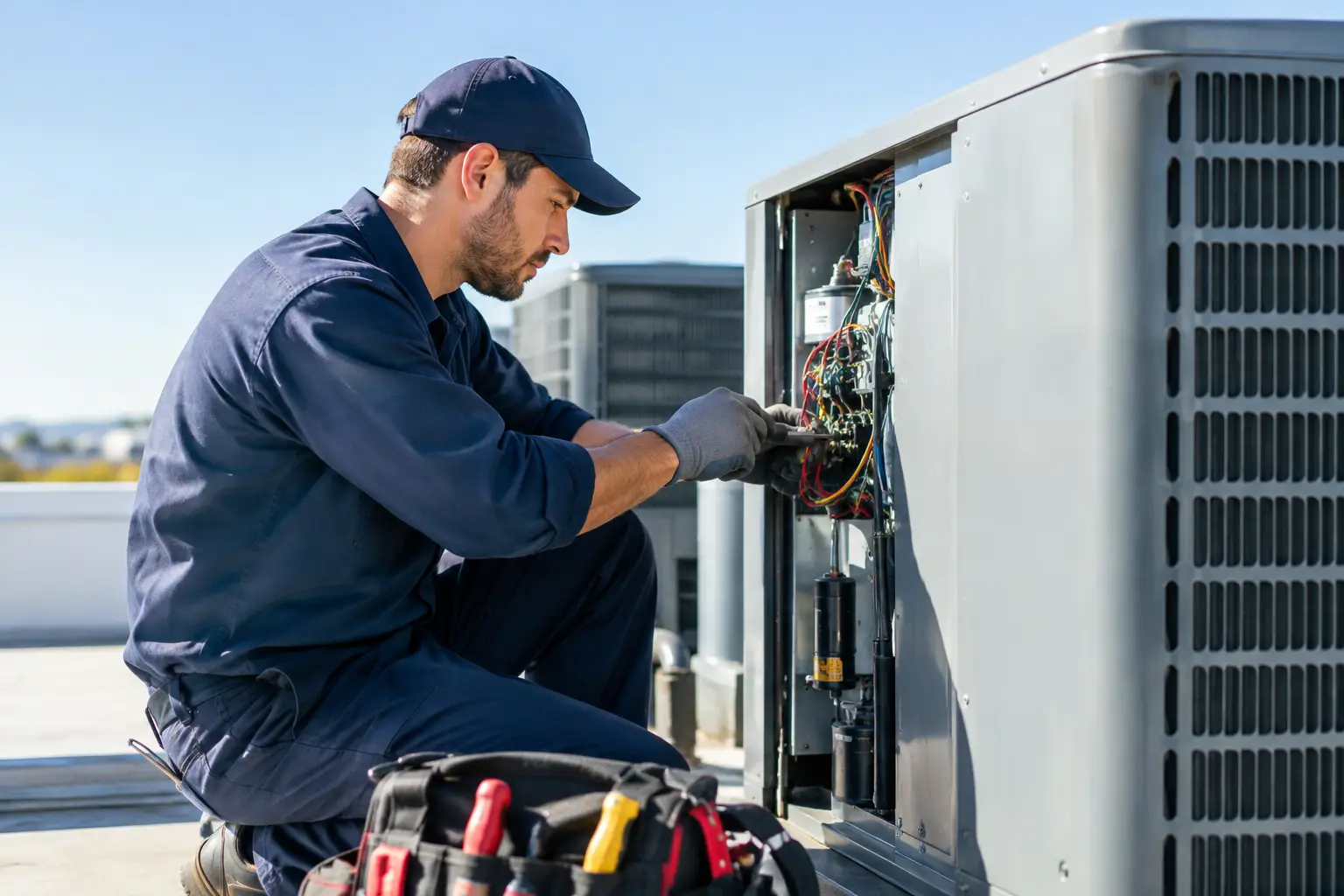
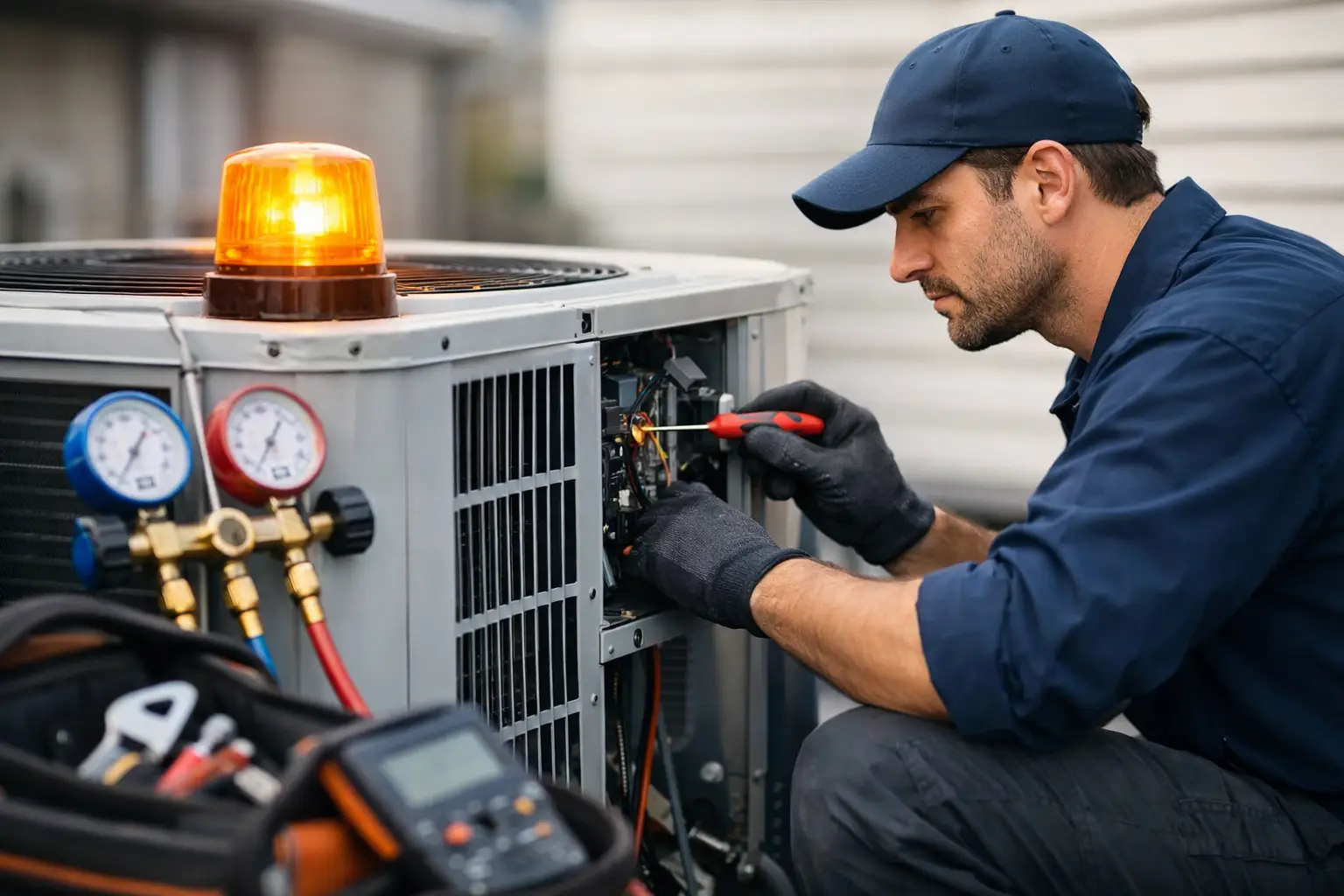
A professional emergency response should feel clear and organized, not chaotic. First comes diagnosis. The technician should inspect the system, test the affected components, and identify whether the problem involves electrical controls, airflow, refrigerant, ignition, drainage, or mechanical wear.
From there, you should get straightforward recommendations. In many cases, the best path is a repair that restores safe operation the same day. In other situations, especially with older systems or major part failures, you may hear more than one option. A good service provider will explain the trade-offs without pressure.
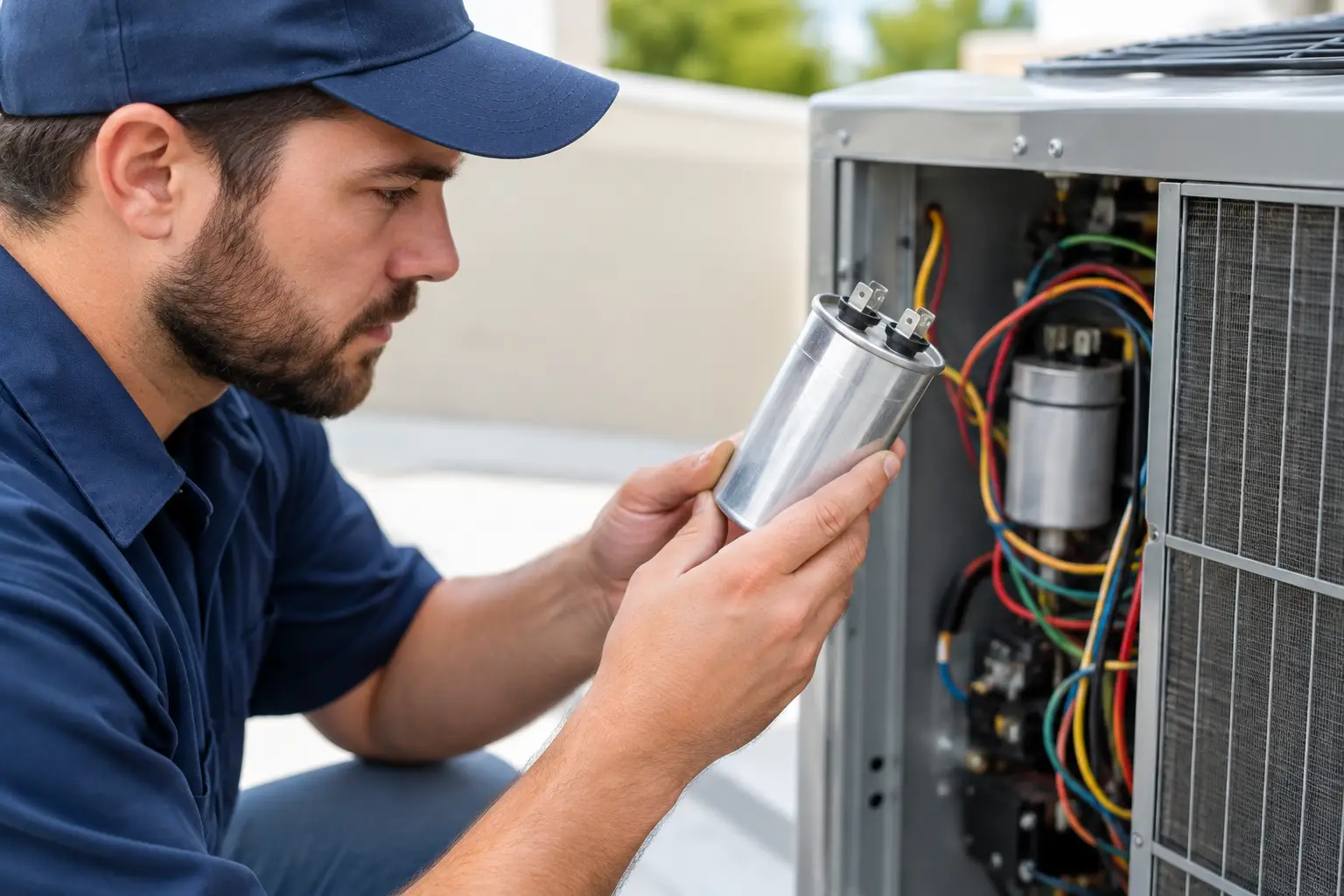
For example, replacing a capacitor, contactor, igniter, or blower motor can be a practical repair if the overall system is sound. But if a compressor fails in an aging AC unit or a heat exchanger problem affects an older furnace, the long-term value of repair becomes less certain. The right choice depends on system age, repair cost, future reliability, and how long you plan to keep the property.
Upfront pricing matters here. When you are dealing with an HVAC emergency, you should not have to approve work without understanding the cost. Clear communication builds trust, especially when the call happens at night, on a weekend, or during extreme weather.
Emergency HVAC repair for homes and commercial spaces
Homeowners and commercial property owners often face different pressures during an HVAC emergency. In a home, the priority is usually restoring safe, comfortable temperatures as quickly as possible. Families may also be concerned about indoor air quality, especially if the system is blowing dust, creating humidity problems, or circulating unusual odors.
In commercial buildings, the stakes can expand quickly. A failed rooftop unit or split system may affect staff productivity, customer comfort, tenant satisfaction, or operations in multiple zones. Restaurants, offices, retail stores, and managed properties all have different thresholds for what counts as urgent. That is why a provider with broad diagnostic and repair experience across different equipment types can be a major advantage.
For both residential and commercial customers, speed matters, but so does follow-through. A temporary fix is sometimes necessary in an emergency, yet it should come with a clear plan for permanent repair if more work is needed.
How regular maintenance helps prevent emergency HVAC repair
The best emergency is the one you avoid. Many urgent service calls can be traced back to neglected maintenance, dirty coils, clogged filters, worn electrical parts, blocked drains, low refrigerant, or small issues that were never addressed early.
Routine maintenance gives technicians a chance to catch those problems before they shut your system down. It also helps equipment run more efficiently, which reduces strain during the hottest and coldest parts of the year. That is especially important in the Bay Area, where microclimates can push HVAC systems in very different ways depending on whether you are in San Francisco, San Jose, Oakland, Fremont, or the surrounding communities.
Maintenance is not a guarantee against every breakdown. Parts can still fail unexpectedly. But it does lower the odds of a surprise outage and often shortens repair time because the system condition is better understood.
Choosing the right company when time matters
When your HVAC system fails, you need more than fast scheduling. You need technicians who can diagnose accurately, explain clearly, and stand behind the work. That means looking for licensed, experienced professionals with a strong local reputation, transparent pricing, and the ability to service both common and complex systems.
It also helps to work with a company that can support you beyond the emergency itself. Sometimes the immediate repair is only one part of the solution. You may need follow-up maintenance, airflow improvements, thermostat updates, indoor air quality recommendations, or replacement planning if the equipment is near the end of its service life.
Heating and Air Experts approaches emergency service that way – as a chance to restore comfort quickly while giving customers honest guidance about the next best step. For homeowners, property managers, and business owners, that kind of practical support matters as much as the repair itself.
If your system suddenly stops working, trust your instincts. Unusual smells, loud noises, leaks, weak airflow, or total loss of heating and cooling are all signs that waiting may cost more than acting now. Fast, professional help can protect your comfort, your equipment, and the people who depend on it.