When your heating system stops working during a cold Oakland evening, waiting until the next business day is rarely an option. A sudden breakdown affects your comfort, indoor air quality, and sometimes even your family’s safety. Heating And Air Expert understands how unexpected heating problems can disrupt daily life, which is why learning about emergency heating repair services in Oakland, CA helps homeowners make faster and smarter decisions when emergencies happen.
Professional emergency heating services are designed to restore warmth quickly while preventing additional damage to your HVAC system. Understanding how these services work also helps you avoid unnecessary repair costs and extend the life of your heating equipment.
Why Emergency Heating Repair Matters for Oakland Homes
Oakland enjoys a mild climate compared to many cities, but temperatures still drop significantly during winter mornings and evenings. A heating system that suddenly stops working can create uncomfortable indoor conditions within hours.
Many homeowners assume a furnace will provide warning signs before it fails. In reality, many emergency repairs happen after unexpected component failures such as blower motors, ignition systems, thermostats, or electrical controls.
HVAC professionals heating repair services often recommend scheduling immediate repairs whenever you notice unusual sounds, inconsistent heating, burning smells, or repeated system shutdowns. Addressing these issues early usually prevents larger and more expensive repairs later.
Common Heating Emergencies
Emergency heating calls frequently involve:
- Furnace not turning on
- No warm air from vents
- Burning or electrical odors
- Loud banging or grinding sounds
- Pilot light or ignition failure
- Heat pump freezing
- Thermostat malfunction
- Circuit breaker repeatedly tripping
Many of these problems require professional diagnosis because multiple components often work together inside modern HVAC systems.
What Causes Sudden Heating System Failures?
Heating equipment experiences wear every time it operates. Over months and years, moving parts naturally become less efficient.
Dirty air filters remain one of the leading causes of emergency heating repairs. Restricted airflow forces the furnace or heat pump to work harder, increasing stress on motors and heat exchangers.
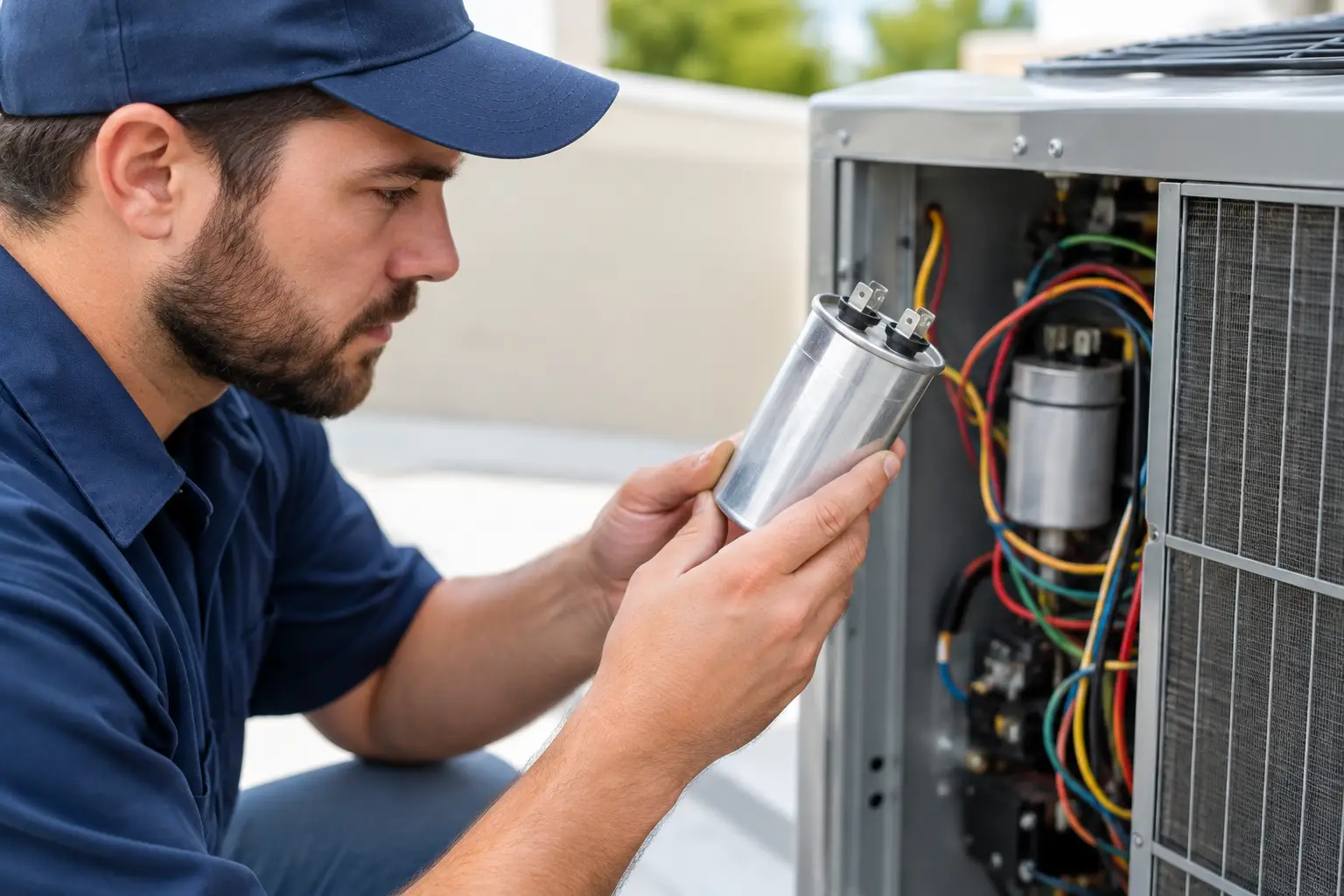
Electrical failures also contribute to emergency service calls. Loose wiring, damaged capacitors, faulty relays, and worn control boards can stop an entire system without warning.
Lack of Preventive Maintenance
Industry organizations such as the Air Conditioning Contractors of America (ACCA) consistently recommend annual HVAC inspections because properly maintained systems generally experience fewer unexpected breakdowns and operate more efficiently throughout the heating season.
Routine maintenance also helps technicians identify worn components before they fail unexpectedly.
Aging Equipment
Most residential furnaces last approximately 15–20 years with proper maintenance.
As systems age, replacement parts wear more frequently, making emergency repairs increasingly common. Older units also consume more energy while delivering less consistent heating.
How Emergency Heating Repair Services Work
Professional emergency repair begins with a complete diagnostic inspection rather than replacing parts immediately.
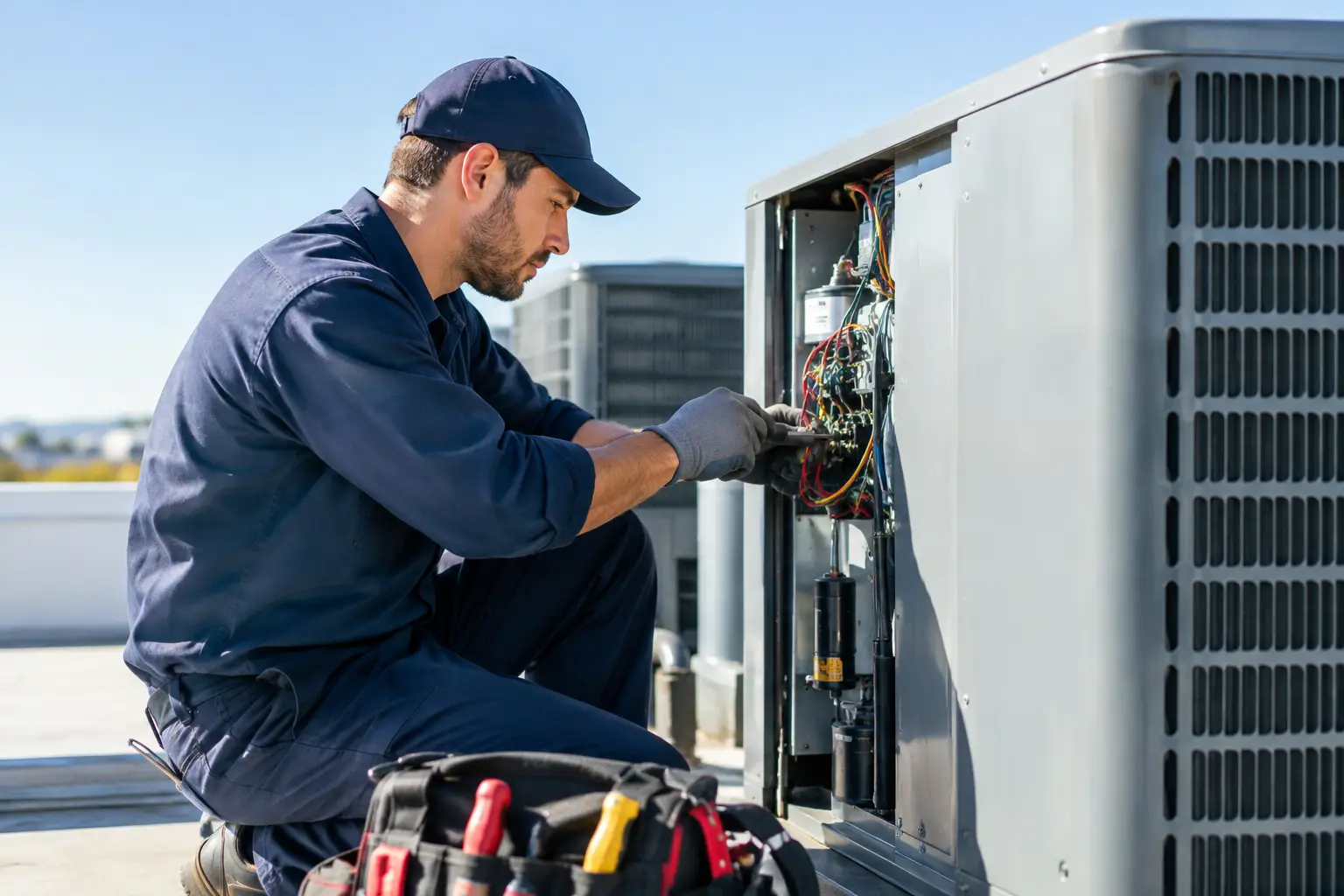
Experienced HVAC technicians evaluate airflow, electrical systems, ignition components, safety controls, and thermostat communication before identifying the actual source of failure.
This systematic approach prevents unnecessary repairs while restoring the heating system as quickly as possible.
Step 1: System Inspection
The technician checks:
- Electrical connections
- Gas supply
- Airflow
- Thermostat settings
- Safety switches
- Error codes
Modern diagnostic tools allow technicians to identify hidden issues that homeowners cannot easily detect.
Step 2: Problem Identification
Instead of guessing, professionals isolate the failed component.
For example, a furnace producing cold air may actually have a faulty flame sensor rather than a damaged heat exchanger. Accurate diagnosis saves both time and money.
Step 3: Repair and Safety Testing
After repairs, technicians verify proper airflow, heating output, combustion efficiency, and thermostat operation before completing the service.
Safety testing is especially important for gas furnaces because improper combustion may increase carbon monoxide risks.
How to Prevent Emergency Heating Repairs
The easiest emergency repair is the one you never need.
Simple maintenance habits greatly reduce unexpected failures while improving energy efficiency.
Replace Air Filters Regularly
Changing air filters every one to three months improves airflow and reduces strain on the blower motor.
Many emergency service calls begin with clogged filters that restrict proper air circulation.
Schedule Annual HVAC Maintenance
Professional inspections include:
- Cleaning burners
- Checking electrical connections
- Testing thermostat accuracy
- Inspecting blower motors
- Measuring airflow
- Verifying safety controls
According to the U.S. Department of Energy, routine HVAC maintenance helps improve efficiency while reducing operating costs over time.
Pay Attention to Warning Signs
Small symptoms often become major repairs when ignored.
If your heater starts making unusual noises, cycles frequently, or produces uneven temperatures, scheduling an inspection early usually prevents emergency breakdowns later.
Choosing Emergency Heating Repair Services in Oakland, CA
Not every heating company offers the same level of emergency support.
Look for licensed HVAC technicians who understand different heating systems, including gas furnaces, electric furnaces, ductless heat pumps, and central heating systems.
Experienced professionals should explain the repair process clearly rather than immediately recommending replacement.
Homeowners also benefit from technicians who perform complete system evaluations instead of addressing only the obvious symptom.
A trustworthy emergency repair service focuses on long-term reliability rather than temporary fixes.
What Happens After the Repair?
Many homeowners believe the repair ends once warm air returns.
In reality, post-repair recommendations often determine how long the system continues operating reliably.
Experienced HVAC technicians typically recommend cleaning filters, monitoring thermostat performance, and scheduling preventive maintenance before the next heating season.
One Oakland homeowner delayed replacing a noisy blower motor for several months because the heater still worked. Eventually, the motor failed during a cold weekend and damaged additional components. A repair that initially would have been relatively inexpensive became significantly more costly. Situations like this highlight why responding quickly to early warning signs makes practical and financial sense.
Final Thoughts
Heating emergencies rarely happen at convenient times, but understanding the causes, warning signs, and repair process helps homeowners respond with confidence. Professional emergency heating repair services in Oakland, CA focus on restoring comfort safely while protecting the long-term health of your HVAC system. Regular maintenance, timely inspections, and quick action when problems first appear remain the best strategies for avoiding unexpected breakdowns. Whether your system uses a furnace or heat pump, investing in proper care today can prevent expensive emergency repairs tomorrow.
Frequently Asked Questions
What qualifies as a heating emergency?
A heating emergency includes complete system failure, burning odors, gas-related concerns, electrical problems, or situations where no heat is available during cold weather.
How quickly should emergency heating repairs be completed?
Most emergency HVAC technicians prioritize urgent calls and aim to diagnose problems as quickly as possible to restore safe heating.
Can I repair my furnace myself?
Basic maintenance like replacing filters is safe, but electrical, gas, and mechanical repairs should always be handled by licensed HVAC professionals.
Why does my heater blow cold air?
Common causes include thermostat issues, ignition failure, clogged filters, blower problems, or malfunctioning heating components.
Does regular maintenance reduce emergency repairs?
Yes. Annual HVAC maintenance helps identify worn parts early, improves efficiency, and significantly lowers the chance of unexpected breakdowns.