Cooling services in San Francisco, CA help homes and businesses maintain steady comfort, improve airflow, prevent breakdowns, and support efficient AC use.
Indoor comfort depends on more than simply turning down the thermostat when temperatures rise. Air conditioners need proper airflow, clean components, responsive controls, correct system sizing, and routine care to cool a property consistently. Heating and Air Experts LLC provides Cooling Services for residential and commercial properties throughout the Bay Area, including system installation, repair, maintenance, central AC work, and ductless mini-split solutions. For property owners in San Francisco, San Jose, and nearby communities, paying attention to changing cooling performance can help identify problems before the system stops operating completely. Weak airflow, warm rooms, longer cooling cycles, unusual noises, or repeated thermostat adjustments may all indicate that the equipment needs inspection. A dependable cooling plan should consider the condition of the entire system instead of focusing only on one component. Equipment age, ductwork, thermostat performance, indoor comfort concerns, and future needs all influence which service makes the most sense.
What Cooling Services Can Include
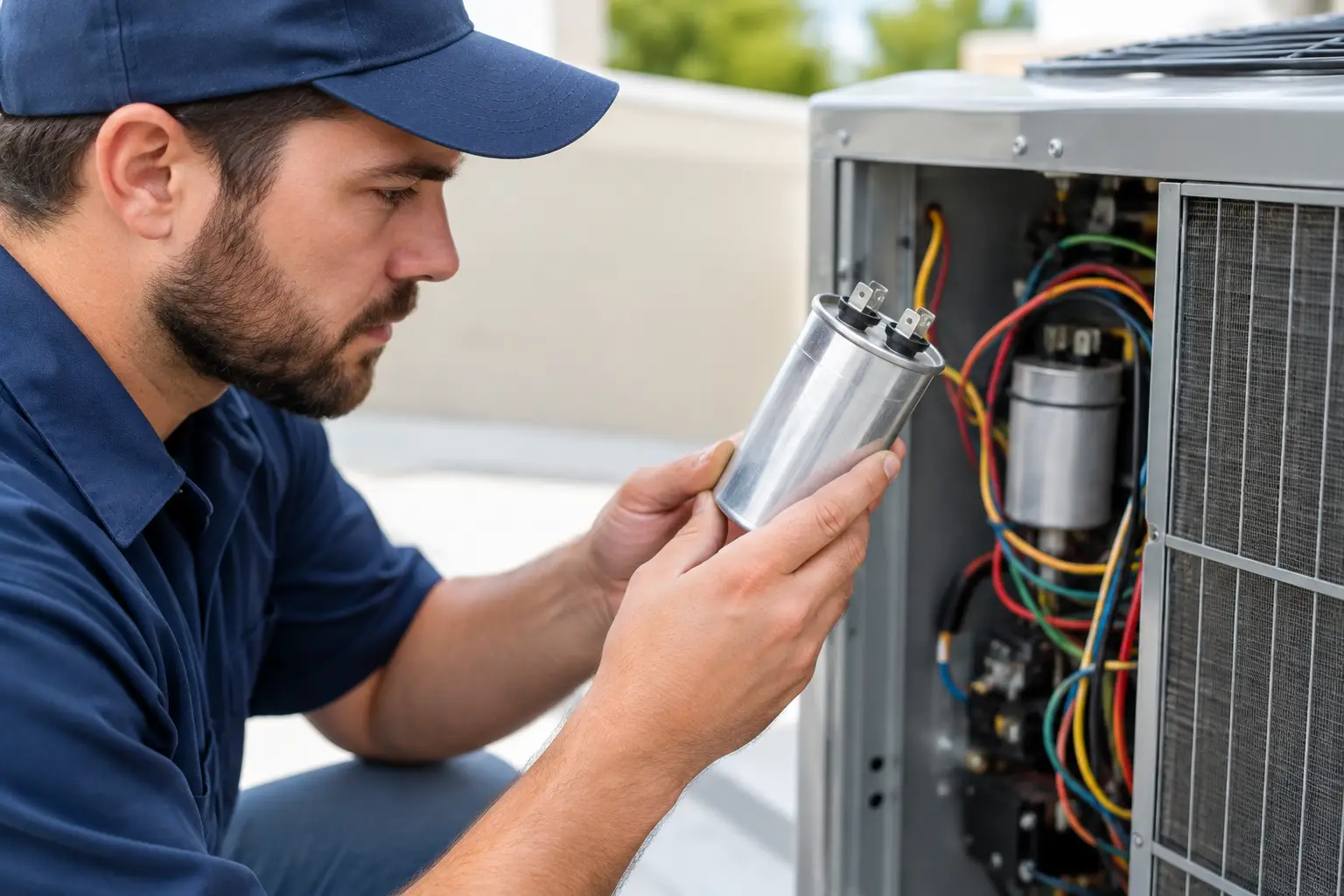
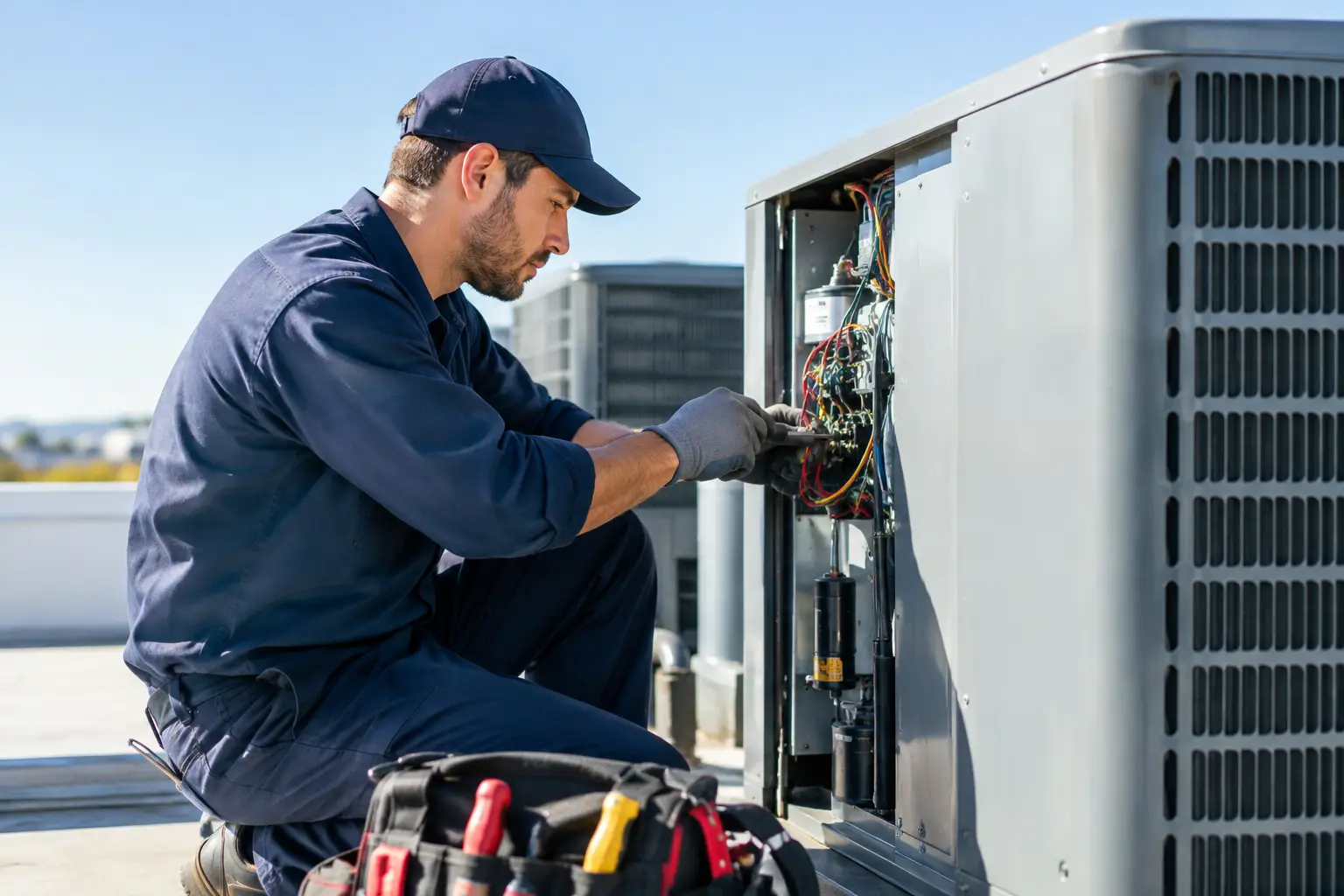
Professional Cooling Services can include air conditioning installation, system repairs, seasonal maintenance, equipment replacement, airflow evaluation, and support for both central and ductless cooling systems.
The right service depends on what the property is experiencing.
A system that suddenly stops working may need troubleshooting and repair. An older unit that requires frequent service may deserve a replacement evaluation. A property without existing cooling may need a new system designed around the building.
Maintenance addresses a different need by helping equipment remain clean, adjusted, and ready for heavier seasonal use.
Treating every cooling problem the same can lead to unnecessary work.
A technician should first understand the symptoms, inspect relevant components, and determine whether the issue involves equipment operation, controls, airflow, or another part of the HVAC system.
Cooling Services in San Francisco, CA
Homeowners seeking Cooling Services in San Francisco, CA may need help with central air conditioning, ductless systems, rooftop equipment, repairs, replacements, or efficiency improvements.
San Francisco properties can vary significantly in age, layout, insulation, and existing HVAC design.
An older home may have rooms that were never designed around modern cooling equipment. A remodeled property may contain additions that receive different airflow from the original rooms.
These conditions should be considered before deciding that the air conditioner itself is the only problem.
If one area consistently stays warmer, the contractor may need to evaluate duct distribution, room layout, or equipment capacity.
Property owners should describe where comfort problems occur and whether they happen throughout the day or only during certain weather conditions.
Those details can make diagnosis more focused.
Air Conditioning Support in San Jose, CA
Property owners considering air conditioning services in San Jose, CA may place heavier demands on cooling equipment during warmer periods.
Longer operating cycles can reveal issues that remain less noticeable during mild weather.
The San Jose service area supports AC repairs, maintenance, and new system installation, including work related to refrigerant problems, compressors, and thermostats.
When an air conditioner struggles during peak temperatures, homeowners should avoid assuming that a larger unit is automatically needed.
Restricted airflow, dirty components, failing parts, control problems, or equipment condition can all affect cooling.
A professional evaluation can separate a repairable issue from a system that no longer matches the property’s needs.
Cooling System Installation for New or Existing Homes
New cooling equipment should be selected around the property rather than based only on the size of the old unit.
Square footage is important, but it is not the only factor.
Windows, insulation, ceiling height, sun exposure, room layout, existing ductwork, and building condition can all influence cooling demand.
Oversized equipment is not necessarily better.
A system that cools too quickly may cycle more frequently than intended, while an undersized unit may run for long periods without maintaining comfortable temperatures.
Installation should also include appropriate connections, controls, drainage, and airflow adjustments.
After startup, the contractor should test operation and confirm that cooled air is reaching the areas the system is intended to serve.
Central AC and Ductless Cooling Options
Different properties can benefit from different cooling designs.
Central air conditioning distributes cooled air through ductwork and can be a practical choice when suitable ducts already serve the building.
Ductless mini-split systems provide another option for properties where traditional ductwork is limited or where individual areas need more independent temperature control.
A converted garage, home addition, upstairs room, or separate workspace may have different needs from the main part of the property.
Choosing between central and ductless cooling should involve more than appearance.
Installation space, room usage, existing infrastructure, comfort goals, and budget all influence the decision.
The best system is the one that fits how the property is actually used.
Recognizing Signs That Cooling Equipment Needs Repair
Cooling problems often begin with small changes.
A homeowner may notice that the air conditioner is running longer than usual or that one room no longer feels as cool as it did previously.
Other warning signs can include unusual noises, inconsistent temperatures, weak airflow, water near indoor equipment, or frequent on-and-off cycling.
Warm air from vents deserves attention as well.
Several different problems can produce similar symptoms, so diagnosis is important.
For example, weak airflow may involve a filter, blower, duct restriction, or another system condition.
A unit that will not start could involve the thermostat, electrical components, or the equipment itself.
Repair work should address the confirmed cause rather than replacing parts until the symptom disappears.
Why Airflow Matters to Cooling Performance
Airflow allows conditioned air to move from HVAC equipment into occupied rooms.
When that movement is restricted, comfort can decline even if the air conditioner is still producing cold air.
Dirty filters are one common source of restricted airflow.
Blocked supply registers, closed vents, duct damage, or problems with the blower can also affect distribution.
Return airflow is equally important because air needs a clear path back to the system.
Property owners can help by keeping vents open and unobstructed and by maintaining filters according to system needs.
If certain rooms continue to receive noticeably less air than others, the duct system may need closer inspection.
Replacing cooling equipment without addressing significant airflow limitations can leave the same comfort problem in place.
Thermostats and Cooling Control
The thermostat tells the HVAC system when cooling is needed.
An inaccurate or poorly functioning thermostat can make an otherwise operational air conditioner appear unreliable.
Homeowners may notice incorrect temperature readings, delayed system response, frequent cycling, or rooms that never seem to match the selected setting.
Basic settings should be checked before assuming the cooling equipment has failed.
Smart and programmable thermostats can also provide scheduling and remote-control features for homeowners who want more control over daily operation.
Compatibility matters, however.
The thermostat, wiring, and HVAC equipment should work together correctly.
Professional setup can help ensure that system controls are configured around the installed equipment rather than simply connected and left at default settings.
Maintenance Before Peak Cooling Season
Cooling maintenance gives property owners an opportunity to identify wear or operating concerns before the system faces heavier demand.
A service visit may involve checking components, filters, airflow, coils, electrical connections, drainage, thermostat operation, and general system performance.
Maintenance does not guarantee that a future breakdown will never happen.
It can, however, help reveal developing problems that might otherwise remain unnoticed.
A clogged drain or worn component can be easier to address during planned service than after the system stops working on a hot day.
Heating and Air Experts LLC provides seasonal HVAC maintenance in addition to repair and installation, giving customers several options depending on system condition.
Do Not Ignore Water Around Indoor AC Equipment
Air conditioning systems remove moisture from indoor air while operating.
That moisture normally leaves the equipment through a condensate drainage system.
Water appearing around the indoor unit can indicate a drainage restriction, connection problem, or another condition that needs inspection.
Standing moisture should not be treated as a normal side effect of cooling.
If it reaches flooring, walls, ceilings, or cabinetry, a small HVAC issue can become a property repair problem.
Homeowners should note whether the moisture appears only when cooling is running.
That detail can help technicians determine whether condensate drainage is involved or whether another source should be investigated.
Repairing Versus Replacing an Older Cooling System
Repair can remain a sensible choice when a cooling system is in reasonable condition and the failed component can be corrected at a practical cost.
Replacement becomes more worth considering when breakdowns happen repeatedly or the equipment no longer provides dependable comfort.
System age is only one part of the decision.
Property owners should also consider repair history, current efficiency, comfort performance, major component condition, and likely future service needs.
An older system that has needed several repairs in a short period may present a different value decision than equipment experiencing its first significant issue.
A professional contractor should explain both the immediate repair and the general condition of the system so homeowners can compare their options with better information.
Cooling Needs for Commercial Properties
Commercial buildings can place different demands on HVAC equipment because occupancy, operating hours, equipment, lighting, and space usage vary throughout the day.
A retail location may need steady customer comfort during business hours.
An office may have conference rooms that become warmer when fully occupied.
Another commercial property may generate additional indoor heat from machinery or equipment.
Cooling decisions should reflect those patterns.
Commercial customers should explain which areas have comfort problems and whether the issue changes during busy periods.
Scheduling also matters when repairs or installations could affect normal operations.
Planning service around the way the business uses the building can reduce unnecessary disruption while addressing the actual cooling concern.
Making Cooling Systems Work More Effectively
Equipment condition is important, but the building itself also affects cooling performance.
Air leaks, poor insulation, direct sun exposure, and inefficient windows can increase heat entering the property.
The air conditioner then has to remove that additional heat to maintain the thermostat setting.
Simple changes such as keeping exterior doors closed, using window coverings where appropriate, and maintaining clear airflow around vents can help support the cooling system.
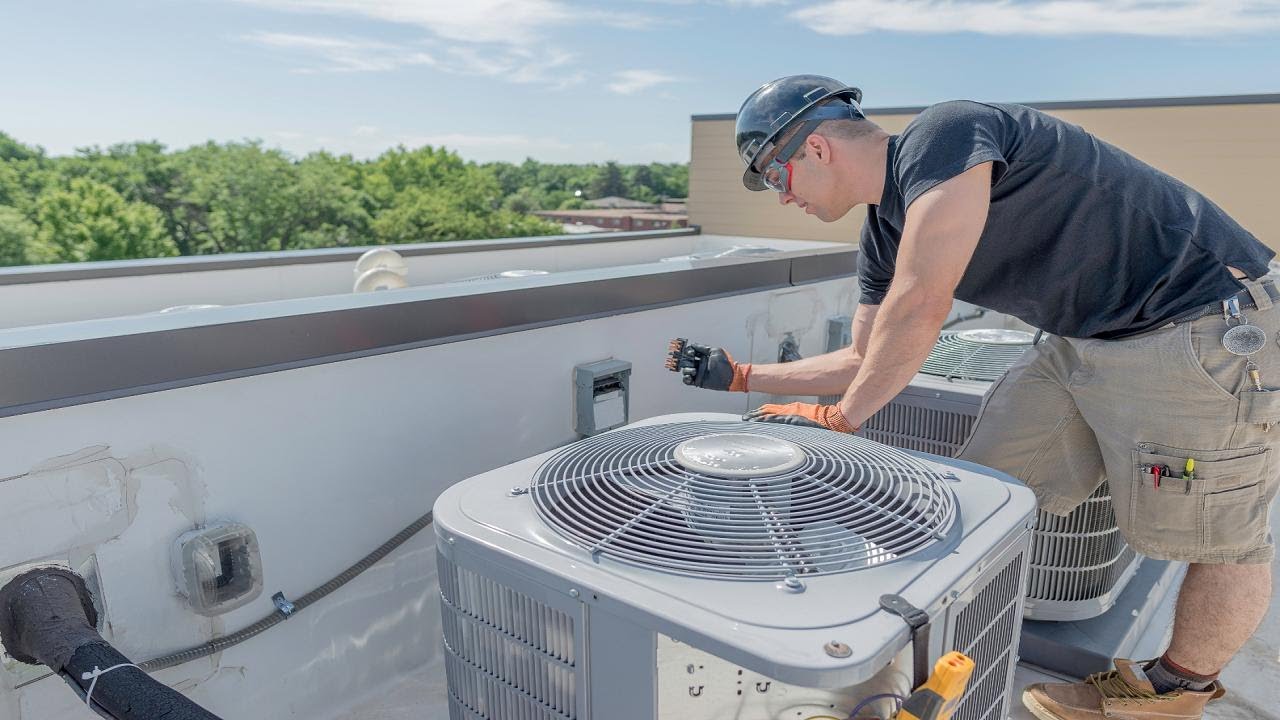
Outdoor equipment also needs reasonable clearance.
Heavy vegetation or debris around the unit can interfere with airflow.
Homeowners should avoid stacking objects against HVAC equipment or allowing landscaping to completely surround it.
These basic habits support the system without replacing professional maintenance or repairs.
Choosing a Cooling Service Contractor
A cooling contractor should begin by listening to the problem before recommending equipment or repairs.
Homeowners can explain when symptoms started, which rooms are affected, whether previous repairs were completed, and how the system normally operates.
For installation projects, ask how equipment sizing is determined and whether existing ducts will be evaluated.
For repairs, property owners should understand what component or condition caused the problem.
The work scope should also clarify whether testing is included after service.
Heating and Air Experts LLC provides Cooling Services for residential and commercial customers throughout the Bay Area, covering installation, repairs, and ongoing system care.
Clear explanations help customers understand what their system needs rather than choosing work based only on the most obvious symptom.
Conclusion
Cooling Services help property owners manage several parts of indoor comfort, from new system installation and emergency repairs to routine maintenance and airflow concerns.
For homes and businesses in San Francisco and San Jose, cooling performance can be influenced by equipment condition, thermostats, ductwork, filters, building layout, and seasonal demand.
Warm air, weak airflow, unusual sounds, water around equipment, or longer operating cycles should not automatically lead to equipment replacement.
Proper diagnosis helps determine whether repair, maintenance, adjustment, or a new system is the better response.
Planning cooling work around the complete property can also prevent new equipment from inheriting old airflow or control problems.
With appropriate system selection, professional service, and routine care, property owners can support more consistent comfort and dependable AC operation during warmer conditions.
Frequently Asked Questions
What do Cooling Services include?
Cooling Services can include air conditioning installation, repair, maintenance, replacement, system testing, airflow evaluation, and work on central AC and ductless systems.
When should I schedule cooling system repair?
Schedule service when you notice warm air, weak airflow, unusual noises, frequent cycling, water around equipment, or cooling that has become noticeably less effective.
Can Cooling Services include a new AC installation?
Yes. New cooling system installation is appropriate for properties adding air conditioning or replacing equipment that no longer meets their needs.
What is the difference between central AC and ductless cooling?
Central AC generally distributes conditioned air through ducts, while ductless systems serve individual spaces without requiring traditional ductwork throughout the property.
Does an air conditioner need regular maintenance?
Yes. Periodic maintenance can help identify developing problems, check system operation, support airflow, and prepare equipment for heavier seasonal use.
Should I repair or replace an older cooling system?
The decision depends on system age, repair history, equipment condition, comfort performance, repair cost, and the likelihood of additional problems.