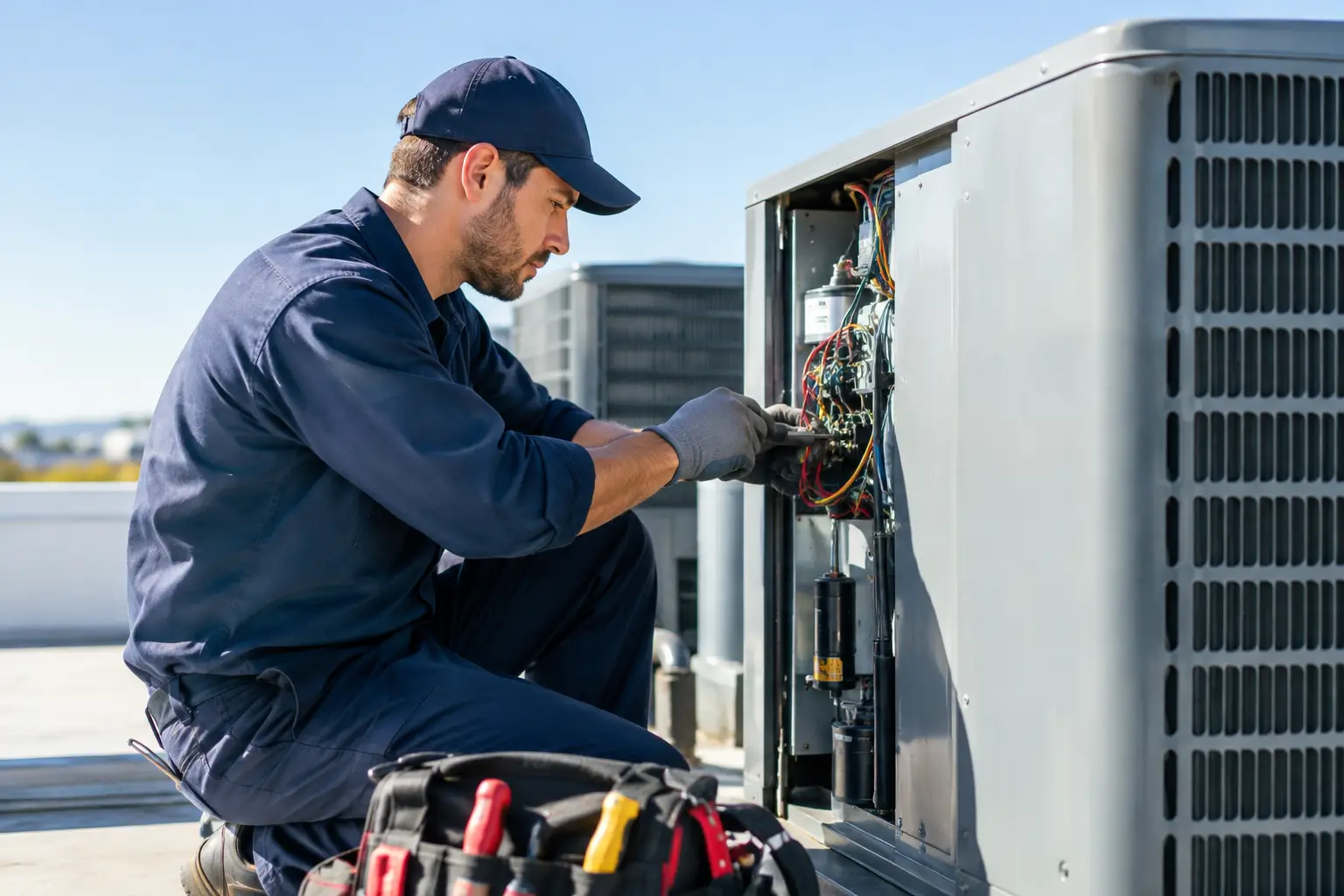
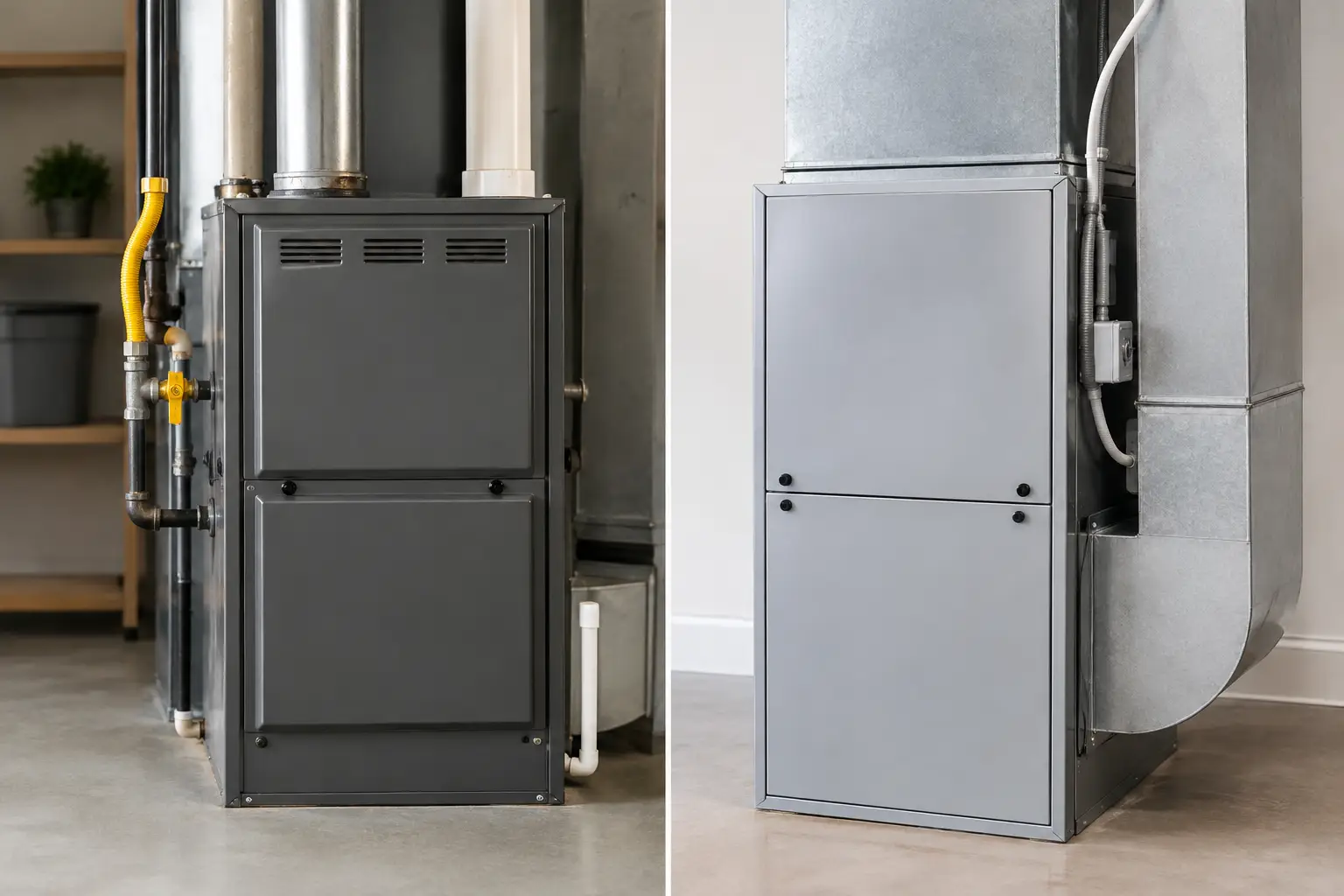
A failed rooftop unit on a hot San Jose afternoon can turn a manageable operating expense into an urgent capital decision. A practical commercial HVAC budgeting guide helps business owners and property managers plan for those moments before comfort complaints, lost productivity, or tenant calls force a rushed choice.
For Bay Area commercial properties, HVAC costs are rarely limited to one repair invoice. Energy rates, aging equipment, occupancy changes, ventilation requirements, and the challenge of scheduling work around tenants all affect the true cost of keeping a building comfortable. A useful budget separates predictable expenses from surprises while leaving room to make smart upgrades when the numbers support them.
Start Your Commercial HVAC Budget With an Equipment Inventory
A budget is only as accurate as the information behind it. Begin with a current inventory of every system serving the property: rooftop units, split systems, heat pumps, furnaces, air handlers, thermostats, exhaust fans, controls, and any ventilation or indoor air quality equipment.
For each asset, record its age, capacity, manufacturer, model, service history, refrigerant type, location, and condition. Also note which areas it serves. A unit cooling a server room, medical office, restaurant space, or high-occupancy conference area carries more operational risk than equipment serving a lightly used storage area.
Age alone does not decide whether a system should be replaced. A well-maintained unit may have useful life remaining, while a younger system with repeated compressor, control, or refrigerant issues may be a poor candidate for continued repair. The goal is to identify equipment that is dependable, equipment that needs closer monitoring, and equipment that could create a major unplanned expense.
Build Costs Into Separate Budget Buckets
Combining all HVAC spending into one line item makes it difficult to see what the building actually needs. Separate operating costs from capital planning so a routine maintenance visit does not get confused with a long-term replacement decision.
Your annual HVAC budget should account for four distinct areas:
- Preventive maintenance, including inspections, filter changes, coil cleaning, drain service, and performance checks.
- Repair reserves for parts, labor, after-hours calls, and recurring issues that cannot be predicted precisely.
- Energy costs related to heating, cooling, ventilation, controls, and equipment efficiency.
- Capital replacement funds for major equipment, duct modifications, control upgrades, and installation work.
This structure gives property managers a clearer view of where money is going. It also makes conversations with ownership more productive. Instead of requesting a vague HVAC allowance, you can explain whether a cost protects existing equipment, solves an active problem, or prepares the property for a future replacement.
Maintenance Is the Most Controllable Expense
Routine commercial maintenance costs less than emergency repairs because technicians can inspect equipment under normal conditions, spot wear early, and schedule work at a convenient time. Maintenance also supports better airflow, more consistent temperatures, and fewer disruptions for tenants and employees.
The right maintenance frequency depends on the equipment and how the building operates. A small professional office may need a different schedule than a retail space with constantly opening doors or a commercial kitchen with heavy exhaust demands. Filters, belts, drain lines, electrical connections, and coils should not be treated as one-size-fits-all items.
When comparing maintenance proposals, look beyond the visit count. Ask what is inspected, what is cleaned, whether labor discounts or priority service apply, and how findings will be documented. A lower price can be less valuable if it does not identify developing problems before they become expensive failures.
Estimate Repair Costs Based on Risk, Not Guesswork
No budget can predict every breakdown. It can, however, reduce the financial impact of foreseeable issues. Review the previous two to three years of invoices and look for patterns: repeated capacitor failures, refrigerant leaks, blower motor issues, thermostat problems, drainage concerns, or hot and cold zones that keep returning.
A system that needs an occasional minor repair may still be economical to maintain. The calculation changes when repair calls become frequent, parts are difficult to source, or a failure could close a tenant space during business hours. For critical equipment, keep a larger reserve and establish an emergency response plan before a problem occurs.
After-hours service should be part of that plan. Emergency work is sometimes unavoidable, especially when heat, cooling, or ventilation affects safety, inventory, technology, or tenant operations. But clear maintenance records and fast attention to warning signs can prevent many late-night calls.
Plan Replacement Before the Equipment Forces It
Commercial HVAC replacement is a capital expense, and the lowest purchase price is not always the lowest long-term cost. A properly planned project considers equipment efficiency, sizing, installation access, electrical requirements, controls, ductwork condition, permits, and the best timing for occupants.
Start reserving funds several years before equipment is expected to reach the end of its useful service life. This gives you options. You may be able to replace units in phases, schedule installation during a slower business period, or combine a replacement with needed thermostat and control improvements.
Replacement timing depends on more than age. Consider replacement when repair costs are escalating, comfort problems persist despite appropriate repairs, efficiency is poor, refrigerant or parts availability creates risk, or the equipment no longer fits the use of the space. For example, a building that has added staff, upgraded technology, or changed from private offices to open work areas may have different cooling and ventilation needs than it did when the system was installed.
Avoid Oversizing and Undersizing
Oversized equipment can short cycle, waste energy, and struggle to manage humidity. Undersized equipment may run continuously without keeping occupants comfortable. Both problems lead to complaints and premature wear.
Before approving replacement, request a professional assessment of the building load and current operating conditions. Square footage matters, but so do windows, insulation, solar exposure, occupancy, equipment heat, operating hours, and airflow restrictions. The Bay Area’s varied microclimates also matter. A building in San Francisco may have different heating and cooling demands than one in Fremont, Walnut Creek, or San Jose.
Put Energy Costs at the Center of the Decision
Utility spending is often the largest ongoing cost attached to commercial HVAC. Review monthly energy bills alongside maintenance records and occupancy changes. A steady increase in usage may point to equipment deterioration, dirty coils, leaking ductwork, failing controls, or a schedule that runs longer than necessary.
Simple operational adjustments can make a meaningful difference. Programmable or smart thermostats, correct start and stop schedules, calibrated sensors, clean filters, and properly functioning economizers can reduce waste without sacrificing comfort. The right improvement depends on the building. A vacant office floor should not be conditioned like a fully occupied one, while a customer-facing space may need tighter temperature control.
When evaluating an upgrade, compare the installed cost with projected maintenance savings, energy savings, expected equipment life, and the value of fewer service interruptions. Not every efficiency project has a quick payback, but some deliver value through tenant comfort and reliability that does not show up on a utility bill alone.
Use a Repair-or-Replace Framework
When a major repair is recommended, ask for a clear explanation of the failure, the expected repair cost, and the likely condition of the remaining system. Then compare that information with the cost and benefits of replacement.
Repair may make sense when the unit is relatively young, the issue is isolated, parts are available, and performance has otherwise been reliable. Replacement may be the stronger investment when the unit has repeated failures, poor efficiency, significant refrigerant problems, or a repair that represents a large share of replacement cost.
The decision is not purely financial. A repair that saves money this month may be the wrong choice if it leaves a high-risk system serving a critical tenant area. Honest guidance should account for your building’s priorities, not push replacement before it is justified.
Review the Budget Every Quarter
Commercial properties change throughout the year. A quarterly review helps you compare actual spending against the plan, update repair reserves, and act on inspection findings while there is time to schedule work thoughtfully.
Keep invoices, equipment records, warranty information, and maintenance reports in one accessible place. Good documentation helps you spot trends, supports capital planning, and gives technicians the history they need to diagnose problems efficiently.
Heating and Air Experts can help Bay Area property managers and business owners evaluate system condition, prioritize repairs, and build a maintenance plan that supports dependable comfort. The best time to ask for an assessment is while the equipment is still operating, when you have the freedom to choose the right next step instead of settling for the fastest one.