Explore Air Duct Cleaning in Walnut Creek, CA for dust, debris, airflow concerns, vent buildup, inspection planning, and practical HVAC system maintenance.
Dust inside a home does not stay only on furniture and floors. Some debris can also collect around supply vents, return grilles, and accessible parts of the duct system as conditioned air moves through the property. Renovation dust, pet hair, household debris, and particles entering through returns can gradually make ductwork look dirty and may contribute to concerns about airflow or repeated dust around registers. Heating and Air Experts provides HVAC services for homes and businesses across several Bay Area communities.
Duct cleaning should not be treated as an automatic cure for every indoor comfort problem. Uneven temperatures, weak airflow, odors, or excessive dust can also be connected with filters, HVAC equipment, duct leaks, moisture, or other building conditions. A useful starting point is inspecting the system and understanding where debris is actually present. That approach helps property owners decide whether cleaning is appropriate and whether another HVAC concern needs attention at the same time.
Start With an Inspection of the Duct System
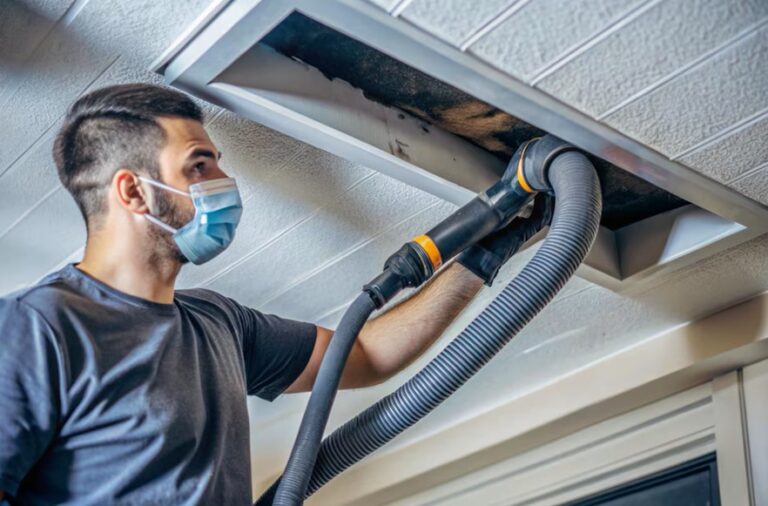
The company’s dedicated Air Duct Cleaning service covers ductwork, vents, returns, and related HVAC components where dust and debris may collect. Before cleaning begins, it makes sense to understand the condition of the system rather than assuming every duct needs the same level of work.
Visible buildup around registers can provide one clue, but the inside of the ductwork may look different from the vent opening. Access points, return ducts, supply branches, and equipment connections should be considered as part of the overall system.
An inspection can also reveal issues that cleaning alone will not solve. Loose connections, damaged duct sections, moisture concerns, or airflow restrictions may require separate attention.
Homeowners should explain what they have noticed: excessive dust near certain vents, unusual odors when the system starts, reduced airflow, or debris after recent remodeling. These observations give the technician a clearer starting point.
Know When Dust Buildup Deserves Attention
A small amount of household dust around a vent does not automatically mean the entire system requires cleaning. Homes naturally collect dust from clothing, furniture, outdoor air, pets, and normal daily activity.
The situation deserves closer attention when visible debris repeatedly returns soon after cleaning, when particles can be seen inside accessible duct openings, or when construction work has introduced significant dust into the home.
Recent remodeling is a common example. Drywall sanding, cutting, flooring work, and demolition can release fine material that moves throughout the property. If HVAC returns were open during the work, some of that dust may have entered the system.
Property owners considering duct cleaning in Walnut Creek, CA should look at the timing of the problem. Dust that suddenly becomes noticeable after renovation may have a different cause from a gradual issue that has developed over several years.
Filters and Duct Cleaning Serve Different Purposes
HVAC filters and duct cleaning are related to air-system maintenance, but they perform different jobs.
A filter captures particles carried through the return side of the HVAC system before air passes through equipment. Duct cleaning addresses material that has already collected within accessible parts of the duct system.
Replacing a dirty filter will not automatically remove debris already sitting inside ducts. At the same time, cleaning ducts without paying attention to filtration may allow new dust to enter the system more quickly.
Homeowners should use a filter type appropriate for their HVAC equipment and follow replacement guidance based on the filter and household conditions. Homes with pets, frequent construction activity, or heavy system use may need more frequent checks.
The filter slot should also be inspected for fit. Air that bypasses a poorly fitted filter can carry particles into the system instead of passing through the filter media.
Airflow Problems May Have More Than One Cause
Weak airflow from a supply register can make homeowners suspect dirty ducts immediately, but several other conditions can produce similar symptoms.
A heavily loaded filter can restrict airflow. Closed dampers, damaged ductwork, disconnected sections, blower problems, or equipment issues can also reduce the amount of conditioned air reaching a room.
This is why diagnosis matters before cleaning. If one room has poor airflow while every other area performs normally, the issue may be isolated to a branch duct or register. If airflow is weak throughout the property, the system itself may require broader evaluation.
Cleaning can remove debris where buildup is contributing to a problem, but it cannot repair a crushed duct, correct equipment sizing, or restore a failed blower component.
Homeowners get more value from service when the actual source of an airflow complaint is identified first.
Returns and Supply Vents Need Different Attention
A forced-air HVAC system typically moves air through return pathways toward the equipment and then sends conditioned air back through supply ducts.
Return grilles can collect visible dust because they continuously draw indoor air toward the system. Furniture, rugs, or stored items should not block these openings because restricted returns can affect normal airflow.
Supply registers distribute heated or cooled air into rooms. Dust around these vents may come from normal household conditions, duct debris, or particles settling on the register itself.
Cleaning the visible grille is useful routine maintenance, but it is not the same as cleaning the duct behind it. Property owners should distinguish between surface dust and deeper accumulation before assuming a full service is needed.
During professional cleaning, access and system layout influence how different sections can be reached and treated.
Watch for Moisture Before Cleaning
Moisture inside or around ductwork deserves investigation because cleaning alone will not correct the source of water.
Condensation, plumbing leaks, roof problems, or HVAC drainage issues can introduce moisture near ducts or equipment. If damp conditions are present, the cause should be identified rather than simply cleaning the affected area and leaving the moisture problem unresolved.
Persistent musty odors, staining near vents, or visible dampness may justify additional evaluation.
Duct insulation and nearby building materials should also be considered where moisture has been present. Wet materials may need a different response from ordinary dry dust.
A clean duct system can become dirty again if the condition that caused contamination remains. Correcting moisture, filtration, or building-envelope concerns where necessary can therefore be just as important as the cleaning itself.
Cleaning After Renovation or Construction
Home improvement projects can create unusually large amounts of dust in a short period. Even careful contractors may generate particles when cutting drywall, sanding joint compound, removing flooring, or performing demolition.
HVAC systems should ideally be protected during dusty work, but property conditions and project schedules do not always make that possible.
After construction, homeowners can inspect registers, return grilles, filter areas, and accessible duct openings. Replacing the HVAC filter may also be appropriate if the system operated during the project.
For homeowners arranging air duct service in Danville, CA, explaining what type of renovation recently occurred can help determine which parts of the system deserve closer attention.
Cleaning after construction should be based on actual contamination rather than performed automatically when the ducts remain reasonably clean.
Keep Registers and Returns Accessible
Furniture placement can affect HVAC performance more than homeowners sometimes realize. Large sofas, cabinets, curtains, rugs, or stored belongings can partially block supply or return openings.
Before assuming a room has a duct problem, confirm that registers are fully open and unobstructed.
Accessible vents are also easier to inspect and clean. Dust can be removed from grille surfaces during normal household cleaning, helping prevent heavy buildup directly at the opening.
Commercial properties should follow the same basic principle. Shelving, displays, office equipment, or storage should not gradually cover important HVAC openings.
Maintaining clear airflow pathways supports normal system operation and makes it easier to notice when one register begins behaving differently from the others.
Think of Duct Cleaning as One Part of HVAC Care
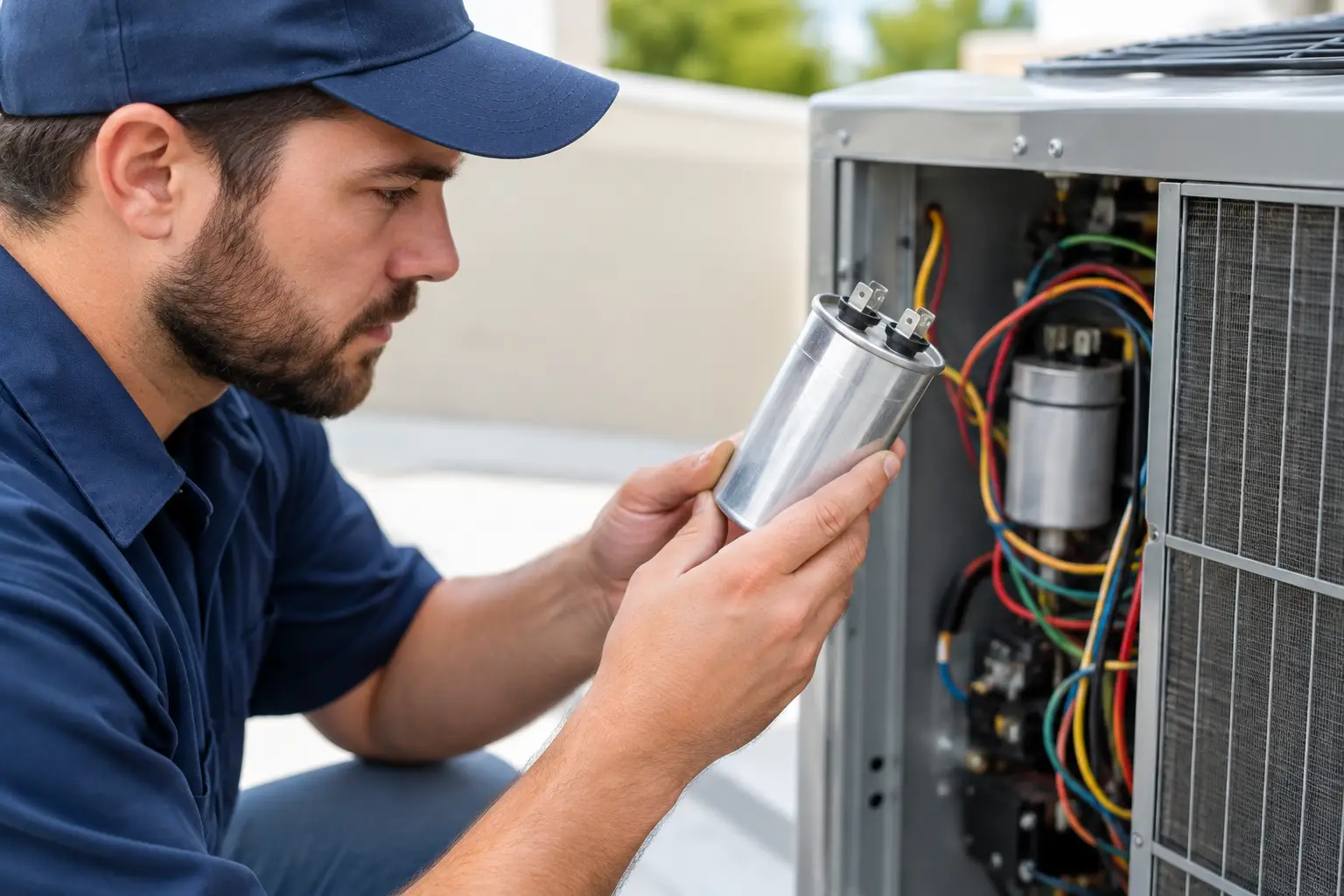
Ductwork operates as part of a larger heating and cooling system. Cleaning ducts while ignoring equipment condition, filters, thermostat settings, or maintenance needs provides an incomplete view of comfort problems.
Heating and Air Experts also works with heating, cooling, and thermostat services, so property owners experiencing several symptoms can describe the complete problem rather than requesting one service based on a guess.
For example, poor airflow combined with unusual equipment noise may justify an HVAC inspection in addition to checking the ducts. Repeated dust combined with a poorly fitting filter may point toward filtration changes.
Routine HVAC maintenance can also help identify equipment or airflow concerns before they become more disruptive.
The best approach is to treat the duct network, equipment, and controls as connected parts of the same comfort system.
Avoid Assuming Ducts Need Cleaning on a Fixed Schedule
There is no single cleaning interval that fits every property.
A home with several pets, recent construction, or significant visible contamination may need attention sooner than a lightly used property with good filtration and clean ductwork. Commercial buildings also vary considerably depending on occupancy, operating hours, activities, and HVAC design.
Instead of cleaning strictly because a certain number of years has passed, inspect visible areas and consider actual conditions.
If vents remain clean, airflow is normal, filtration is maintained, and there are no signs of unusual contamination, property owners may not need immediate duct cleaning.
Condition-based decisions help keep maintenance focused on real needs rather than unnecessary service.
Conclusion
Air Duct Cleaning can be useful when dust, construction debris, or other material has accumulated inside accessible parts of an HVAC duct system. The strongest approach begins with inspection and considers filtration, airflow, moisture, equipment condition, and the source of the buildup before cleaning begins.
In Walnut Creek, homeowners dealing with recurring vent dust or post-renovation debris can benefit from determining whether contamination extends beyond the visible registers. In Danville, the same process can help property owners separate true duct-cleaning needs from filter, equipment, or airflow problems.
Heating and Air Experts provides duct cleaning alongside broader HVAC services. Keeping filters maintained, leaving vents unobstructed, addressing moisture problems, and evaluating the system when symptoms change can help property owners make better decisions about when professional duct cleaning is appropriate.
Frequently Asked Questions
How do I know if my air ducts need cleaning?
Visible debris inside accessible ducts, heavy buildup around registers, contamination after remodeling, or recurring dust concerns may justify inspection. The condition of the actual ductwork should guide the decision.
Will Air Duct Cleaning fix weak airflow?
Only if debris is contributing to the restriction. Weak airflow can also result from dirty filters, closed dampers, damaged ducts, blower problems, or other HVAC issues that require separate diagnosis.
Should ducts be cleaned after home remodeling?
Not automatically, but inspection can be useful if the HVAC system operated during dusty construction. Drywall sanding, demolition, cutting, and flooring work can introduce debris into returns and duct openings.
Can changing my HVAC filter replace duct cleaning?
No. Filters capture particles moving through the system, while duct cleaning removes material already accumulated in accessible ductwork. Both serve different maintenance purposes.
How often should Air Duct Cleaning be scheduled?
The need varies by property. Visible duct condition, pets, renovations, filtration, moisture, occupancy, and system use are more useful indicators than following one fixed schedule for every home.
What should I do before a duct-cleaning appointment?
Make supply registers, return grilles, HVAC equipment, and known access areas easy to reach. Also describe any airflow problems, odors, recent remodeling, or rooms where dust seems unusually noticeable.