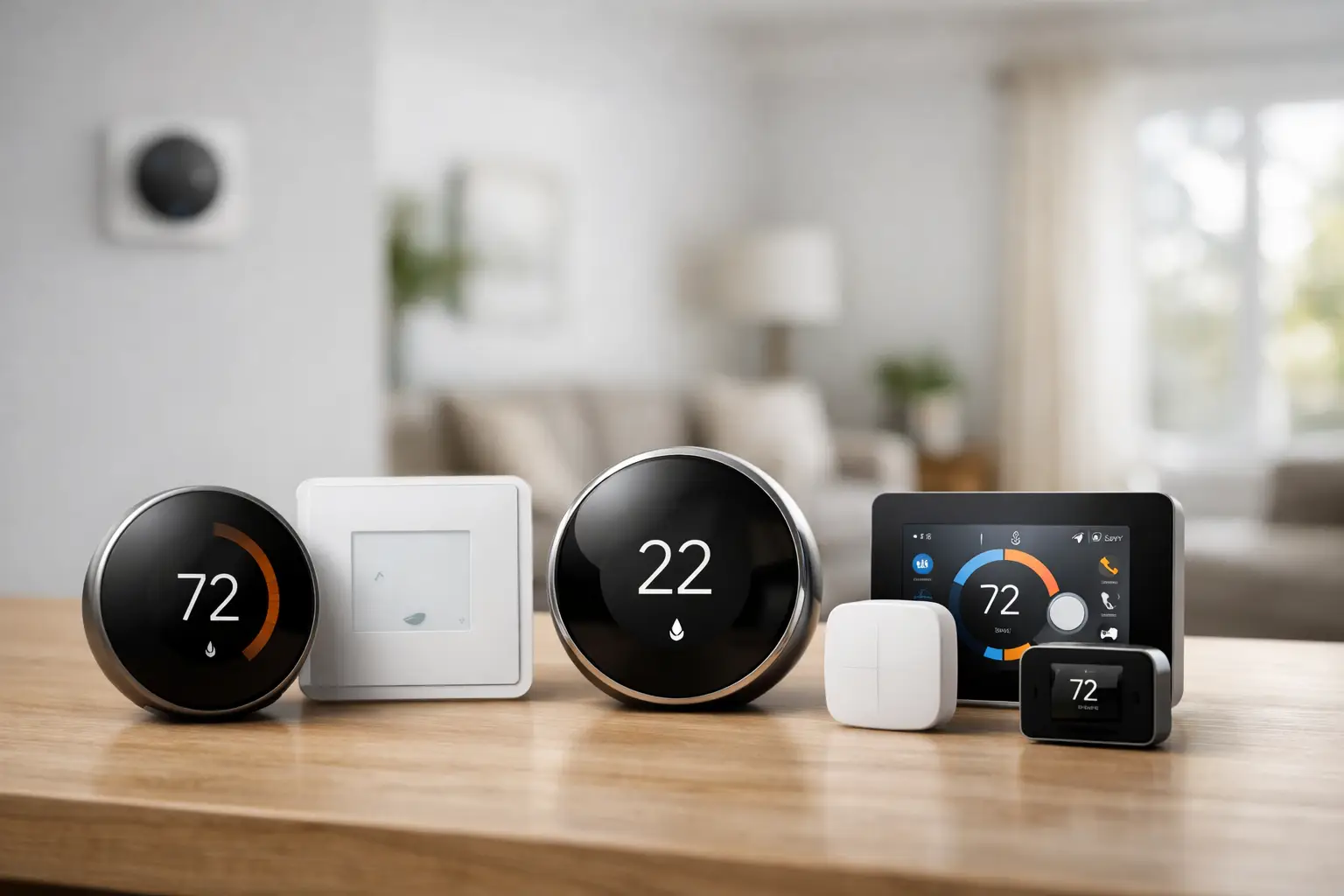
If your house has hot and cold spots, energy bills that keep creeping up, or a thermostat that feels harder to use than it should, upgrading can make a real difference. The best smart thermostats for homeowners do more than change the temperature from your phone. They help your HVAC system run more efficiently, keep comfort more consistent, and give you better control over how your home feels day to day.
That said, the right thermostat depends on your system, your wiring, and how you actually use heating and cooling. A model that works well in one Bay Area home may not be the best fit in another, especially if you have a heat pump, multi-stage equipment, or an older setup with limited wiring.
What homeowners should look for first
Before comparing brands and features, start with compatibility. This is where many homeowners run into trouble. A thermostat can have excellent reviews and still be the wrong choice for your HVAC equipment.
Your thermostat needs to match the type of system installed in your home. That may include a single-stage furnace and AC, a heat pump, dual fuel equipment, multi-stage heating and cooling, or a zoned setup. Some smart thermostats also require a C-wire for steady power. If your current thermostat wiring is limited, installation may need an adapter or some rewiring.
The second thing to look at is how much control you want. Some homeowners want a clean interface, easy scheduling, and app access. Others want room sensors, learning features, energy reports, voice assistant support, humidity control, or geofencing that adjusts settings when people leave and return. More features can be useful, but they are not always necessary.
Best smart thermostats for homeowners by type
Ecobee Smart Thermostat Premium
For many homeowners, this is one of the most balanced choices on the market. It offers strong compatibility with common HVAC systems, remote sensors for temperature balancing, and smart features that are actually practical in everyday use.
The remote sensors are especially helpful in homes where one room stays warm while another feels cold. Instead of relying on the hallway thermostat alone, the system can average temperatures or prioritize occupied areas. That can improve comfort without constant manual adjustments.
It is also a good option for homeowners who want detailed control. The trade-off is that it may feel like more thermostat than some people need. If you prefer something very simple, you may end up paying for features you rarely use.
Google Nest Learning Thermostat
The Nest Learning Thermostat remains popular for homeowners who want strong design and automated scheduling. It learns patterns over time and can reduce the amount of manual programming needed.
For busy households, that convenience is appealing. The app is easy to use, and the thermostat itself has a clean, modern look that many people prefer over more traditional touchscreens.
Still, Nest is not the best match for every HVAC setup. Some advanced systems or accessory configurations may need closer review before installation. Homeowners who want more direct manual control sometimes prefer another brand. Learning features can be helpful, but not everyone wants the thermostat making schedule decisions based on behavior.
Honeywell Home T9
The Honeywell Home T9 is a strong choice if you want room sensors and reliable scheduling without stepping into the highest price tier. It has broad appeal because it feels practical, familiar, and homeowner-friendly.
Its sensor support makes it useful in larger homes or homes with uneven temperatures. You can focus comfort where it matters most at different times of day, such as bedrooms at night and living areas in the afternoon.
This model tends to fit homeowners who want smart upgrades but still like a more straightforward experience. It may not have the same premium feel as some higher-end options, but it covers the basics well and handles common comfort issues effectively.
Honeywell Home T5 Smart Thermostat
If budget matters, the T5 is often worth a look. It includes app control, scheduling, and geofencing in a more affordable package than many premium models.
This can be a good fit for smaller homes, rental properties, or homeowners who simply want remote access and better scheduling without paying extra for advanced sensors or deeper automation. It does the core job well.
The trade-off is that you give up some of the premium features found in higher-end models. If you are trying to solve comfort imbalances across several rooms, a more advanced thermostat may be a better investment.
Emerson Sensi Touch 2
The Sensi line is often appreciated for simple operation and dependable app controls. For homeowners who want smart functionality without a steep learning curve, it is one of the easier options to live with.
The touchscreen is clear, setup is usually straightforward, and the overall design focuses on usability. It is a practical thermostat for people who want to set schedules, make changes remotely, and avoid a complicated interface.
Where it may fall short is in advanced comfort management. If your home has persistent hot and cold spots or a more complex HVAC system, you may want a thermostat with stronger sensor integration and broader system customization.
Amazon Smart Thermostat
This is one of the lower-cost entry points into smart thermostat ownership. For homeowners already using Alexa devices, it can feel like a natural extension of the smart home setup they already have.
Its biggest advantage is price. If your goal is basic smart control and energy-conscious scheduling, it can cover the essentials. For straightforward systems, that may be enough.
But lower cost usually means fewer advanced features, less premium hardware, and more limited flexibility. It is best viewed as a basic smart thermostat rather than a high-performance comfort control upgrade.
Ecobee3 Lite
The Ecobee3 Lite is a good middle-ground option. It gives homeowners access to the Ecobee app experience and core smart controls at a lower price than the Premium model.
For homes that do not need all the advanced extras, this can be the better value. You still get scheduling, remote access, and solid system management without paying for every top-tier feature.
It is important to compare the total package, though. Sometimes the price difference between a midrange and premium model is small enough that the added features are worth it, especially if your comfort issues are more than just scheduling.
Features that matter most in real homes
Energy savings gets the most attention, but comfort and system control usually matter just as much. A smart thermostat should help your home feel more consistent while reducing unnecessary runtime.
Room sensors can make a major difference in multi-level homes or homes with sun-heavy rooms. Geofencing can help households with variable schedules. Detailed scheduling works better for families with predictable routines. Humidity monitoring may also matter in homes where indoor comfort feels off even when the temperature setting looks right.
Homeowners should also think about serviceability. A thermostat is not a stand-alone gadget. It is part of your heating and cooling system. If settings are not configured correctly for the equipment, performance can suffer. Short cycling, uneven temperatures, or poor heat pump operation are not always thermostat brand problems. Sometimes they point to installation or setup issues.
Installation matters more than many people expect
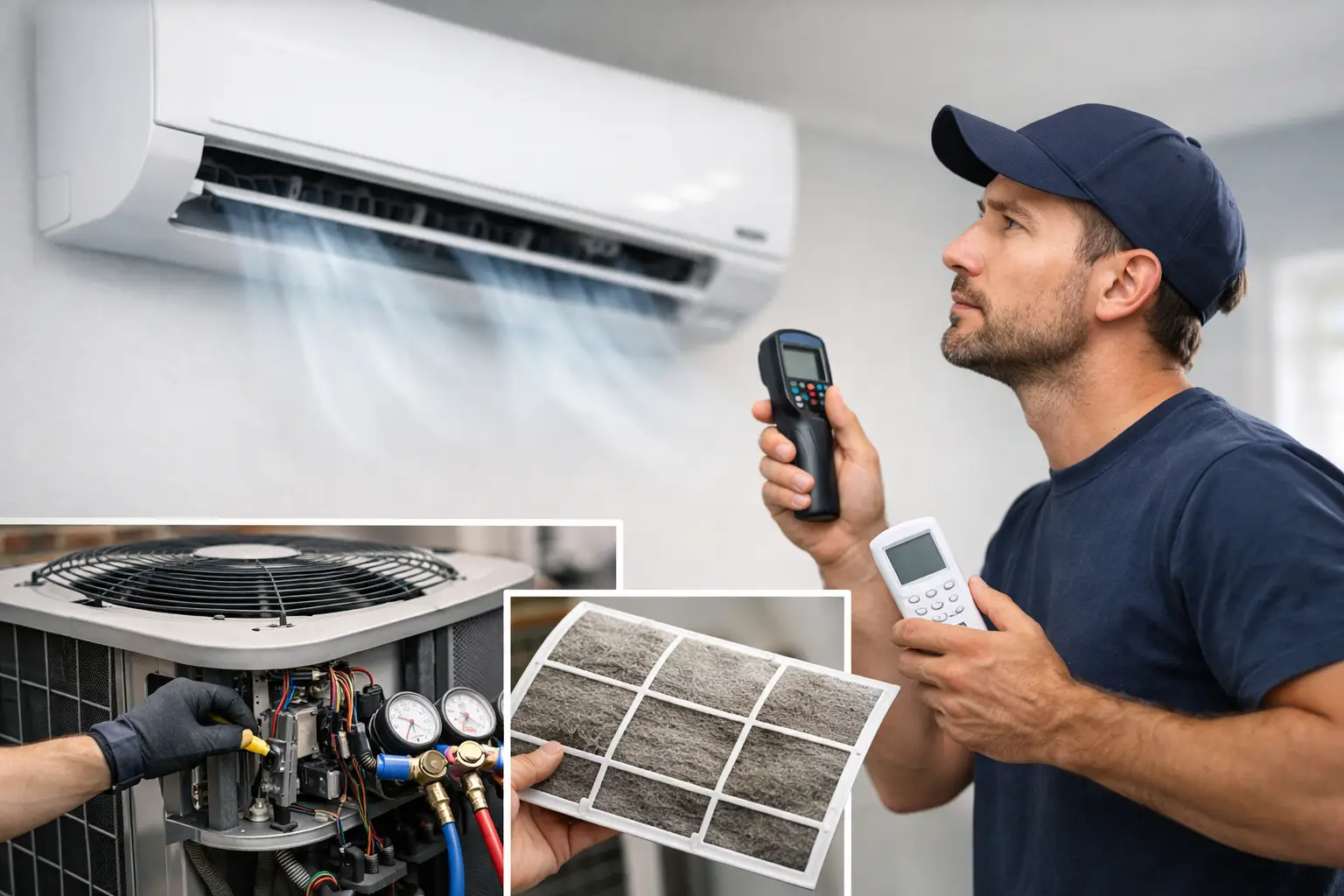
A thermostat replacement can look simple on paper, but proper installation is where long-term performance is decided. Wiring has to be correct, the equipment type has to be programmed correctly, and any accessories like humidifiers, dehumidifiers, or zoning controls need to be considered.
This is especially true in older homes and in homes with upgraded HVAC equipment. A thermostat that is technically compatible may still need professional setup to work the way it should. That is one reason many homeowners choose to have smart thermostats installed by an HVAC professional instead of treating it like a simple DIY device swap.
For Bay Area homeowners, local climate patterns also matter. You may not use your system the same way someone in a harsher heating climate would. The best setup for your household should reflect your equipment, comfort priorities, and daily routines, not just a product’s popularity online.
How to choose the best smart thermostat for your home
If you want the most complete comfort control, Ecobee Smart Thermostat Premium is one of the strongest choices. If you prefer automated learning and sleek design, Nest may be the better fit. If you want practical features at a more moderate price, Honeywell T9 or Sensi Touch 2 are solid options. If cost is the main concern, the Honeywell T5 or Amazon Smart Thermostat may be enough.
The best choice comes down to your HVAC system and what problem you are trying to solve. Some homeowners want lower bills. Others want better temperature balance, easier scheduling, or app control when they are away. A good recommendation should start with your equipment, not just the thermostat box.
If you are unsure, having a qualified HVAC technician confirm compatibility can save time, prevent wiring issues, and help you get the full benefit of the upgrade. Heating and Air Experts often sees homeowners choose a thermostat based on features alone, only to find out later that proper setup was the real key to comfort. The right thermostat is the one that works with your system, your home, and the way you live.