A furnace that quits on a cold Bay Area morning or an air conditioner that cannot keep up during a heat wave puts you under pressure to make a fast decision. That is exactly when the best HVAC questions to ask can protect your comfort, budget, and property. A qualified contractor should welcome clear questions, explain the issue in plain language, and give you room to choose the right solution.
Whether you manage a commercial building, own a rental property, or are responsible for your family home, the goal is not to become an HVAC expert overnight. It is to understand what is wrong, what your options are, and what you can reasonably expect after the work is complete.
Best HVAC Questions to Ask Before You Approve Work
What is causing the problem, and how did you confirm it?
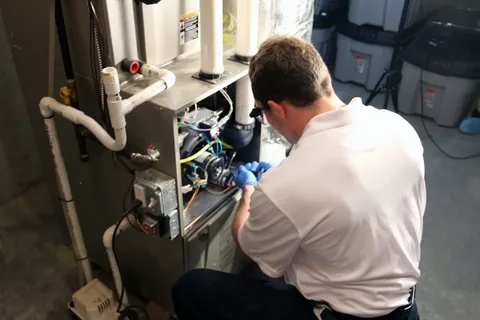
Start with the diagnosis. A reliable technician should be able to explain what they found, what symptoms led them there, and whether they tested the system to rule out other causes. For example, weak airflow may come from a failing blower motor, a clogged filter, leaky ductwork, a thermostat setting, or a system that is not properly sized.
Ask the technician to show you the affected part or explain the readings they took when practical. You do not need a technical lecture, but you should leave the conversation knowing the difference between the symptom and the root cause. Replacing a part without addressing the underlying issue can lead to another service call sooner than expected.
Is repair the sensible choice, or should I consider replacement?
This question is especially valuable for older furnaces, air conditioners, heat pumps, and rooftop units. Repair is often the right answer when the equipment is relatively new, the issue is isolated, and the repair restores dependable operation. Replacement may make more sense when breakdowns are recurring, a major component has failed, efficiency is poor, or the equipment is nearing the end of its expected service life.
Ask for an honest comparison of both paths. What will the repair cost now? Is another significant repair likely soon? How much efficiency improvement could a newer system provide? A trustworthy contractor will not push replacement simply because it is a larger job. They will help you weigh immediate cost against reliability, operating expenses, and the needs of your property.
What does the written price include?
Upfront pricing should be specific. Ask whether the estimate includes labor, parts, diagnostic work, permits when required, equipment delivery, removal of old equipment, testing, and cleanup. If a repair could uncover additional issues once work begins, ask how that would be handled and who must approve any added cost.
For a replacement, clarify whether the quote includes duct modifications, electrical work, a new thermostat, drain-line work, or other items that may be needed for a proper installation. Two estimates can look very different because one includes necessary work that the other leaves out. The lowest number is not always the lowest total cost.
Are your technicians licensed, insured, and trained for this work?
Your heating and cooling system involves electricity, gas, combustion, refrigerant, and ventilation. Those are not areas for guesswork. Ask whether the company is properly licensed and insured and whether the technician has experience with your system type and brand.
For commercial properties, also ask whether the contractor can coordinate access requirements, tenant communication, rooftop safety, and scheduling around business operations. A technically correct repair still creates disruption if it is not planned carefully.
What warranty applies to the repair or installation?
There are usually two types of protection to understand: the manufacturer warranty on equipment or parts and the workmanship warranty on the labor and installation. Ask how long each warranty lasts, what it covers, and what could affect eligibility.
For new equipment, confirm whether product registration is needed. For repairs, ask whether the replaced part and related labor are covered if the same issue returns. A clear answer shows that the contractor stands behind the work rather than treating the invoice as the end of the relationship.
Will this fix improve efficiency, or only restore operation?
A system can be running without running efficiently. Ask whether the recommended repair will address high energy use, uneven temperatures, short cycling, excessive humidity, or poor airflow. If not, ask what additional steps would make the greatest difference.
The answer may involve maintenance, duct sealing, thermostat upgrades, filtration changes, insulation improvements, or system replacement. It depends on the condition of the equipment and the building. A newer thermostat will not solve a badly undersized air conditioner, and a high-efficiency unit cannot perform as intended if the ductwork is restricted or leaking.
Is my system the right size for the building?
For replacement projects, this is one of the most important questions you can ask. Bigger is not automatically better. An oversized air conditioner may cool quickly but fail to remove enough humidity, cycle on and off too often, and wear components prematurely. An undersized system may run for long periods and still leave rooms uncomfortable.
A qualified recommendation should consider the home or building layout, square footage, insulation, window exposure, occupancy, duct condition, and local climate. If your comfort has always been uneven, this is the time to ask whether the existing equipment size or duct design contributed to the problem.
Questions About Air Quality and Airflow
Comfort is not just about the number on the thermostat. Dusty rooms, allergy symptoms, stale odors, hot or cold spots, and weak airflow all deserve attention. Ask whether your concern is likely tied to the HVAC equipment, ductwork, filtration, ventilation, or a separate indoor air quality issue.
You can also ask which filter type is appropriate for your system. Higher-rated filters can capture smaller particles, but some can restrict airflow when the system is not designed for them. The right recommendation balances filtration needs with equipment performance.
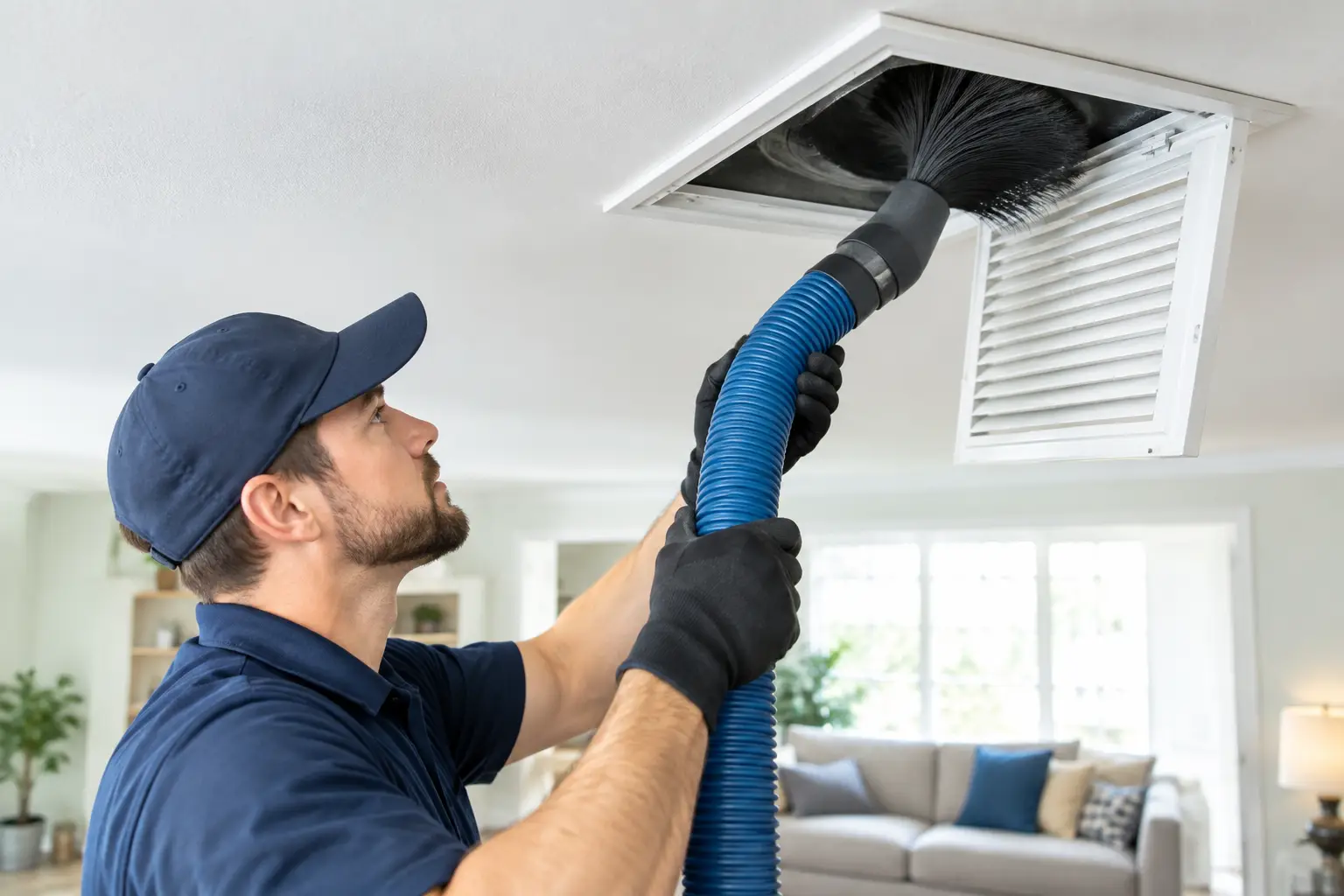
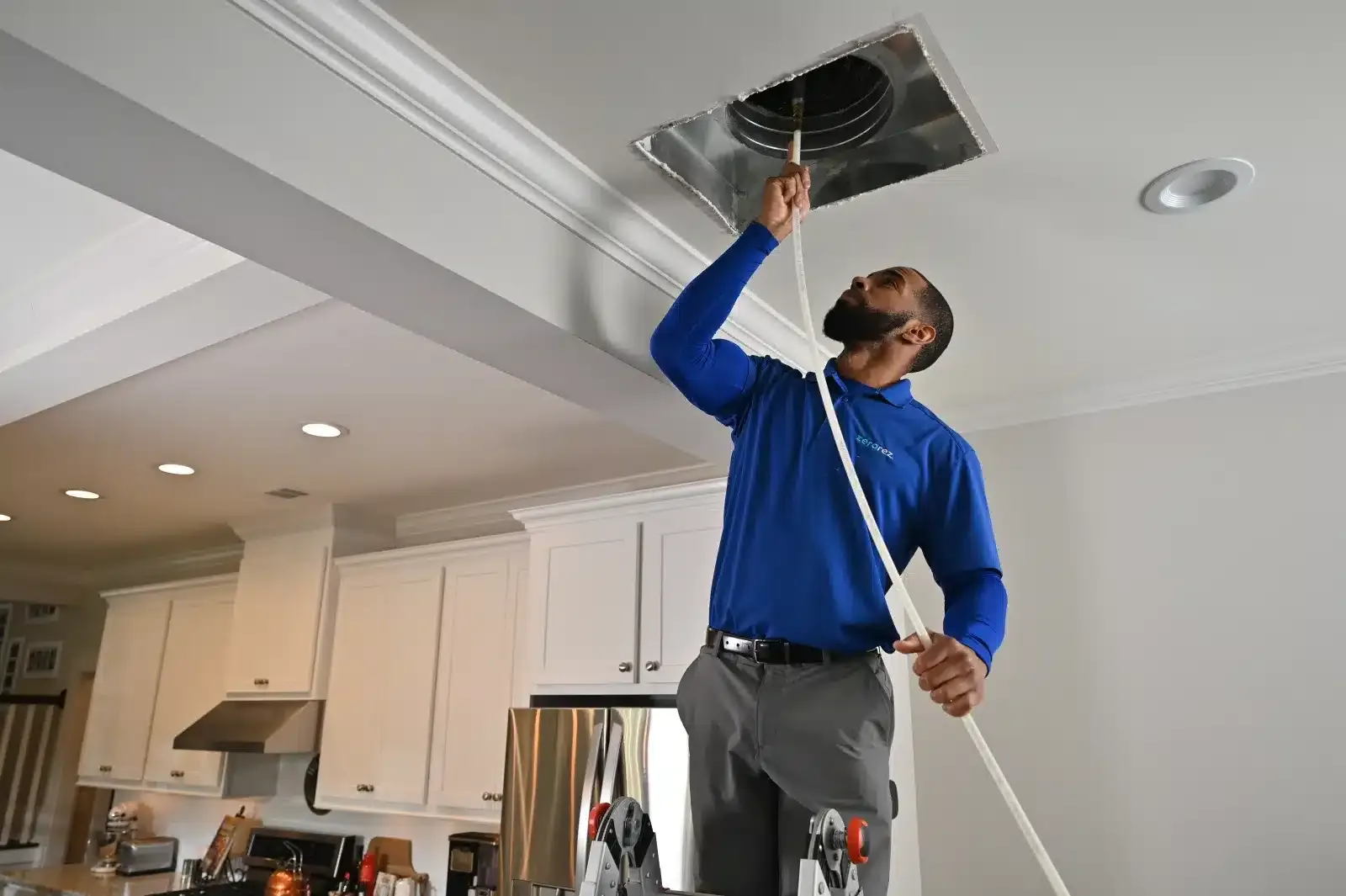
If duct cleaning is suggested, ask why it is needed and what the service includes. In some cases, visible buildup, post-construction debris, pest contamination, or airflow concerns make duct service worthwhile. In others, a filter change, duct repair, or maintenance visit may be the more direct solution.
Questions to Ask About Timing and Maintenance
Ask how soon the work can be completed and whether a temporary measure can keep the property safe and reasonably comfortable. Emergency situations sometimes require a quick repair first, followed by a more complete solution later. That can be practical, provided you understand the short-term and long-term costs.
Before the visit ends, ask what maintenance your system needs next and when. Regular service helps identify worn parts, dirty coils, drainage issues, combustion concerns, and electrical problems before they become an inconvenient breakdown. For landlords and business owners, planned maintenance can also make budgeting and tenant communication much easier.
A good contractor should leave you with simple next steps: when to change filters, what warning signs to watch for, and when to schedule the next inspection. Heating and Air Experts believes homeowners and property managers deserve that kind of clear guidance, along with dependable workmanship and straightforward answers.
When you need HVAC service, do not feel pressured to decide based on a vague diagnosis or a rushed quote. Ask the questions that matter, keep the written details, and choose the team that treats your comfort and investment with care. The right conversation today can prevent a bigger disruption tomorrow.