A filter change can make a noticeable difference when allergy symptoms get worse indoors. The best HVAC filters for allergies capture more of the particles that circulate through your heating and cooling system – but only when the filter is properly matched to your equipment, home, and airflow needs.
For Bay Area households, that balance matters. Seasonal pollen, dust, pet dander, wildfire smoke, and outdoor pollution can all find their way inside. A stronger filter may help reduce what recirculates, but installing the highest-rated filter available is not always the right answer. If it restricts airflow too much, it can strain your HVAC system, reduce comfort, and lead to avoidable repair needs.
What Makes an HVAC Filter Good for Allergies?
A central HVAC filter does not remove every allergen from the air, and it is not a replacement for medication or medical advice. Its job is to trap airborne particles before they pass through the equipment and return to your living or working space.
For allergy concerns, the filter should capture common triggers such as pollen, mold spores, pet dander, dust-mite debris, and fine household dust. The measure that helps compare filters is the MERV rating, short for Minimum Efficiency Reporting Value. In general, a higher MERV rating means the filter captures smaller particles more effectively.
That does not mean every system should use the highest MERV filter. Your blower, ductwork, return-air setup, and filter cabinet all affect how much resistance the system can handle. A filter that is too dense can create a pressure drop, making it harder for the system to move conditioned air. You may notice weak airflow, longer run times, uneven temperatures, or a system that overheats or freezes.
Best HVAC Filters for Allergies by MERV Rating
For many homes, the practical choice falls between MERV 11 and MERV 13. These filters offer meaningful particle capture without automatically creating the airflow problems associated with very high-efficiency options. The correct choice still depends on the system.
MERV 8: A Basic Upgrade for Light Allergy Concerns
MERV 8 filters are common in residential systems and provide better protection than thin, low-cost fiberglass filters. They can capture larger dust, lint, pollen, and some mold spores. For a home with mild seasonal allergies and no pets, a quality MERV 8 filter may be a reasonable starting point.
However, MERV 8 is less effective for smaller particles and fine dander. If someone in the home has persistent allergies, asthma, several pets, or sensitivity to smoke, a higher rating is often worth considering if the HVAC system supports it.
MERV 11: The Strong All-Around Choice
MERV 11 filters are often an excellent middle ground for homeowners who want better allergy control without taking unnecessary risks with airflow. They capture a broader range of pollen, pet dander, mold spores, and finer dust than MERV 8 filters.
For many standard forced-air systems, MERV 11 provides a sensible combination of filtration performance, equipment protection, and availability. It is also a practical choice for rental homes and commercial spaces where reliable airflow is just as important as cleaner indoor air.
MERV 13: Better Filtration When Your System Allows It
MERV 13 filters capture finer particles than MERV 11 filters, including a higher percentage of smoke-related particles and smaller airborne contaminants. This can be especially valuable during wildfire season or for households with significant allergy and respiratory concerns.
The trade-off is resistance. Some systems handle a MERV 13 filter with no issue, particularly when the filter has a larger surface area, such as a 4-inch or 5-inch media filter. Other systems may struggle, especially if they use a restrictive 1-inch filter or already have undersized return ducts.
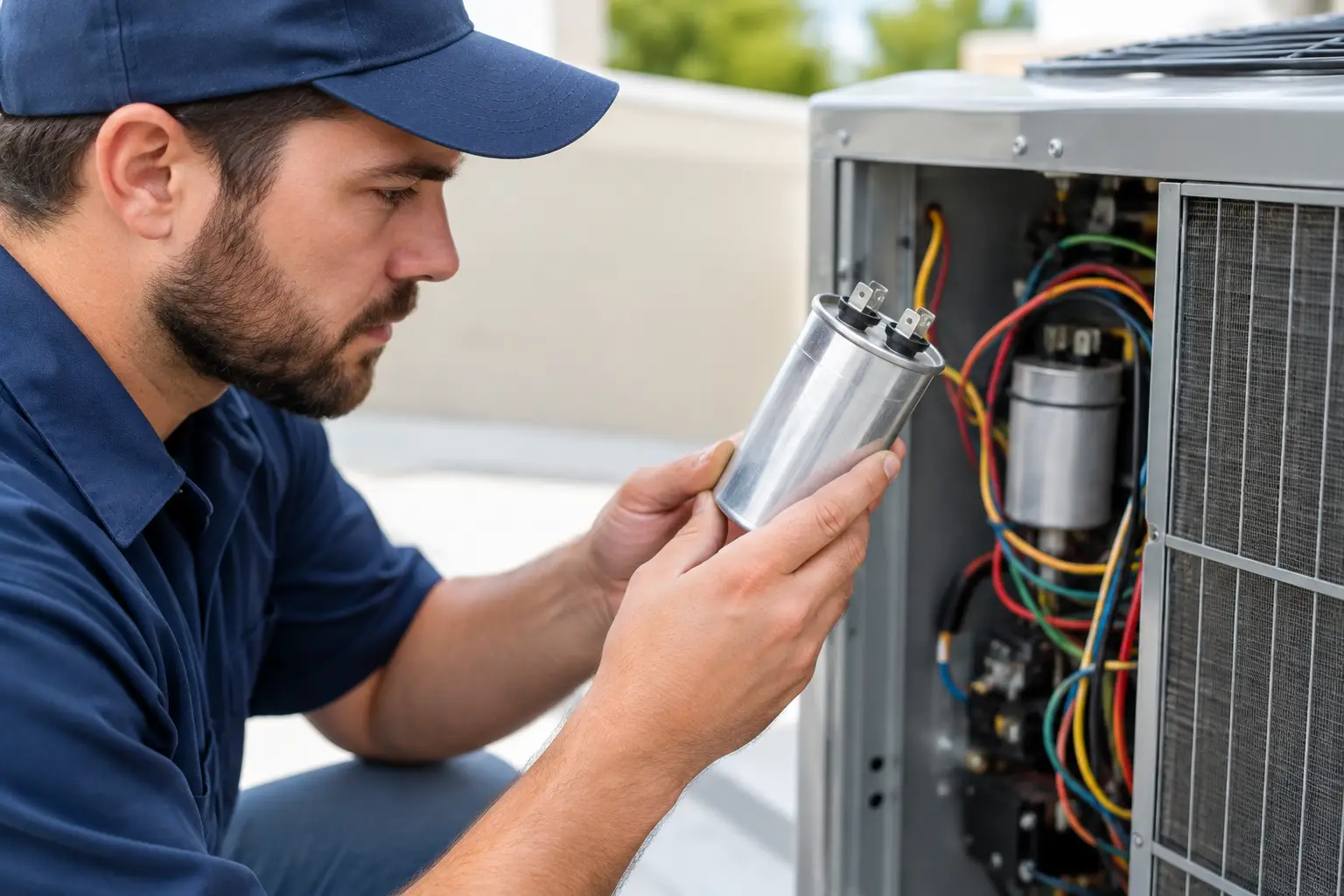
Before upgrading to MERV 13, have a qualified technician check static pressure and confirm that the system can move enough air. A good filter should support cleaner air without compromising the health of the equipment.
MERV 14 and Above: Use Only With Professional Guidance
Filters rated MERV 14 and above can offer higher particle capture, but they are not a default residential upgrade. In many conventional systems, these filters can be too restrictive unless the equipment and duct design were specifically built for them.
HEPA filters are even more efficient, but most standard residential HVAC systems cannot use a true HEPA filter without a dedicated filtration setup. Trying to force a HEPA-grade filter into a typical filter slot can hurt performance rather than improve indoor air quality. If HEPA-level filtration is needed, an HVAC professional can recommend compatible whole-home equipment or room-specific air cleaning options.
Filter Thickness Matters as Much as the Rating
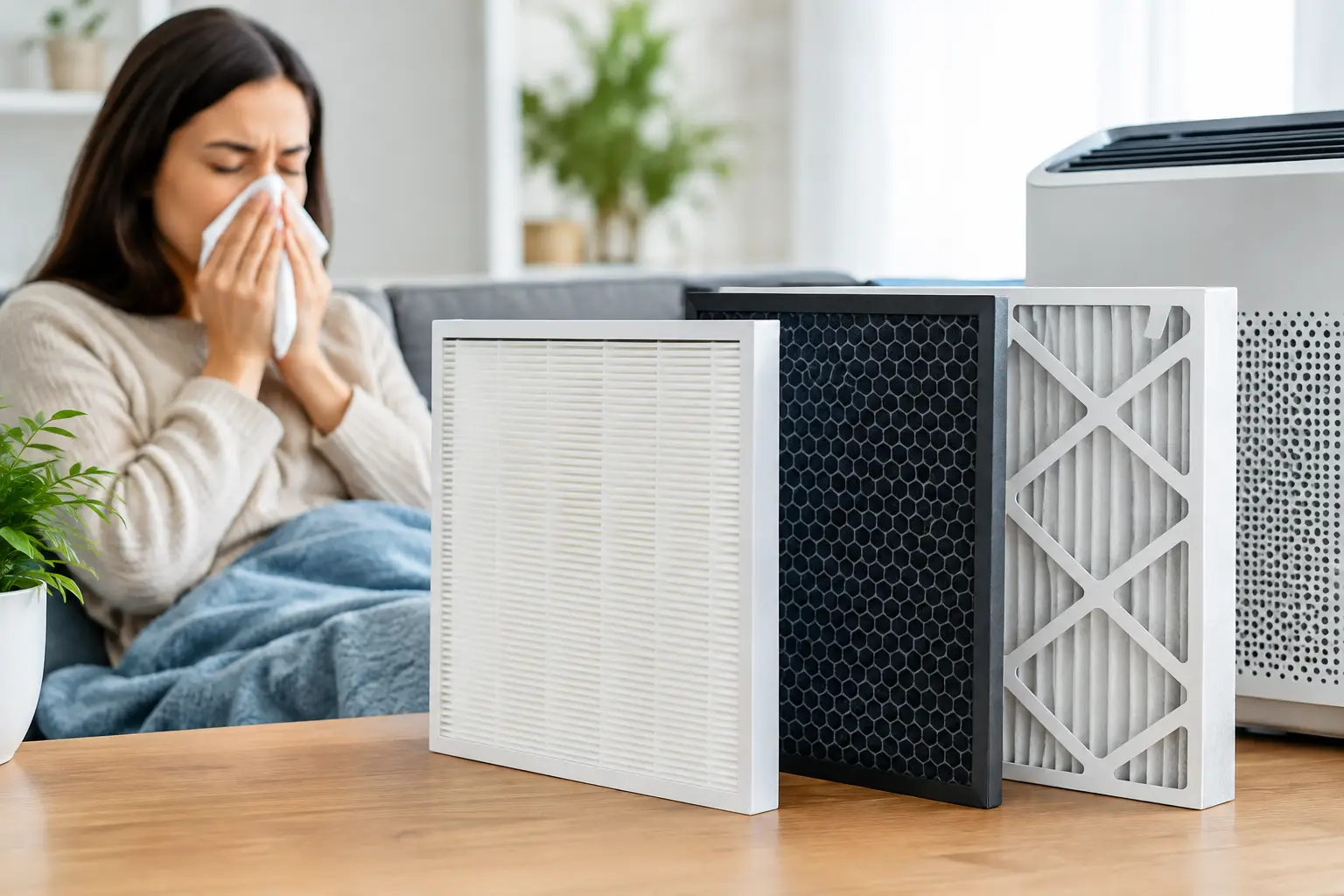
Two filters can have the same MERV rating but perform very differently depending on their thickness and construction. A 4-inch media filter generally has more surface area than a 1-inch filter. That larger surface area can allow effective filtration with less airflow resistance and a longer service life.
If your system uses a 1-inch filter, do not assume you can replace it with a thicker filter without checking the cabinet dimensions and design. The right upgrade may involve installing a properly sized media filter cabinet rather than simply choosing a denser filter at the hardware store.
Pleated filters are usually the better choice for allergy control because the folds increase the available filtering surface. Avoid relying on inexpensive fiberglass filters when indoor allergens are a concern. They mainly protect the equipment from large debris and do little to improve the air you breathe.
Choose the Right Filter for Your Home or Building
The best choice depends on who uses the space and what enters the indoor air. A single-family home with one resident and no pets has different needs than a busy household with dogs, carpeting, and frequent open windows. Property managers and business owners also need to consider occupancy, maintenance access, and the cost of frequent filter changes.
A MERV 11 filter is a reliable starting point for many allergy-prone households. Consider MERV 13 when the system is designed for it, especially where smoke, heavy outdoor pollution, or strong allergy symptoms are a recurring problem. If airflow has always been weak, rooms heat and cool unevenly, or the system has a history of freezing or overheating, do not increase filter efficiency without an inspection.
Also check the filter size printed on the frame. Even a high-quality filter cannot do its job when it fits loosely, is installed backward, or allows air to bypass around the edges. The airflow arrow should point toward the furnace or air handler.
Replace Filters Before They Become Part of the Problem
A dirty filter does not filter better. As debris builds up, airflow becomes restricted and the HVAC system works harder to circulate air. That can increase energy use, reduce comfort, and contribute to equipment wear.
Most 1-inch filters should be checked monthly and often replaced every one to three months. Homes with pets, smokers, high occupancy, construction dust, or peak allergy conditions may need more frequent changes. Thicker media filters can often last longer, commonly six to 12 months, but they should still be checked on schedule.
Do not judge a filter only by how dirty it looks. Fine particles may be trapped deep in the media, and the filter may have reached the end of its useful life before it appears heavily soiled. Mark the installation date on the frame or set a calendar reminder so the task does not get overlooked.
Filtration Works Best Alongside Whole-Home Air Care
A better filter is one part of an indoor air quality plan. If allergy symptoms continue, the source of the problem may be elsewhere. Dusty or leaking ducts, moisture issues that support mold growth, dirty coils, poor ventilation, and gaps around doors or windows can all affect what circulates indoors.
During periods of poor outdoor air quality, keep windows closed when practical and set the thermostat fan to run only if the filter and system are appropriate for continuous operation. Portable air cleaners can also help in bedrooms and other high-use rooms, particularly for people with serious allergy or asthma concerns.
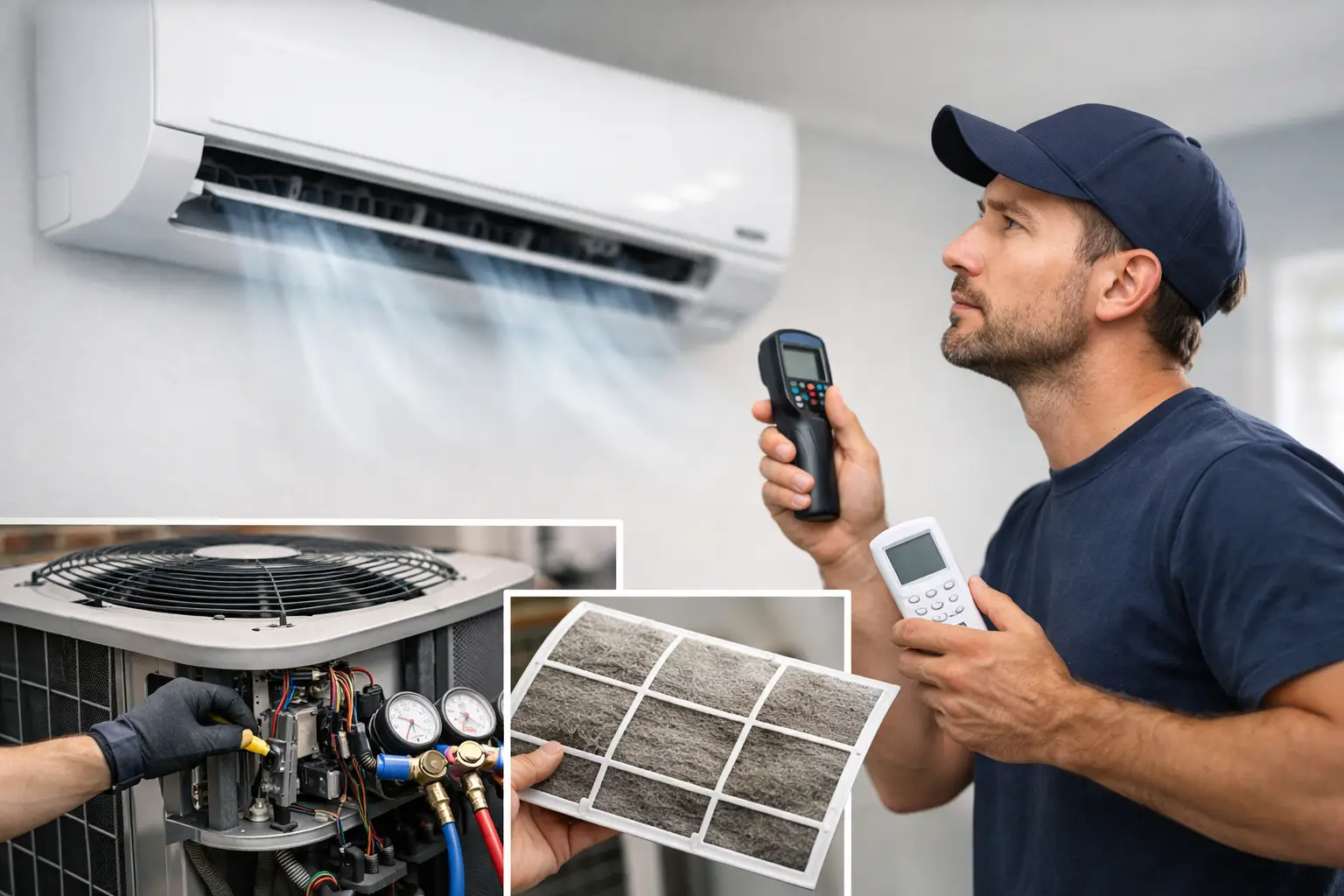
Professional maintenance is valuable because it checks the system beyond the filter. A technician can inspect airflow, blower performance, duct conditions, drainage, and filtration options while identifying issues that may be affecting comfort or indoor air quality.
When you are ready to improve filtration, Heating and Air Experts can help confirm what your system can safely support and provide honest guidance on upgrades that make sense for your property. Cleaner air starts with a filter that fits both your allergy needs and the HVAC system working hard to keep you comfortable.