Dust around a vent does not always mean the entire HVAC system is dirty. However, repeated dust buildup, debris inside registers, stale odors, or contamination after renovation can justify a closer look. Certified Air Duct Cleaning Services focus on removing accumulated material from accessible supply and return ductwork instead of treating ordinary household dust as an automatic emergency.
A useful duct-cleaning visit should begin with inspection. Technicians need to determine where debris has collected, whether airflow problems have another cause, and which HVAC components actually need attention. Professional HVAC duct cleaning can then target contaminated sections with suitable vacuum and agitation equipment.
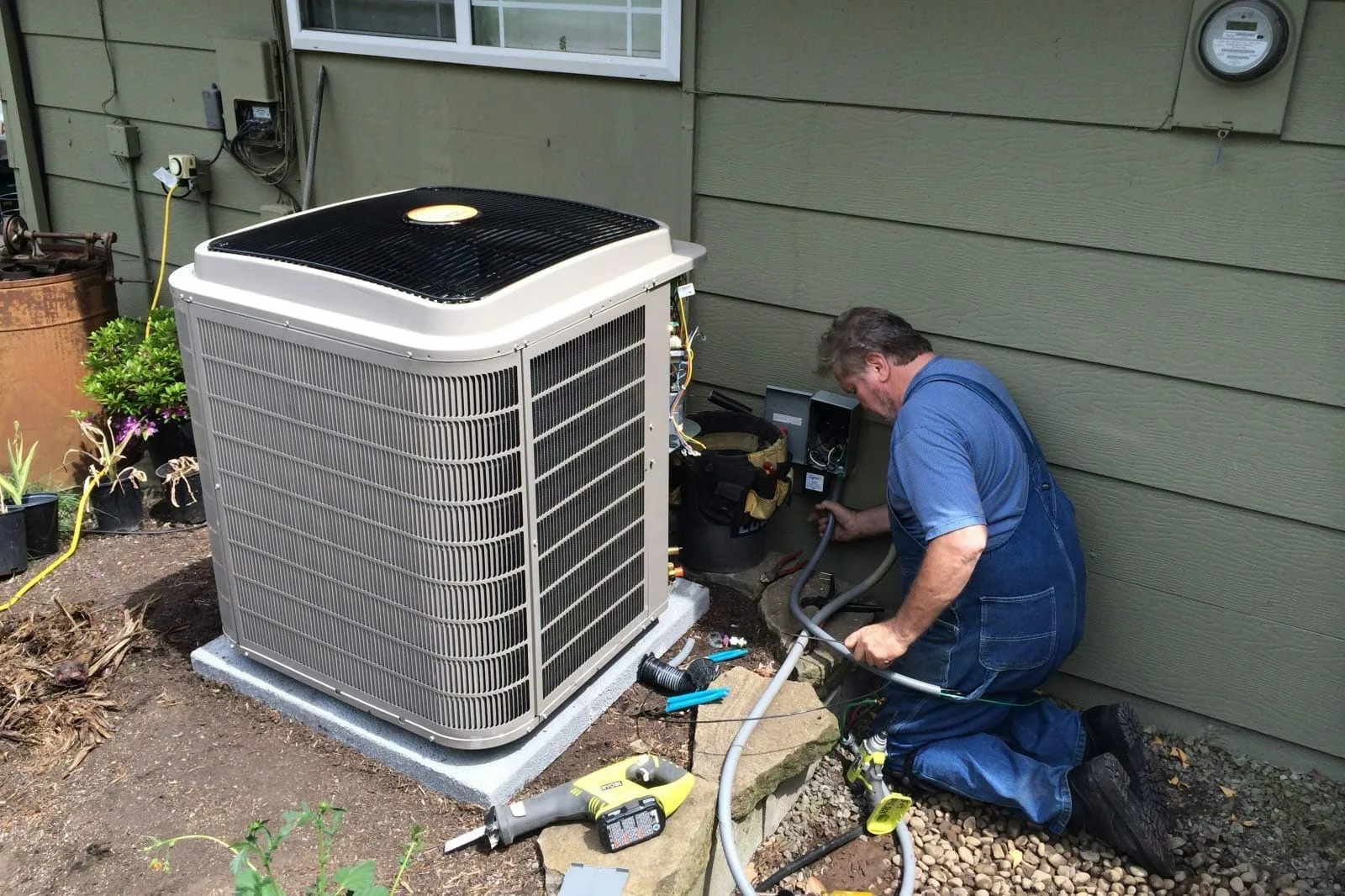
Heating and Air Experts provides heating, cooling, thermostat, and air duct services for homes and businesses throughout its California service area. Depending on the property, homeowners may need residential air duct cleaning, while offices and other facilities may require commercial duct cleaning services.
The goal should be practical rather than exaggerated. A thorough ductwork cleaning service can remove accumulated dust and debris, while broader indoor air quality improvement may also require filter changes, moisture control, ventilation checks, or HVAC maintenance.
Know When Duct Cleaning Is Actually Worth Considering
Air ducts do not need aggressive cleaning simply because a thin layer of normal household dust exists near a register. The stronger reasons for service usually involve visible debris, contamination, unusual odors, renovation residue, or material being released from the duct system.
Look for Patterns, Not One Dusty Vent
Professional HVAC duct cleaning may make sense when several vents show heavy buildup or when debris is clearly present deeper inside accessible ductwork. Recently completed remodeling can also send drywall dust, sawdust, and fine construction particles into open returns.
Pet hair and other household debris may gradually collect near registers as well. In these situations, reliable residential air duct cleaning can focus on the sections where material has accumulated rather than promising to solve every indoor comfort issue.
A professional should also check for problems that cleaning alone cannot fix. Weak airflow may come from a dirty filter, damaged duct, blower problem, closed damper, or equipment issue.
Likewise, musty odors deserve investigation before assuming dirty ducts are the only cause. If moisture is entering the system, correcting the moisture source matters as much as removing contaminated material.
Good duct cleaning starts with evidence. That approach keeps the work focused and gives property owners a clearer reason for each recommended step.
What a Thorough Air Duct Cleaning Process Should Address
Effective Expert Air Duct Cleaning Services should cover more than the vent covers people can see from inside a room. Supply ducts, return pathways, registers, and accessible HVAC components all influence how air moves through the system.
Cleaning Should Follow the Direction of the Air System
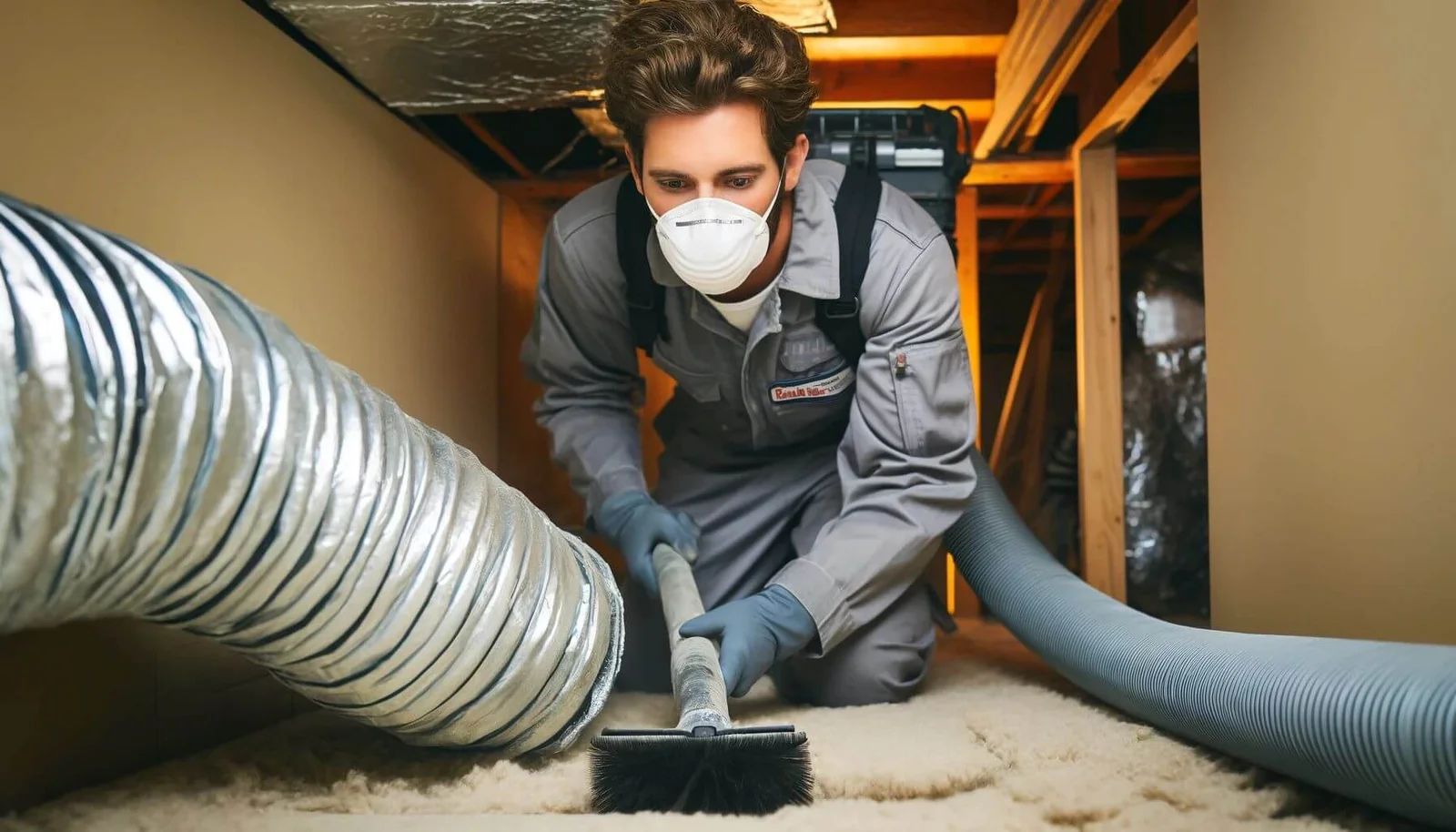
A technician should first inspect the duct network and identify areas with meaningful accumulation. Equipment can then create controlled suction while specialized tools loosen debris from interior duct surfaces.
A complete ductwork cleaning service may involve:
- Inspecting accessible supply and return ducts
- Protecting registers and nearby surfaces
- Loosening accumulated dust and debris
- Capturing loosened material with vacuum equipment
- Reviewing accessible sections after cleaning
The process should avoid pushing loosened material into occupied rooms. Furthermore, technicians should take care around flexible or older duct materials that may require a gentler approach.
For larger properties, commercial duct cleaning services may require additional planning because systems can include more zones, longer duct runs, and heavier operating schedules.
Heating and Air Experts states that its duct-cleaning process includes inspection of ducts, vents, returns, and related HVAC components. A systematic approach matters because cleaning only the visible register does little for debris farther inside the air-distribution system.
How Household Activities Affect Duct Cleanliness
The amount of debris inside a duct system depends partly on how the property is used. A recently renovated home may have very different cleaning needs from a house that has remained unchanged for years.
Pets, Remodeling, and Filtration Can Change the Picture
Construction work can release fine particles that settle throughout a property. If return vents remain uncovered during sanding, demolition, or drywall work, some of that material may enter the HVAC system.
Homes with shedding pets can also collect more hair and dander near return grilles and filters. Professional residential air duct cleaning in San Jose, CA may therefore be useful when inspection confirms heavier buildup inside the system.
Routine filter care still matters after cleaning. A clean duct cannot compensate for an overloaded filter that restricts airflow or allows unnecessary particulate movement.
Likewise, reliable indoor air quality improvement should look beyond duct surfaces. Ventilation, filtration, humidity, source control, and HVAC maintenance all contribute to the condition of indoor air.
Homeowners should also keep supply and return registers unobstructed. Furniture or stored items placed directly over vents can affect airflow and create comfort differences between rooms.
These small factors help explain why two similar homes can develop very different duct conditions over time.
Air Duct Cleaning for Offices and Commercial Properties
Commercial HVAC systems often operate for longer hours and serve more occupants than residential systems. Their duct networks may also cover multiple rooms, work areas, waiting spaces, or customer-facing zones.
Because of that complexity, duct cleaning should fit the building’s operating schedule and HVAC design.
Plan Cleaning Around Building Use
Professional commercial duct cleaning services should begin by identifying HVAC zones, major return locations, access points, and areas where debris is most likely to collect.
Offices may need work scheduled around employees. Retail or customer-service properties may prefer lower-traffic periods. Meanwhile, buildings that recently completed interior construction may need attention to construction dust before normal operations resume.
Reliable Air Duct Cleaning Services can be especially useful when inspections reveal substantial debris within accessible ductwork. However, cleaning should not replace HVAC repair when airflow problems come from equipment or damaged ducts.
For businesses seeking HVAC duct cleaning in Danville, CA, the service should account for the size and configuration of the air-distribution system rather than applying a residential cleaning approach to every property.
A planned ductwork cleaning service can also reduce disruption because technicians know which zones need access and how work should progress through the building.
Preparation becomes just as important as the cleaning equipment on larger systems.
Duct Cleaning and Indoor Air Quality Are Not the Same Thing
Cleaner duct surfaces can remove one source of accumulated debris, but indoor air quality involves many other factors. This distinction helps property owners set realistic expectations before scheduling service.
Look Beyond the Ductwork for Better Results
Professional indoor air quality improvement may include evaluating HVAC filters, humidity, ventilation, moisture conditions, and pollutant sources inside the property.
For example, replacing a heavily loaded filter may improve airflow even when the ducts themselves are reasonably clean. Conversely, cleaning ducts without correcting a moisture problem may allow musty conditions to return.
Trusted Air Duct Cleaning Services should therefore avoid presenting cleaning as a cure for every allergy, odor, or comfort complaint. A better approach is to determine whether contaminants are actually present and then address other HVAC concerns separately.
Professional residential air duct cleaning can remove confirmed buildup from home ductwork, while other services may be needed to correct equipment performance or ventilation problems.
Heating and Air Experts also provides heating, cooling, and thermostat services. This broader HVAC perspective can matter when a duct concern turns out to involve airflow, system operation, or another component.
Balanced recommendations build more trust than assuming cleaning is always the answer.
Keeping Ductwork Cleaner After Professional Service
Duct cleaning removes existing buildup, but everyday maintenance influences how quickly debris returns. Fortunately, homeowners and businesses can take several simple steps without opening or modifying the duct system.
Focus on Filtration and Clean HVAC Practices
Reliable Air Duct Cleaning Services should be followed by regular filter checks. Filters need replacement according to their condition, system requirements, and property use rather than an arbitrary schedule that ignores actual loading.
Keep return grilles reasonably clean and avoid operating the HVAC system without the correct filter in place. During remodeling, protect nearby returns from heavy construction dust and follow proper HVAC precautions.
For commercial properties, planned commercial duct cleaning services can be considered when inspection findings, building use, or renovation work justify them. Cleaning should be condition-based rather than performed simply because a fixed amount of time has passed.
Professional indoor air quality improvement may also involve checking humidity and addressing water intrusion that could affect HVAC areas.
Finally, do not ignore unusual airflow changes after cleaning. A loose duct connection, blocked register, equipment issue, or filter problem can still affect comfort.
Keeping ducts cleaner is less about frequent deep cleaning and more about controlling what enters the air-distribution system between professional visits.
Conclusion
Air duct cleaning works best when there is a clear reason for doing it. Heavy visible debris, renovation dust, persistent contamination, or material collecting inside accessible ductwork can justify professional attention. A single dusty vent, however, does not automatically mean the entire system needs cleaning.
A responsible service begins with inspection. Technicians should evaluate supply and return ducts, identify where buildup exists, and consider whether another HVAC problem is contributing to poor airflow or odors.
Property owners can also protect results after service by maintaining filters, keeping registers clear, and limiting construction debris near returns. If moisture enters the HVAC system, the underlying source should be corrected instead of relying on cleaning alone.
Professional HVAC duct cleaning can remove accumulated material from suitable ductwork, while dependable ductwork cleaning service practices help ensure that loosened debris is properly captured rather than released indoors.
The broader goal is a cleaner, properly functioning air-distribution system. When duct cleaning is combined with sensible filtration, HVAC maintenance, moisture control, and accurate diagnosis, homeowners and businesses can make better decisions about their indoor environment without paying for unnecessary work.
FAQ’s
How can I tell if my air ducts actually need cleaning?
Visible heavy debris, material blowing from vents, renovation dust, or confirmed contamination inside ductwork can justify professional inspection and cleaning.
Will duct cleaning fix weak airflow?
Not always. Weak airflow can also come from dirty filters, damaged ducts, blower problems, closed dampers, or HVAC equipment issues.
Should ducts be cleaned after home remodeling?
It may be useful if construction dust or debris entered open registers or return ducts. An inspection can determine how much material reached the system.
Can air duct cleaning remove every indoor air quality problem?
No. Indoor air quality also depends on filtration, ventilation, humidity, moisture control, outdoor pollutants, and indoor contaminant sources.
What should I do after my ducts are cleaned?
Maintain the correct HVAC filter, keep registers unobstructed, control dust during renovations, and address moisture or HVAC problems when they appear.