If your AC starts struggling on the first hot week of the year, the problem usually did not start that week. A solid ac tune up checklist helps catch wear, airflow problems, and efficiency loss before they turn into higher bills or a no-cool call when you need the system most.
For homeowners, property managers, and business owners in the Bay Area, preventive maintenance is less about checking a box and more about protecting comfort, equipment life, and day-to-day reliability. The right tune-up should not feel rushed or vague. It should be a clear, thorough service that shows you how the system is performing now and what may need attention next.
Why an AC tune-up matters before peak season
Air conditioning systems rarely fail without warning. More often, they lose efficiency slowly. Airflow gets weaker, dust builds up, electrical parts wear down, refrigerant performance drops, and the unit has to run longer to deliver the same comfort.
That extra strain affects more than your electric bill. It can shorten equipment life, create uneven temperatures, and increase the chance of mid-season repairs. In homes and commercial spaces alike, small maintenance issues can grow into expensive service calls if they go unnoticed.
A professional tune-up gives you a chance to find those issues early. It also helps confirm whether your AC is simply overdue for routine cleaning and adjustment or whether you are dealing with a larger repair concern.
What a professional AC tune up checklist should include
A complete ac tune up checklist covers the system as a whole, not just the outdoor unit. Cooling performance depends on airflow, electrical integrity, clean components, and correct operating conditions. If one area is overlooked, the rest of the system may still underperform.
Thermostat check and control calibration
The tune-up should begin at the thermostat. The technician should verify that the system responds properly to cooling calls, cycles correctly, and maintains the set temperature as expected.
This step sounds simple, but it matters. A thermostat that reads inaccurately or has poor programming settings can make a good AC system seem unreliable. In some buildings, comfort complaints come down to control issues rather than major equipment failure.
Air filter inspection
A dirty air filter is one of the most common causes of poor airflow and unnecessary system strain. During a tune-up, the filter should be checked for buildup and replaced if needed.
This is also where a good technician will look at the bigger picture. If filters are clogging unusually fast, there may be indoor air quality concerns, excessive dust in the ductwork, or airflow problems elsewhere in the system.
Evaporator and condenser coil inspection
Your AC depends on clean coils to move heat efficiently. The evaporator coil inside absorbs heat from indoor air, and the condenser coil outside releases it. When either coil is dirty, the system has to work harder and cool less effectively.
A proper tune-up includes inspecting coil condition and cleaning where appropriate. Heavy buildup, corrosion, or restricted airflow around the outdoor unit should be noted clearly, because these conditions directly affect performance.
Refrigerant level and pressure check
Low refrigerant does not just reduce cooling. It can also point to a leak, which is not something to ignore or simply top off without diagnosis.
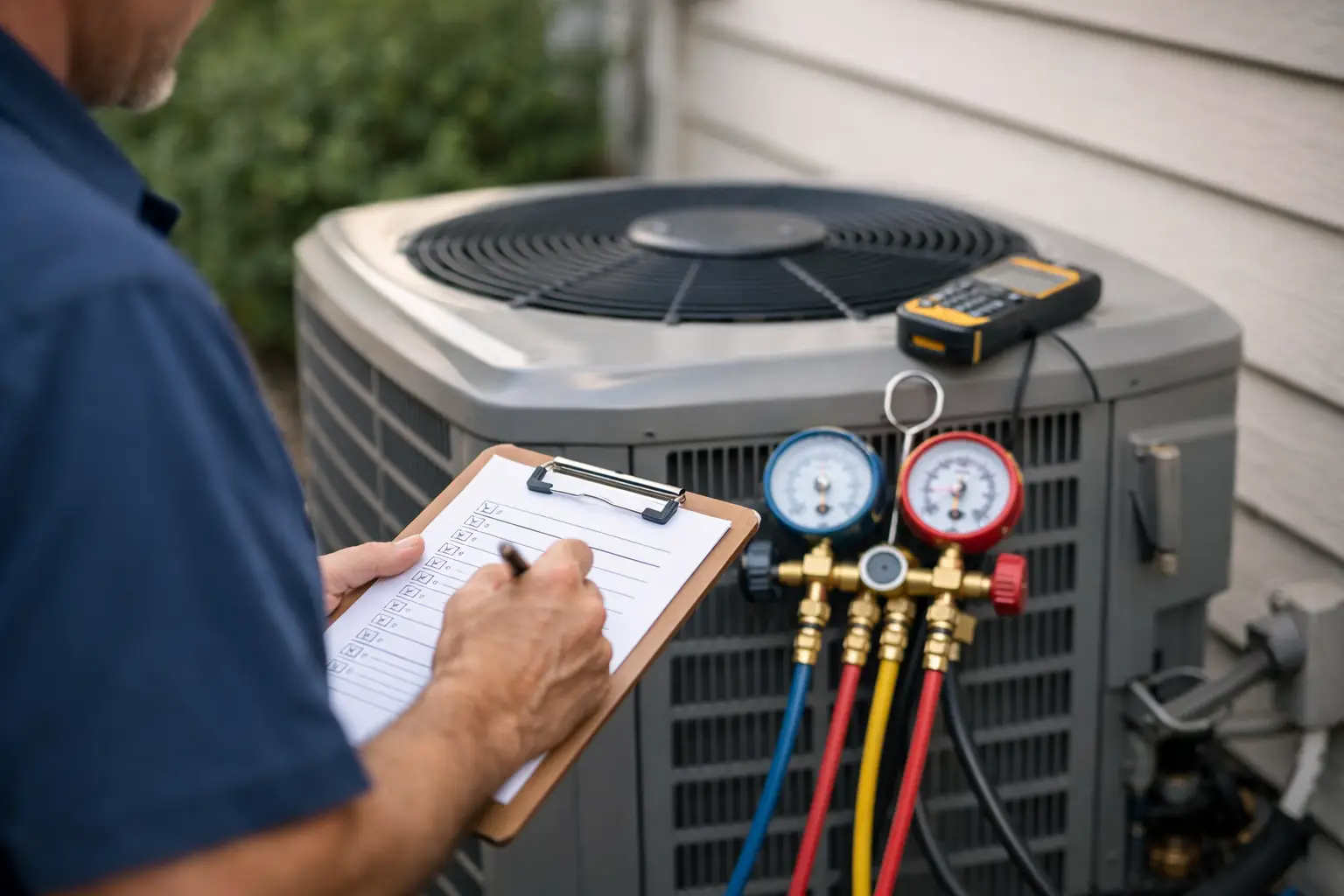
A technician should check refrigerant pressures and overall system operation to confirm whether the charge appears normal. If readings are off, the next step should be honest guidance. Sometimes the issue is minor. Sometimes it signals a repair that should be addressed before the compressor is damaged.
Electrical connection inspection
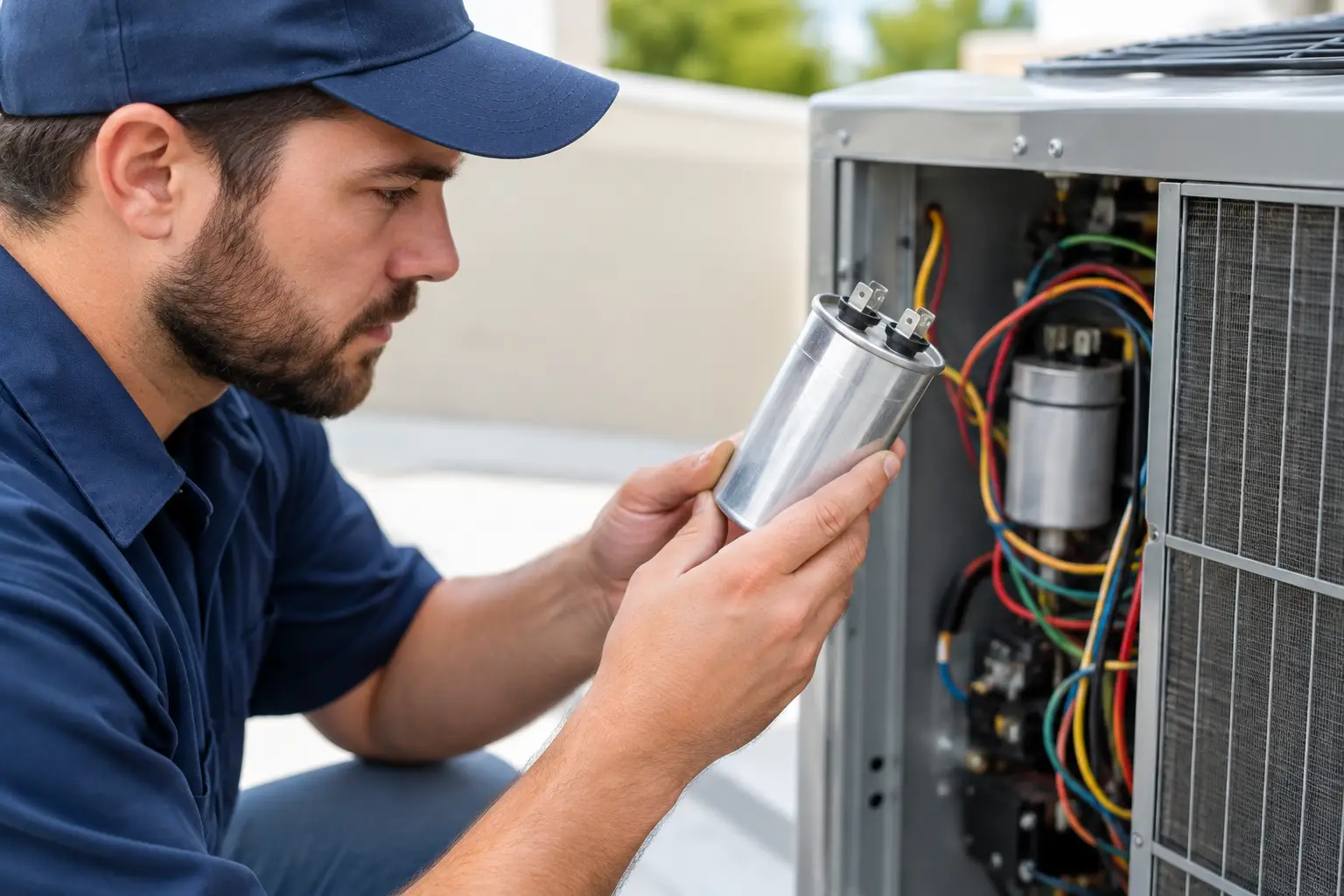
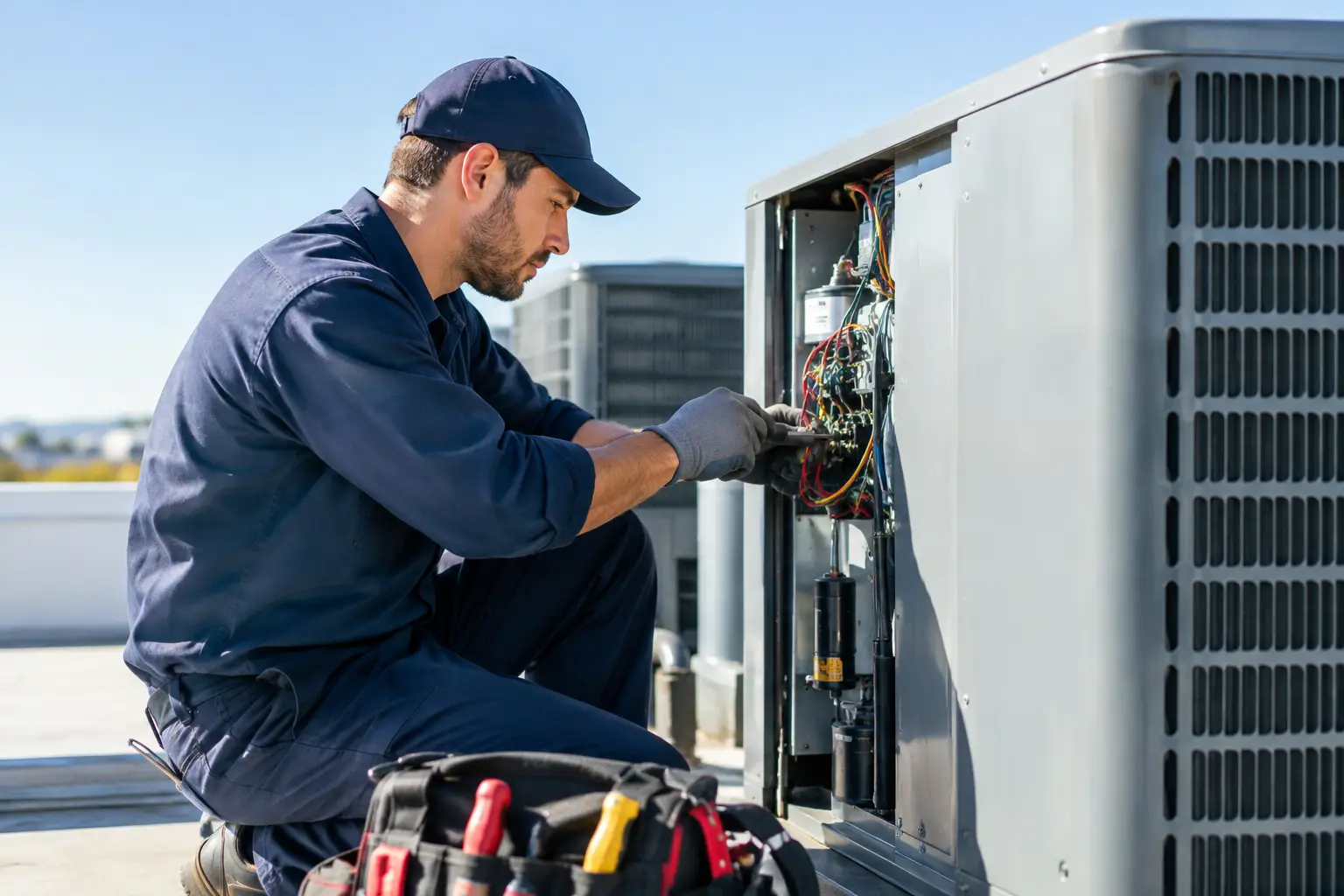
AC systems rely on multiple electrical components that wear over time. Loose connections, weakened capacitors, failing contactors, and wire damage can all lead to poor performance or sudden breakdowns.
As part of the tune-up, electrical components should be inspected and tested for safe operation. This is one of the most valuable parts of maintenance because many electrical failures are preventable when caught early.
Condensate drain and moisture check
Your air conditioner removes humidity as it cools, and that moisture has to drain properly. If the condensate line is clogged, water can back up, trip safety switches, or create moisture issues around the unit.
A tune-up should include checking the drain line and drain pan for blockage or signs of overflow. In some properties, especially those with repeated drain issues, this simple inspection can prevent avoidable water damage.
Blower components and airflow review
Cooling is not just about making cold air. It is about moving the right amount of air through the system and into the space. The blower assembly, fan motor, and related components should be inspected to make sure airflow is not being restricted.
Weak airflow may point to a dirty blower wheel, duct leakage, filter issues, or other mechanical problems. This is where experience matters, because the symptom and the root cause are not always the same.
Temperature split and overall performance test
A tune-up should end with real operating checks. The technician should measure how the system is performing while running, including supply and return temperatures and overall cooling response.
That final testing helps confirm whether the AC is operating within an expected range or whether further service is recommended. It also gives you something useful beyond, “It looks okay.”
What an AC tune-up checklist does not solve
Maintenance is valuable, but it is not a fix for every cooling problem. If your system is older, leaking refrigerant, short cycling, or showing signs of compressor trouble, a tune-up may uncover the issue without fully resolving it.
That is why honest recommendations matter. A dependable HVAC company should tell you when cleaning and adjustment are enough, when repair makes sense, and when replacement may be the more cost-effective long-term option. There is no one-size-fits-all answer. A newer system with one worn part is very different from an aging unit that has become inefficient across the board.
Signs you should schedule service now
Even if you have not had a seasonal tune-up yet, certain warning signs mean it is smart to have the system checked soon. If you notice warm air from vents, weak airflow, unusual noises, rising utility bills, frequent cycling, or rooms that never seem to cool evenly, your AC may already be telling you something is off.
For commercial spaces and rental properties, timing matters even more. Waiting until tenants, employees, or customers are uncomfortable usually means fewer appointment options and a greater chance of emergency repair.
DIY maintenance versus professional service
There are a few things property owners can do between professional visits. Changing filters regularly, keeping the area around the outdoor unit clear, and paying attention to unusual sounds or odors all help support system health.
Still, a true tune-up should go further than a visual check. Testing electrical parts, evaluating refrigerant conditions, measuring performance, and spotting early wear require tools and training. This is where certified technicians bring real value. The goal is not just to clean what is visible. It is to verify that the system is safe, efficient, and dependable.
Choosing the right AC maintenance provider
Not all maintenance visits are equal. Some are quick inspections with little explanation. Others provide a real picture of system condition and next steps.
When choosing a provider, look for a company that offers upfront pricing, clear communication, and technicians who explain findings without pressure. You should know what was checked, what condition the system is in, and whether any repairs are urgent, recommended, or simply worth monitoring.
For Bay Area property owners, reliability is a major part of the decision. Fast response times matter, but so does workmanship. Heating and Air Experts approaches tune-ups the same way it handles repairs and installations – with honest guidance, certified expertise, and a focus on long-term comfort.
The best time to use this AC tune up checklist
Spring is usually ideal, before heavy summer demand puts extra strain on the equipment. That said, the best time is really before performance starts slipping. If your AC has not been professionally maintained in the last year, scheduling service now is a practical move.
A good tune-up does more than prepare your system for warm weather. It gives you confidence that your cooling equipment is working the way it should, and it gives you time to plan if anything needs attention. That is always better than being surprised by a breakdown on the hottest day of the month.
If you are looking at your system and wondering whether it is ready for another cooling season, that is usually your answer. A careful inspection today can save you from a much more stressful repair later.