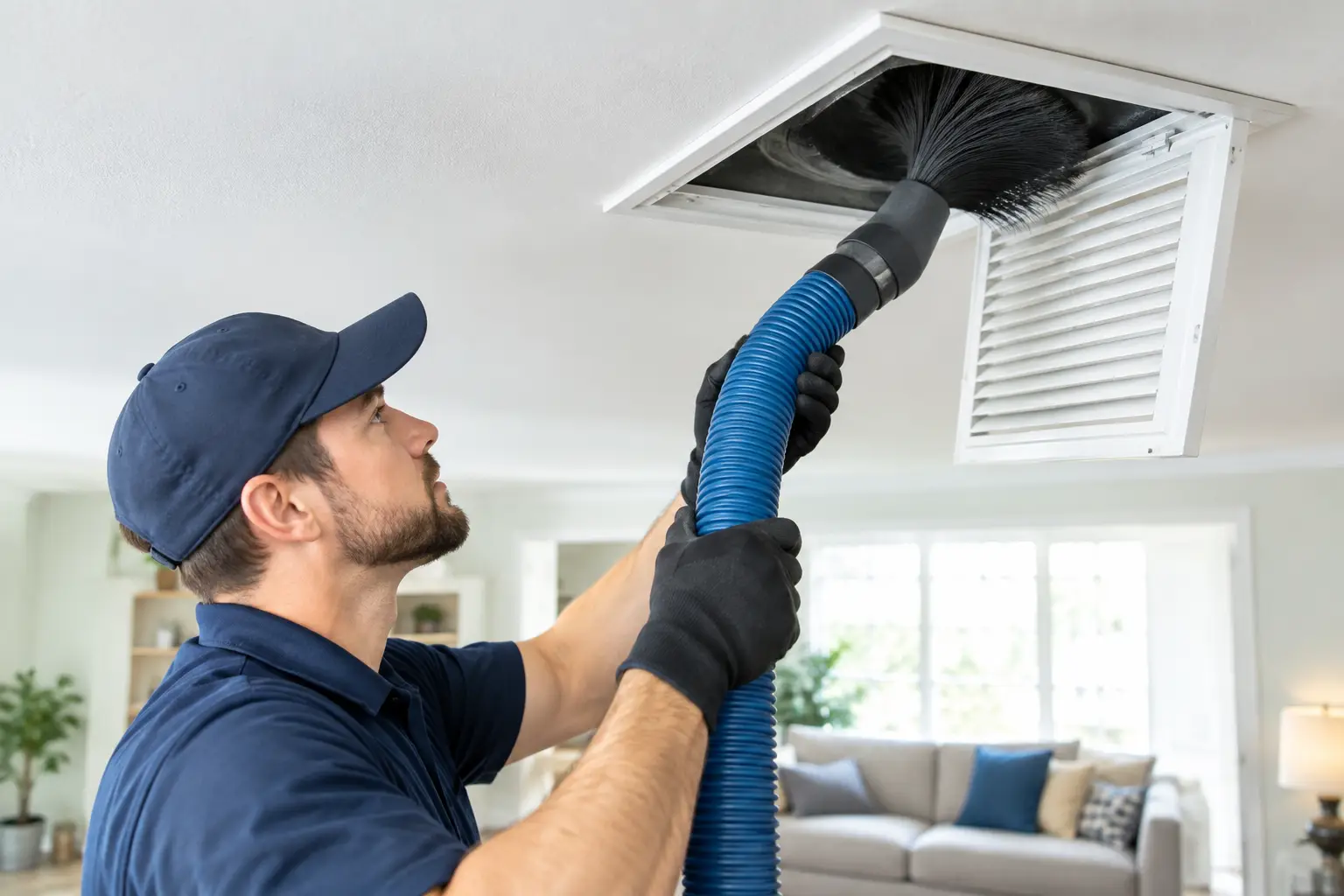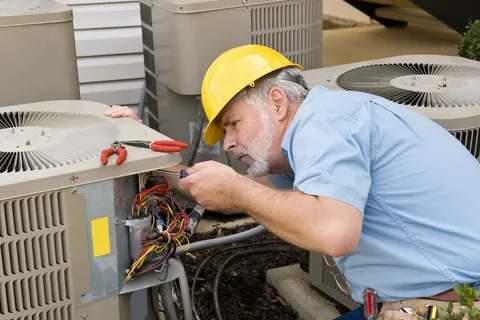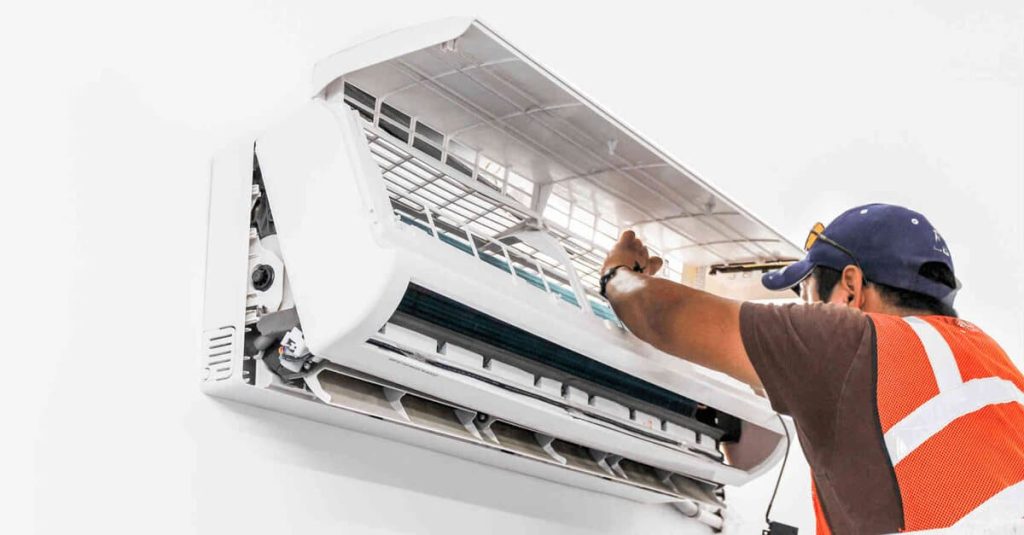
It’s the third week of July, the thermometer outside reads 98 degrees, and the air drifting from your vents feels suspiciously like… room temperature. If you’ve lived through a Walnut Creek summer, you know that sinking feeling. At Heating and Air Experts, we field these calls every single day from June through September, and the panic in a homeowner’s voice is always the same — half “fix it now,” half “please don’t tell me I need a whole new system.”
Here’s the good news. Most residential air conditioning problems in Walnut Creek are repairable, often same-day, and rarely as catastrophic as they feel in the moment. This guide walks you through why systems fail in our climate, how to read the warning signs, what a real repair visit looks like, and how to tell an honest contractor from a fast-talking one. Think of it less as a sales pitch and more as the conversation you’d have with a friend who happens to fix air conditioners for a living.
Why Air Conditioners Break Down in Walnut Creek’s Climate
Walnut Creek sits in that inland pocket of the East Bay where summer heat settles in and refuses to leave. While coastal cities get the marine layer, we get long stretches of dry, triple-digit afternoons that push cooling systems to their limit. That climate is the single biggest reason local AC units wear out faster than the national average.
Your air conditioner is essentially a heat pump running in reverse, pulling warmth out of your house and dumping it outside. When it’s 100 degrees out, that outdoor unit has to work twice as hard to shed heat into already-hot air. Run that cycle for weeks on end, and components fatigue.
The Hidden Toll of Long, Dry Summers
Heat is hard on machinery, but our region adds a second problem: dust and fine debris. Dry conditions kick up particulates that clogs condenser coils and air filters. A coated coil can’t release heat efficiently, so the system runs longer and hotter to hit the same temperature on your thermostat.
I’ve opened up condenser units in the Rossmoor and Northgate areas that were so packed with cottonwood fluff and dust that the fan could barely breathe. The owners hadn’t done anything wrong — they just hadn’t realized how quickly our environment chokes a system that lives outdoors all year.
The Usual Suspects Behind a Broken System
When a residential AC stops cooling, the cause usually falls into a handful of familiar buckets. A refrigerant leak is one of the most common, and it’s sneaky — your system loses cooling power gradually rather than all at once. Failed capacitors and contactors, those small electrical parts that tell the compressor and fan when to start, are another frequent offender, especially after a heat wave spikes the electrical load.
Then there’s the compressor itself, the Residential Air Conditioning Repair in Walnut Creek of the system, along with frozen evaporator coils, failing blower motors, and the surprisingly common culprit of a thermostat that simply stopped talking to the equipment. Knowing which one you’re facing matters, because the fixes range from a fifteen-minute part swap to a serious investment.
Warning Signs Your AC Needs Repair Before It Quits Completely
Air conditioners rarely die without warning. They drop hints for weeks, and the homeowners who catch those hints early almost always pay less than the ones who wait for total failure on the hottest day of the year.
Strange Sounds, Odd Smells, and Weak Airflow
A healthy system runs with a steady, almost boring hum. Grinding, screeching, or rattling means something mechanical is loose or failing. A buzzing sound often points to an electrical issue worth addressing fast.
Smells tell their own story. A musty odor usually signals mold growth in the ductwork or on a damp coil, while a sharp, acrid smell can mean overheating wiring — shut the system down and call a pro if you notice that one. And if the air coming out feels weak even though the fan is clearly running, you may be looking at a clogged filter, a failing blower, or a refrigerant problem starving the system.
Climbing Energy Bills and Short Cycling
Watch your PG&E statements during summer. A sudden jump that doesn’t match a heat wave often means your AC is working overtime to compensate for a developing fault. The U.S. Department of Energy notes that a poorly maintained or struggling system can consume significantly more energy than one running at spec — sometimes a difference you can feel in your wallet within a single billing cycle.
Short cycling is another red flag worth knowing. That’s when your AC switches on, runs briefly, shuts off, and repeats every few minutes. It never gives your home a chance to cool evenly, it hammers the compressor, and it’s a classic symptom of an oversized system, low refrigerant, or a sensor problem. Left alone, short cycling can turn a minor repair into a compressor replacement.
What Actually Happens During a Professional AC Repair
A lot of homeowners imagine AC repair as a mysterious process where a technician disappears behind the unit and emerges with a bill. It shouldn’t feel that way. A good repair visit is methodical, and you should be able to follow the logic.
The Diagnostic Process, Start to Finish
Diagnosis is where experience earns its keep. A skilled technician doesn’t guess — they measure, test, and rule things out in order, the way a doctor works through symptoms before prescribing anything.
A Step-by-Step Look at a Real Repair Visit
- Interview the homeowner. When did the problem start? Any sounds, smells, or pattern to it? Your answers narrow the field before any panel comes off.
- Check the simple stuff first. Thermostat settings, breaker, filter, and power to the unit. A shocking number of “broken” systems are tripped breakers or dead thermostat batteries.
- Inspect the outdoor condenser. The tech looks for debris, a stuck fan, a swollen or leaking capacitor, and burnt contactor points.
- Measure refrigerant pressures and temperatures. This reveals leaks, undercharging, or a restriction in the system, and it requires EPA Section 608 certification to do legally.
- Test electrical components. Capacitors, motors, and relays get checked against their rated specs with a meter, not by feel.
- Confirm the fix and explain options. A trustworthy pro shows you the faulty part, explains what went wrong, and gives you the cost before turning a wrench.
That sequence matters. If a contractor skips straight to “you need a new compressor” without measuring anything, that’s your cue to get a second opinion.
Refrigerant, Compressors, and Electrical Repairs
The most frequent residential fixes are smaller than people fear. Replacing a failed capacitor or contactor is often a quick, affordable job that gets a dead system humming again the same afternoon. Recharging refrigerant after sealing a leak is more involved but routine.
It’s worth knowing the industry is in the middle of a refrigerant transition. Older systems used R-410A, and as of 2025 manufacturers have shifted toward lower-impact refrigerants like R-454B to meet EPA environmental rules. If your system is old enough to run discontinued refrigerant, that factors into whether a repair makes long-term sense — which brings us to the question everyone eventually asks.
Repair or Replace? Making the Smart, Honest Call
This is the decision that keeps homeowners up at night, and the truth is there’s no universal answer — only a framework that points you in the right direction.
The Age and Efficiency Question
Most residential air conditioners last somewhere between 12 and 15 years in our climate, sometimes longer with diligent maintenance. If your unit is under ten years old and the repair is a capacitor, motor, or minor refrigerant fix, repairing it is almost always the right move.
Efficiency complicates things. Cooling efficiency is measured by a SEER (now SEER2) rating, and a system from fifteen years ago might run at roughly half the efficiency of a modern unit. So even a “working” old system can quietly cost you more every summer than a newer one would.
A Quick Cost Framework Worth Remembering
A widely used rule of thumb in the trade is the “5,000 rule”: multiply the age of your system by the repair cost, and if the number tops 5,000, replacement deserves serious consideration. A 4-year-old unit needing a 400-dollar fix scores 1,600 — repair it without hesitation. A 14-year-old unit facing a 1,200-dollar compressor scores 16,800 — that’s a loud signal to weigh a new system instead.
It’s a guideline, not gospel. Your budget, how long you plan to stay in the home, and current energy costs all belong in the conversation. But it keeps the decision grounded in math rather than fear or sales pressure.
How to Choose a Residential AC Repair Service in Walnut Creek
The hardest part of a broken AC isn’t always the repair — it’s trusting the person you hand it to. Here’s what separates a contractor worth keeping from one worth avoiding.
Licensing, Certification, and Real Credentials
In California, HVAC contractors must hold a C-20 license from the Contractors State License Board, and you can verify any company’s license online in about thirty seconds. That’s the floor, not the ceiling.
Look beyond the license for technician credentials. NATE certification — North American Technician Excellence — is the gold standard for HVAC technical knowledge in the industry. EPA Section 608 certification is legally required for anyone handling refrigerant. A company that invests in these certifications is telling you something about how seriously it takes the work.
Transparent Pricing, Reviews, and Local Track Record
A reputable shop gives you an upfront diagnostic fee and a written estimate before any repair begins. Be wary of anyone who quotes a major repair over the phone sight unseen, or who pressures you toward a full replacement before properly diagnosing the problem.
Local reputation is your best free research tool. Read recent reviews, ask neighbors, and favor companies with a real Walnut Creek footprint over national lead-generation outfits that subcontract the actual work. A local team knows our climate, our common system types, and the quirks of the older housing stock around Contra Costa County.
Keeping Your System Healthy So Repairs Stay Rare
The cheapest AC repair is the one you never need. Preventive care won’t make your system immortal, but it dramatically lowers your odds of a July breakdown.
Why Seasonal Tune-Ups Pay for Themselves
A professional spring tune-up catches small problems while they’re still small — a weak capacitor before it strands you, a slow refrigerant leak before it kills your compressor. The Department of Energy estimates that routine maintenance can preserve a meaningful share of a system’s efficiency that would otherwise erode year over year.
In practice, an annual visit means cleaner coils, correct refrigerant levels, tightened electrical connections, and a technician’s trained eye on the whole system before peak season. Homeowners who tune up every spring simply call us with emergencies far less often.
What You Can Handle Yourself, and What Needs a Pro
You can do plenty without any special training. Swap or clean your air filter every one to three months, keep two feet of clearance around the outdoor unit, gently hose off the condenser coils, and make sure vents inside aren’t blocked by furniture. Those small habits prevent a surprising number of service calls.
Leave the rest to a licensed technician. Anything involving refrigerant, electrical components, or opening the sealed system requires both the certification and the tools to do safely. Refrigerants in particular are legally restricted — handling it without EPA certification isn’t just risky, it’s against federal regulation.
Conclusion
A failing air conditioner in Walnut Creek heat wave feels like an emergency, and sometimes it is. But most residential AC problems are fixable, often quickly and affordably, especially when you catch the warning signs early instead of waiting for total failure.
Pay attention to the hints your system gives you — the odd sounds, the weak airflow, the creeping energy bills. Keep up with a simple spring tune-up. And when you do need help, choose a licensed, certified, locally rooted team that diagnoses before it sells. Do those three things, and you’ll spend far more summers comfortably than sweating. If your system is acting up right now, don’t wait for the next 100-degree afternoon to find out how serious it is — get it looked at while the fix is still small.
Frequently Asked Questions
How much does residential air conditioning repair cost in Walnut Creek?
Most common repairs, like a capacitor or contactor replacement, fall on the affordable end, while refrigerant or compressor work costs considerably more. A reputable company always provides a written estimate after diagnosing the problem, never a major quote over the phone.
How long does an AC repair usually take?
Many residential repairs are completed the same day, often within a couple of hours. Simple electrical or part replacements are quick, while refrigerant leaks or compressor jobs take longer because they involve sealing, recharging, or sourcing parts.
Why is my AC running but not cooling the house?
This usually points to low refrigerant from a leak, a frozen evaporator coil, a dirty filter restricting airflow, or a failing compressor. Because the causes overlap, a proper diagnosis with refrigerant and electrical testing is the only reliable way to know.
Is it better to repair or replace my air conditioner?
If your unit is under ten years old and the repair is minor, repairing it makes sense. If it’s well over a decade old, facing an expensive fix, or running on discontinued refrigerant, replacement often becomes the smarter long-term investment.
How often should I service my residential AC system?
Once a year, ideally in spring before the cooling season begins. An annual tune-up catches small issues early, keeps efficiency up, and reduces the chance of a breakdown during peak summer heat.