A furnace that is nearing the end of its life rarely fails at a convenient time. It may begin with uneven temperatures, rising utility bills, frequent repair calls, or rooms that never seem comfortable. When replacement becomes the sensible choice, a professional furnace installation gives your home or business a fresh start with dependable heat, safer operation, and better control over energy use.
For Bay Area property owners, the right answer is not always the biggest or highest-efficiency unit on the quote. Your building, ductwork, ventilation, occupancy, and comfort priorities all affect what will perform best. A qualified HVAC team should take the time to evaluate those details, explain the options clearly, and install the system to manufacturer and local code requirements.
When Furnace Installation Makes More Sense Than Repair
Repairs are often the right call when a furnace has a clear, limited problem and still has years of useful service ahead. A worn igniter, failed thermostat, or blower issue can frequently be repaired without replacing the entire unit. But repeated breakdowns can turn a repairable system into an expensive source of uncertainty.
Replacement is worth discussing when your furnace is 15 to 20 years old, needs costly major components, produces inconsistent heat, or has become difficult to keep running. A cracked heat exchanger, for example, is a serious safety concern that typically calls for replacement rather than another short-term fix. Older systems may also waste more fuel and struggle to deliver the comfort you expect.
For rental properties and commercial spaces, reliability can be just as important as efficiency. An unplanned failure can disrupt tenants, employees, customers, and operations. Planning a replacement before a complete breakdown gives you more time to compare options and schedule work with less disruption.
What a Proper Furnace Installation Includes
Furnace installation is not simply swapping one cabinet for another. The equipment must be matched to the property and connected correctly to the duct system, electrical supply, thermostat, gas line, venting, and condensate drainage when applicable. Small installation errors can affect safety, efficiency, noise levels, equipment life, and warranty coverage.
A professional process begins with an in-person assessment. Your technician should review the existing system, ask about comfort issues, inspect accessible ductwork, and confirm the fuel source and venting arrangement. They should also account for the square footage and layout of the space, insulation, windows, ceiling height, sun exposure, and how the property is used.
The installation itself generally includes removal of the old equipment, preparation of the installation area, placement of the new furnace, and connection of all required components. The team should test ignition, airflow, safety controls, thermostat operation, and temperature rise before the job is complete. A clean work area and a clear explanation of how to operate your new system are also part of quality workmanship.
Correct Sizing Is a Comfort Issue
An oversized furnace can heat a space too quickly and shut off before air circulates evenly. This short cycling can create hot and cold spots, add wear to components, and reduce efficiency. An undersized furnace may run for long periods without reaching the desired temperature during colder weather.
The correct capacity depends on more than square footage. A well-insulated home in San Mateo may have very different heating needs than an older, draftier property in Oakland or a commercial space with frequent door traffic. Load calculations and a full site review give you a far better basis for selecting equipment than relying on the capacity of the furnace being replaced.
Ductwork Can Change the Result
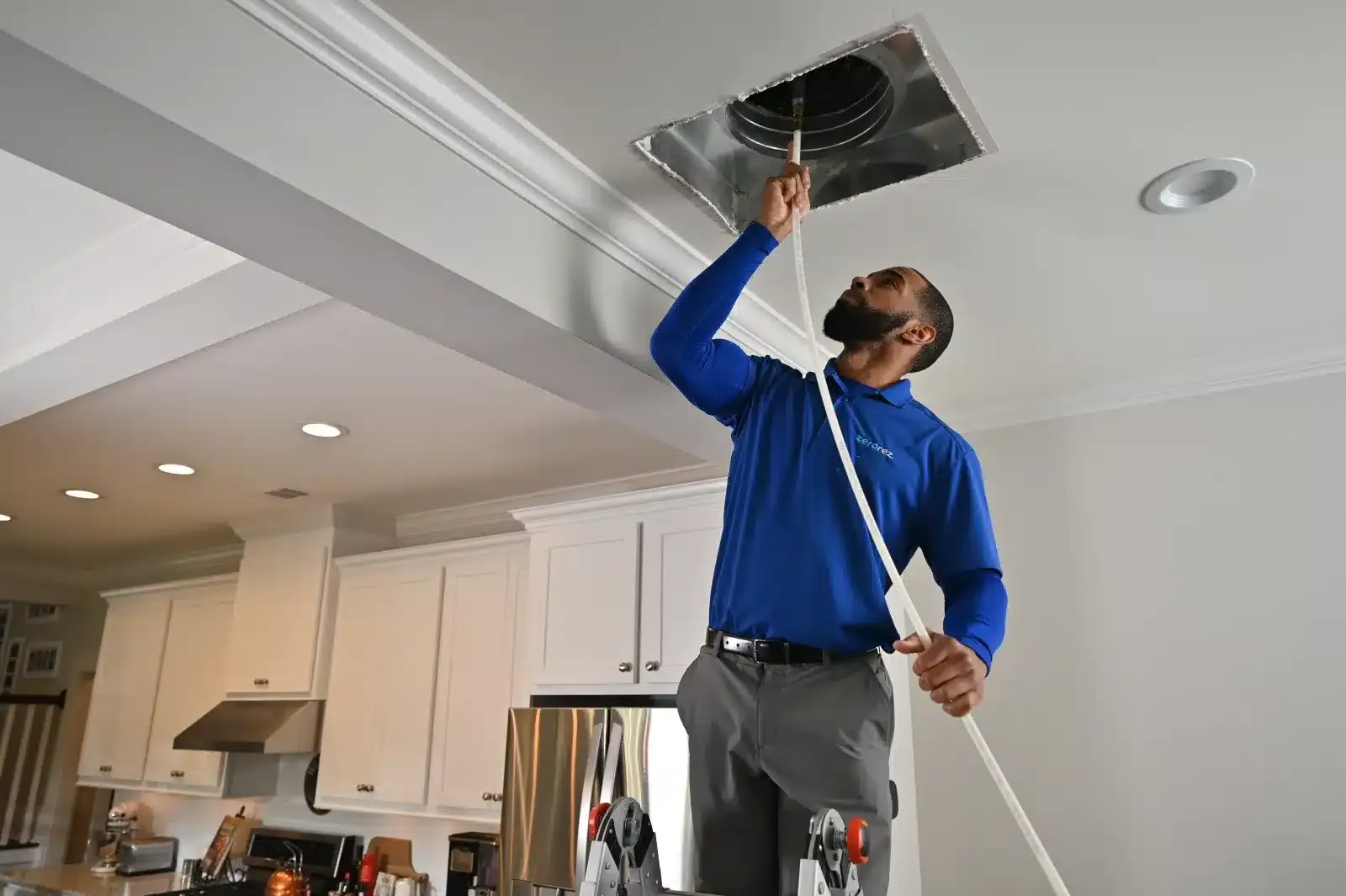
A new furnace cannot fully solve comfort problems if the duct system is leaking, undersized, poorly designed, or heavily contaminated. Restricted return air, disconnected ducts, and imbalanced airflow can force the new equipment to work harder than it should.
During the evaluation, ask whether your existing ductwork supports the proposed system. In some cases, targeted duct repairs, duct cleaning, added returns, or airflow adjustments can make a noticeable difference. This is especially valuable in older Bay Area homes where additions and remodels may have changed the original heating layout.
Choosing the Right Type of Furnace
Many homes and businesses use natural gas furnaces, while some properties rely on electric systems or are considering heat pump options. The best choice depends on your existing infrastructure, operating costs, comfort goals, and plans for the property.
Gas furnaces are a familiar option for many Bay Area buildings because they can provide strong, responsive heat. Efficiency is commonly measured by Annual Fuel Utilization Efficiency, or AFUE. A higher AFUE rating means more of the fuel is converted into usable heat, but the best investment depends on your budget, expected time in the property, and the condition of the rest of the HVAC system.
A variable-speed blower or two-stage furnace may improve comfort by running at lower output for longer periods when full capacity is not needed. This can reduce temperature swings and support better air circulation. These systems can cost more upfront, so it is worth weighing the added comfort and potential energy benefits against the initial investment.
If you are planning broader electrification or cooling upgrades, a heat pump may also deserve consideration. It can provide both heating and cooling, but its fit depends on the property, electrical capacity, insulation, and your preferred backup heating strategy. Honest guidance should include the trade-offs, not push one solution for every building.
Costs, Permits, and What Affects Your Quote
Furnace replacement costs vary because every installation has different requirements. The equipment efficiency level, furnace capacity, accessibility, duct modifications, venting changes, electrical work, thermostat upgrades, and permit needs can all affect the final price.
A lower initial quote is not always the lower-cost choice over time. If a proposal leaves out code-required work, uses improperly sized equipment, or does not address obvious airflow issues, you may pay for the difference later through repairs, comfort complaints, or inefficient operation. Upfront pricing should be clear about what is included and what could change if unexpected conditions are found.
Permits and inspections matter because they help confirm that gas connections, venting, electrical work, and equipment placement meet local safety standards. Requirements vary by city and county, so homeowners and property managers should work with a contractor who understands the applicable process. A reputable installer will explain the permit plan before work begins rather than treating it as an afterthought.
How to Prepare for Installation Day
Most furnace replacements can be completed in a day, though more involved projects may require additional time. Clear a path to the furnace, attic access, garage, utility closet, or crawlspace before the crew arrives. Move stored items away from the work area and make arrangements for children and pets to stay safely clear of the job.
Because heating may be off during part of the installation, plan for temporary comfort if weather is cool. For commercial properties, coordinate access, parking, tenant notices, and any operational restrictions in advance. A little planning helps the work proceed efficiently and reduces avoidable interruptions.
Before the crew leaves, make sure you understand how to use the thermostat, replace filters, recognize warning signs, and schedule routine maintenance. Keep the equipment documentation and warranty information in a safe place. If anything about the new system is unclear, ask while the technician is still onsite.
Protecting Your New Furnace After Installation
A new system needs regular care to deliver the efficiency and reliability you paid for. Replace or clean filters on schedule, keep supply and return vents open and unobstructed, and avoid storing items around the furnace. If you notice unusual noises, weak airflow, short cycling, or a sudden rise in energy use, arrange service before a minor issue becomes a larger repair.
Annual professional maintenance is a practical way to check safety controls, burners, electrical connections, blower performance, and overall operation. It also gives a technician the opportunity to spot developing concerns before they leave you without heat.
The best furnace installation is one that fits your property, your budget, and your long-term comfort expectations. Heating and Air Experts can help Bay Area homeowners, property managers, and business owners evaluate their options with certified expertise, straightforward recommendations, and workmanship focused on dependable performance.