A furnace can appear to be working normally right up until the first cold evening when it cannot keep up. That is why a useful furnace maintenance service review should look beyond whether the heat came on during the appointment. The real question is whether the technician inspected the parts that affect safety, reliability, airflow, and operating cost – and whether you received a clear explanation of what was found.
For Bay Area homeowners, property managers, and business owners, maintenance is not about paying for a quick filter change. It is an opportunity to catch wear before it becomes an after-hours repair, protect the equipment you already own, and make a confident decision if a repair or replacement is recommended.
What a Furnace Maintenance Service Review Should Cover
A complete maintenance visit begins with listening. A qualified technician should ask whether you have noticed uneven temperatures, unusual noises, short cycling, higher utility bills, dust buildup, or rooms that never feel comfortable. Those details help direct the inspection and can reveal problems that a furnace may not show during a brief test run.
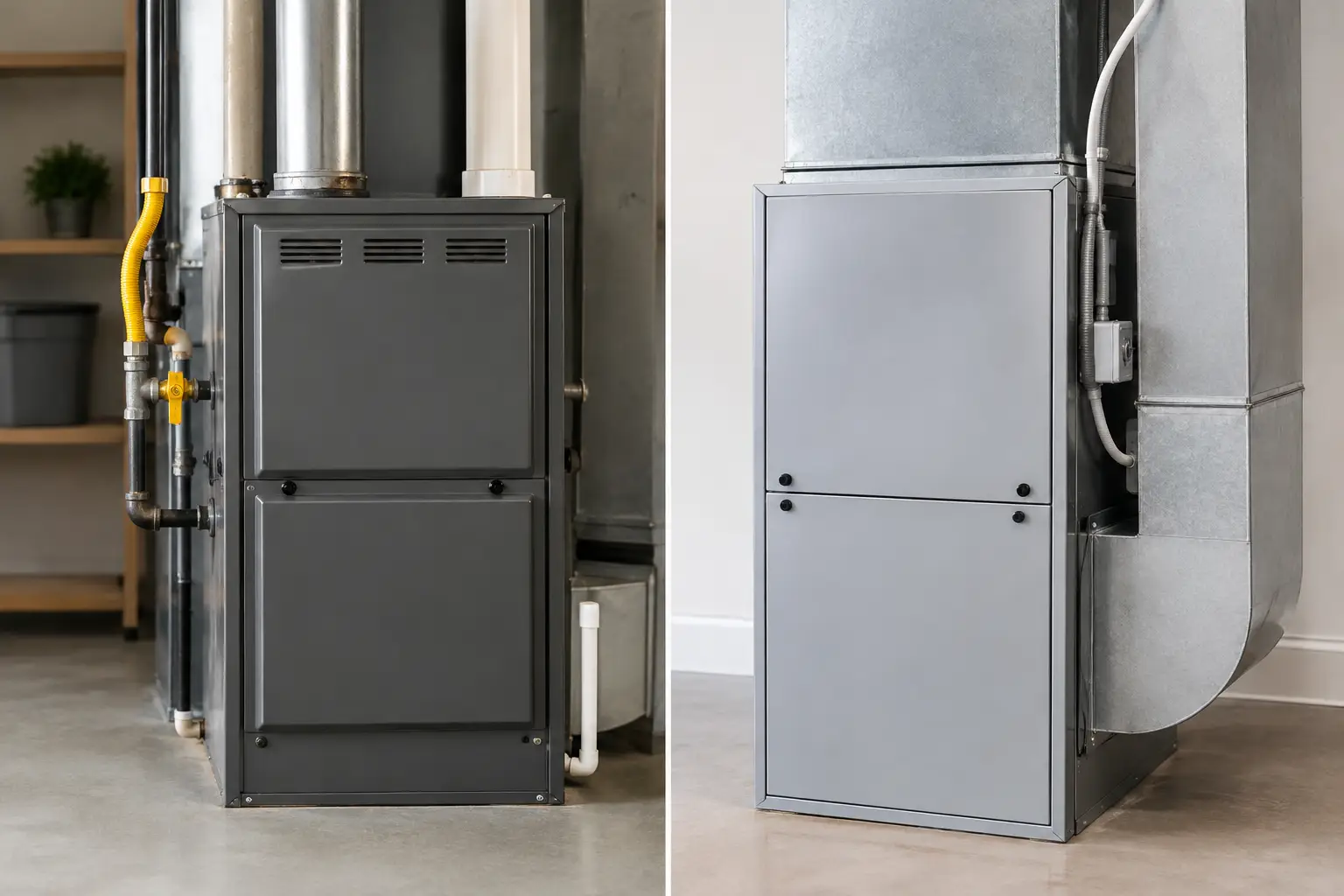
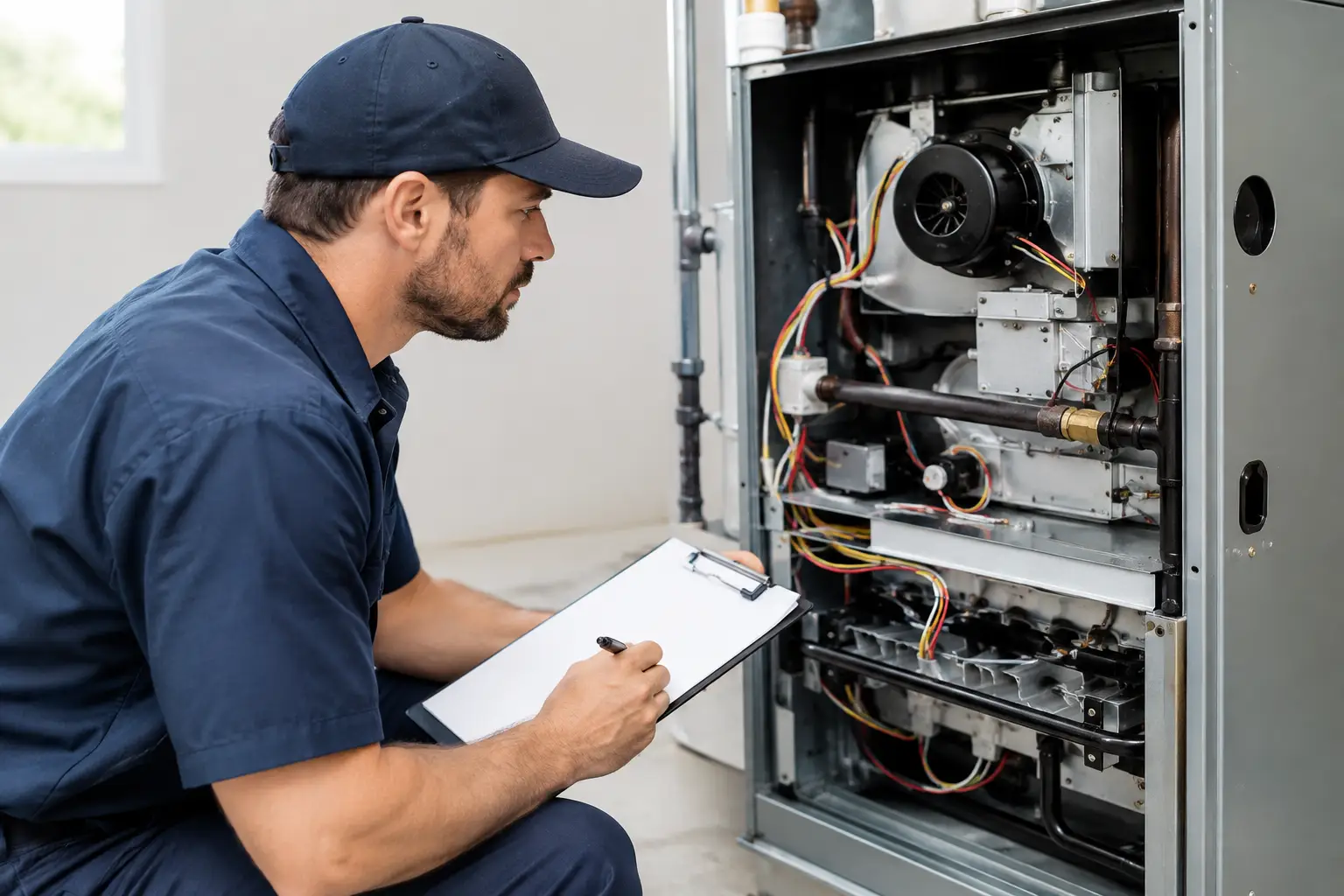
From there, the technician should inspect the furnace’s overall operation, including the burner assembly, ignition system, heat exchanger area, blower components, electrical connections, safety controls, condensate system when applicable, and venting. The exact checklist depends on whether your equipment is gas, electric, high-efficiency, older, or part of a larger commercial system. A one-size-fits-all tune-up is not enough.
For a gas furnace, combustion and venting deserve particular attention. A proper visit should include checking for safe ignition, signs of corrosion or damage, and conditions that could affect exhaust flow. If the technician identifies a safety concern, they should explain it plainly, document it, and tell you what needs to happen next.
Airflow also matters more than many customers realize. A clean filter is only one part of the picture. Restricted returns, dirty blower components, duct leakage, an incorrectly sized filter, or thermostat settings can all make a system run longer than necessary. Good maintenance connects the furnace to the comfort issues people actually feel in the building.
Signs the Service Was Thorough
The best service reviews are based on what happened at the appointment, not only on whether the technician was friendly or arrived on time. Courtesy and punctuality matter, but a maintenance visit should also leave you with useful information.
A thorough technician explains findings in everyday language. You should know what was checked, what is operating as expected, what needs monitoring, and what requires repair. If a part is worn but not urgent, an honest recommendation distinguishes between planning ahead and acting immediately. That clarity is especially valuable for property managers balancing budgets across multiple units or business owners scheduling work around operations.
Documentation is another strong sign. You may receive a written service report, photos, test results, or a record of recommended work. The format can vary, but the purpose is the same: you should not have to rely on memory when deciding what to do next season. A documented maintenance history can also be helpful when evaluating an aging furnace, managing warranty requirements, or preparing a property for sale.
Look for a technician who tests the system after service rather than simply completing a list of tasks. The furnace should cycle properly, respond to the thermostat, and deliver heat safely. If an issue cannot be resolved during the appointment, you should receive a practical next step, expected timing, and upfront pricing before additional work begins.
What to Question Before Approving Repairs
Maintenance sometimes uncovers legitimate repair needs. Ignition components, flame sensors, motors, capacitors, control boards, and safety switches can wear out over time. The right response is not to assume every recommendation is unnecessary, nor to approve work without enough context.
Ask what symptom or test result led to the recommendation. Ask whether the issue affects safety, whether the furnace can operate temporarily, and what may happen if the repair is delayed. A dependable contractor can answer those questions directly without using pressure or vague warnings.
It also helps to ask about the age and condition of the full system. Replacing a modestly priced part in a well-maintained furnace may be sensible. Putting significant money into a furnace near the end of its service life may not be the best long-term choice, particularly if efficiency, indoor comfort, or repair frequency has declined. There is no automatic rule based on age alone. Usage, maintenance history, repair cost, and available replacement options all matter.
If replacement is discussed, expect a real evaluation rather than a quick estimate based only on the existing equipment size. The right furnace should suit the building’s layout, heating needs, ductwork, and efficiency goals. An oversized or undersized system can create its own comfort and operating problems.
How to Read Online Reviews for Furnace Maintenance
Online feedback can help you narrow down local providers, but read it with a specific purpose. Search for comments about maintenance appointments, not only emergency repairs or new installations. A company may respond quickly to a no-heat call yet provide rushed preventive service. Both capabilities matter, but they are not the same service.
The most useful reviews mention details: technicians arriving within the promised window, explaining findings, respecting the home or business, providing clear pricing, and resolving follow-up questions. Repeated comments about honest recommendations and reliable workmanship are more meaningful than generic praise alone.
Pay attention to how a company handles less-than-perfect feedback as well. HVAC work can involve parts availability, old equipment, tenant scheduling, or problems that require more than one visit. A professional response acknowledges the concern and focuses on a solution. No company can prevent every complication, but customers should be able to expect accountability.
Review volume and consistency are worth considering. A few recent positive reviews are encouraging, while a longer pattern of feedback across seasons can show whether a provider has earned trust over time. Credentials and recognized quality standards can provide another layer of confidence, especially when you are choosing a contractor for a larger property or ongoing maintenance.
Maintenance Timing That Makes Sense in the Bay Area
The Bay Area’s moderate climate can make furnace service easy to postpone. Many systems sit unused for long stretches, then are expected to operate reliably when temperatures drop. That downtime can allow dust, drainage issues, battery failures, and minor component wear to go unnoticed.
Scheduling maintenance before the heating season gives you more flexibility if repairs are needed. For homeowners, early fall is often a practical window. For property managers and commercial facilities, planning service around occupancy, tenant access, and operating schedules can prevent avoidable disruptions later.
Annual maintenance is a common recommendation for most furnaces, particularly gas units. However, buildings with heavy use, older equipment, indoor air quality concerns, or recurring airflow issues may benefit from closer attention. Your service provider should recommend an interval based on the system and the property, not simply sell a package that does not fit your needs.
Choosing a Provider You Can Rely On
Before booking, confirm that the company services your type of furnace and has experience with residential or commercial equipment when relevant. Ask whether technicians are certified, whether pricing is explained before repairs begin, and what documentation you will receive after maintenance. These simple questions reveal a great deal about the service process.
Local availability matters, too. A maintenance relationship is more valuable when the same provider can help if your furnace stops working later. Heating and Air Experts serves Bay Area customers with certified technical care, straightforward recommendations, and support for the full lifecycle of heating and cooling equipment.
The right maintenance visit should leave you more informed than when it started. You should understand your furnace’s current condition, know which concerns are urgent and which can wait, and have a clear path forward. That peace of mind is the real value of preventive service – not a stamped checklist, but dependable comfort when you need it most.