Your air conditioner may still turn on and blow cool air even when a dirty evaporator coil is limiting its performance. That is why the signs evaporator coil needs cleaning are easy to miss at first. For Bay Area homeowners, property managers, and business owners, catching the problem early can help prevent uncomfortable rooms, rising operating costs, and avoidable strain on the system.
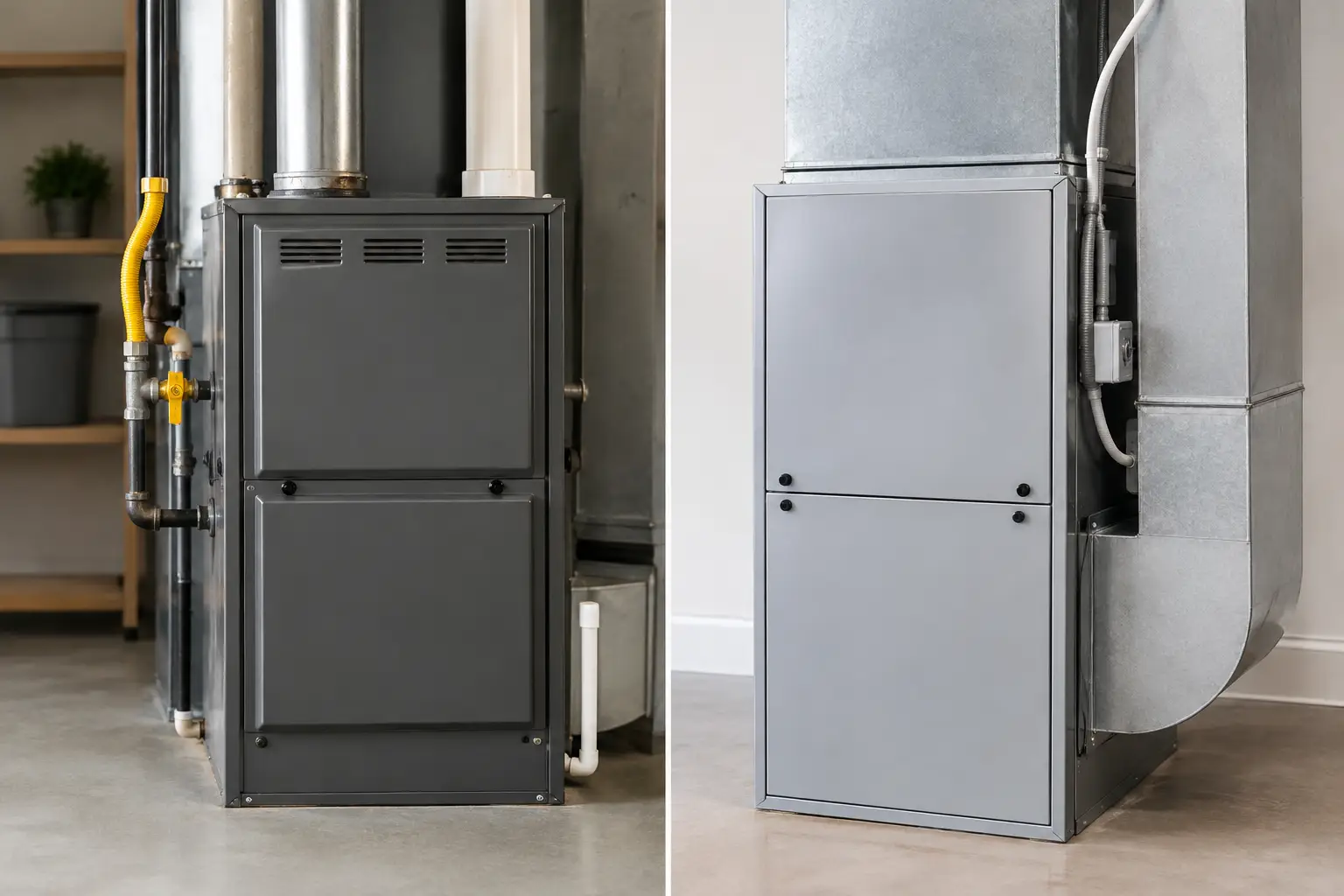
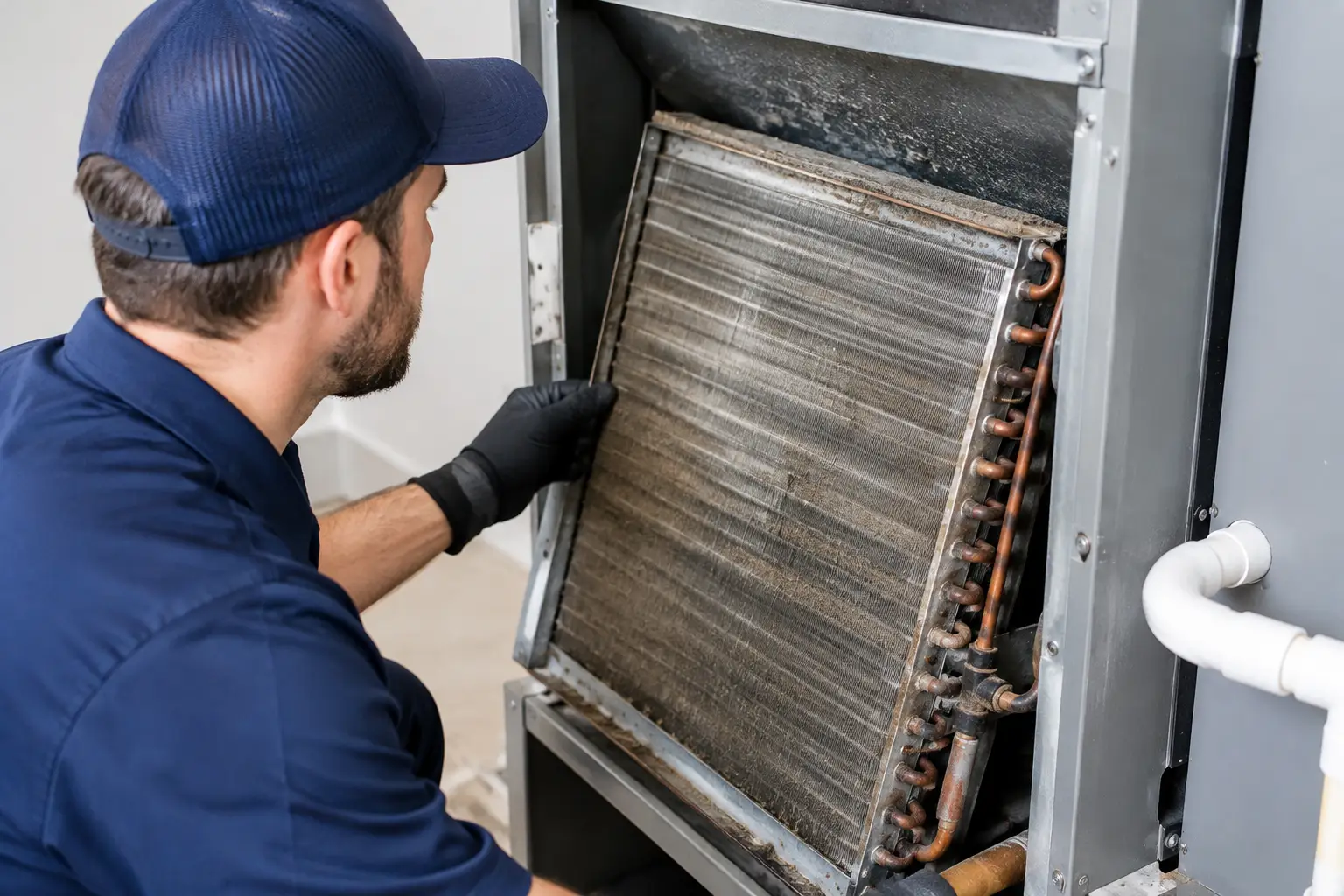
The evaporator coil sits inside the indoor portion of your air conditioner or heat pump, typically near the air handler or furnace. It removes heat from indoor air so your system can cool the space. Because air passes over the coil constantly, dust, pet dander, pollen, and other airborne particles can collect on its delicate fins. A clean air filter helps, but it cannot stop every contaminant.
7 Signs an Evaporator Coil Needs Cleaning
1. Airflow feels weaker than usual
If your vents are producing less air than they once did, the issue may be more than a dirty filter. Buildup on the evaporator coil restricts the movement of air through the system, making rooms feel stuffy or slow to cool. You may notice the problem most in upstairs bedrooms, larger living spaces, or areas farthest from the indoor unit.
Weak airflow can also come from clogged filters, duct leaks, a failing blower motor, or closed dampers. That is why a proper inspection matters. A qualified technician can identify whether the coil is contributing to the restriction instead of recommending a cleaning based on symptoms alone.
2. Your home cools slowly or unevenly
A dirty coil cannot absorb heat as efficiently as a clean one. The thermostat may be set correctly, but the system has to run longer before the room reaches the desired temperature. Some areas may feel comfortable while others remain warm, especially during a heat wave.
Uneven cooling is not always a coil issue. Poor insulation, undersized equipment, duct design, and thermostat placement can all affect comfort. Still, when slow cooling appears alongside weak airflow or a neglected filter, coil contamination becomes more likely.
3. Energy bills rise without a clear reason
When heat transfer is reduced, your equipment must work harder and run longer to provide the same cooling output. That additional runtime can show up on your utility bill. A gradual increase is common because dirt often accumulates over months, not overnight.
Compare your recent bills with the same season last year, keeping weather changes and utility rate increases in mind. A higher bill alone does not prove the coil needs cleaning, but it is worth investigating when comfort has declined too.
4. The system runs constantly or cycles more often
An air conditioner that seems to run all afternoon without catching up may be struggling with restricted heat transfer. In other cases, it may cycle on and off more often than normal as system pressures and temperatures move outside their intended operating range.
Long cycles can happen during very hot weather, particularly in sunny Bay Area homes with large windows or limited insulation. The concern is when the pattern continues in mild weather or represents a clear change from how the system normally operates. Frequent operation adds wear to motors, capacitors, and other components.
5. Ice forms on the refrigerant line or indoor coil
Frost or ice on the insulated refrigerant line near the indoor unit is a warning sign that deserves prompt attention. Restricted airflow over a dirty coil can cause the coil temperature to drop low enough for moisture to freeze. Once ice forms, airflow and cooling performance often get worse.
Low refrigerant, a blower problem, or other mechanical issues can also cause a frozen coil. Turn the cooling system off if you see ice, set the fan to ON if appropriate for your equipment, and contact an HVAC professional. Do not chip ice off the coil or restart the system repeatedly. The fins and refrigerant lines are easily damaged.
6. Humidity feels high indoors
Cooling equipment does more than lower the temperature. As warm air passes across a properly operating evaporator coil, the system also removes moisture. When the coil is dirty and heat transfer is compromised, your home or business may feel clammy even if the thermostat shows the temperature you selected.
High indoor humidity can also be related to oversized equipment, ventilation concerns, or moisture entering through the building envelope. A technician should evaluate the full system before deciding on the right repair or maintenance service.
7. Musty odors appear when the AC starts
A damp, dirty evaporator coil can become a place where microbial growth and odors develop, especially when dust mixes with condensation. You may notice a musty smell when the blower first starts or when the air conditioner has been off for several days.
Odors can also originate in the drain pan, condensate line, ductwork, or other parts of the HVAC system. Cleaning the coil may be part of the solution, but the source should be identified so the odor does not return after a short time.
Why a Dirty Coil Can Become a Bigger Problem
The evaporator coil is designed with thin metal fins and tightly spaced passages to maximize heat transfer. Even a light coating of debris can act like insulation, reducing its ability to remove heat from the air. As performance drops, the system may run longer, consume more energy, and experience greater mechanical stress.
A dirty coil can also contribute to drainage problems. The coil creates condensation during cooling, and that water needs to flow through the drain pan and condensate line. Dust and organic material can combine with moisture, creating buildup that may slow drainage or lead to water leaks around the air handler.
For commercial properties, reduced cooling performance can affect employee comfort, customer experience, and equipment operating hours. For rental homes and multifamily buildings, early maintenance can help property managers avoid emergency calls during the busiest part of the cooling season.
Why Coil Cleaning Is Usually a Professional Job
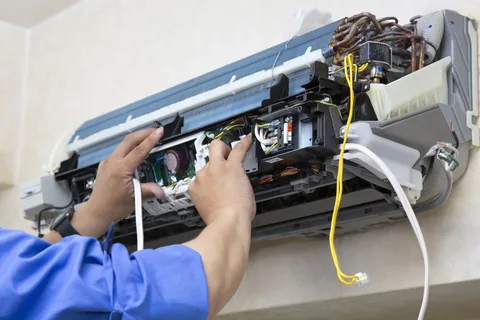
Evaporator coils are not as accessible as outdoor condenser coils. In many systems, the coil is enclosed in a cabinet and may require careful disassembly to inspect and clean correctly. It is also easy to bend the fins, damage wiring, disturb a drain connection, or use a cleaning product that is not appropriate for the equipment.
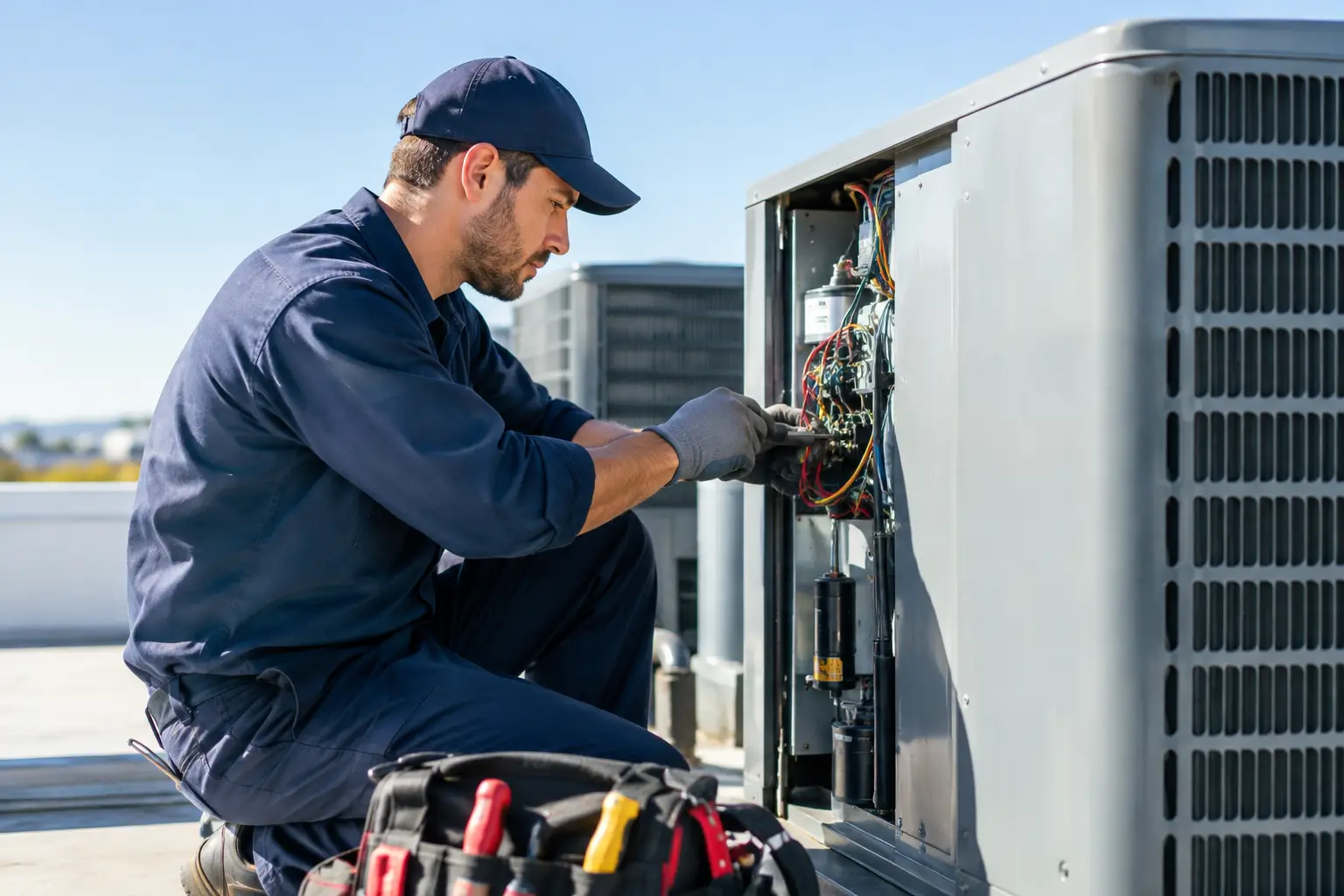
Professional service begins with diagnosis, not assumptions. A technician can check the air filter, blower operation, refrigerant performance, drain system, and visible condition of the coil. If cleaning is needed, they can use suitable methods and verify that airflow and cooling performance improve afterward.
This approach also avoids unnecessary work. A coil that looks clean may not need cleaning, while a system with persistent icing may require a refrigerant leak inspection or blower repair instead. Honest recommendations should address the cause of the problem, not just the most obvious symptom.
How to Reduce Coil Buildup Between Service Visits
The most practical step is replacing or cleaning your HVAC filter on schedule. The right interval depends on the filter type, household pets, occupancy, renovation dust, and system use. Many homes need attention every one to three months, while high-use commercial systems may need more frequent checks.
Keep supply and return vents clear of furniture, boxes, and heavy dust. If you have completed remodeling work, experienced wildfire smoke, or noticed unusual dust throughout the property, schedule an HVAC inspection sooner rather than waiting for your next routine visit. Those conditions can load filters quickly and allow more contaminants to reach internal components.
Regular maintenance is especially valuable before the warmest months. It gives a technician the opportunity to inspect the coil, drain line, electrical components, and overall cooling performance before a small restriction becomes a no-cooling call.
If you are experiencing weak airflow, uneven temperatures, ice, odors, or unexplained increases in cooling costs, Heating and Air Experts can provide a clear assessment and straightforward recommendations. A clean, properly functioning coil helps your system do its job quietly and efficiently, leaving you with one less comfort concern to manage.