A freshly cleaned return vent can look better immediately, but the real question comes after the service: did it change the way your home feels and your HVAC system performs? Knowing how to know duct cleaning helps means looking beyond a clean grille for practical changes in dust, airflow, odors, and system operation.
Duct cleaning can be worthwhile when dust, debris, construction residue, or contaminants have built up inside the ductwork. It is not a cure-all for every comfort or air quality concern, though. In Bay Area homes and commercial spaces, uneven temperatures, frequent filter clogging, and musty smells can also point to equipment problems, duct leaks, moisture issues, or inadequate ventilation. A reliable evaluation helps separate one issue from another before you spend money on the wrong solution.
What Changes After Effective Duct Cleaning?
The results should be noticeable in day-to-day use, even if they are not always dramatic. The biggest improvements tend to occur when there was a meaningful buildup of debris in the system to begin with.
Less Dust Around Vents and Living Areas
One of the clearest signs is a reduction in dust collecting near supply registers, on nearby furniture, and around return grilles. You may still need to dust your home – outdoor particles, pets, fabrics, and normal household activity all create dust. But if you were seeing dark buildup around vents or heavy dust shortly after cleaning, the problem should become less persistent.
Give it a little time before judging results. Wiping surfaces immediately after service is helpful, since routine cleaning activity can disturb settled particles in the home. Over the next few weeks, compare how quickly dust returns under normal conditions.
Improved Airflow From Certain Rooms
If loose debris was restricting sections of the duct system, rooms that previously had weak airflow may receive a steadier stream of conditioned air. Hold your hand near a supply vent while the system is running and compare it with what you noticed before service. Better airflow can make a room heat or cool more evenly, especially when the issue was limited to dirty registers, returns, or accessible duct runs.
Still, weak airflow does not automatically mean dirty ducts. A blocked filter, closed damper, undersized duct, failing blower motor, damaged flex duct, or leaky connection can all cause the same complaint. If one room remains uncomfortable after cleaning, a technician should inspect the full HVAC system rather than assuming the cleaning did not work.
Fewer Persistent Odors When the System Runs
Duct cleaning may reduce stale or dusty odors when accumulated debris is the source. This is common after remodeling work, long vacancies, pest activity, or years of neglected maintenance. The improvement is most meaningful when the odor is noticeably tied to the HVAC system turning on.
A musty smell deserves closer attention. Cleaning alone will not solve an active moisture problem, mold growth on HVAC components, a clogged condensate drain, or water-damaged duct insulation. Similarly, burning smells, gas odors, or electrical odors require prompt professional attention. Turn the system off if you notice a strong or unusual odor and arrange an inspection.
A Cleaner, Easier-to-Maintain Filter
Your air filter should still collect dust after duct cleaning. That is its job. What may change is how quickly it becomes heavily coated, particularly if the ducts had substantial debris or a renovation recently filled the home with fine particles.
Check the filter on the maintenance schedule recommended for your system and household conditions. If it is still clogging unusually fast, the source may be a return-air leak, excess indoor dust, a ductwork issue, or a filter that is not properly fitted. Using a more restrictive filter than your system can handle can also reduce airflow, so ask a qualified technician for guidance instead of choosing solely by the highest rating on the package.
How to Know Duct Cleaning Helps, Not Just Looks Clean
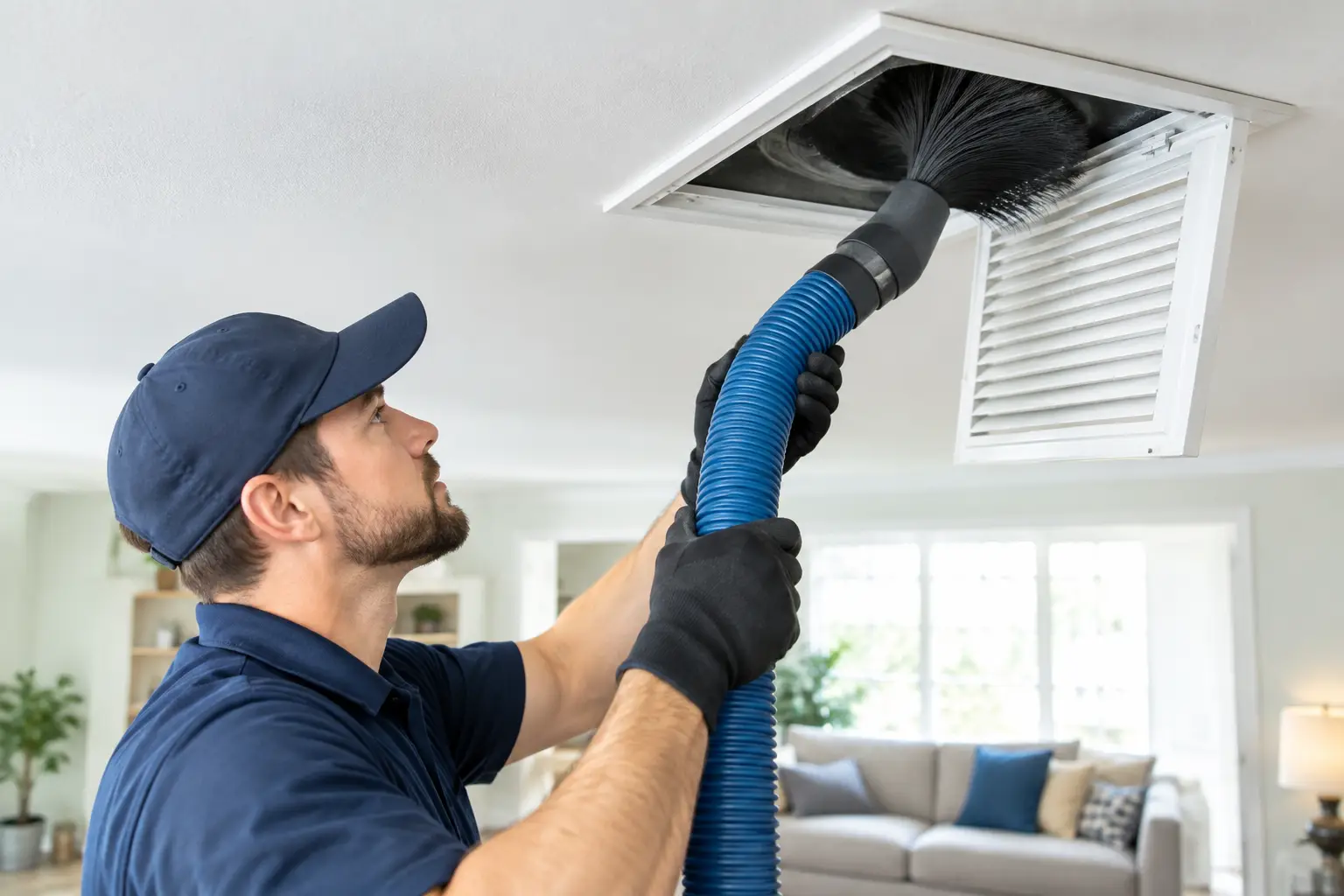
A quality duct cleaning process should include more than vacuuming the visible vent openings. The contractor should explain what was found, what areas were cleaned, and whether they observed concerns such as disconnected ducts, damaged insulation, evidence of moisture, or excessive contamination. Clear communication is part of knowing the service addressed the right problem.
Before-and-after photos can be useful when they show identifiable sections of your own ductwork, blower compartment, returns, and registers. Photos alone are not the whole measurement of success, but they provide helpful documentation, especially for property managers maintaining multiple units.
Pay attention to system behavior in the days that follow. A system that runs normally, has consistent airflow, and no longer circulates a dusty or stale odor is moving in the right direction. If you cleaned the ducts because of visible debris following construction, the absence of new debris blowing from registers is another positive sign.
Energy bills may improve in some situations, but they are not the best short-term test. Utility use changes with outdoor temperatures, thermostat settings, occupancy, insulation, and equipment age. Dirty ducts can affect airflow when buildup is severe, yet many efficiency problems are caused by neglected filters, leaking ducts, poor maintenance, or aging equipment. Treat energy savings as a possible benefit, not a guaranteed outcome.
When Duct Cleaning Is Most Likely to Help
Duct cleaning is generally more reasonable when there is a specific reason to suspect contamination or buildup. It can be especially helpful after a major remodel, when dust has entered the return system; after pest activity has been professionally resolved; when occupants notice debris coming from registers; or when ducts have not been maintained for many years and an inspection confirms significant accumulation.
It may also support a broader indoor air quality plan for homes with heavy pet shedding, smokers, or high dust loads. The practical goal is not to promise perfectly clean air. It is to remove avoidable debris from the HVAC pathways and make sure the system is operating as intended.
For commercial properties, the same principle applies. Offices, retail spaces, and multi-unit buildings may benefit when tenant turnover, construction work, or maintenance records point to a known ductwork concern. A planned inspection can help a manager prioritize the work without disrupting operations unnecessarily.
When Cleaning Is Not the First Fix
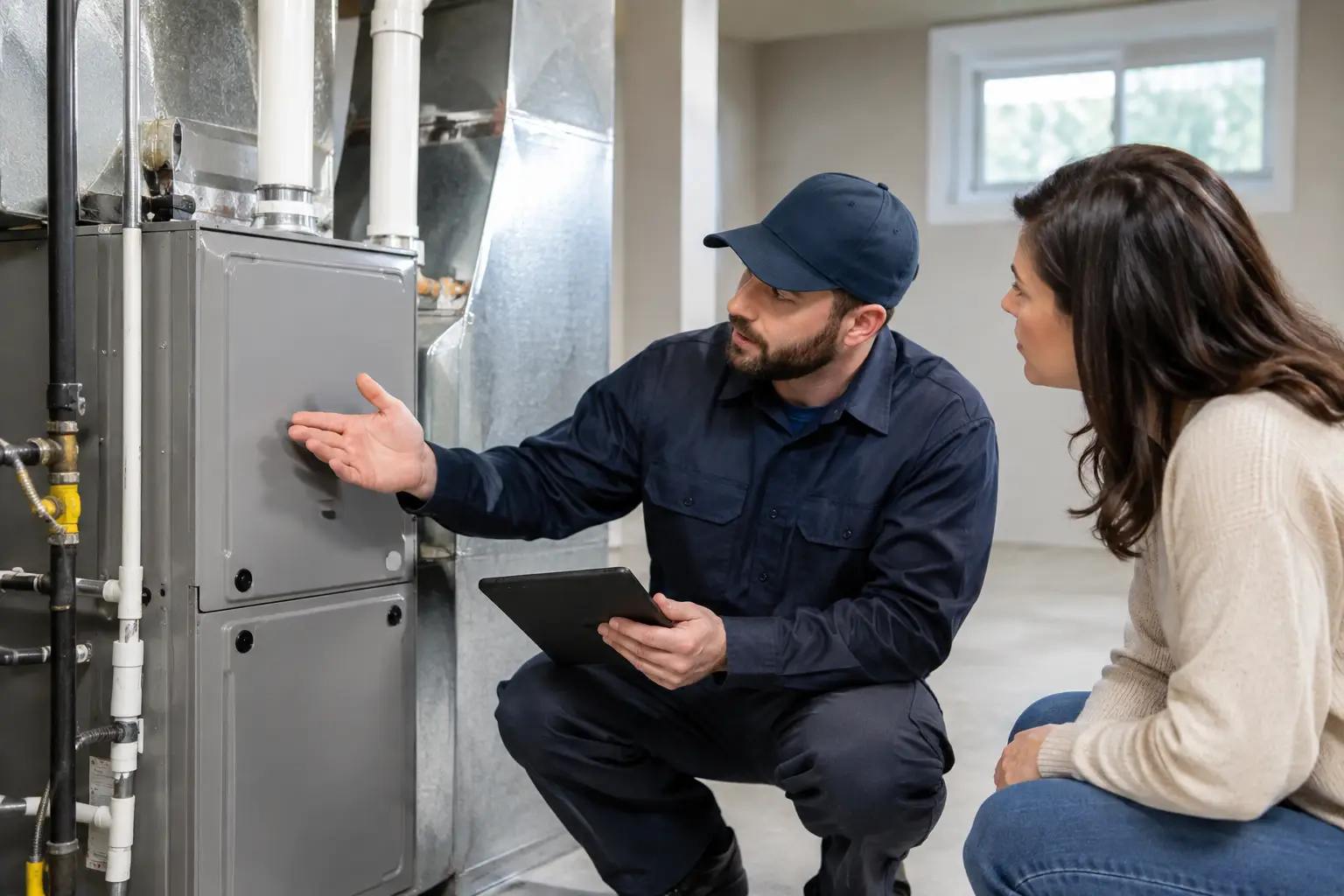
If your primary concern is a room that never reaches the thermostat setting, start with an HVAC diagnostic. The issue could be equipment capacity, zoning, thermostat placement, refrigerant performance, duct design, or air leakage. Cleaning the ducts might be part of the solution, but it should not replace troubleshooting.
Likewise, recurring allergy-like symptoms need a careful approach. Clean ducts can reduce one source of particles, but indoor air quality also depends on filtration, humidity, ventilation, carpeting, pets, outdoor pollution, and cleaning habits. No responsible contractor should claim duct cleaning alone will resolve medical symptoms.
Repeated mildew odors, visible moisture, or suspected mold call for identifying and correcting the moisture source first. Otherwise, the condition can return. In some cases, damaged or contaminated duct materials need repair or replacement instead of cleaning.
Get Results That Last Beyond the Appointment
The value of duct cleaning is easier to protect when the rest of the system receives regular care. Replace filters on schedule, keep supply and return vents unobstructed, and schedule HVAC maintenance so a technician can check airflow, drainage, electrical components, and equipment condition. If you are remodeling, cover registers where appropriate and arrange a filter check once dusty work is complete.
Choose a provider that explains the scope of work and gives straightforward recommendations based on what they find. Heating and Air Experts helps Bay Area homeowners, property managers, and businesses evaluate duct cleaning alongside the heating, cooling, and indoor air quality needs of the entire property.
The most reassuring result is not simply cleaner-looking vents. It is confidence that your system has been checked carefully, the actual source of the problem has been addressed, and your home or business can move air more cleanly and comfortably.