A furnace that will not start on a cold morning or an air conditioner blowing warm air during a Bay Area heat wave needs immediate attention. That is where the difference between HVAC repair vs maintenance becomes clear: one restores a system after a problem appears, while the other helps prevent many problems before comfort is interrupted.
For homeowners, property managers, and business owners, both services matter. The right choice depends on what your equipment is doing now, how old it is, and whether small warning signs have been left unaddressed. Knowing the distinction can help you act sooner, plan your budget, and avoid unnecessary strain on your heating and cooling system.
HVAC Repair vs Maintenance: The Core Difference
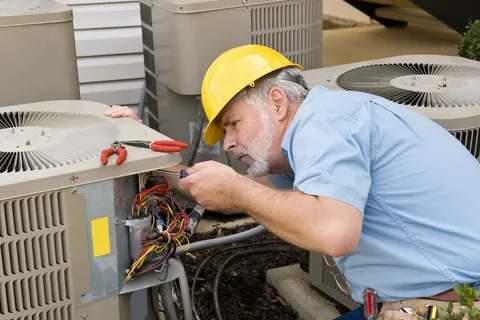
HVAC repair is corrective service. A technician identifies a specific failure or performance issue, explains the cause, and repairs or replaces the affected component. Repair is usually prompted by a noticeable concern: no heat, insufficient cooling, unusual sounds, water leaks, a burning odor, uneven temperatures, or a sudden rise in energy use.
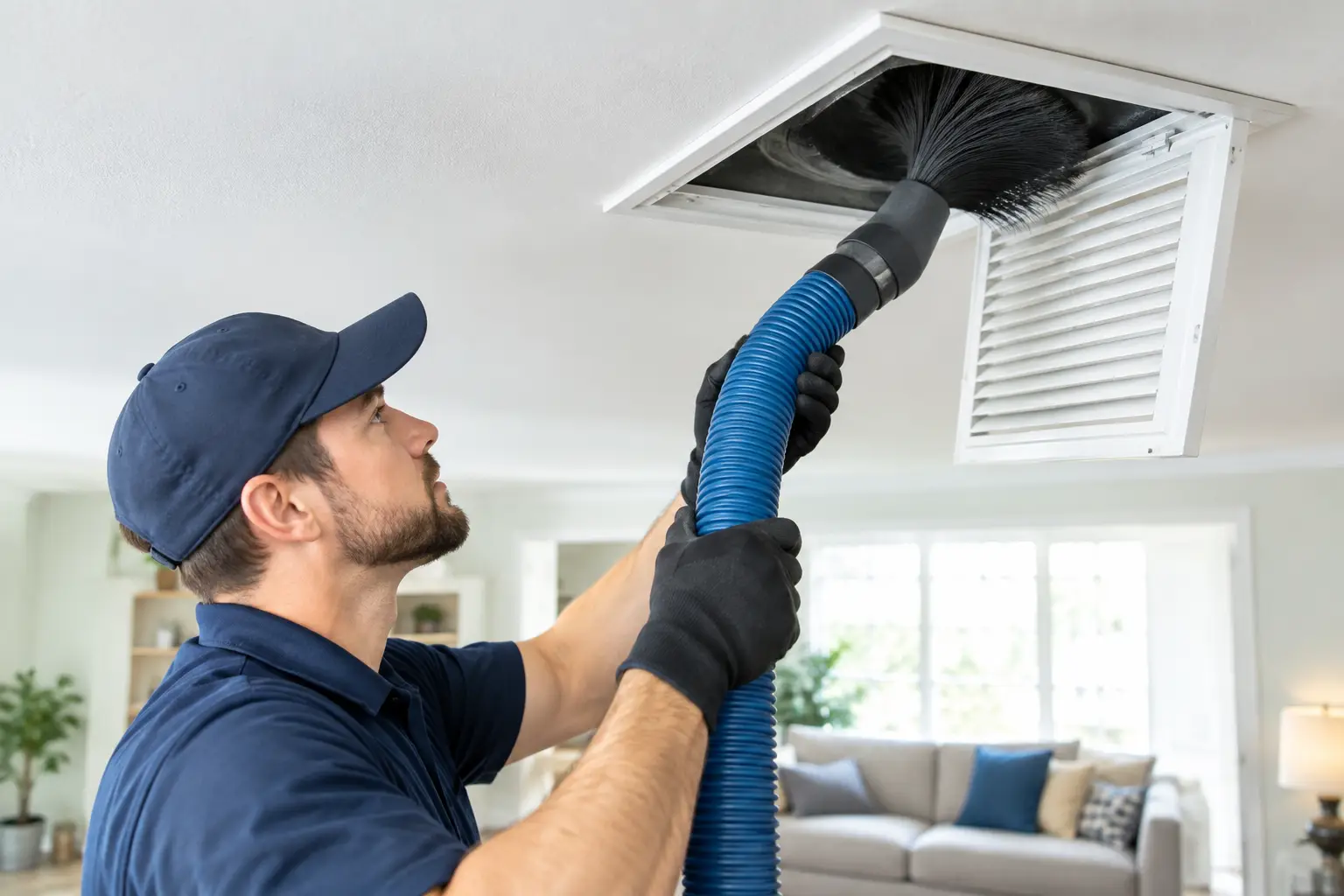
HVAC maintenance is preventive care performed while the equipment is still operating. During a maintenance visit, a qualified technician inspects critical components, cleans areas that affect performance, tests operation and safety controls, and looks for developing issues. The objective is not simply to check a box. It is to keep the system running efficiently and catch wear before it becomes a breakdown.
A simple way to think about it is this: maintenance protects performance; repair restores it. Maintenance cannot guarantee that a part will never fail, particularly in an aging system. Repair cannot replace the value of regular upkeep, especially when dirt, restricted airflow, and overlooked wear are contributing to repeat problems.
When You Need an HVAC Repair
Call for repair when your system is not delivering the comfort or reliability you expect. Some issues are obvious, such as a unit that will not turn on. Others develop gradually, including rooms that never reach the thermostat setting or a system that runs much longer than it used to.
A repair visit is appropriate when you notice persistent or worsening symptoms. These may include loud banging, screeching, rattling, frequent cycling, weak airflow, warm air from supply vents during cooling mode, or cold air during heating mode. Water around an indoor unit, ice on refrigerant lines, repeated thermostat errors, and unusual odors also deserve prompt professional attention.
For gas heating equipment, certain warning signs should never wait. If you smell gas, suspect a carbon monoxide issue, or notice a yellow burner flame instead of a steady blue flame, turn the system off if it is safe to do so and contact a qualified HVAC professional right away. Do not try to diagnose combustion or electrical problems on your own.
Repair costs vary because the underlying issue matters. Replacing a worn capacitor is different from addressing a refrigerant leak, damaged blower motor, failed control board, or heat exchanger concern. A dependable technician should diagnose the problem, explain the recommended repair in plain language, and provide upfront pricing before work begins.
Repair does not always mean replacement
A repair is often the sensible choice when the system is relatively new, has a clear and isolated issue, and has otherwise been dependable. It can also be the right decision for a well-maintained older unit when the repair is modest and the equipment still performs efficiently.
Replacement becomes a more serious conversation when repairs are frequent, major components are failing, operating costs keep rising, or the system can no longer provide consistent comfort. Honest guidance matters here. The goal should be to help you compare the near-term repair cost with the likely remaining service life and efficiency of your current equipment, not to push a replacement before it is justified.
What Happens During HVAC Maintenance
Maintenance is a scheduled service appointment, commonly performed before heating season and before cooling season. Bay Area weather is generally mild compared with other regions, but systems still work hard through temperature swings, coastal moisture, inland summer heat, dust, and heavy seasonal use.
A thorough appointment may include checking electrical connections, inspecting moving parts, measuring system operation, examining the thermostat, clearing condensate drainage where applicable, and reviewing airflow. Technicians also inspect filters and coils, because restricted airflow and buildup can force equipment to work harder than necessary.
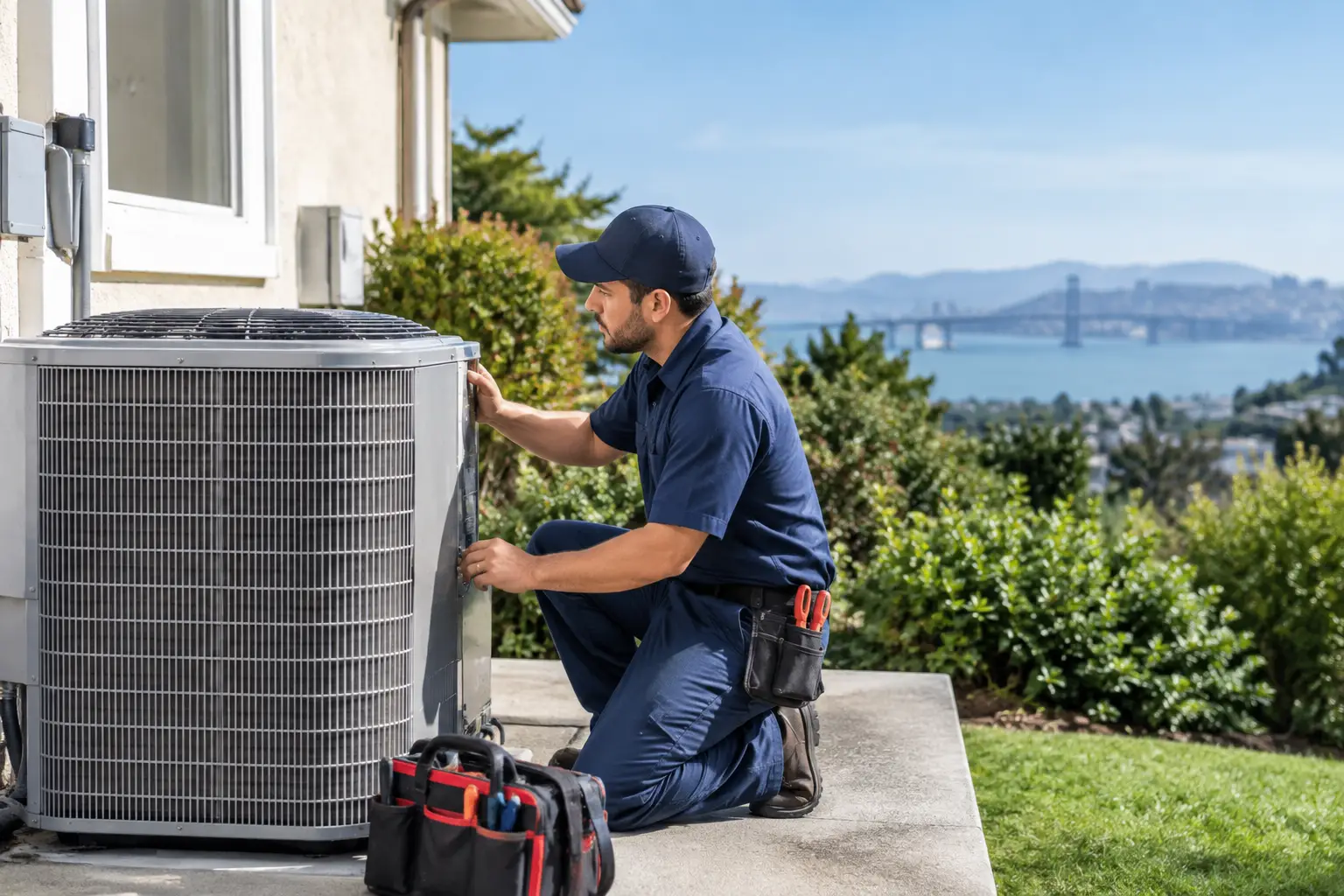
The exact work depends on the type of system. A furnace tune-up emphasizes safe ignition, burners, venting, and heat-related controls. Air conditioning maintenance focuses on cooling performance, refrigerant-related indicators, drainage, and outdoor unit condition. Heat pumps require attention to both heating and cooling operation. For commercial properties, maintenance may also account for rooftop equipment, occupancy schedules, and the higher wear created by longer operating hours.
Maintenance is most valuable when it is consistent. Waiting until the system starts making a strange sound turns a preventive visit into a possible repair call. Regular service gives technicians a baseline for how your equipment should operate, making changes easier to identify early.
Why Maintenance Can Reduce Repair Costs
Many HVAC failures begin as smaller issues. A clogged filter can reduce airflow. Reduced airflow can cause overheating, coil problems, poor comfort, and added stress on components. A blocked condensate drain can lead to water damage or system shutdown. A loose electrical connection can create intermittent operation before it becomes a complete failure.
Maintenance gives these issues a chance to be found at a more manageable stage. It can also help preserve energy efficiency. When equipment is clean, properly adjusted, and moving air as intended, it generally does not need to run as long to meet the thermostat setting.
That said, maintenance is not a warranty against every repair. Motors, electronics, and other parts can fail without much warning. The practical value is lower risk, better performance, and fewer surprises – not a promise that an HVAC system will never need service.
Maintenance Tasks You Can Handle Between Visits
There are a few simple actions property owners can take without opening equipment panels or attempting technical adjustments. Check the air filter regularly and replace it when it is dirty or according to the manufacturer’s guidance. Keep supply and return vents open and free of furniture, rugs, or stored items. Outside, remove leaves, branches, and debris from around the condenser so air can circulate freely.
Pay attention to changes in how the system sounds, smells, and performs. A small change does not always signal an emergency, but it is useful information to share when scheduling service. Keep thermostat settings reasonable as well. Constantly forcing major temperature changes can increase run time and may expose an existing performance issue.
Avoid adding refrigerant, cleaning internal electrical components, or bypassing safety switches. Those tasks require proper training and equipment. A quick do-it-yourself fix can make the original problem harder to diagnose and may create a safety concern.
How Often Should You Schedule Service?
Most residential systems benefit from professional maintenance at least once a year. For equipment that provides both heating and cooling, two seasonal visits are often the better approach: one before sustained heating use and one before the warmest cooling months.
More frequent attention may make sense for rental properties, commercial spaces, homes with pets, systems in dusty conditions, or equipment that runs nearly every day. If your system is older or has a history of repairs, maintenance also gives you an opportunity to plan ahead rather than react to the next failure.
Property managers can benefit from documenting service dates, repairs, filter changes, and recurring tenant comfort complaints. A clear service record helps identify patterns across units and supports better long-term decisions about repairs, upgrades, and replacement timing.
Choosing the Right Next Step
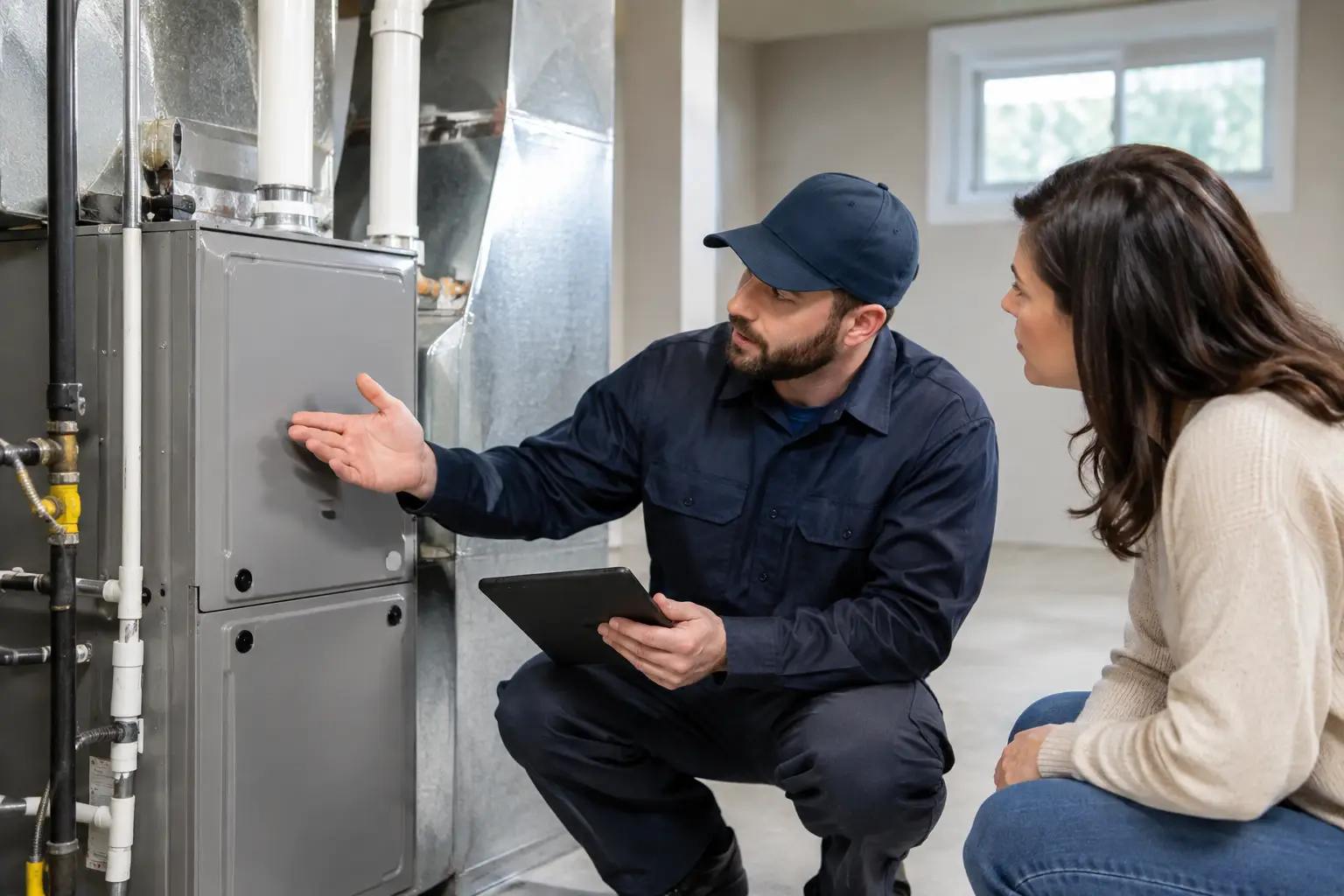
If the system is broken, unsafe, leaking, or unable to maintain the set temperature, schedule repair. If it is running normally but has not been professionally checked in a year, schedule maintenance. If you are not sure which service applies, describe the symptoms when you call. A qualified technician can help determine whether you need a diagnostic visit, routine tune-up, or a broader evaluation.
Heating and Air Experts provides practical HVAC service for Bay Area homes and businesses, with certified technicians who explain findings clearly and recommend work based on your system’s actual condition. Whether the issue is urgent or routine, timely service helps protect the comfort you depend on.
The best time to address an HVAC concern is usually before it becomes a no-heat or no-cooling emergency. Listen to what your system is telling you, keep up with routine care, and call for professional help when performance changes.