A clean home can still feel miserable during Bay Area allergy season. You may notice sneezing, itchy eyes, or a scratchy throat most when windows are closed and the air conditioner is running. So, can HVAC filters reduce pollen? Yes, the right filter can capture a meaningful amount of pollen before it circulates through your home or business. But the filter has to fit your system, be installed correctly, and be changed before it becomes clogged.
Your HVAC filter is not a cure for seasonal allergies. It is one practical part of a larger indoor air quality plan. For property owners dealing with recurring allergy complaints, uneven airflow, or dusty rooms, a professional assessment can identify whether the problem is the filter, the ductwork, outdoor air entering the building, or the HVAC equipment itself.
How HVAC Filters Reduce Pollen Indoors
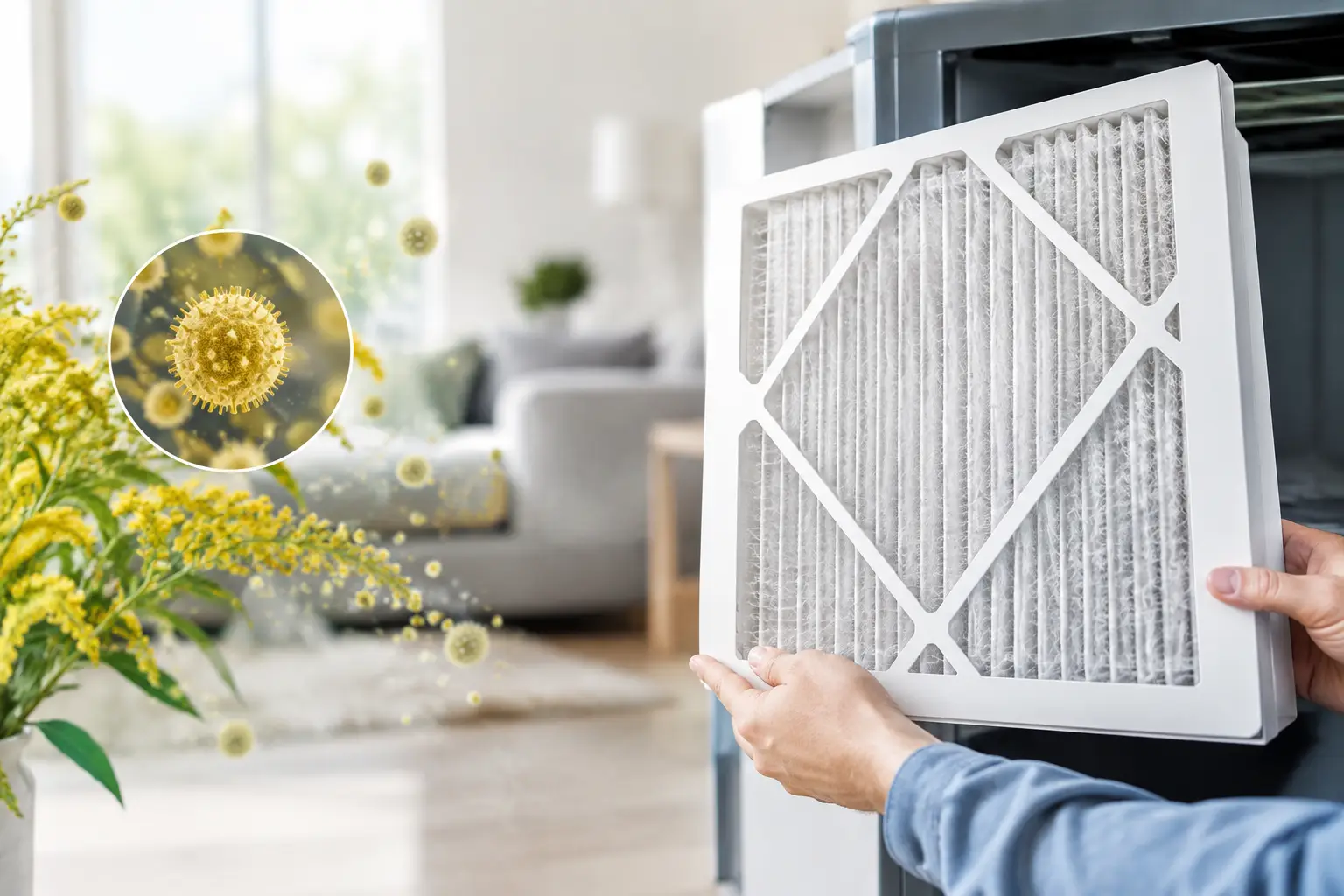
Your return vents pull indoor air back toward the heating and cooling system. Before that air reaches the blower and indoor coil, it passes through the filter. A properly selected filter traps particles from that airstream, including much of the pollen that has entered through open doors, windows, clothing, pets, and small gaps around the building.
Pollen particles are generally large enough for many quality HVAC filters to catch. That is good news compared with very fine particles, which are harder to control with a standard residential system. Still, filtration only works on air that actually passes through the filter. Pollen can remain on upholstery, floors, bedding, and other surfaces until it is removed through regular cleaning.
A filter also cannot stop pollen from coming inside. If windows stay open on high-pollen days, a filter will help reduce what recirculates through the HVAC system, but it cannot keep up with unlimited outdoor air entering the home. Think of it as reducing the pollen load, not creating a completely pollen-free space.
Which MERV Rating Helps With Pollen?
MERV stands for Minimum Efficiency Reporting Value. It is a rating that indicates how effectively an air filter captures particles within certain size ranges. Higher ratings generally capture smaller particles, but a higher number is not automatically the right choice for every furnace, air conditioner, heat pump, or commercial air handler.
For many homes, a MERV 8 filter is a reasonable baseline for basic dust and larger airborne particles. A MERV 11 filter can provide a stronger step up for households concerned about pollen, pet dander, and other common allergens. MERV 13 filters can capture finer particles as well, making them appealing for improved indoor air quality when the HVAC system is designed to handle them.
The trade-off is airflow. A denser filter creates more resistance as air moves through it. If your system does not have enough available airflow capacity, switching to a very restrictive filter can strain the blower, reduce heating and cooling performance, raise energy use, and contribute to comfort problems. This is especially common when a homeowner installs a high-MERV filter in a thin one-inch filter rack without checking the equipment specifications.
HEPA filters are even more efficient, but most central HVAC systems are not built to use them as a simple filter replacement. They often require a dedicated filtration cabinet or a separate air-cleaning solution. Honest guidance matters here: the best pollen filter is the most effective option your system can support without sacrificing reliable operation.
Filter Fit Matters as Much as Filter Rating
A high-quality filter does little good if air can slip around its edges. Filters should match the rack dimensions and sit securely in place, with the airflow arrow pointing toward the equipment. A loose, bent, or incorrectly sized filter allows unfiltered air to bypass the media.
It is also worth checking the actual size printed on the current filter. The nominal size on the packaging may differ slightly from the filter’s true dimensions. When in doubt, use the size specified by the equipment manufacturer or have a qualified technician confirm the proper fit during maintenance.
Change Filters Before They Restrict Airflow
During peak pollen season, filters may load up faster than expected, particularly in homes with pets, open windows, nearby landscaping, or frequent foot traffic. A filter that looks gray or visibly dusty may already be restricting airflow, but visual inspection alone is not always enough.
Many standard one-inch filters need attention every one to three months. Thicker media filters can often last longer, but their replacement schedule depends on system run time, filter type, occupancy, and indoor conditions. Commercial properties may need a more regular schedule because of higher operating hours and greater occupant traffic.
Do not wait until you see a comfort issue. A clogged filter can lead to weak airflow, hot or cold rooms, longer run times, frozen evaporator coils in cooling mode, and unnecessary wear on the system. Setting a reminder at the start of spring and checking the filter monthly through the heaviest allergy period is a practical habit.
Other Ways to Keep Pollen Out of Your Air
An HVAC filter works best when the rest of the building is not constantly adding pollen to the air. On days with heavy pollen counts, keep windows closed when possible and use air conditioning to maintain comfort. After spending time outdoors, changing clothes and leaving shoes near the entry can reduce what gets tracked through the house.
Regular vacuuming with a well-filtered vacuum and damp dusting also help remove pollen that has settled on surfaces. Wash bedding regularly, especially for people who experience nighttime allergy symptoms. If you have pets that spend time outside, wiping paws and brushing them appropriately can reduce the pollen they carry indoors.
For homes with persistent allergy concerns, room air purifiers may help in bedrooms or other frequently used spaces. These units address the air in a specific room, while your HVAC filter protects the equipment and treats air moving through the central system. Used together, they can be more effective than either approach alone.
When the Filter Is Not the Whole Problem
If you have installed the appropriate filter and indoor allergy symptoms remain severe, there may be another issue worth investigating. Leaky return ducts can pull dusty air from attics, crawlspaces, garages, or wall cavities before it reaches the filter. Damaged ductwork, poor return-air design, and gaps around vents can also affect both air quality and comfort.
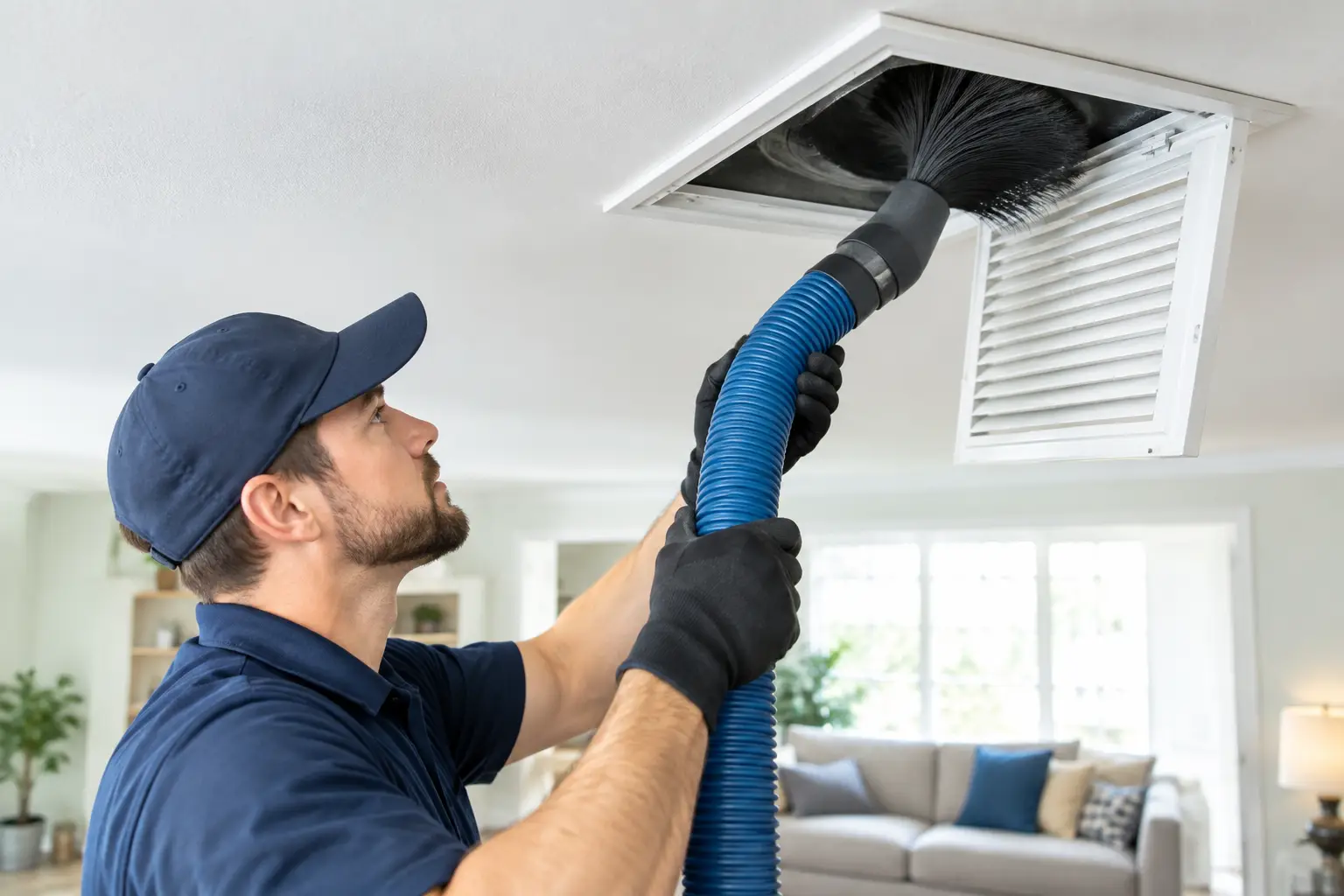
Dirty ducts are not automatically the cause of allergies, and duct cleaning should not be treated as a one-size-fits-all solution. However, cleaning may be helpful when there is visible debris buildup, evidence of pests, renovation dust, or contamination concerns. The condition of the ducts, filter rack, coil, and blower should be evaluated together rather than guessing at one fix.
Humidity can play a role, too. Pollen itself is not caused by indoor humidity, but excessive moisture can support mold growth and dust mites, adding more irritants to the air. A well-maintained heating and cooling system helps control humidity while keeping airflow consistent.
Can HVAC Filters Reduce Pollen Without Hurting Performance?
They can, provided the filter is compatible with the system and maintained on schedule. The goal is not to choose the highest MERV number available. The goal is to improve particle capture while preserving the airflow your equipment needs for safe, efficient heating and cooling.
For a Bay Area homeowner or property manager, that may mean upgrading from a basic filter to MERV 11. In another building, it may mean adding a deeper media cabinet that can hold a more effective filter with less pressure drop. For a business with sensitive occupants or higher indoor air quality demands, the right answer may include equipment upgrades, better filtration, and a planned maintenance program.
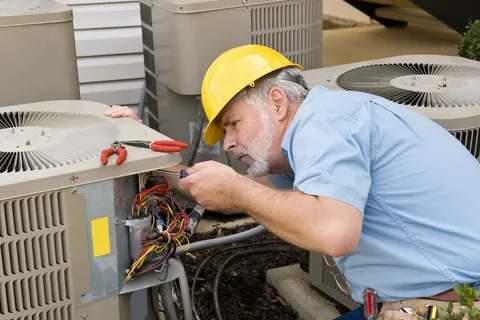
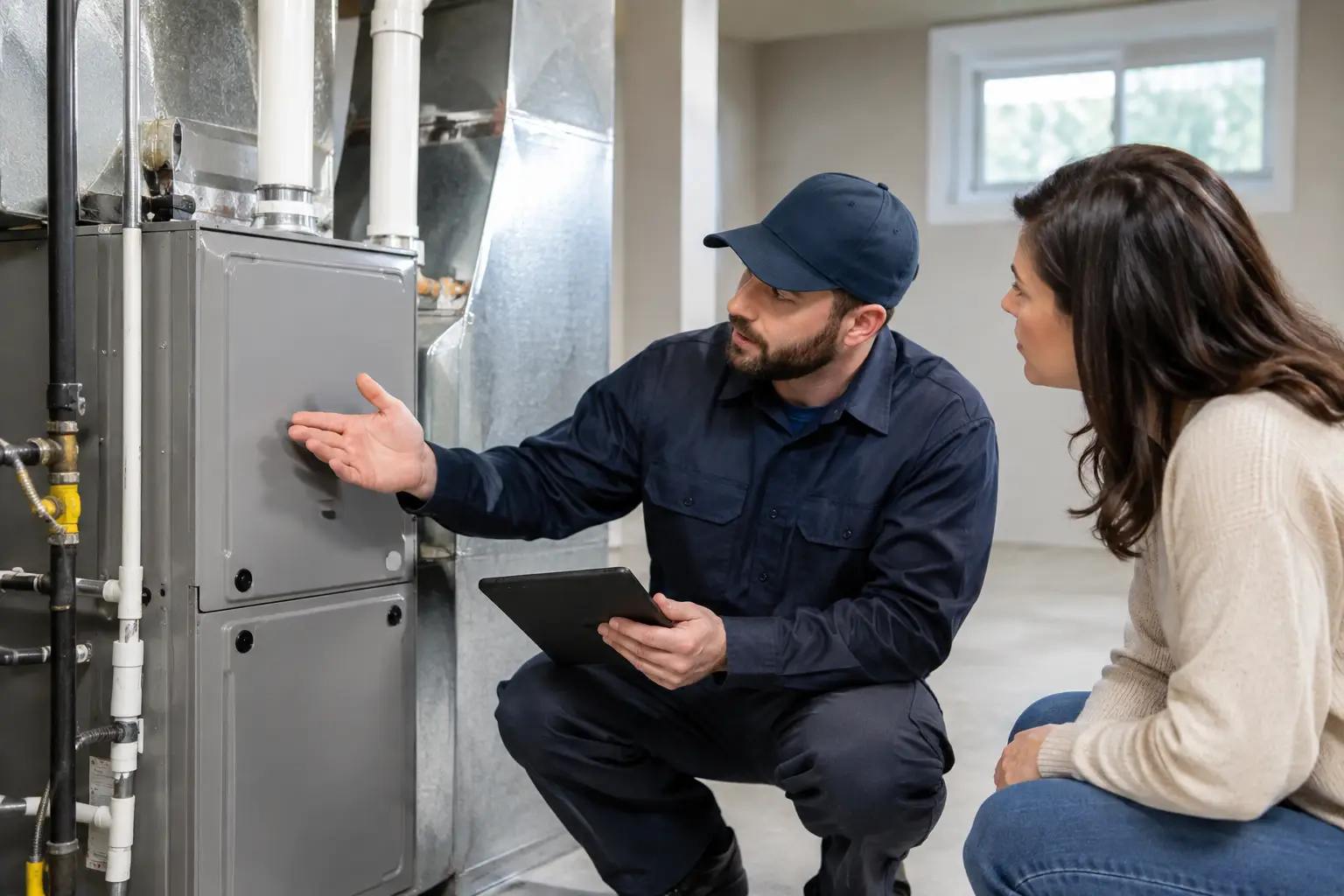
Heating and Air Experts can inspect your system, confirm the correct filter options, and explain whether airflow, ductwork, or equipment condition is limiting your indoor air quality. You deserve clear recommendations that protect both your comfort and your HVAC investment.
If allergy season keeps making the indoors uncomfortable, start with a filter check before assuming you need a major upgrade. A properly fitted, appropriately rated filter and a system that is maintained to move air correctly can make the space where you rest, work, and welcome others feel noticeably better.