A furnace rarely fails at a convenient time. It usually starts with a room that never quite warms up, a strange noise at night, or a heater that keeps turning on and off without doing much. When furnace repair is handled early, the fix is often faster, safer, and less expensive than waiting for a full breakdown.
For homeowners, property managers, and business owners in the Bay Area, heating problems can be easy to put off because winters are milder than in other parts of the country. But that mild climate is exactly why furnace issues often go unnoticed until the system is under real demand. By the time the unit stops producing enough heat, you may already be dealing with unnecessary wear, rising utility costs, and avoidable discomfort.
When furnace repair becomes urgent
Some heating issues are minor. Others need immediate attention. If your furnace will not turn on, blows cold air, shuts down after a few minutes, or gives off an unusual burning smell, it is time to have it checked right away. The same goes for loud banging, rattling, or squealing sounds. Those symptoms can point to ignition problems, loose components, blower issues, or airflow restrictions that put stress on the system.
A yellow pilot light, if your furnace has one, is another warning sign. A healthy pilot flame is generally blue. If the flame changes color or behaves unpredictably, there may be a combustion issue that should not be ignored. Carbon monoxide concerns are serious, and any suspected gas or combustion problem deserves prompt professional service.
Even less dramatic problems can turn urgent if they affect occupants or tenants. In a home, that means cold nights and uneven comfort. In a rental or commercial setting, it can mean complaints, liability concerns, and disruptions to normal operations. Fast diagnostics matter because heating problems tend to get worse, not better.
Common furnace repair problems technicians see
Most furnace failures are not random. They usually trace back to a few common issues. A clogged air filter is one of the simplest but most overlooked causes of poor performance. Restricted airflow can cause overheating, short cycling, and strain on the blower motor. In some cases, replacing the filter and correcting airflow can restore normal operation. In other cases, the damage has already spread to other parts.
Ignition and pilot control problems are also common, especially in older systems. If the furnace struggles to start or starts inconsistently, the issue may involve the igniter, flame sensor, or control board. These are repairable problems in many cases, but they need proper testing. Guesswork wastes time and can lead to unnecessary part replacement.
Blower motor trouble is another frequent reason for service calls. If the fan is weak, noisy, or not running at all, the furnace may still create heat but fail to distribute it properly. That can leave some rooms cold while the system keeps cycling. Thermostat malfunctions, dirty sensors, tripped safety switches, and worn belts can all create symptoms that seem bigger than they are, which is why a full diagnostic is important.
Signs your furnace needs repair before it quits
A complete shutdown is not the only reason to call for service. Often, the system gives plenty of warning first. If your energy bills have climbed without a clear reason, your furnace may be running inefficiently due to a mechanical issue. If some rooms are warm and others stay chilly, there may be an airflow problem, duct issue, or blower performance problem.
Short cycling is another red flag. When a furnace turns on and off too often, it is usually reacting to a fault rather than operating normally. That fault might be as simple as a dirty filter or as involved as a failing limit switch or overheating condition. Either way, extra cycling adds wear and raises operating costs.
Strange odors matter too. A brief dusty smell at the start of the heating season can be normal. Persistent burning smells, musty odors, or anything that suggests gas should be treated differently. It depends on the cause, but unusual smells are one of the clearest signs that a system needs attention from a certified technician.
Repair or replace? It depends on the system
Not every furnace problem means the unit has reached the end of its life. Many repairs are straightforward and worthwhile, especially if the system is otherwise reliable and the heat exchanger is in good condition. Replacing an igniter, blower component, capacitor, or control part can make good financial sense on a system with years of useful life left.
That said, there is a point where repeated furnace repair stops being the best value. If the unit is older, breaking down often, or causing high utility bills, replacement may be the smarter long-term move. The right choice depends on age, repair history, energy efficiency, parts availability, and overall condition. Honest guidance matters here. A trustworthy HVAC company should explain both options clearly rather than pushing a replacement when a repair will do.
For property owners, downtime also factors into the decision. If a furnace serves tenants, employees, or customers, reliability has real value. A lower repair bill today may not be the better deal if another failure is likely in the near future.
Why professional furnace repair matters
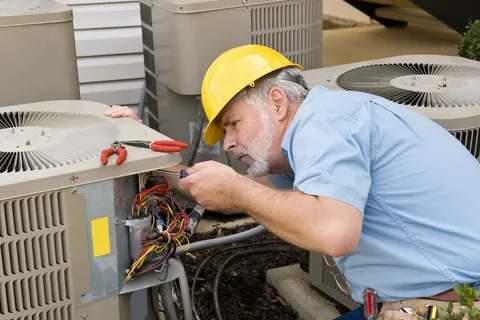
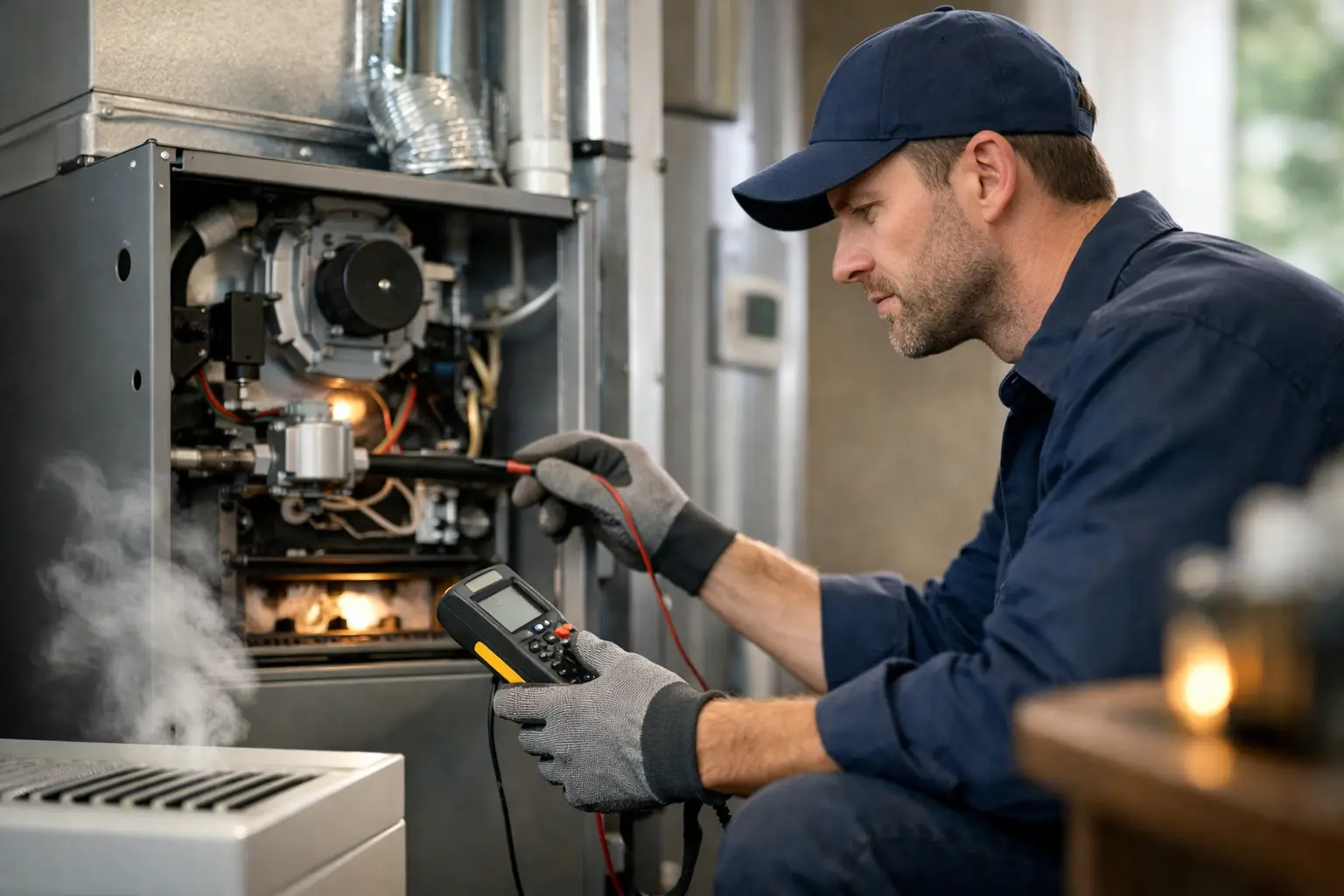
Furnaces involve gas, electricity, combustion, airflow, and safety controls. That combination leaves very little room for trial and error. A professional repair is not just about swapping parts. It is about confirming the actual cause of the problem, testing system performance, and making sure the furnace operates safely when the work is done.
Certified technicians look at the full picture. They check electrical connections, thermostat communication, ignition sequence, blower operation, airflow, safety switches, and overall system condition. That process helps catch related issues that a quick fix might miss. It also helps prevent a callback a few days later when the original symptom returns.
For Bay Area customers, responsiveness is just as important as technical skill. When heat is out, people want clear communication, upfront pricing, and a technician who can explain what is happening in plain language. Heating and Air Experts is built around that kind of service because comfort problems rarely wait for a perfect moment.
How to reduce future furnace repair calls
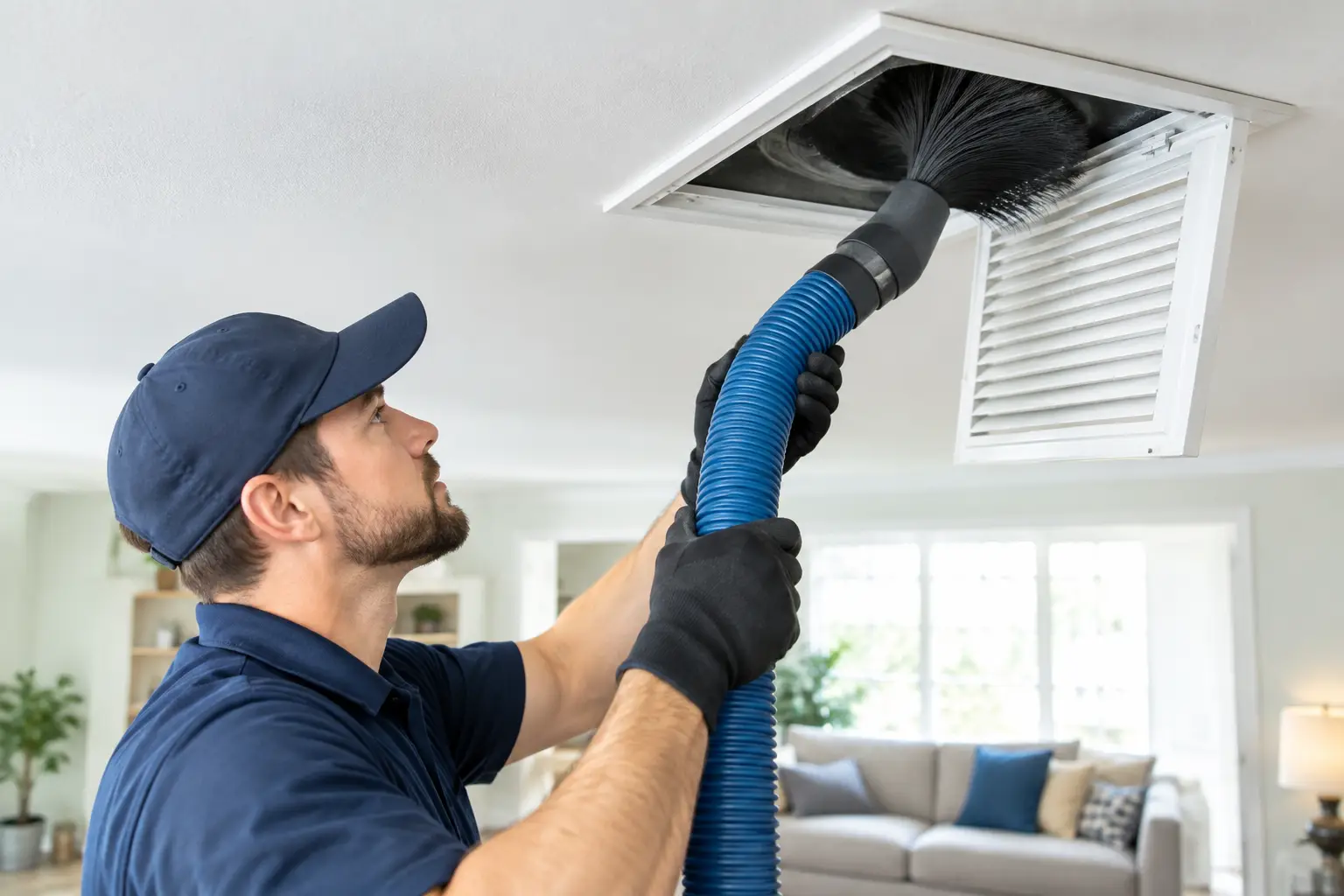
The most effective way to reduce repairs is simple maintenance. A furnace that gets seasonal service is more likely to run efficiently, last longer, and avoid mid-season breakdowns. During maintenance, technicians can clean components, inspect wear points, test safety controls, and catch small issues before they turn into major ones.
Homeowners can help by changing filters on schedule, keeping supply and return vents unobstructed, and paying attention to changes in performance. If the thermostat seems inaccurate, the system gets louder, or heating becomes uneven, it is better to schedule service early than wait. Small repairs are usually easier to manage than emergency failures.
For commercial properties and multi-unit buildings, preventive maintenance matters even more. Higher usage, more occupants, and greater comfort demands put extra pressure on the system. Routine inspections support better planning and fewer surprise interruptions.
What to expect during a furnace repair visit
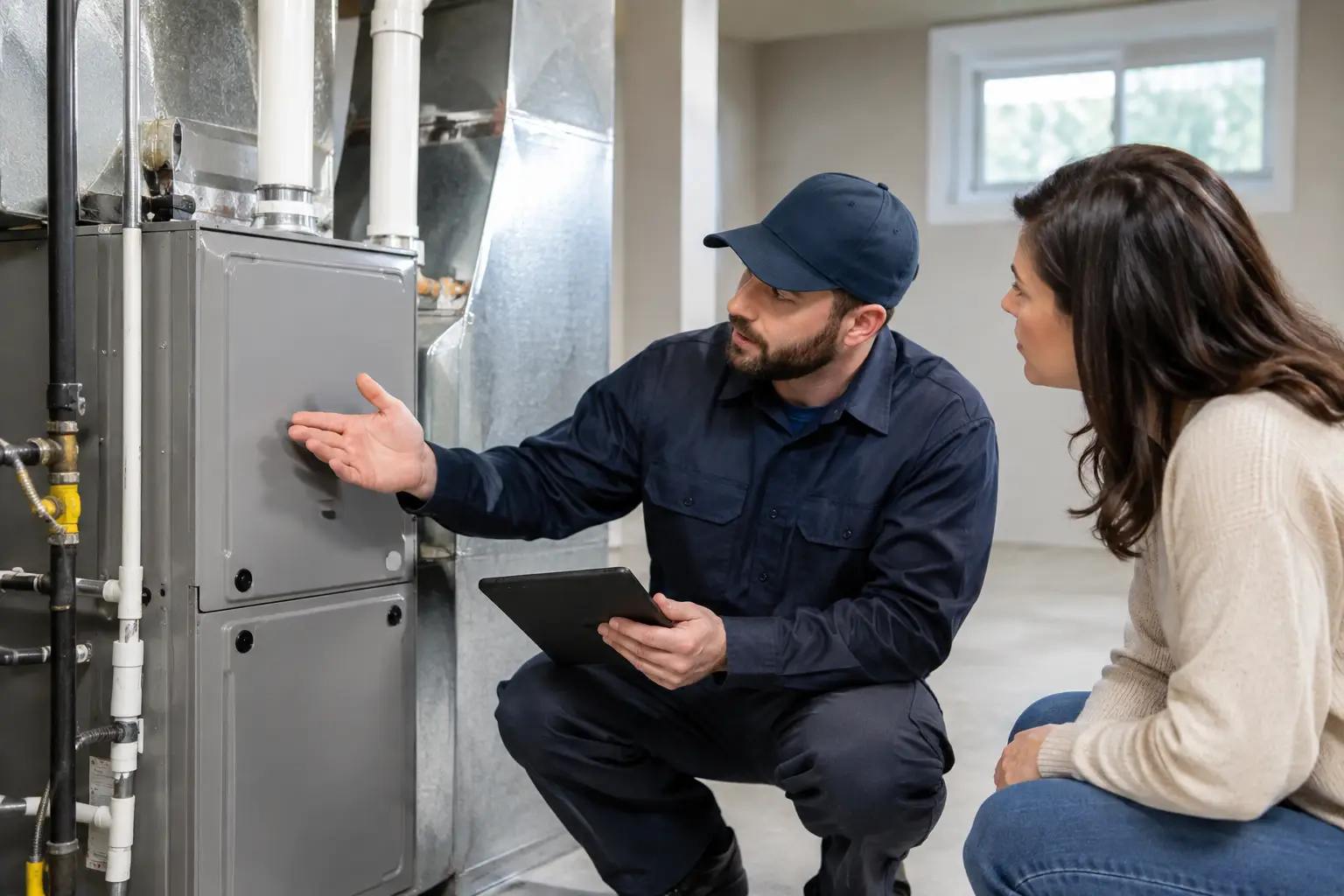
A good service visit should feel organized and transparent. The technician should ask about the symptoms, inspect the system, run diagnostic tests, and explain the findings clearly. If a repair is recommended, you should understand what failed, why it failed, and what the repair is expected to solve.
In some cases, the problem is resolved in one visit. In others, especially with older or uncommon equipment, parts may need to be ordered. What matters is getting accurate information and realistic expectations. Customers should never feel pressured or left guessing about cost, timing, or next steps.
That clarity is especially valuable when you are managing a property or balancing a business schedule. Reliable HVAC service is not just about fixing equipment. It is about reducing stress, protecting comfort, and helping you make sound decisions for the property.
If your furnace is making noise, heating unevenly, cycling too often, or failing to keep up, the best move is usually the simplest one – have it checked before the problem grows. A timely repair can restore comfort, protect efficiency, and give you more confidence every time the temperature drops.