Utility bills usually get your attention before your HVAC system does. A summer spike in cooling costs, rooms that never seem comfortable, or a heater that runs longer than it used to are often the first signs that your system is working harder than it should. The right energy efficient HVAC upgrades can lower operating costs, improve comfort, and reduce the strain on equipment that is already aging.
For homeowners, property managers, and business owners in the Bay Area, that matters for more than one reason. Energy costs are high, building conditions vary widely from city to city, and many properties have a mix of older ductwork, newer controls, and equipment that may not be sized or maintained properly. That means the best upgrade is not always a full system replacement. In many cases, the smartest move is a targeted improvement that fixes the real source of waste.
Which energy efficient HVAC upgrades make the biggest difference?
The biggest gains usually come from solving airflow, control, and equipment efficiency at the same time. If a system cannot move air properly, even a high-efficiency unit may underperform. If the thermostat is outdated or poorly located, comfort issues may continue no matter how new the equipment is. And if the system itself is near the end of its service life, repair after repair can cost more in the long run than replacing it with a properly matched setup.
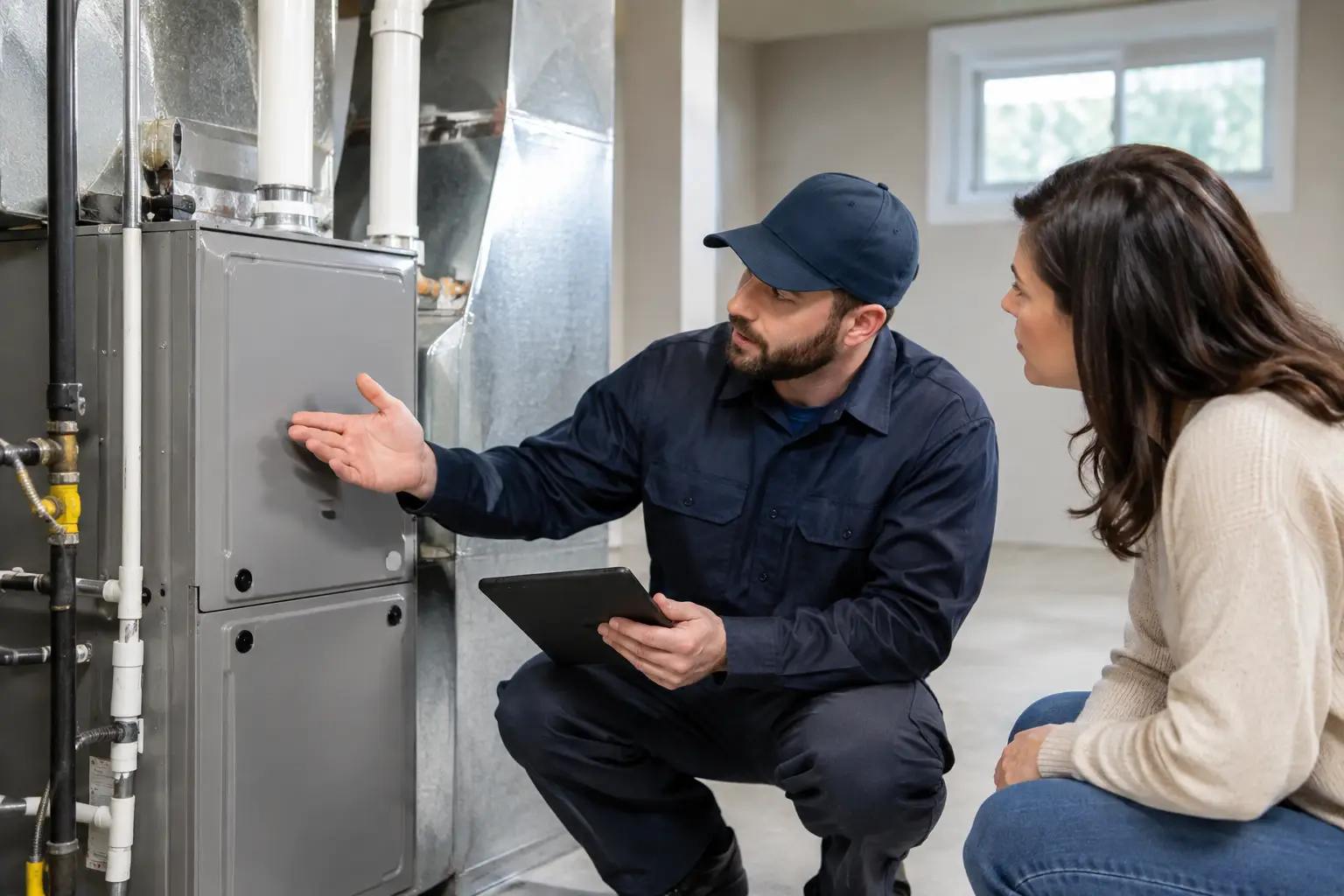
That is why upgrade decisions should start with diagnosis, not guesswork. A trustworthy HVAC contractor looks at the full picture – system age, energy use, comfort complaints, duct condition, insulation around key lines, and maintenance history – before recommending next steps.
High-efficiency system replacement
If your furnace, air conditioner, or heat pump is 12 to 20 years old, replacement may be the most practical option. Newer systems are built to deliver the same comfort with less energy, and in many cases with better humidity control and quieter operation. For commercial properties, newer rooftop or split systems can also improve reliability and reduce service interruptions.
Still, replacement is not automatic. If the system is relatively young and the problem is poor airflow or a failing thermostat, a full replacement may be more than you need right now. Honest guidance matters here. The best recommendation is the one that fits the condition of the system, the layout of the property, and your budget.
Heat pump upgrades
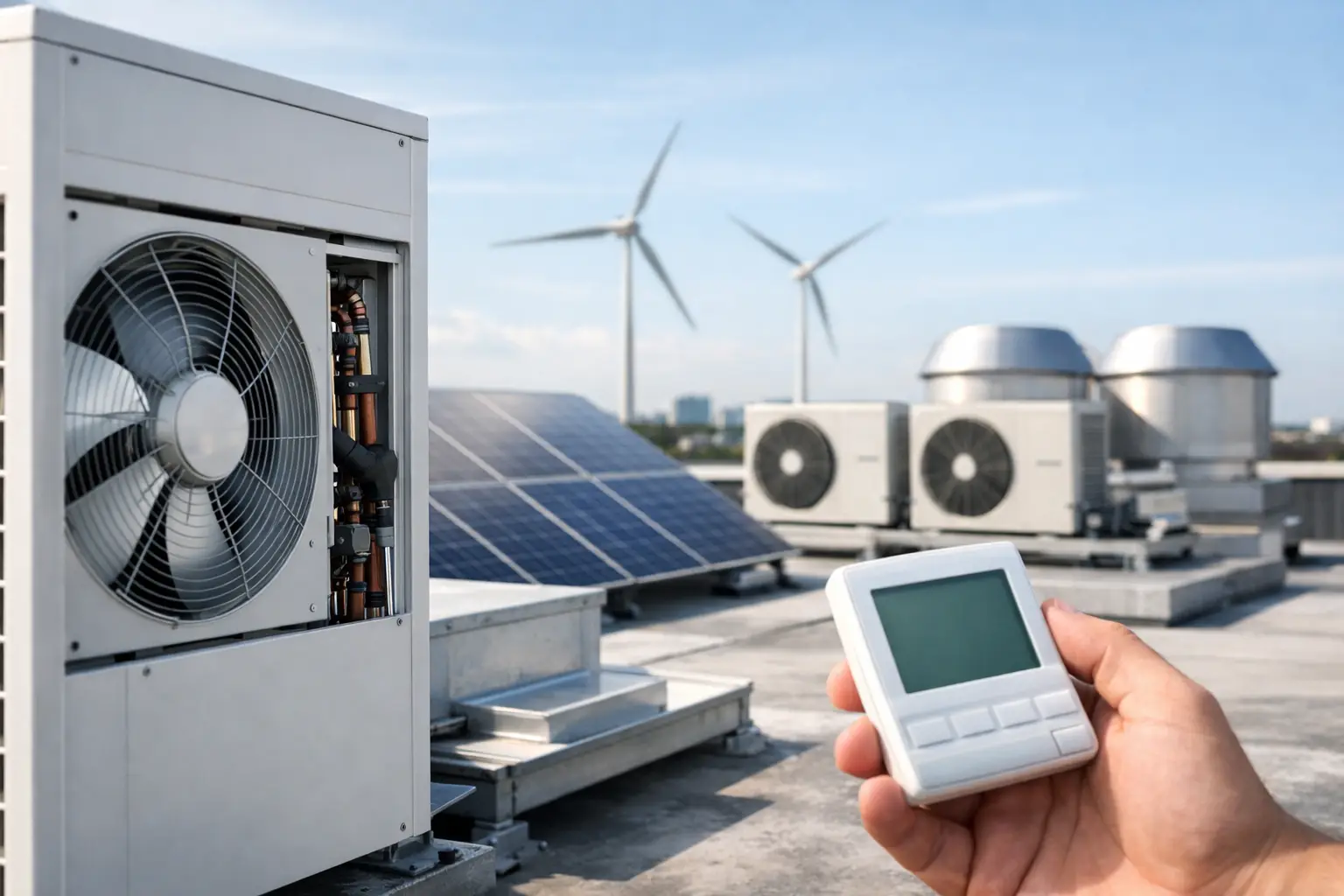
Heat pumps have become a popular choice for energy-conscious properties because they handle both heating and cooling in one system. In much of the Bay Area, where temperatures are generally moderate, a heat pump can be an especially effective upgrade. It can offer efficient year-round performance without the separate fuel use of a traditional furnace.
That said, heat pump performance depends on proper sizing, installation quality, and duct condition. In an older building with leaky ducts or comfort issues in specific zones, those problems should be addressed at the same time. Otherwise, the efficiency on paper may not show up in day-to-day performance.
Variable-speed equipment
Traditional HVAC systems often run at a single speed – fully on or fully off. Variable-speed systems adjust output based on current demand, which can reduce energy use while keeping indoor temperatures more consistent. This type of upgrade is especially useful in properties where hot and cold spots are common or where the system cycles too often.
For customers who want better comfort as much as lower energy use, variable-speed technology can be worth serious consideration. It tends to run longer at lower levels, which is often more efficient and less disruptive than constant hard starts and stops.
Smart controls and thermostat upgrades
Some of the most cost-effective energy efficient HVAC upgrades involve better control rather than bigger equipment. A modern programmable or smart thermostat gives you more precision over when and how your system runs. That can mean fewer wasted heating and cooling hours, especially in homes with changing schedules or commercial spaces with predictable occupancy patterns.
The value of a thermostat upgrade depends on proper setup. A high-end control installed in the wrong location or programmed poorly will not solve comfort issues. In some cases, zoning may be the better improvement, especially in larger homes, multi-level buildings, or offices where one area stays occupied while another does not.
Zoning allows different parts of a property to be conditioned independently. Instead of heating or cooling the whole building to satisfy one problem room, the system can respond where needed. That often leads to lower energy use and better comfort, though it must be designed correctly to avoid airflow imbalances.
Ductwork and airflow improvements
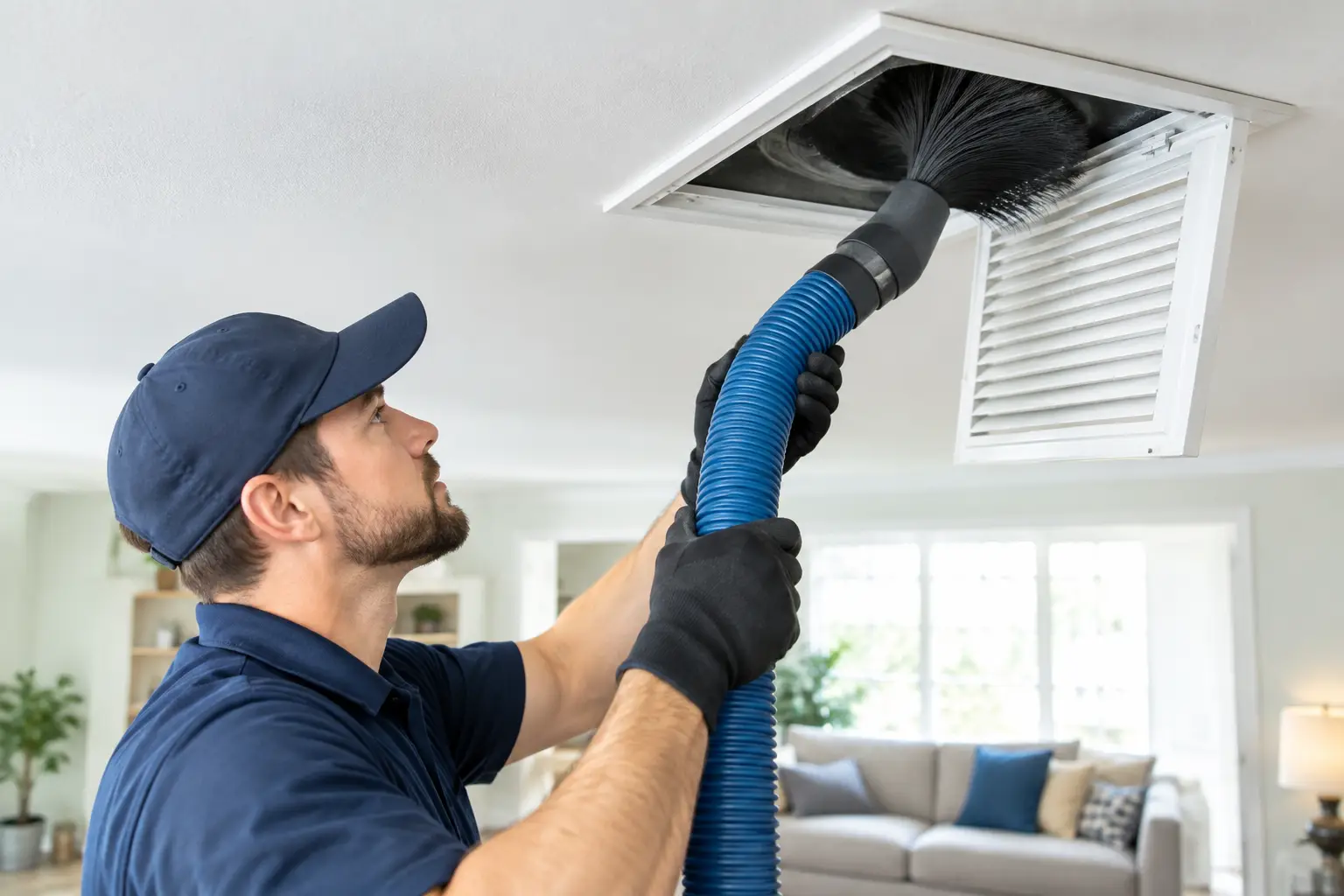
This is the part many property owners overlook. You can invest in premium HVAC equipment, but if conditioned air leaks into an attic, crawl space, or wall cavity, your energy savings will fall short. Duct sealing, duct repair, and in some cases duct replacement can have a major impact on system efficiency.
Uneven temperatures, weak airflow, dusty rooms, and long system run times often point to duct issues. Older duct systems may have disconnected sections, crushed runs, poor design, or buildup that restricts movement. In commercial buildings, airflow problems can also affect tenant comfort and create recurring service complaints.
When ducts are cleaned, sealed, and balanced as needed, the entire HVAC system performs better. This is one reason a full-service contractor has an advantage. The equipment, controls, and duct system all need to work together.
Indoor air quality upgrades that support efficiency
Indoor air quality and energy efficiency are not separate conversations. A clogged filter, dirty coil, or ventilation problem can force a system to work harder than necessary. Upgrades like improved filtration, whole-home air purification, and proper ventilation controls can support cleaner air while helping the HVAC system operate more effectively.
The trade-off is that not every air quality product is right for every property. Some upgrades are worthwhile for homes with allergies, pets, or persistent dust. Others make more sense in commercial settings with higher occupancy. The key is choosing solutions that improve performance without creating unnecessary static pressure or maintenance demands.
Maintenance is still an upgrade strategy
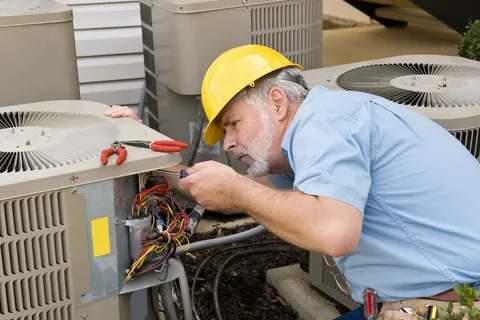
Not every efficiency improvement requires new equipment. If your system has not been professionally maintained, restoring it to proper operating condition may deliver noticeable results. Cleaning coils, checking refrigerant levels, tightening electrical components, calibrating controls, and inspecting airflow can improve performance and prevent waste.
This matters because many systems that seem inefficient are actually neglected rather than obsolete. Regular maintenance also helps identify when a repair makes sense and when replacement is becoming the smarter financial decision. For property managers and business owners, that kind of planning is often more valuable than reacting to one emergency after another.
How to decide what makes sense for your property
The right upgrade path depends on age, usage, and how long you plan to keep the property. If you expect to stay in your home for years, investing in a higher-efficiency system with better controls may offer stronger long-term value. If you manage a rental or commercial property, minimizing downtime and controlling monthly operating costs may be the higher priority.
It also depends on the problems you are trying to solve. If your main concern is high utility bills, system efficiency and duct leakage should be examined first. If your concern is uneven comfort, zoning, airflow corrections, or variable-speed equipment may do more than a standard replacement. If the issue is poor air quality, filtration and duct condition deserve attention alongside heating and cooling equipment.
This is where clear recommendations matter. At Heating and Air Experts, the goal is not to push the biggest installation possible. It is to identify what will actually improve comfort, reduce waste, and give you reliable performance moving forward.
Why professional installation matters so much
Even the best equipment can disappoint when installation quality is poor. Oversized units can short cycle and waste energy. Undersized systems can run constantly without ever delivering consistent comfort. Poor refrigerant charging, loose duct connections, and incorrect thermostat setup all reduce the return on your investment.
That is why certified technicians, upfront pricing, and workmanship backed by a satisfaction commitment are not just selling points. They are part of getting the result you are paying for. An efficient system should not only look good on paper. It should keep your space comfortable without constant adjustments, repeat repairs, or surprise operating costs.
If your HVAC system is showing its age, your bills keep rising, or certain rooms never feel right, it may be time to stop putting up with inefficient performance. The most valuable upgrade is the one that solves the real problem and keeps your property comfortable for the long run.